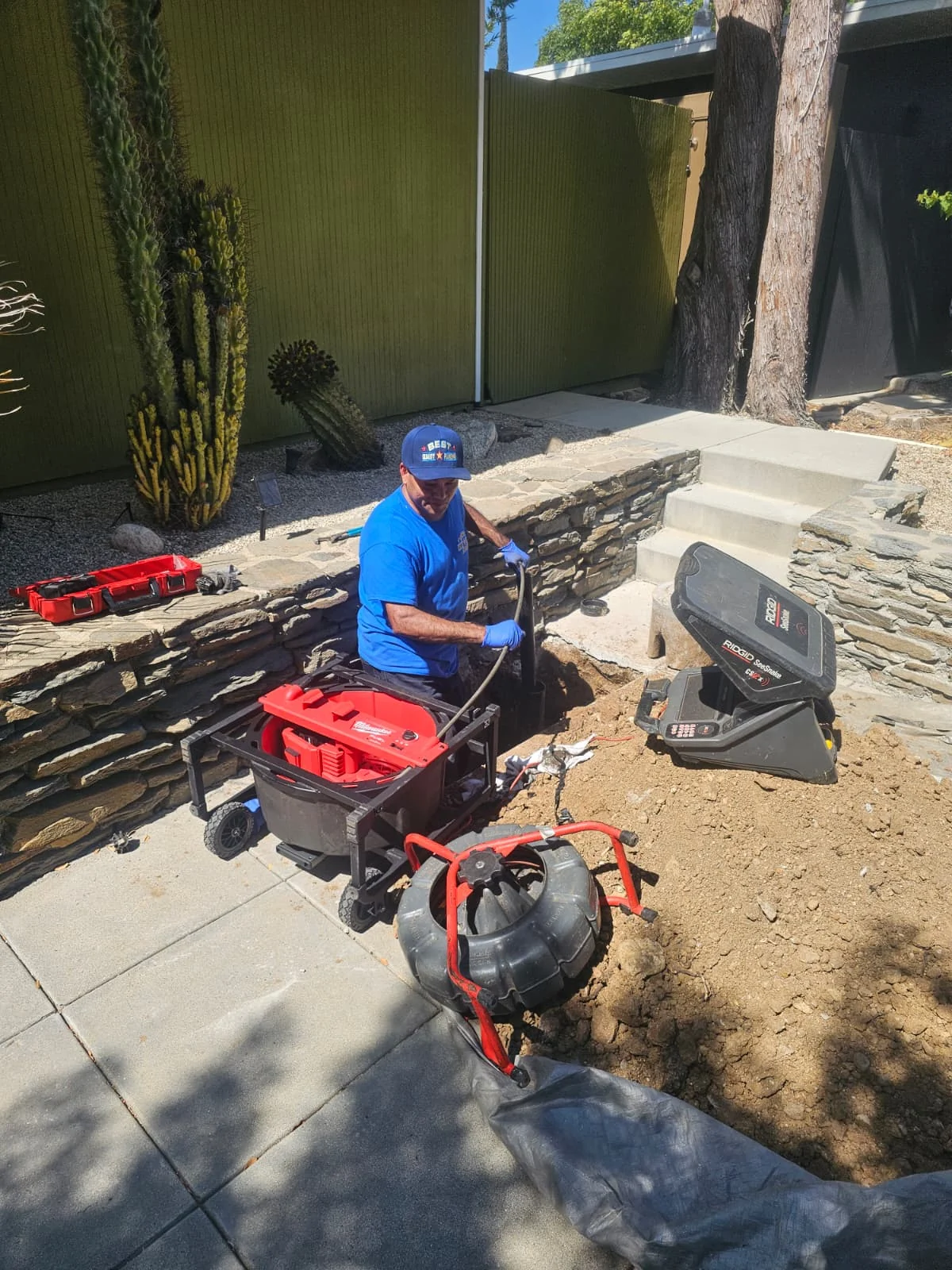
A camera inspection is most useful when the result will change the next step. It may show why a line repeatedly clogs or help locate a defect before repair. A single, straightforward clog may need cleaning first; a camera is a diagnostic tool, not a substitute for restoring flow.
FIELD NOTE
Look For A Decision To Answer
Recurring backups after cleaning, several fixtures affected together, and a proposed sewer repair are common reasons to inspect. The question might be whether a blockage is removable, whether pipe damage is visible, or how much of the line appears affected.
A camera can also establish a visual record before a major project. Ask which line will be viewed and how far the camera is expected to reach. The answer depends on available access and the condition of the pipe.
FIELD NOTE
Understand What The View Can Show
Inside an accessible pipe, a camera may reveal roots, heavy buildup, cracks, offsets, standing water, or a change in pipe material. The operator can often identify a trouble spot along the route and explain why a cleaning or repair is being recommended.
The view does not automatically prove why a defect developed or describe all conditions outside the pipe. Murky water and debris can obscure details. A camera may not pass through a severe obstruction, so some cleaning or another access point may be needed.
FIELD NOTE
Ask For A Usable Conclusion
At the end, ask which parts of the line were actually seen, where the significant finding sits, and which areas remain uncertain. If footage or still images are available, keep a copy with the service notes.
Request the recommended next step in plain language. If the line needs cleaning, ask whether it should be viewed again afterward. If repair is proposed, ask how the image supports the length and location of the work.
Need Help With
Camera Inspection?
If this sounds like the problem you’re having, read about our camera inspection service or tell us what’s happening.
For urgent help, call (818) 282-5846