
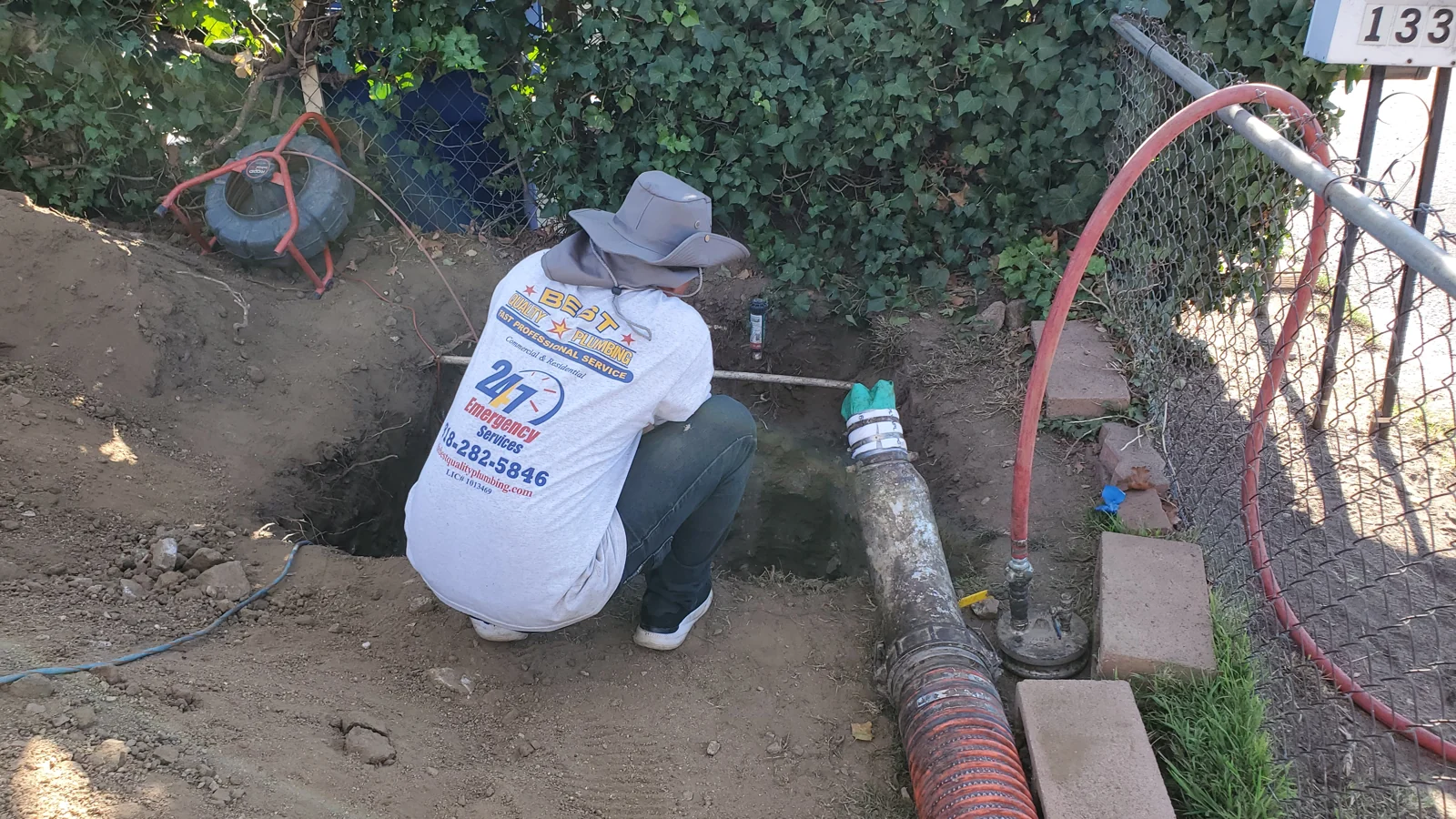
A lining job involves cleaning the line, inspecting it, and, if it is suitable, installing and curing the liner. Some preparation on your side helps the crew reach the line and helps you plan around a pause in water use.
FIELD NOTE
Gather What You Know
Collect any camera videos, inspection reports, and cleaning dates for the line. Note how often backups or slow drains have happened and which fixtures are affected. That history helps show whether the problem is a defect lining can address.
If you know where the sewer line leaves the house or where a cleanout is, point it out when scheduling. Do not open a cleanout cap yourself.
FIELD NOTE
Make Access Practical
Clear stored items, vehicles, or planters away from known cleanouts and the area where the line exits. If the line is reached from inside, clear the space around the access point.
Keep pets and children away from the work area during the visit. Tell the crew about any areas that are hard to reach or recently landscaped.
FIELD NOTE
Plan For Water Use
While the line is cleaned, lined, and cured, the fixtures that drain into it should not be used. Ask how long that pause is expected to last for your job and plan showers, laundry, and dishwashing around it.
After the work, ask to see the camera view of the finished line and where branch connections were reopened. Keep that record with your other home documents.
Need Help With
Pipe Lining?
If this sounds like the problem you’re having, read about our pipe lining service or tell us what’s happening.
For urgent help, call (818) 282-5846