A cable tool and a hydro jet serve different purposes. One can reach and break through a localized obstruction; the other can wash deposits along accessible pipe walls. Neither choice should be made from the symptom alone. The line condition and the location of the restriction matter.
FIELD NOTE
What A Cable Can Do
A drain cable can help open a path through some clogs and retrieve or break up certain obstructions. It may be an appropriate first step for a local blockage. A line that begins flowing afterward can still have residue on the walls, so repeated trouble deserves another look.
Ask where the tool reached and what the technician encountered. If the cable could not pass one spot, that may indicate a stubborn obstruction or a pipe defect; it does not establish which without further evidence.
FIELD NOTE
What Jetting Can Do
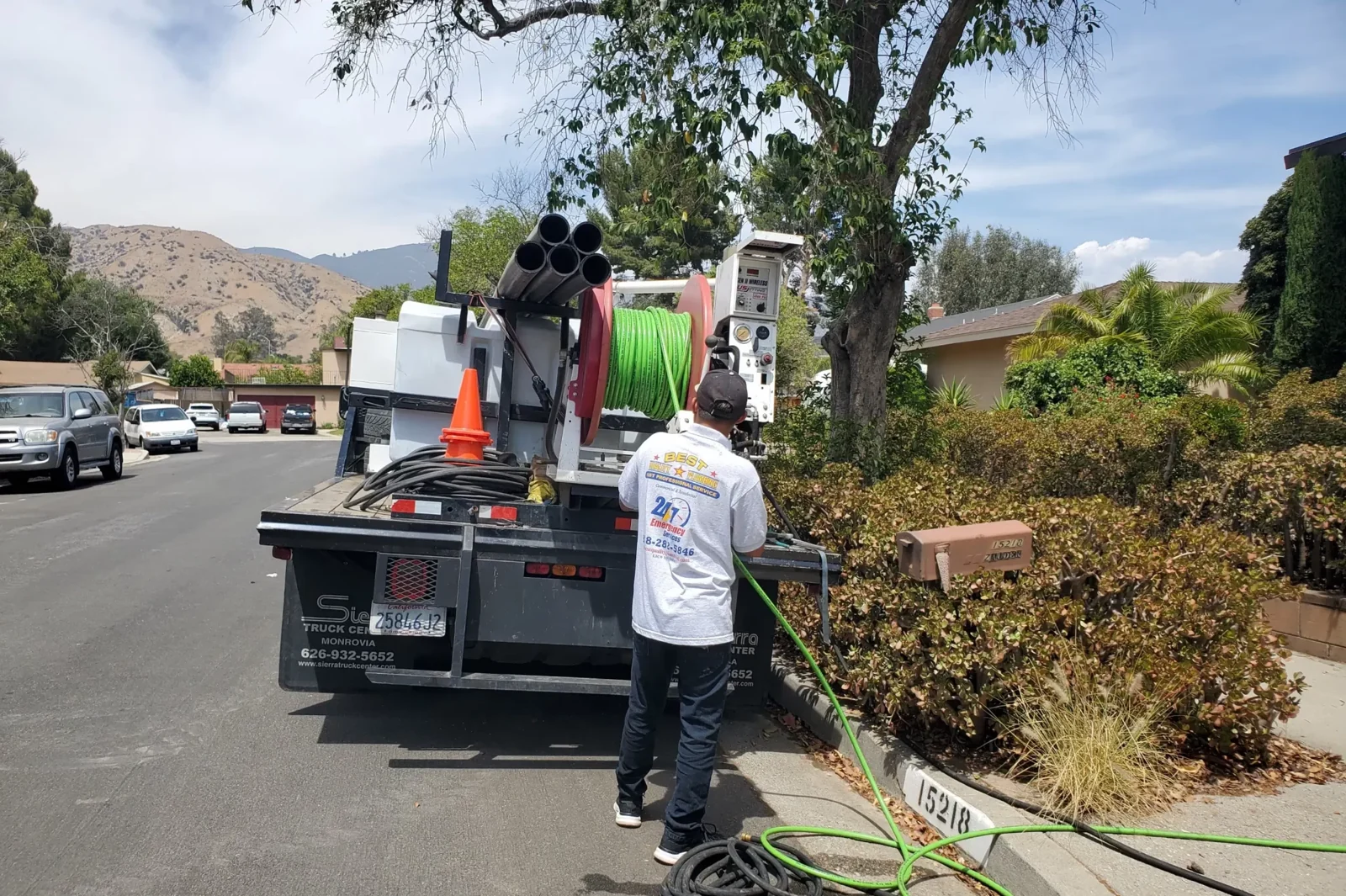
Professional water jetting may be selected to remove widespread grease, sludge, or other deposits from an accessible line. It is often discussed when buildup keeps returning or when cleaning is needed to make a camera view useful.
Pressure and nozzle choice belong to trained operators who can assess pipe size, material, access, and condition. A homeowner should not rent equipment and attempt to jet an unknown sewer line.
FIELD NOTE
Choose By The Evidence
Ask whether the main goal is to open a blockage, clean a length of pipe, or investigate a suspected defect. A damaged or collapsed section may need repair regardless of cleaning method. A camera inspection can help when the same trouble returns after service.
After clearing, confirm that the affected fixtures drain normally and learn what was found. If sewage backed up, keep the area isolated until safe cleanup is arranged. The service record helps you compare future symptoms to the original problem.
Need Help With
Hydro Jetting?
If this sounds like the problem you’re having, read about our hydro jetting service or tell us what’s happening.
For urgent help, call (818) 282-5846