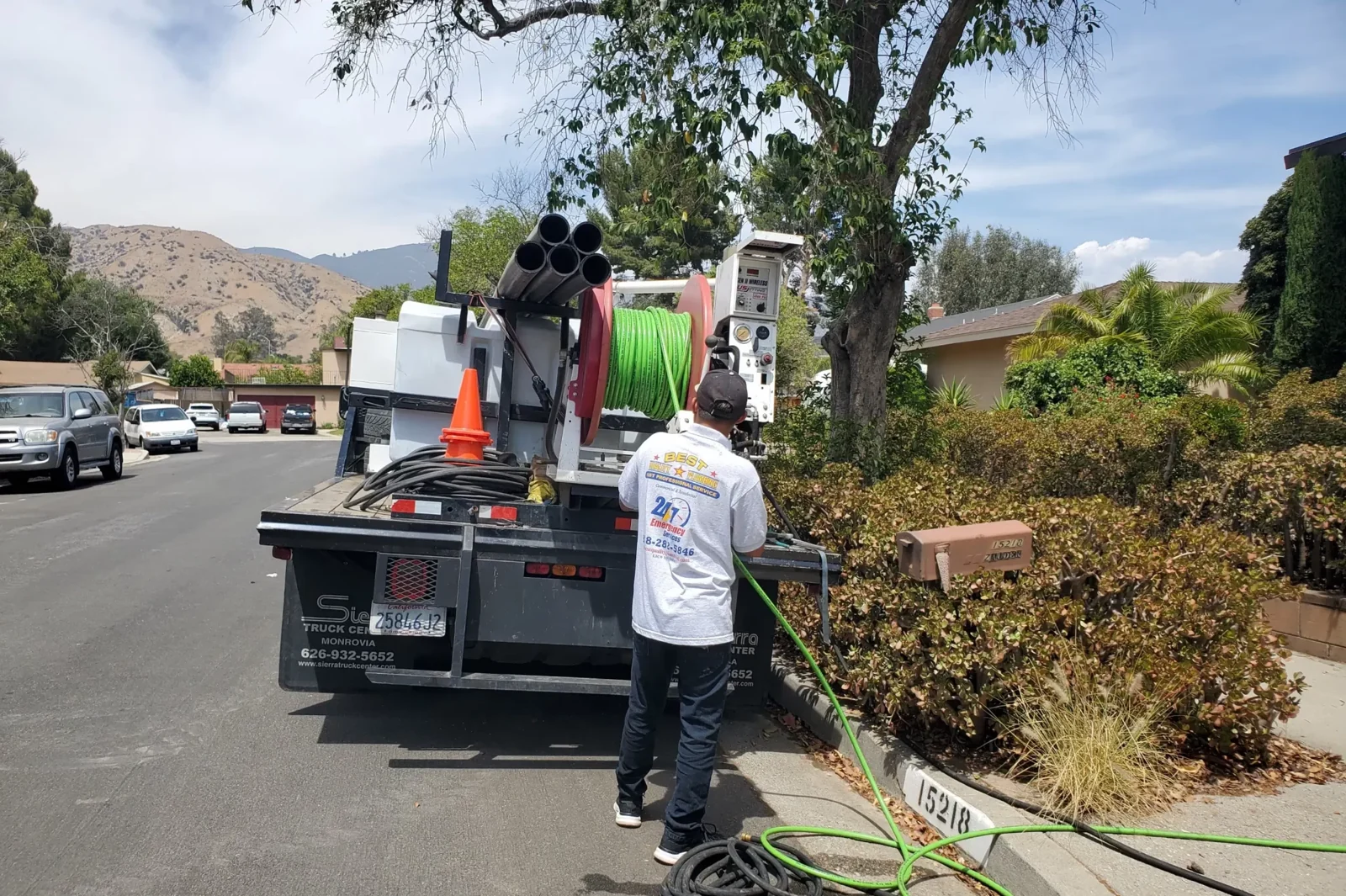
Hydro jetting is a professional cleaning process, and the best preparation is simple: explain the symptoms, identify known access, and keep the area clear. The useful result is more than water moving again. You should understand what buildup was addressed and what condition remains uncertain.
FIELD NOTE
Before The Visit
Describe which drains are slow, whether any wastewater has returned, and how often the problem has happened. Share prior cleaning or camera results. Let the team know about any drain chemicals used recently and whether the property has a known cleanout.
Clear ordinary items around the work area if it is safe to do so. Do not open a cleanout or attempt to relieve pressure yourself. Keep children and pets away, especially when sewage is present.
FIELD NOTE
During The Assessment
Ask why jetting is appropriate for this line and what is known about its condition. A camera view may be useful before or after cleaning, particularly when the line has repeated backups. The technician should explain where the work will begin and what portion is expected to be cleaned.
Access or a hidden pipe defect can change the plan. If the method is unsuitable, ask which finding led to a different recommendation. Cleaning should be matched to the actual problem rather than treated as a guaranteed cure.
FIELD NOTE
After The Line Is Flowing
Ask how flow was checked and whether deposits, roots, or damage were seen. Find out whether the pipe needs further inspection now that it is clearer. Keep any footage or service notes with your records.
Review habits relevant to the material found. Grease management matters for a kitchen line, while wipes and hygiene products should stay out of toilets. If the backup returns soon, report the timing and the same affected fixtures.
Need Help With
Hydro Jetting?
If this sounds like the problem you’re having, read about our hydro jetting service or tell us what’s happening.
For urgent help, call (818) 282-5846