
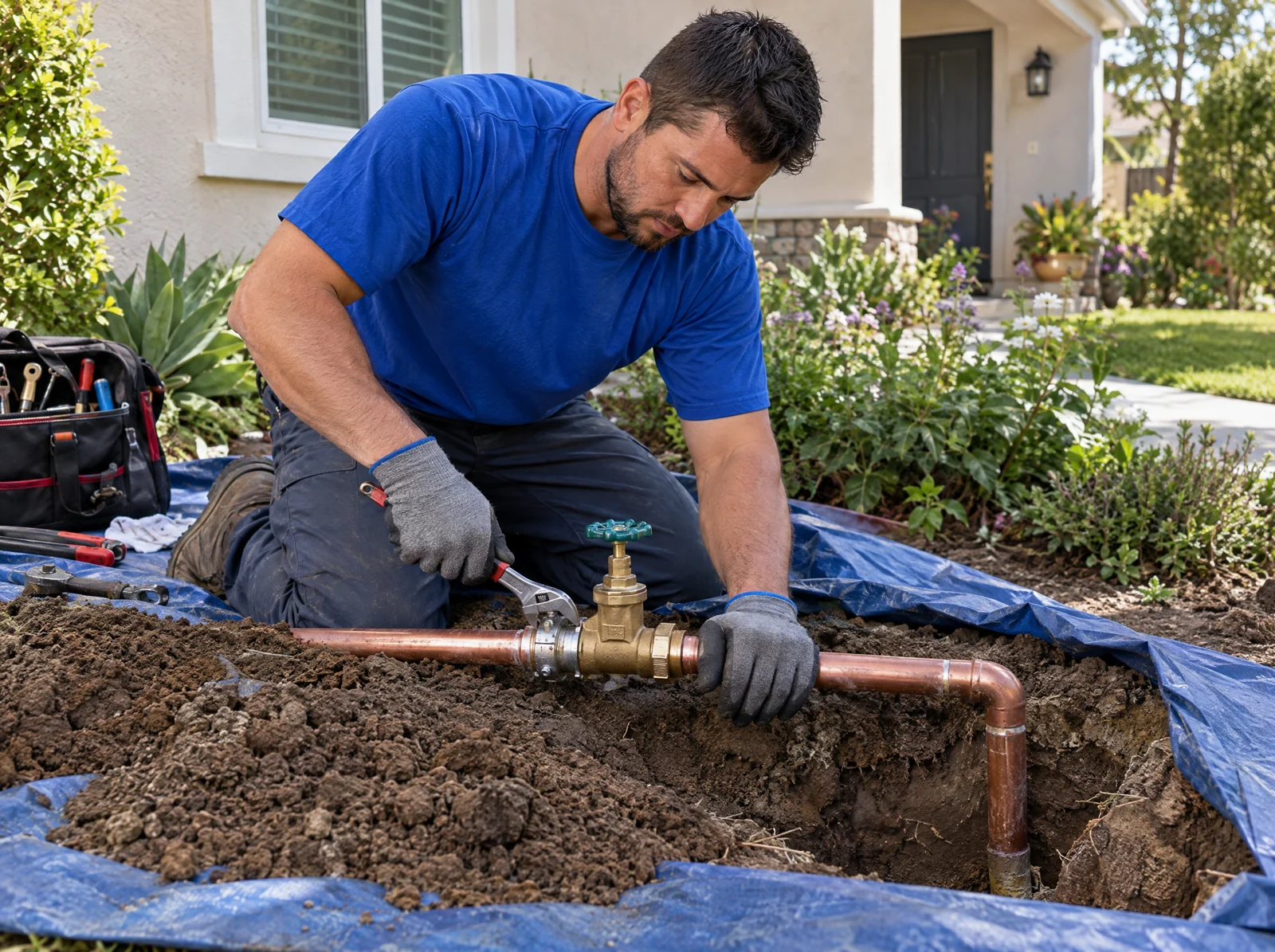
A weak shower does not automatically mean the water main is failing. The first useful question is how widely the change is felt. Observe normal use in a few already-needed fixtures, note when the change began, and avoid making adjustments to unfamiliar supply equipment.
FIELD NOTE
Compare Locations And Temperatures
If only one faucet has weak flow, a local fixture or connection may be involved. If both hot and cold water are weak at several fixtures, a broader supply issue is more plausible. If only hot water is affected, the water heater or hot-water piping deserves attention.
A sudden whole-building change is different from a gradual change over months. Tell the plumber whether the problem is constant or appears during simultaneous use, such as a shower while laundry runs.
FIELD NOTE
Check The Wider Context
Ask nearby neighbors whether their water has changed and check utility notices if available. A neighborhood service issue can resemble a property problem. Note any recent work on the street, property, irrigation system, or indoor plumbing.
Look for obvious water loss without opening walls or digging: wet ground, a new sound of running water, or a meter that changes when all fixtures are idle. Each is a clue, not a diagnosis. Avoid turning unfamiliar valves or pressure controls.
FIELD NOTE
Escalate A Concerning Change
If low flow comes with a wet yard, unexplained meter activity, or water appearing near the foundation, arrange an assessment promptly. If there is no water at all, first check for a known utility interruption, then call for help if the issue appears limited to your property.
Share the affected fixtures, timing, and any meter observation. A professional can distinguish fixture, interior piping, regulator, and buried supply concerns before proposing a main-line repair.
Need Help With
Water Main Services?
If this sounds like the problem you’re having, read about our water main services service or tell us what’s happening.
For urgent help, call (818) 282-5846