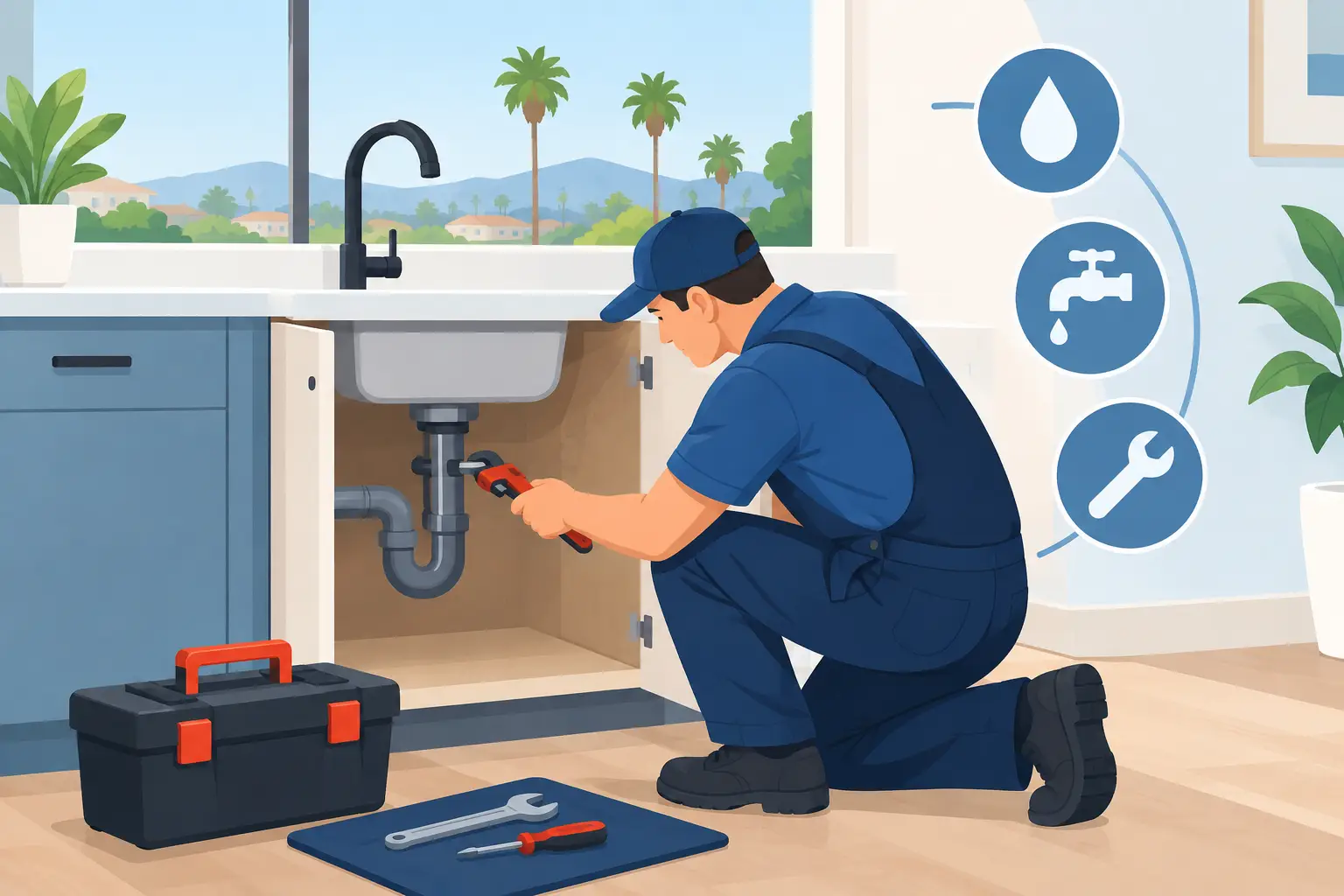
A stain spreading across the ceiling, a toilet that will not stop running, or a kitchen sink that backs up during dinner is not a problem to put off. If your search for “plumber arleta” starts after one of these moments, the priority is simple: limit damage, get a clear diagnosis, and have the repair handled correctly.
Small plumbing issues can become expensive disruptions when water reaches flooring, cabinets, drywall, or electrical areas. A dependable local plumber helps you identify what is urgent, explains the practical repair options, and restores your plumbing with as little interruption as possible.
Signs You Need a Plumber in Arleta Now
Some plumbing problems offer a warning period. Others need prompt professional attention because waiting can lead to water damage, sanitation concerns, or a complete loss of service.
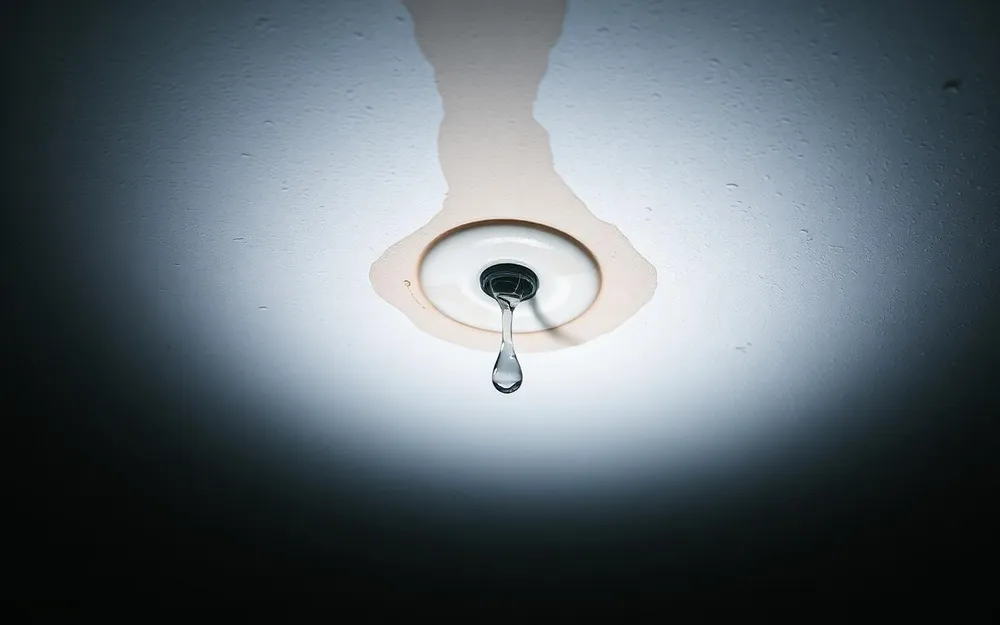
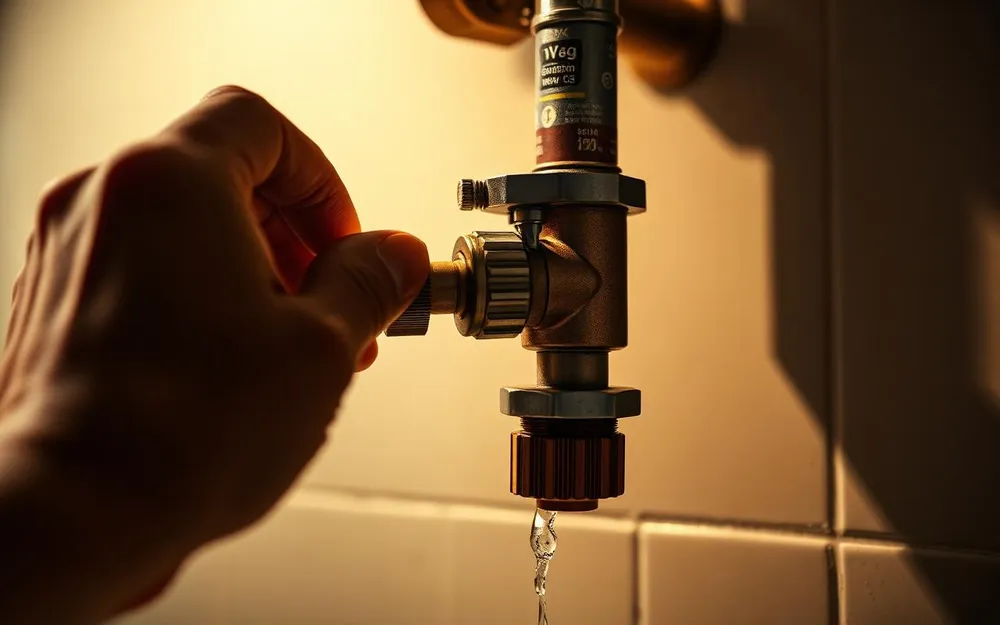
A burst pipe, active ceiling leak, overflowing toilet, or water collecting near a water heater should be treated as urgent. If it is safe to do so, shut off the water supply to the affected fixture. For a major leak you cannot isolate, turn off the main water valve to the property. Move valuables out of the area, avoid standing water near outlets or appliances, and call for service.
A sewer backup is another situation that should not wait. Water coming up through a shower drain, tub, or floor drain can indicate a blockage farther down the line. Do not keep flushing toilets or running sinks in an attempt to clear it. Adding more water can make the backup worse and spread contaminated wastewater into the home or business.
Not every call is an emergency, but recurring trouble deserves attention. A slow drain that keeps returning, inconsistent hot water, low water pressure, or a toilet that runs between uses can waste water and signal a larger issue. Addressing those symptoms early is usually easier than waiting for a failure.
Common Repairs That Need More Than a Quick Fix
Many homeowners try a plunger, clean a visible drain stopper, or tighten a loose connection. Those basic steps can be reasonable for a minor issue. The line between a simple task and a professional repair is whether the problem is isolated, predictable, and fully resolved afterward.
Leaks Behind Walls, Under Slabs, and Beneath Cabinets
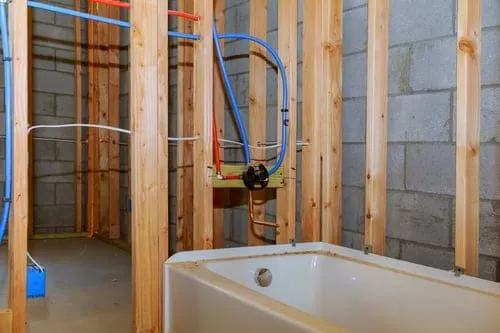
A dripping faucet is easy to notice. Hidden leaks are not. Watch for peeling paint, warped flooring, musty odors, unexplained water bills, warm spots on the floor, or a water meter that continues moving when fixtures are off. These signs can point to a leak in a supply line, drain line, or slab area.
The right repair depends on the source and condition of the piping. Replacing a short damaged section may be enough in one home, while repeated leaks or aging material may make a larger repiping plan more sensible. A plumber should explain the reason for the recommendation, what work is involved, and whether there are practical alternatives.
Drains That Clog Again and Again
Chemical drain cleaners are often marketed as a fast answer, but they can damage certain pipes, create hazards during service, and fail to remove the actual blockage. A repeated clog may come from buildup, grease, hair, a foreign object, root intrusion, or a problem with the drain line itself.
Professional drain service focuses on identifying where the blockage is and clearing the line properly. If the same drain clogs every few weeks, the goal should not be another temporary opening. It should be determining why the problem returns.
Water Heater Trouble
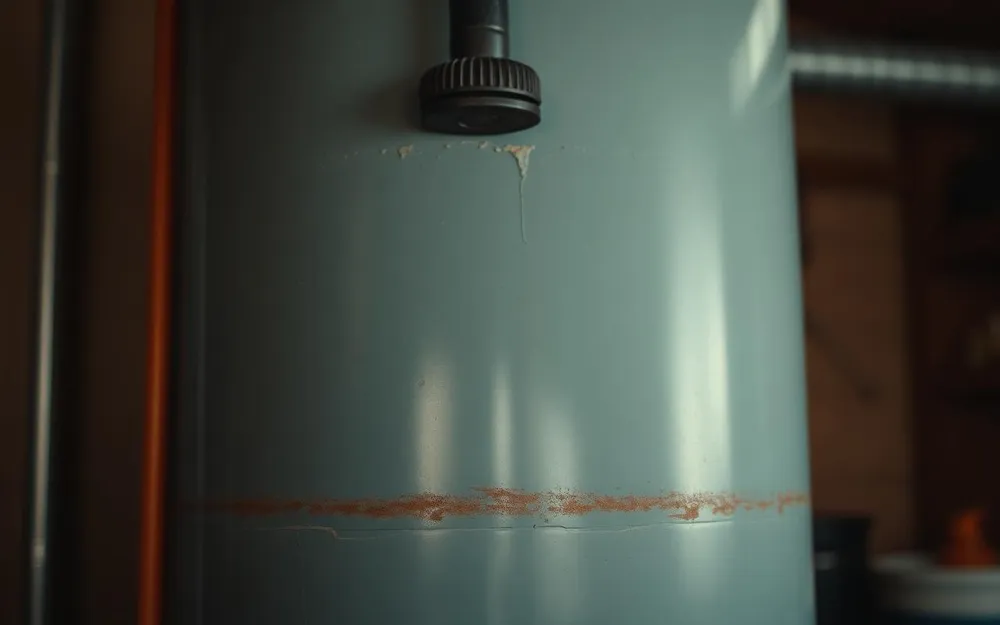
No hot water is disruptive, especially for families, tenants, or small businesses. Warning signs include rusty water, rumbling noises, a leaking tank, fluctuating temperatures, or water that takes much longer than usual to heat.
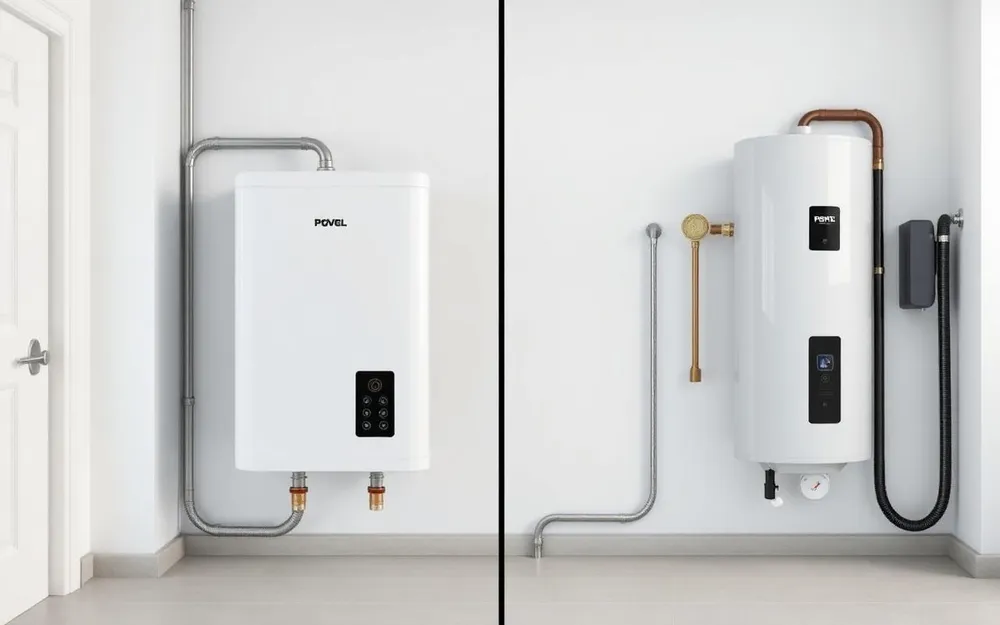
Sometimes a component repair can restore reliable service. In other cases, the unit may be near the end of its useful life and replacement is the more practical choice. Tank size, household demand, fuel type, available space, and the condition of existing connections all affect that decision. A good recommendation accounts for your actual needs instead of pushing equipment that is larger or more complicated than necessary.
What to Do Before the Plumber Arrives
A few simple actions can make service faster and help protect the property. First, contain the issue if you can do so safely. Shut off water to a leaking toilet, sink, or appliance, and use towels or a bucket to keep water from spreading. Do not take apart valves, supply lines, or drain pipes if you are unsure how they are connected.
Clear access to the affected area. Remove items from under the sink, open the cabinet or utility closet, and make sure pets are secured. If the issue is intermittent, take a photo or short video of the leak, backup, or error message before it stops. That information can help with diagnosis.
For landlords and property managers, clear communication matters. Ask the occupant when the issue began, which fixtures are affected, whether there is visible water damage, and whether the water supply has been shut off. Providing those details when scheduling service helps the plumber arrive prepared for the likely scope of work.
Choosing a Plumber Arleta Property Owners Can Trust
The cheapest quote is not always the least expensive repair. A rushed patch that fails, a missed underlying issue, or poor cleanup after a leak can cost more than a thorough first visit. Look for a plumber who listens to the symptoms, inspects the affected system, and communicates in plain language.
You should understand what caused the problem, what repair is recommended, and what could happen if the repair is delayed. For larger work, it is reasonable to ask whether a targeted repair will solve the issue or whether replacement is the better long-term value. There is no single answer for every property. The age of the plumbing, prior repairs, water use, and extent of damage all matter.
Professional workmanship also includes respecting the home or occupied unit. That means arriving prepared, keeping the work area orderly, testing the repair, and making sure fixtures operate as they should before the job is complete. Plumbing service should reduce stress, not create another problem to manage.
Preventing the Next Plumbing Disruption
Routine attention can prevent many service calls, although it cannot stop every surprise leak or blockage. Avoid putting grease, wipes, paper towels, or food scraps down drains. Use drain screens where hair buildup is common, and address slow drains before they become complete blockages.
Check under sinks, around toilets, and near the water heater periodically for moisture or corrosion. Know where your main water shutoff valve is located and make sure responsible adults in the household can operate it. If you manage rental property, give tenants clear instructions for reporting leaks quickly. A small drip reported early is far easier to repair than a cabinet base or ceiling damaged over several days.
For homes with older plumbing or a history of drain trouble, scheduled maintenance can help identify concerns before they interrupt daily life. The value is not in performing work that is unnecessary. It is in catching developing problems while repair options are simpler and damage is limited.
When plumbing trouble affects your home, rental, or small commercial property, do not settle for guesswork. Best Quality Plumbing Services provides straightforward service, clear communication, and repairs focused on getting your system working reliably again.