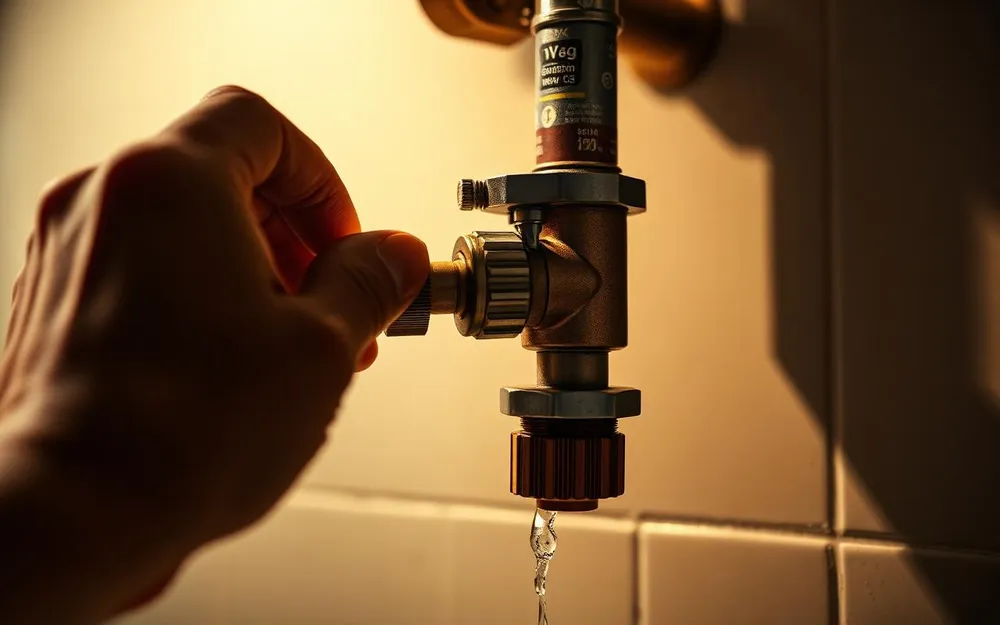
A small leak under the sink is frustrating. A second leak behind a wall, rusty water at the tap, and weakening water pressure are different problems entirely. Homeowners often ask, “when is repiping necessary?” because it can be hard to tell whether they need one targeted repair or whether the plumbing system is starting to fail as a whole.
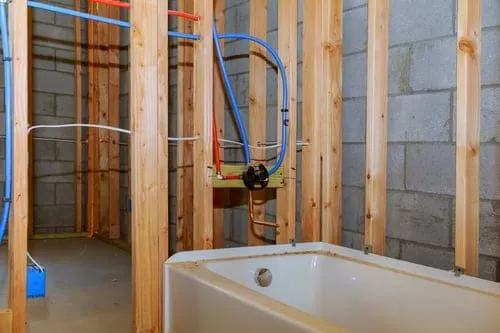
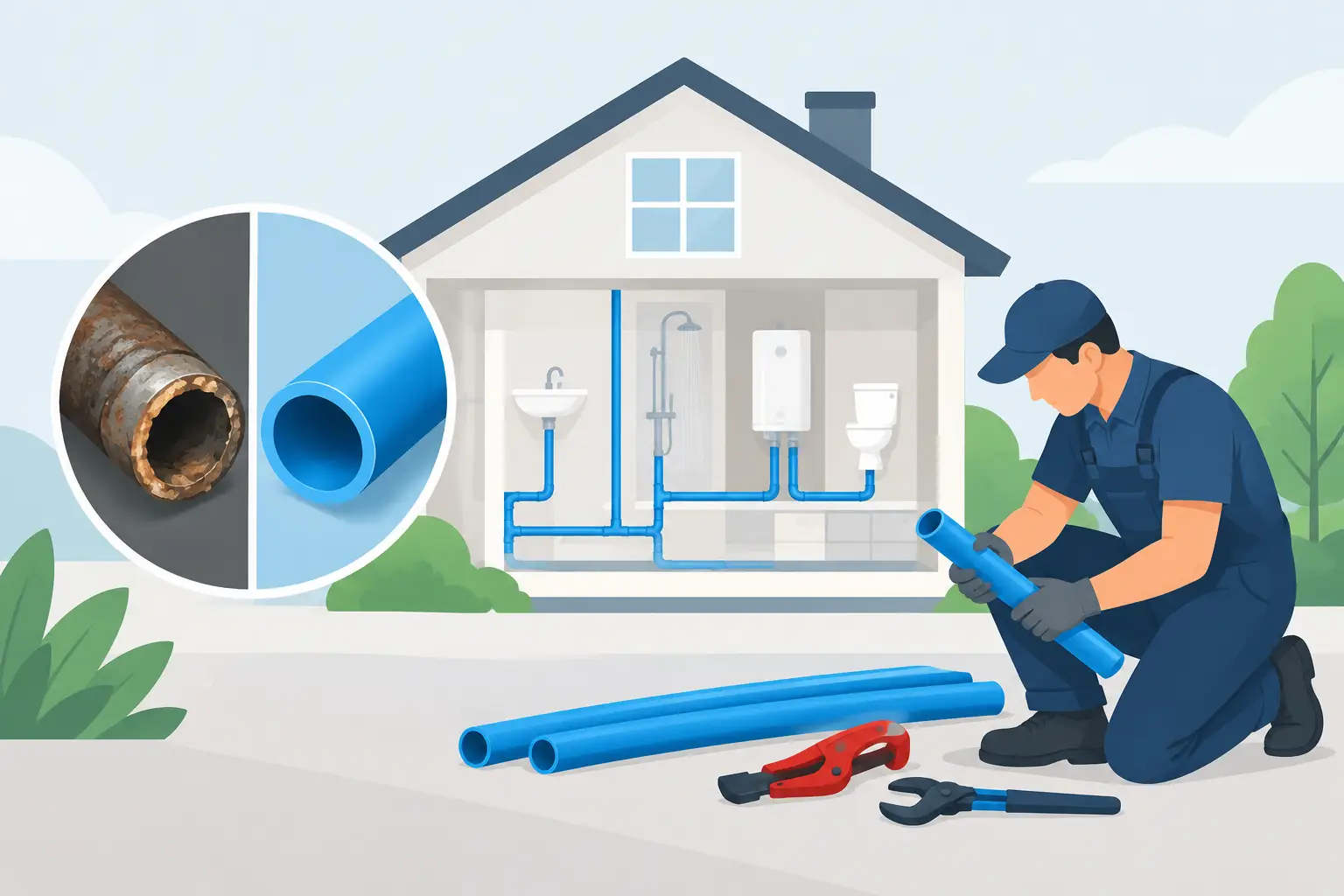
Repiping means replacing some or all of a building’s water supply lines. It is a significant project, but it can stop recurring leaks, protect walls and floors from water damage, and restore dependable water flow. The right answer depends on the age and material of your pipes, the type and frequency of problems, and what a professional inspection finds.
When Is Repiping Necessary Instead of Another Repair?
A repair makes sense when the problem is isolated. For example, a newer home with one damaged fitting or a pipe punctured during a remodel may only need a localized repair. Replacing sound pipe throughout the property would add cost and disruption without solving an ongoing system-wide issue.
Repiping becomes the practical choice when repairs are no longer addressing the real cause. If pipe failures keep appearing in different places, the material may be corroded, worn thin, or nearing the end of its useful life. Fixing one section at a time can turn into a cycle of service calls, patching, wall repairs, and water damage cleanup.
The goal is not to replace pipes simply because they are old. The goal is to make a clear decision based on condition, risk, and the likely cost of continued repairs.
Signs Your Water Lines May Be Failing
Some plumbing warning signs are easy to overlook because they develop slowly. Others demand immediate attention. If you are seeing several of the following issues, schedule a plumbing inspection rather than waiting for a major leak.
- Recurring leaks in separate areas. A leak repaired in the same location may be a one-time failure. Leaks in bathrooms, kitchens, laundry areas, or ceilings at different times often point to aging supply lines.
- Discolored water. Brown, yellow, or reddish water can indicate internal corrosion or sediment in older metal pipes. If discoloration only appears when hot water runs, the water heater may be involved, but the pipes still need to be checked.
- Low or inconsistent water pressure. Mineral scale and corrosion can narrow the inside of older pipes. Water may seem acceptable at one fixture but weak when more than one faucet, shower, or appliance is running.
- Water that tastes or smells unusual. Water quality can be affected by several sources, so this does not automatically mean you need new pipes. It does mean the cause should be identified promptly.
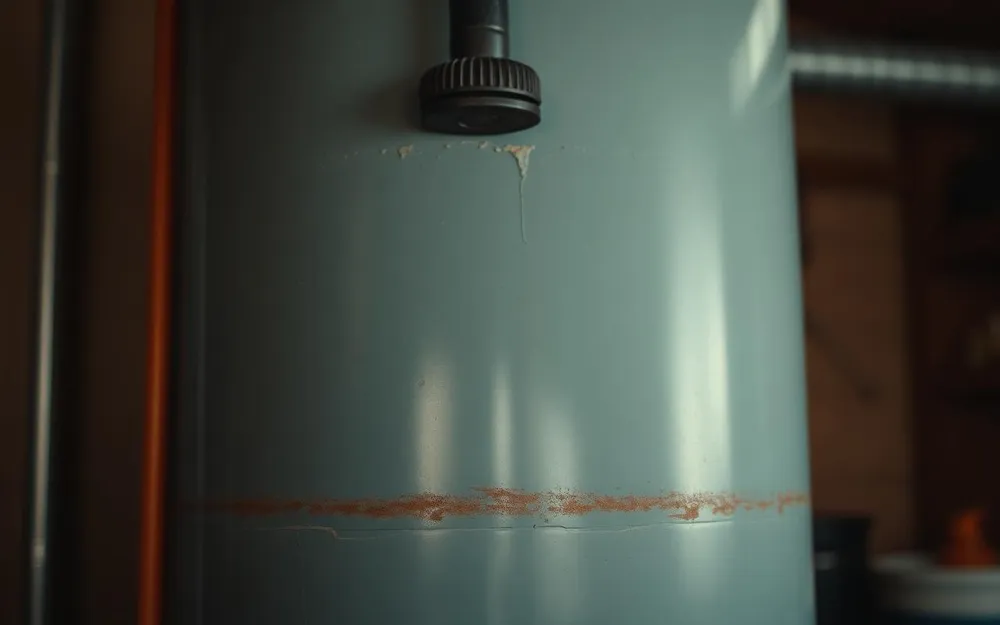
- Visible corrosion or staining. Greenish buildup on copper, rust around exposed galvanized pipe, or persistent stains near pipe joints can signal deterioration before a pipe opens up.
- Unexpectedly high water bills. A hidden leak can waste a surprising amount of water. If usage has not changed but the bill has, a leak detection inspection is a smart first step.
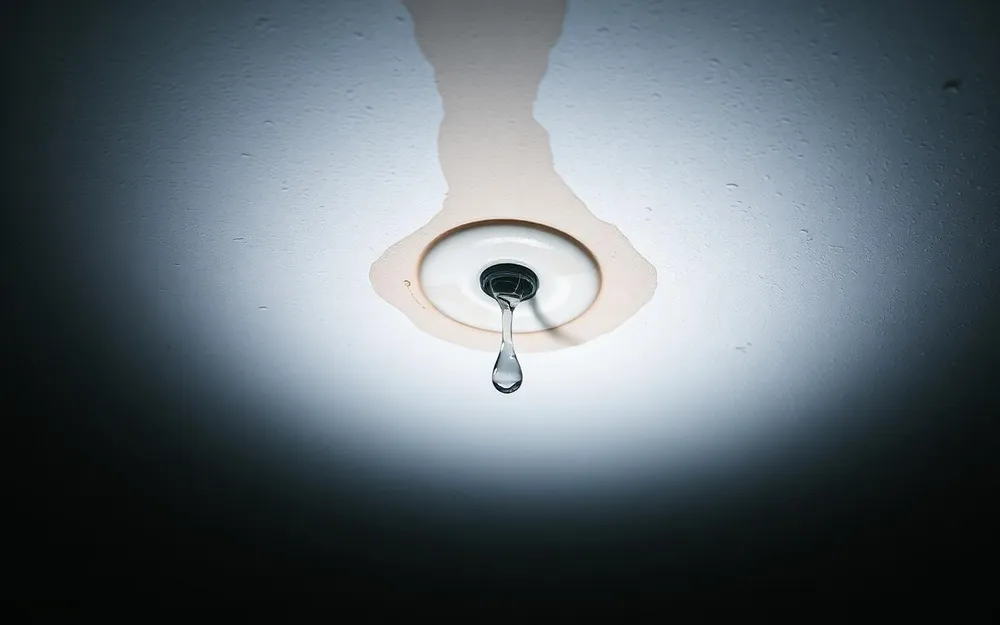
Water spots on ceilings, bubbling paint, warped flooring, or a musty odor should be treated as urgent warning signs. Those symptoms can mean water has already reached building materials, even if the active leak is not visible.
Pipe Material and Home Age Matter
The age of a property offers useful context, but pipe material matters more than the date on the home’s deed. Different piping systems have different strengths, risks, and expected service lives.
Galvanized steel pipes are common in many older homes. Over time, they can corrode from the inside, restricting flow and causing rusty water. A galvanized system with frequent leaks or poor pressure is often a strong candidate for replacement rather than ongoing spot repairs.
Older copper pipes can last for decades, but they are not immune to trouble. Water chemistry, installation quality, pinhole leaks, and corrosion can shorten their lifespan. If pinhole leaks are showing up repeatedly, replacing the affected system may be more reliable than chasing the next weak section.
Polybutylene pipes, used in some homes from the late 1970s through the mid-1990s, have a history of failure concerns. Even if they are not leaking today, a licensed plumber can assess their condition and explain whether proactive replacement is appropriate.
Modern PEX and copper are widely used replacement materials. The best fit depends on the home’s layout, local code requirements, water conditions, access needs, and budget. A trustworthy plumber should explain the material recommendation in plain language, including where pipe access and wall restoration may affect the project.
Why Waiting Can Cost More
A repipe is not a decision most property owners want to make quickly. It may involve opening limited areas of drywall, moving furniture, coordinating access in rental units, and planning for a short interruption to water service. Those are real considerations.
Still, waiting too long can create a more expensive problem. A supply line that fails behind a wall or under a slab can damage insulation, drywall, flooring, cabinets, and personal belongings. In a rental property, it can also disrupt tenants and lead to avoidable vacancy or repair costs.
There is also a practical difference between planning a repipe and responding to a burst pipe. A planned project gives you time to compare options, prepare the space, schedule around work or tenants, and protect the rest of the home. Emergency work rarely offers that flexibility.
What a Professional Repiping Assessment Should Include
A good assessment is more than a quick look at one leaking pipe. The plumber should ask about the property’s repair history, water pressure changes, water discoloration, and prior water damage. They should inspect accessible lines and connections, identify the pipe material where possible, and look for evidence of corrosion or active leaks.
Depending on the problem, testing may include checking pressure, tracing a suspected hidden leak, or evaluating whether the issue is limited to hot water, cold water, a single fixture, or the entire supply system. This matters because low pressure can also come from a pressure regulator, a clogged fixture, or a valve that is not fully open. Those problems do not automatically require repiping.
You should receive a clear explanation of the options. In some cases, replacing only a branch line is reasonable. In others, a whole-home repipe is the more dependable long-term repair. Ask what areas will need access, how water service will be managed during the work, what wall or ceiling repairs are included, and whether permits are required.
Repiping for Rentals and Small Commercial Properties
Landlords and property managers have an added responsibility: a recurring plumbing issue affects more than the building. It affects tenants, schedules, and confidence in the property’s maintenance. Repeated leak calls in multiple units or high-turnover areas should be evaluated as a system issue, not handled as unrelated repairs.
Small commercial properties face similar concerns. Water interruptions can affect employees, customers, and daily operations. A planned repiping project may require coordination, but it is often less disruptive than repeated emergency closures or water damage restoration.
For homes and properties in Sylmar, San Fernando Valley communities, and nearby areas, local experience also helps. A plumber familiar with older housing stock can recognize common pipe materials and explain the practical repair path without overselling work that is not needed.
Make the Decision Before the Next Leak Makes It for You
If your pipes are leaking repeatedly, producing rusty water, or delivering weaker pressure than they used to, do not assume another patch will solve the problem. A professional inspection can separate a straightforward repair from a system that is becoming unreliable.
Best Quality Plumbing Services approaches repiping decisions with the same standard used for every repair: identify the real problem, explain the options clearly, and recommend work that protects your property. A timely assessment can give you a workable plan before a hidden pipe failure turns into a much larger repair.