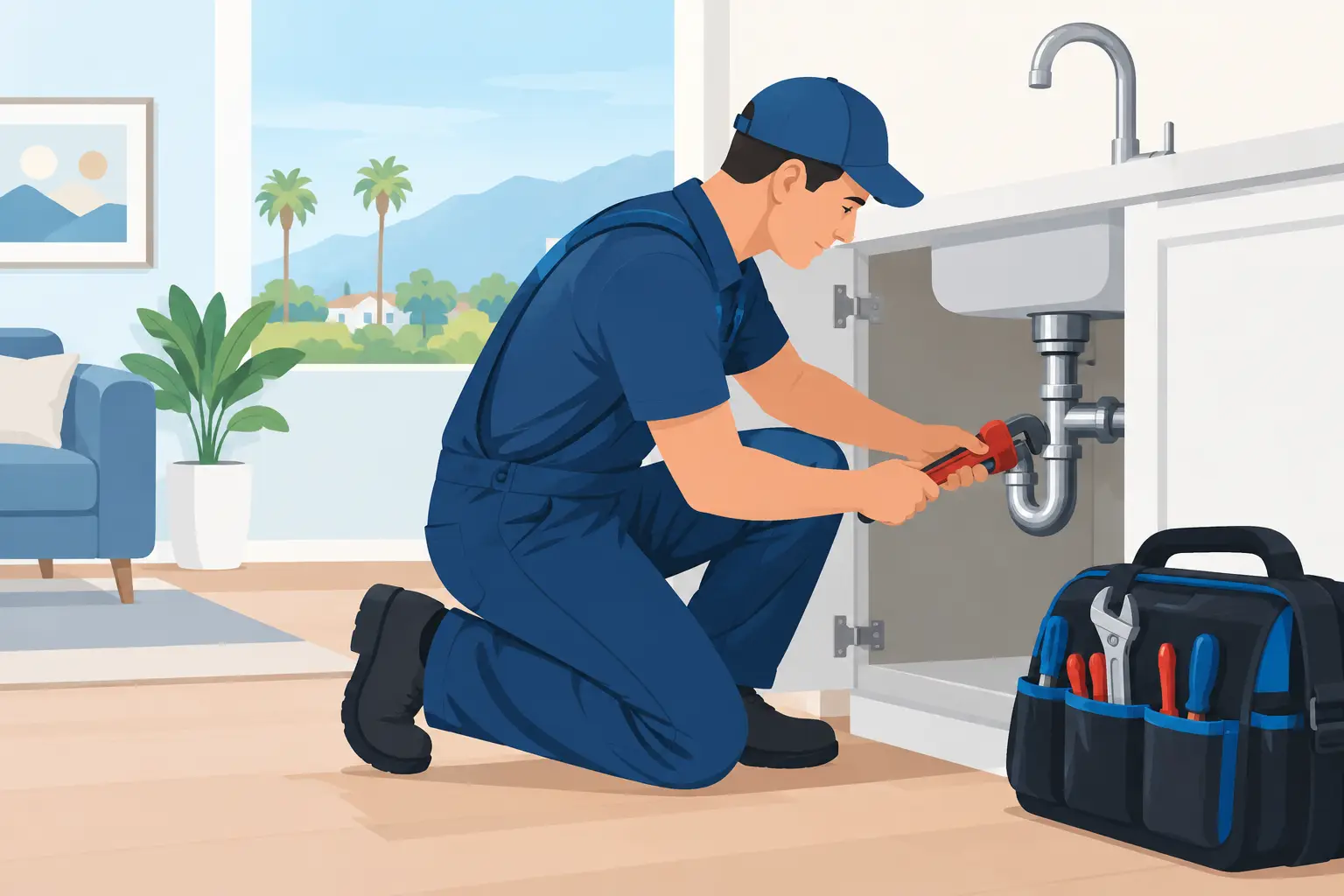
A plumbing problem rarely stays small for long. A slow leak can damage cabinets and flooring, a clogged drain can stop a household routine, and a failed water heater can leave everyone without hot water. When you need a plumber San Fernando homeowners can rely on, the goal is simple: find the cause, explain the repair clearly, and get your plumbing working properly again.
The right response depends on what is happening, how quickly it is getting worse, and whether water is actively causing damage. Some issues can wait for a scheduled appointment. Others need immediate attention to protect your home, tenants, belongings, and water supply.
When to Call a Plumber San Fernando Residents Trust
A dripping faucet is frustrating, but it is not always an emergency. Water pouring from a pipe, backing up into a tub, or spreading across a floor is different. If you are unsure whether to wait, consider the risk of damage and whether you can safely stop the water at its source.
Call for professional plumbing service promptly when you notice any of the following:
- A burst, cracked, or visibly leaking pipe
- Water pooling under a sink, around a toilet, or near a water heater
- Sewage backing up through a drain, toilet, shower, or tub
- A toilet that overflows and will not stop running or refilling
- No water pressure throughout the property, or no water at all
- A water heater leak, strange noises, rusty hot water, or no hot water
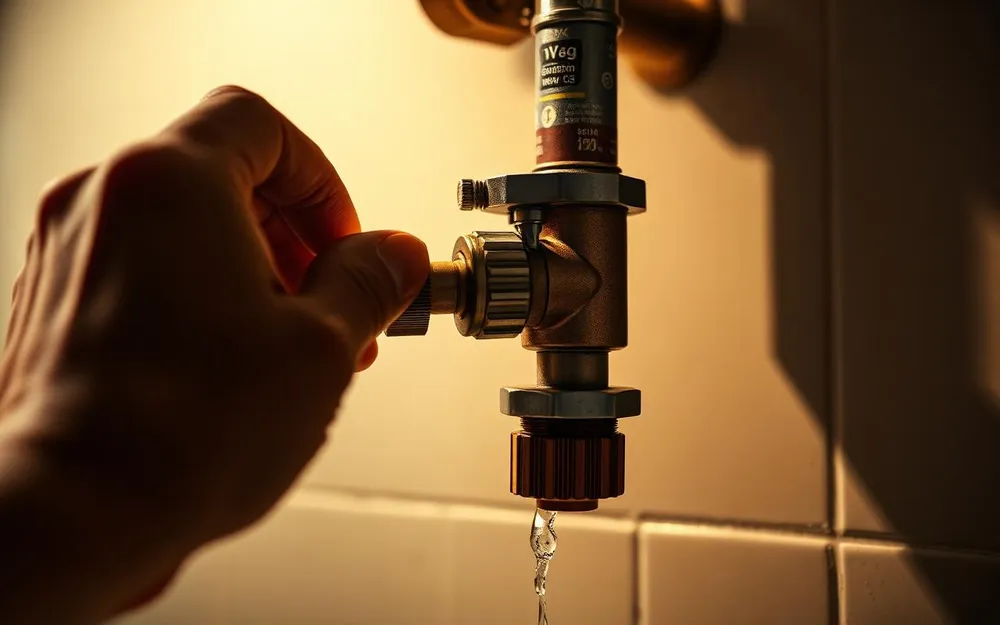
Turning off the nearest fixture valve or the home's main water shutoff can limit further damage while help is on the way. Do not keep using affected fixtures to test whether the problem has cleared. That can turn a manageable repair into water damage, a larger backup, or a sanitation concern.
Leaks Need More Than a Quick Patch
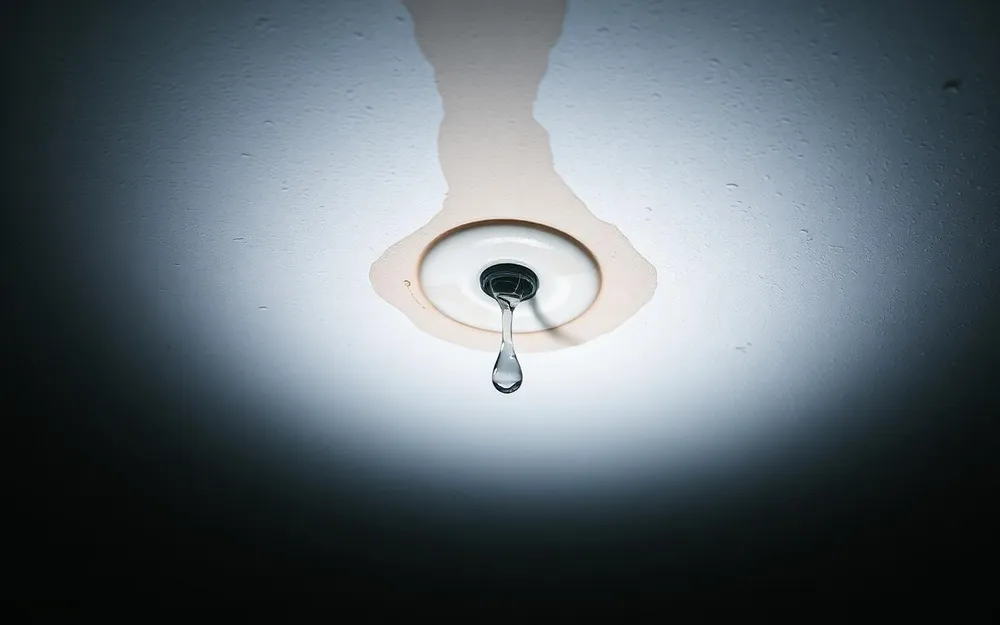
Many household leaks stay hidden at first. You may see a stain on the ceiling, warped flooring near a bathroom, a musty smell under the kitchen sink, or a water bill that rises without explanation. These are not problems to ignore just because there is no obvious puddle.
A professional diagnosis looks beyond the visible symptom. Water can travel along pipes, framing, and walls before it appears somewhere else. The leak may come from a supply line, drain connection, worn fixture seal, toilet wax ring, aging pipe, or appliance connection. Repairing the wrong area may temporarily hide the issue while moisture continues damaging the structure.
Small repairs are often less disruptive and less expensive than waiting for a pipe or fitting to fail completely. For landlords and property managers, responding early also helps prevent tenant complaints, mold concerns, and avoidable restoration work.
Drain Clogs: Know When DIY Stops Making Sense
A single slow sink may be caused by soap buildup, hair, food debris, or residue in the trap. Basic cleaning and careful use of a plunger may help in some cases. But repeated clogs usually point to a deeper restriction that needs professional attention.
Avoid relying on harsh chemical drain cleaners. They can damage some pipes and seals, create fumes, and make the area less safe for the person who eventually services the drain. They also rarely remove the full cause of a serious blockage.
Call a plumber when multiple drains are slow, water backs up in one fixture when another is used, or a toilet gurgles after a shower or laundry cycle. Those signs can indicate a problem farther down the drain line. A qualified plumber can identify whether the issue is a localized clog, a damaged line, root intrusion, buildup, or a venting concern.
The trade-off is straightforward: a simple sink clog may be resolved quickly, while a recurring or whole-home drainage issue requires a more thorough inspection. The important part is not treating repeated backups as normal.
Water Heater Problems Should Be Taken Seriously
Hot water affects daily life quickly. When the water heater stops working, homeowners and tenants want it fixed without guesswork. A lack of hot water can result from several issues, including a failed heating component, pilot or ignition trouble, thermostat problems, sediment buildup, or an undersized unit struggling to meet demand.
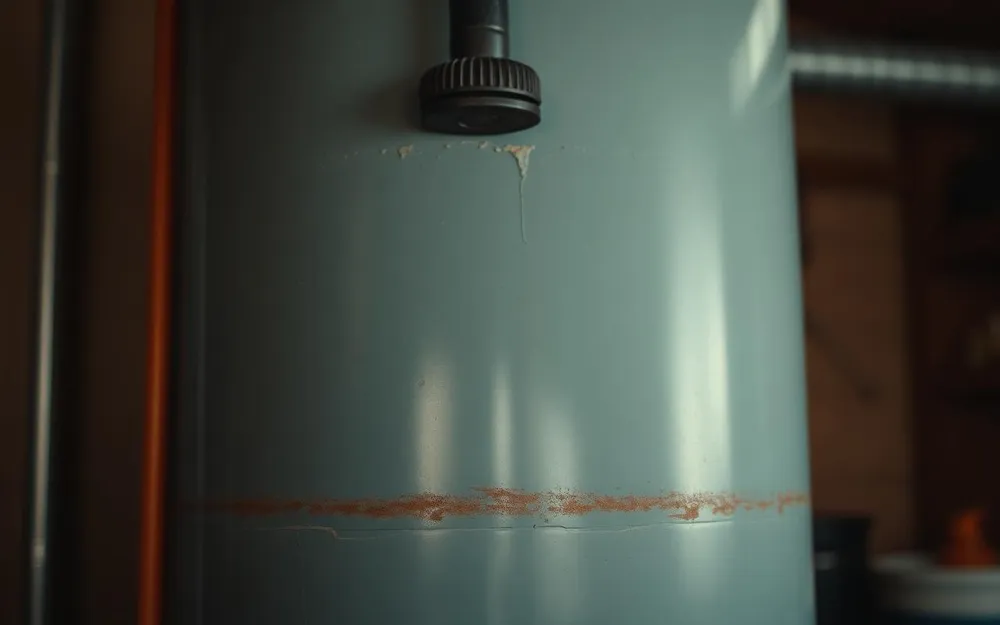
Leaks around a water heater deserve prompt attention, even if they appear minor. Water near the tank may come from a fitting, relief valve, drain valve, or the tank itself. If the tank is corroded or failing, replacement may be the safer long-term choice.
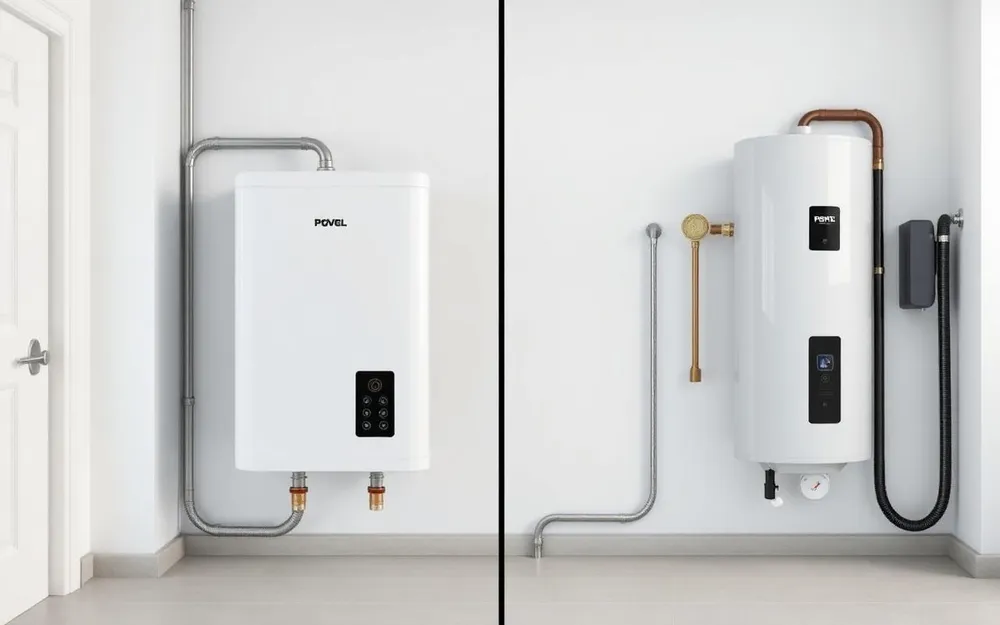
Age matters, but it is not the only factor. An older unit can sometimes be repaired if the issue is isolated and the system is otherwise in good condition. If repairs are becoming frequent, energy use is high, or the tank shows corrosion, replacement may offer better value. A dependable plumber should explain both options plainly rather than pushing a one-size-fits-all answer.
Toilets, Faucets, and Fixtures Affect More Than Convenience
A running toilet can waste a surprising amount of water. A loose faucet, leaking shower valve, or damaged supply line can slowly harm the cabinet, wall, or flooring around it. These fixture problems may seem less urgent than a burst pipe, but they can raise utility costs and lead to bigger repairs when neglected.
Common warning signs include a toilet that constantly refills, a faucet that drips after being turned off, weak flow from one fixture, water around the toilet base, or a shower that is difficult to control. Some parts are inexpensive, but correct installation matters. A poorly fitted seal or connection can create a new leak behind a finished wall or under a floor.
For a rental property, prompt fixture service helps keep the home functional and reduces disruption for tenants. For homeowners, it protects the spaces that are expensive to repair and difficult to live without.
What Good Plumbing Service Looks Like
Plumbing work should not leave you wondering what was done or whether the problem will return next week. A reliable service visit starts with listening to the symptoms, inspecting the affected area, and identifying the likely cause before recommending work.
You should receive a clear explanation of the repair and any options that make sense for your property. Sometimes the right answer is a targeted repair. Other times, worn parts, aging pipes, or recurring backups make replacement the smarter decision. The difference comes down to the condition of the system, the risk of future failure, and your budget.
Clean workmanship also matters. Plumbing repairs often happen in kitchens, bathrooms, utility rooms, and occupied rental units. A professional should respect the property, protect the work area when possible, test the repair, and leave the fixture or system operating as it should.
A Simple Way to Prepare Before Service Arrives
A few details can help the repair move faster. Take note of when the problem started, which fixtures are affected, and whether the issue happens continuously or only during use. If there is a leak, identify whether it stops when a nearby shutoff valve is closed.
Clear small items from under sinks or around the water heater if it is safe to do so. Keep children and pets away from standing water, damaged pipes, or sewage backups. If you smell gas near a water heater or other appliance, leave the area and contact the appropriate emergency utility service before scheduling plumbing work.
For larger leaks, know where the main water shutoff is located before an emergency occurs. This one step can protect your property while you wait for a professional.
Dependable Local Help When Plumbing Cannot Wait
Homes and small commercial properties in San Fernando need plumbing systems that work every day without creating avoidable stress. Best Quality Plumbing Services focuses on practical repairs, clear communication, and workmanship that addresses the real issue instead of covering it up.
Whether you are dealing with a persistent leak, a backed-up drain, a failing water heater, or a fixture that will not work correctly, getting help early can protect your property and restore normal routines. When water is where it should not be, or a plumbing problem keeps coming back, it is time to have it checked and fixed the right way.