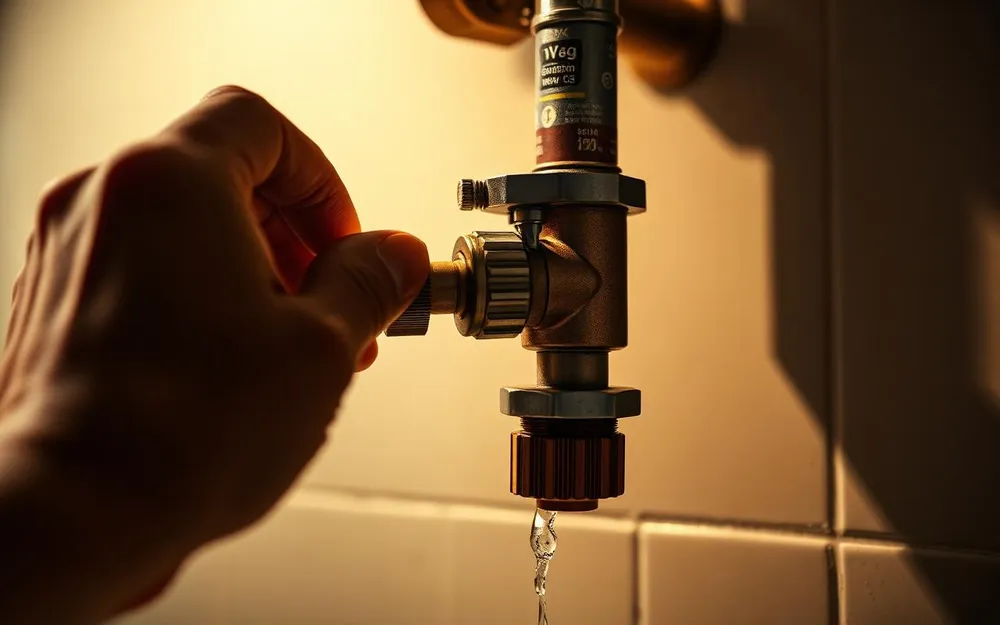
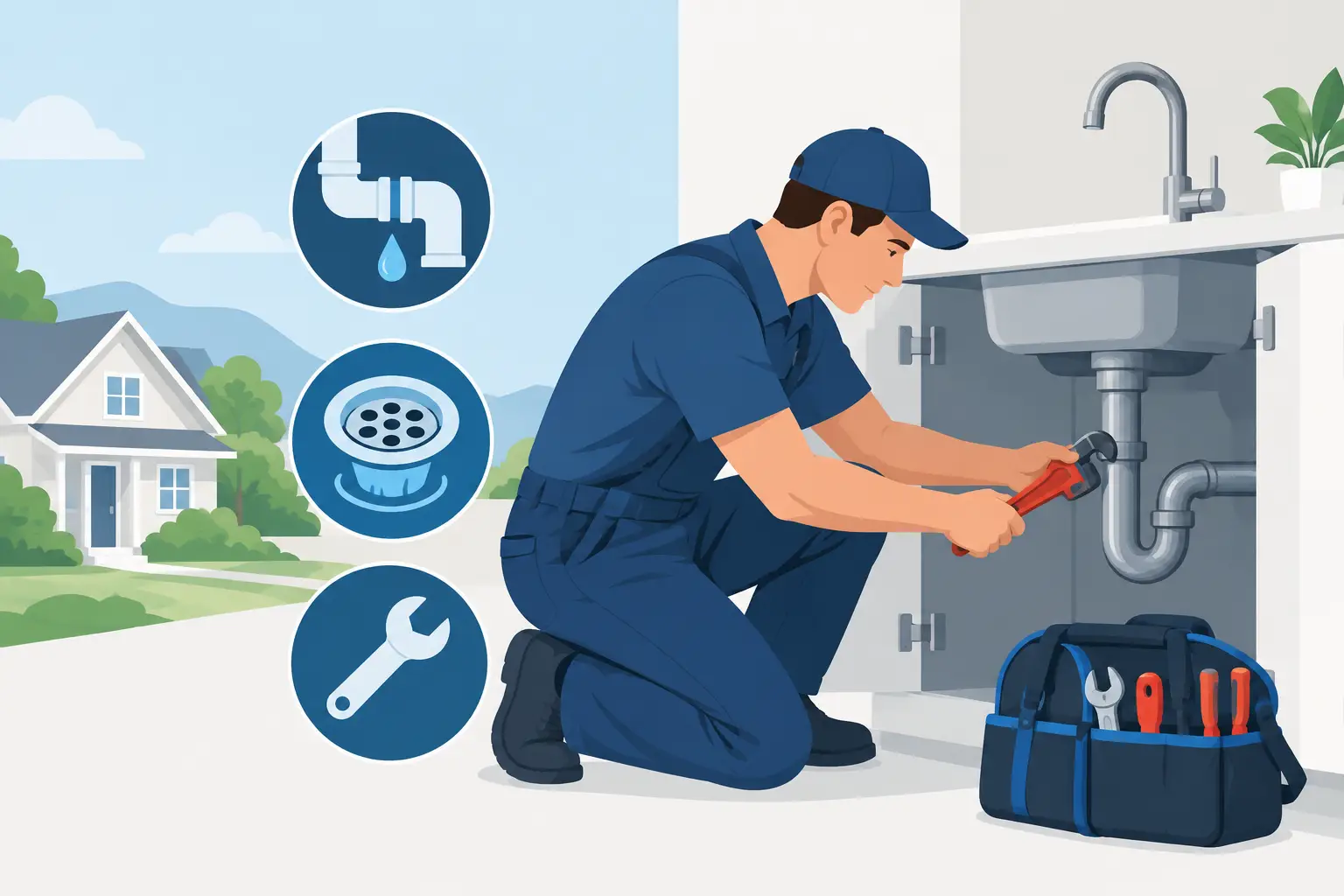
A dripping pipe under the sink can look minor until it stains the cabinet, warps flooring, or creates the conditions for mold. When you need a plumber Northridge residents can depend on, the goal is simple: find the real cause, explain the repair clearly, and get your plumbing working properly without adding stress to your day.
Homes and small commercial properties rely on plumbing every hour. A slow drain, weak water pressure, running toilet, leaking water heater, or failed fixture can quickly interrupt routines and cause expensive damage if it is ignored. The right service call is not about complicated sales talk. It is about accurate diagnosis, quality workmanship, and a repair that makes sense for the property.
When to Call a Plumber in Northridge
Some plumbing problems are obvious emergencies. Water spreading across a floor, a burst supply line, sewage backing up through a drain, or a toilet that will not stop overflowing needs immediate attention. Shut off the closest water valve if it is safe to do so. If you cannot isolate the fixture, turn off the main water supply and arrange for professional help.
Other issues can wait a short time, but they should not be pushed down the list for weeks. A faucet that drips overnight wastes water. A toilet that runs after every flush can raise utility costs. A drain that needs frequent plunging may be warning you about buildup or a partial blockage farther down the line.
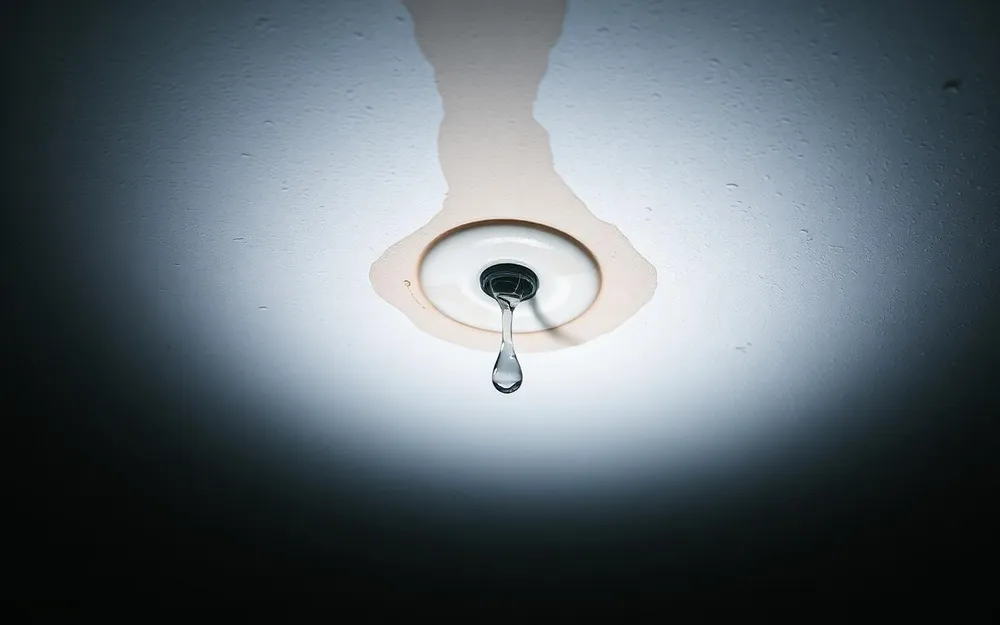
Call for service when you notice water where it does not belong, new stains on walls or ceilings, unpleasant drain odors, gurgling fixtures, repeated clogs, or a sudden drop in water pressure. These signs do not always mean a major repair is ahead, but they do deserve a proper inspection. Catching a small issue early is often less disruptive than waiting for it to become an urgent one.
Common Plumbing Repairs That Need a Clear Diagnosis
A dependable plumber should look beyond the symptom. For example, a clogged kitchen sink may be caused by grease buildup in the drain, a blockage farther along the pipe, or an issue with an older drain line. Clearing the immediate clog may restore flow, but determining why it happened helps prevent another backup next month.
Leaks in Fixtures, Pipes, and Supply Lines
Leaks come in many forms. A worn washer can cause a faucet drip, while a failing connection beneath a sink can release water slowly enough to go unnoticed. Hidden leaks are especially concerning because the water may travel behind walls, beneath cabinets, or into ceilings before anyone sees the evidence.
A professional repair should identify the source rather than simply dry the area and hope for the best. Depending on the condition of the plumbing, the practical solution may be a small part replacement, a connection repair, or replacement of a damaged section of pipe. The right choice depends on access, pipe material, age, and the extent of corrosion or wear.
Drain Cleaning and Recurring Clogs
A plunger can help with a simple surface clog. It is not a long-term answer for a drain that blocks repeatedly. Chemical drain cleaners can also create problems, particularly in older plumbing. They may not remove the full blockage, and harsh products can damage some pipes or create hazards during later service.
Professional drain troubleshooting focuses on the reason water is not moving. Bathroom drains commonly collect hair and soap residue. Kitchen lines often accumulate grease and food particles. Main-line issues can affect more than one fixture at once, which is a sign to take the problem seriously.
Toilets That Run, Leak, or Rock
A running toilet may seem like an inconvenience, but it can waste a significant amount of water over time. Internal components wear out, seals fail, and fill valves can stop working correctly. Water around the base of the toilet is another issue that should not be delayed, especially if it appears after flushing.
A toilet that rocks or shifts is not normal. It can compromise the seal at the base and lead to damage below the flooring. A qualified plumber can assess whether the issue is limited to the fixture installation or whether there is a larger concern with the flange, seal, or surrounding floor.
Water Heater Concerns
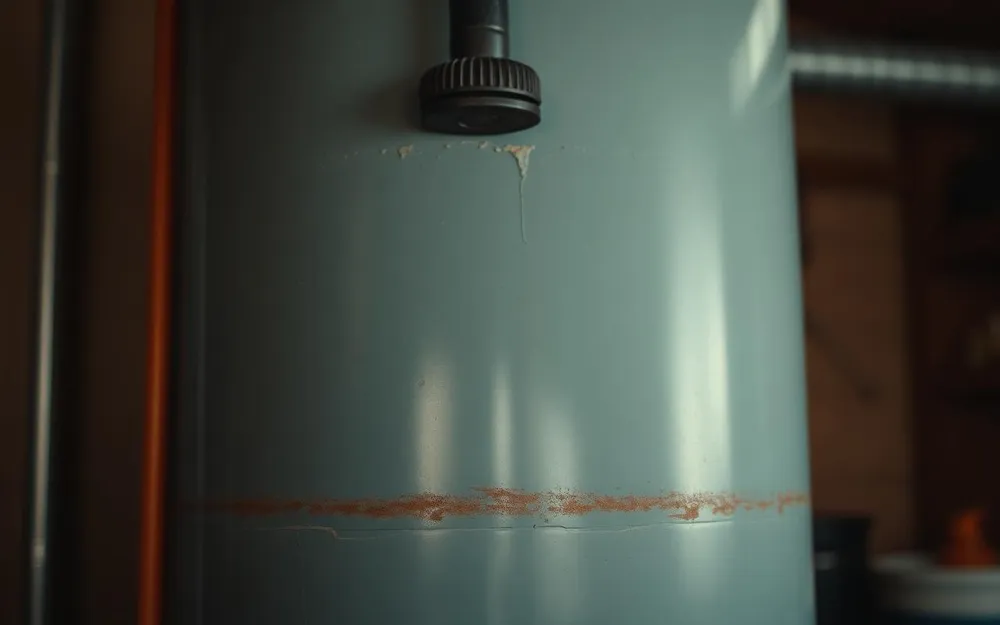
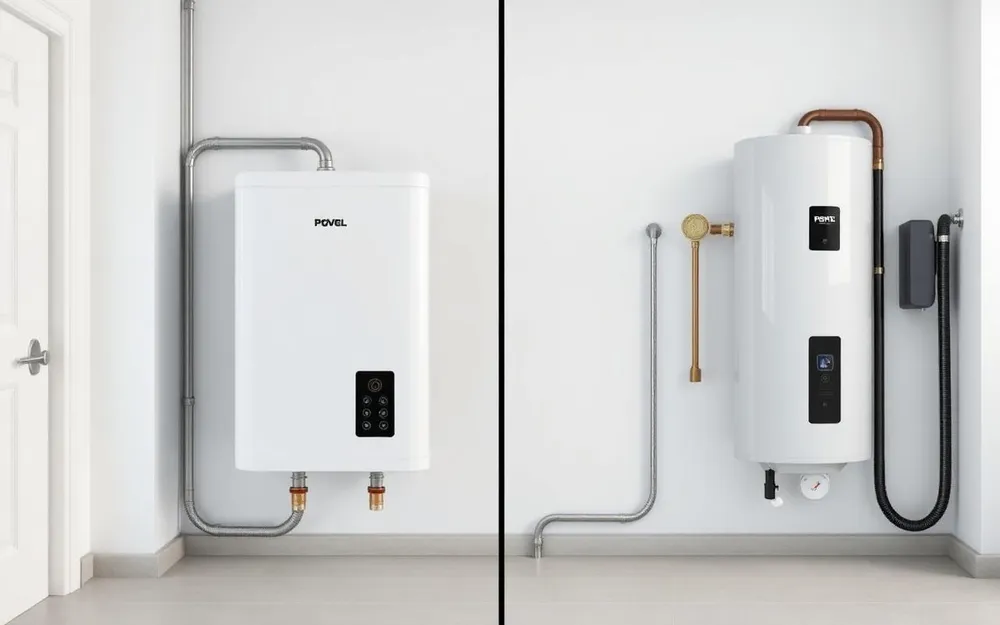
No hot water, rusty-looking water, unusual noises, or moisture around a water heater are all reasons to schedule service. Water heater repairs and replacements should be based on the unit's condition, its age, the type of problem, and whether repair costs still make practical sense.
Sometimes a repair is the responsible choice. In other cases, repeated breakdowns or a leaking tank make replacement the safer investment. A straightforward explanation helps property owners make that decision with confidence.
What Quality Plumbing Service Should Look Like
A plumbing visit should leave you with more than a temporarily working fixture. You should know what caused the issue, what was repaired, and what to watch for afterward. Clear communication matters, especially for landlords coordinating access, renters reporting a concern, or homeowners managing an unexpected repair around work and family schedules.
Good workmanship also means respecting the property. Plumbing repairs can require work under sinks, behind appliances, in utility areas, or around bathrooms and kitchens. Clean work areas, careful handling of fixtures, and a professional approach make a real difference.
At Best Quality Plumbing Services, the focus is on practical repairs and honest recommendations for homes and small commercial properties. Not every situation requires the most extensive option. But when a repair will not address the underlying issue, customers deserve to hear that clearly before more damage develops.
Before Your Plumber Arrives
A few simple steps can help the visit go more smoothly. Move items away from the affected cabinet, fixture, or utility area if possible. If there is a leak, place a container beneath it and avoid using that fixture until it can be inspected. For drain backups, do not keep running water in an attempt to force the clog through.
It also helps to notice the details. Did the problem begin suddenly or develop over time? Does it affect one fixture or several? Does a drain gurgle when another fixture is used? These observations can help narrow down the cause and reduce time spent diagnosing the problem.
Do not take apart pipes or valves if you are unsure what you are doing. A minor leak can become a larger one quickly when a connection is disturbed. Turning off the water and waiting for professional service is often the safer call.
How to Reduce Future Plumbing Problems
No plumbing system is completely maintenance-free, but daily habits can prevent many avoidable calls. Keep grease, coffee grounds, food scraps, and wipes out of drains. Use sink strainers where they make sense, and clear hair from shower drains before it builds up. Only toilet paper should be flushed, even if a product is labeled as flushable.
Pay attention to changes in your water bill and water pressure. Check under sinks and around toilets occasionally for moisture. If your water heater is aging, have it evaluated before a failure leaves you without hot water at the worst possible time.
For rental properties and small commercial spaces, responding quickly to reports of drips, slow drains, and toilet issues protects both the building and the people using it. Small maintenance jobs are easier to schedule than emergency repairs after hours.
A plumbing problem rarely becomes more convenient by waiting. Whether it is a drain that will not clear, a leak you can no longer ignore, or a fixture that has stopped working, prompt, professional service helps protect your property and gets normal life moving again.