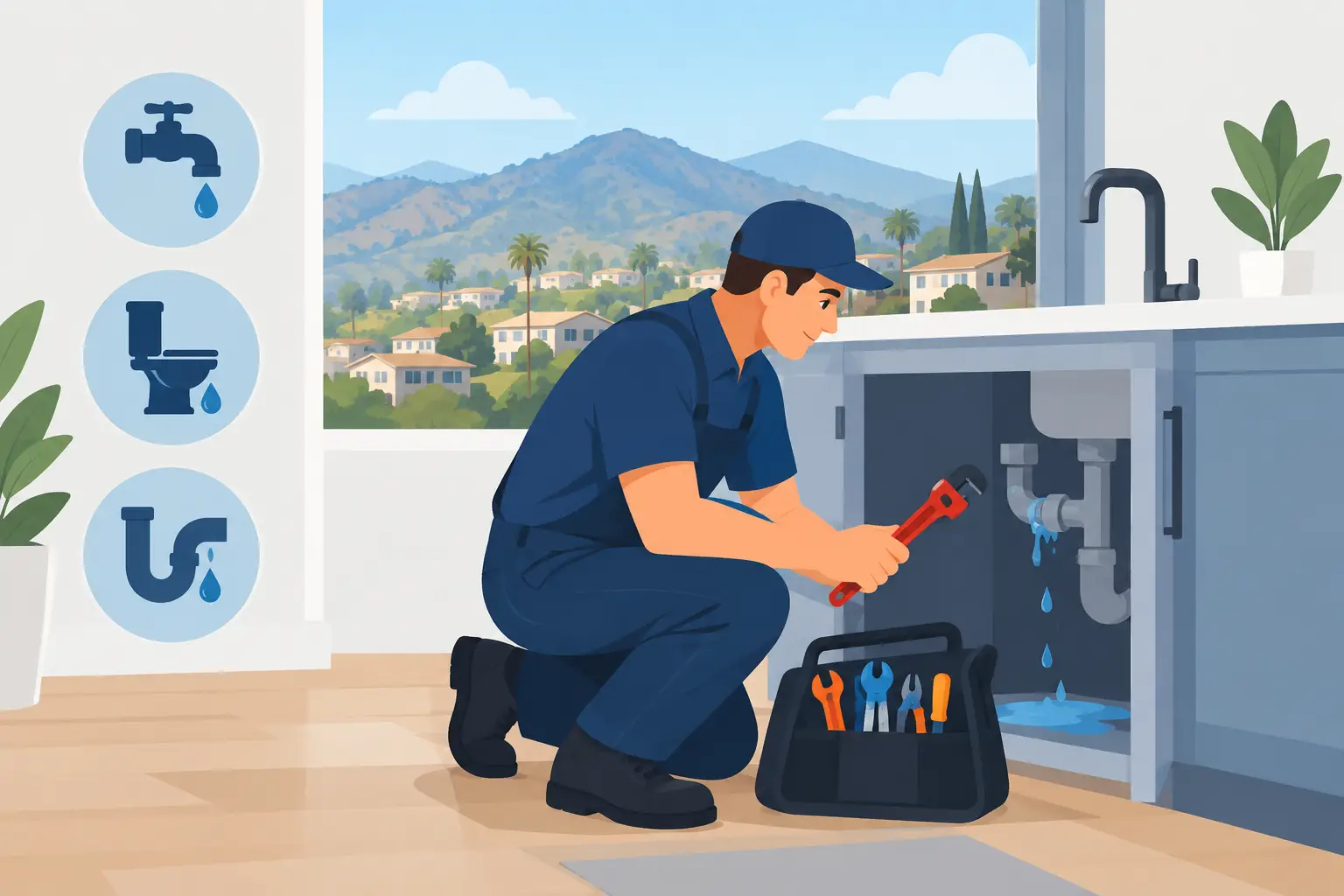
A slow drain can become a backup during dinner. A small leak beneath a bathroom sink can quietly damage a cabinet, floor, or wall. When these problems show up, calling a plumber Granada Hills residents can trust is often the fastest way to protect the home and get life back to normal.
The right time to call is not always when water is already on the floor. Many plumbing problems give warning signs first. Acting early can limit damage, reduce disruption, and keep a manageable repair from turning into a larger project.
Signs You Need a Plumber in Granada Hills
Some plumbing issues are obvious. A burst pipe, overflowing toilet, or failed water heater needs immediate attention. Other problems are easier to put off, especially when the fixture still works. That is where homeowners and property managers can run into trouble.
Recurring drain clogs are a good example. A plunger may clear a toilet once, and a sink may drain normally after a basic cleaning. But when the same drain keeps slowing down or backing up, there may be a blockage farther down the line, a buildup issue, or a problem with the pipe itself. Repeated chemical drain cleaner use can also damage certain pipes and may not address the actual cause.
Water pressure changes deserve attention as well. Low pressure at one fixture could be a worn aerator or a local valve issue. Low pressure throughout the property can point to a more significant water supply or piping concern. A professional diagnosis helps separate a simple fix from a problem that needs repair before it affects more areas of the building.
Watch for damp spots, musty odors, peeling paint, warped flooring, and unexplained increases in the water bill. These can all be signs of a hidden leak. Water does not need to be visibly pouring from a pipe to cause damage. Even a slow leak behind a wall or under a slab can create costly conditions over time.
Handle the Immediate Risk First
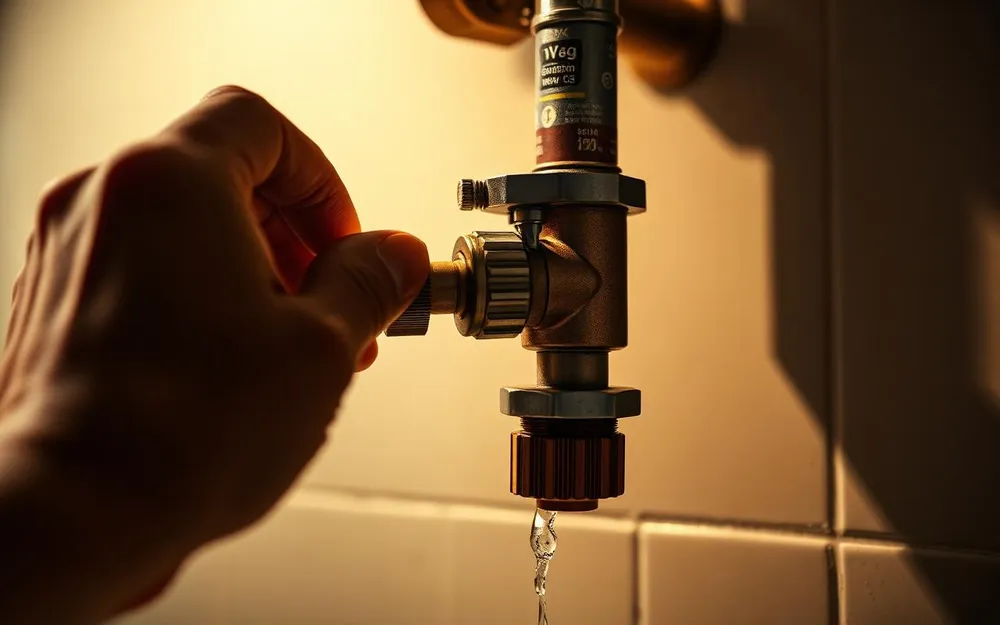
When water is actively leaking or overflowing, the first priority is limiting damage. If you can safely reach the fixture shutoff valve, turn it off. Toilets and sinks often have individual valves nearby. For a larger leak, use the main water shutoff valve for the property if you know where it is and can access it safely.
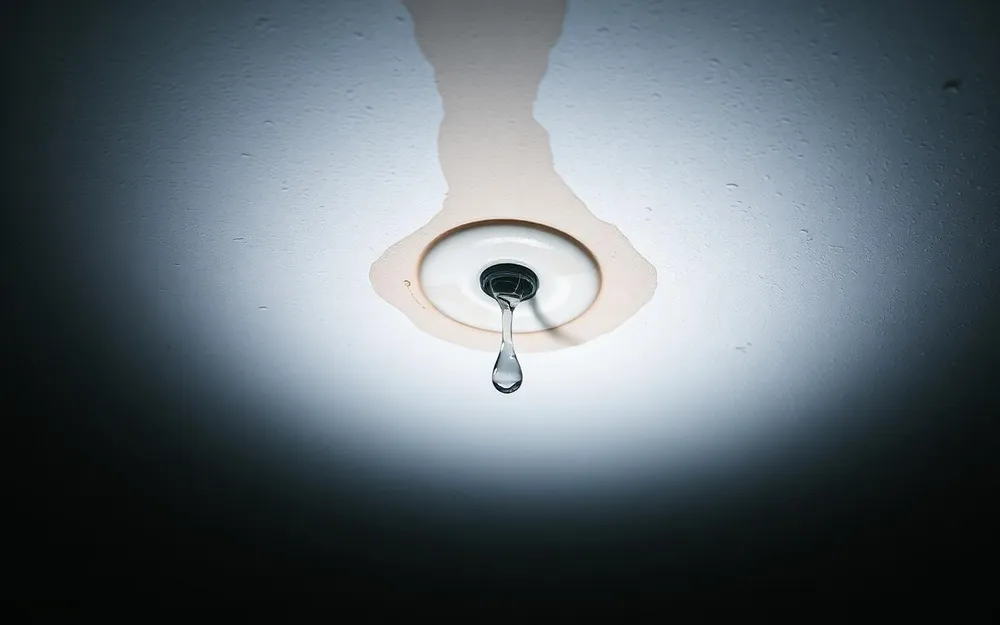
Move towels, electronics, furniture, and other valuables away from the affected area. Do not use electrical equipment near standing water. If water is coming from a ceiling, keep people clear of the area. A sagging ceiling can be unstable, and the source may be a plumbing leak from above.
Taking a few photos can be useful for documenting damage, particularly for landlords, tenants, and property managers. Then arrange plumbing service as soon as possible. Temporary steps can reduce the immediate mess, but they are not a substitute for finding and correcting the source.
What a Quality Plumbing Visit Should Look Like
A dependable plumber should do more than stop the visible symptom. The service call should begin with listening to what happened, checking the affected fixtures or pipes, and identifying the likely cause. The goal is to recommend work that fits the actual condition of the system, not just apply a temporary patch.
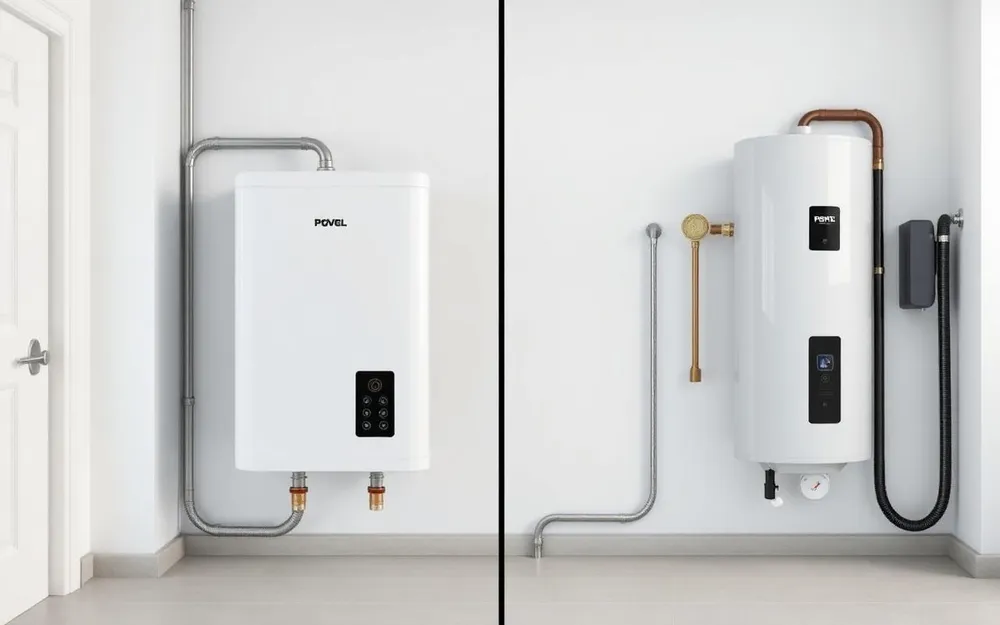
For example, a leaking faucet may need a cartridge, seal, or supply-line repair. A drain that backs up in several fixtures may require a closer look at the main drain line. A water heater that produces inconsistent hot water may involve a component repair, sediment buildup, or replacement depending on its age and condition.
Clear communication matters. You should understand what is wrong, what repair is recommended, and what the work involves before moving forward. Plumbing can involve hidden conditions, especially in older homes, so an honest professional will explain when additional findings could affect the scope of a repair.
Clean workmanship also matters. Plumbing work can be disruptive, but it should be handled with care for your home or property. A professional service experience includes protecting the work area, testing repairs, checking for leaks, and leaving the space orderly when the job is done.
Repairs That Are Often Worth Addressing Early
Homeowners sometimes wait because the plumbing issue seems minor or because the fixture is still usable. That can be reasonable for a cosmetic concern, but several common problems are better handled early.
A dripping faucet wastes water and can worsen as internal parts wear. A toilet that runs between flushes can increase water usage and may eventually fail to refill or flush properly. A loose or leaking supply line under a sink can fail without much warning. Small leaks around a water heater, shutoff valve, or exposed pipe should also be checked before corrosion or water damage spreads.
Drain problems are another area where timing matters. If a kitchen sink drains slowly, smells unpleasant, or gurgles, the line may be collecting grease, food debris, or other buildup. In bathrooms, hair, soap residue, and mineral accumulation are common causes. Clearing the issue correctly can restore flow without placing unnecessary stress on aging pipes.
For landlords and property managers, early repairs help prevent tenant disruption and protect the condition of the property. A quick response to a reported leak or drain issue is generally easier to manage than emergency restoration work after a ceiling, wall, or flooring area has been damaged.
Repair or Replace? It Depends on the Condition
Not every problem calls for replacement. A targeted repair is often the right choice when a fixture, pipe section, or water system component is otherwise in good condition. Replacing a worn valve, fixing a localized leak, or repairing a malfunctioning fixture can extend service life at a practical cost.
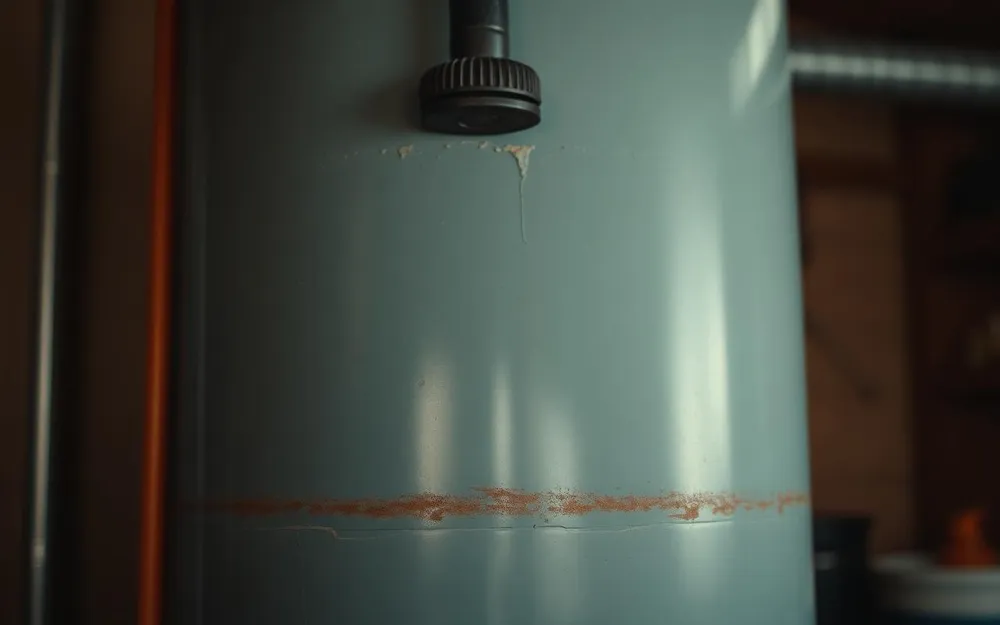
Replacement may make more sense when repairs are becoming frequent, parts are no longer reliable, or the equipment is near the end of its expected service life. A water heater with repeated issues, visible corrosion, or a tank leak is a common example. Once a tank itself is leaking, repair options are limited, and replacement is usually the safer long-term decision.
The same thinking applies to old fixtures and deteriorating pipe sections. The lowest upfront cost is not always the best value if the same problem keeps returning. A good plumber will explain the trade-off plainly so you can decide based on the property’s condition, budget, and plans for the home.
Choosing a Local Plumbing Professional
When you need service, look for a plumbing company that treats the problem with appropriate urgency and communicates clearly. You should not have to chase down basic answers about scheduling, the issue being addressed, or the recommended work.
Experience with residential and small commercial plumbing matters because systems vary from property to property. A reliable professional can troubleshoot leaks, drains, fixtures, water lines, and water heaters without making the explanation harder than it needs to be. The best service is practical: identify the issue, explain the solution, complete the work carefully, and test it before leaving.
Best Quality Plumbing Services takes that straightforward approach for customers in Granada Hills and nearby communities. Whether the issue is urgent or has been building slowly, prompt, quality repair can help protect the property and remove one more source of stress from your day.
If something in your plumbing system does not look, sound, or work right, trust that signal. A timely call can often turn a frustrating problem into a simple repair before it has the chance to interrupt your home, your tenants, or your schedule.