A leaking toilet can go from a small puddle to damaged flooring faster than most homeowners expect. If you are searching for how to stop toilet leaking, start by finding where the water is coming from, then shut off the water if the leak is active. A quick response can limit damage, but the right repair depends entirely on the source.
Do not keep flushing to “test” a toilet that is leaking onto the floor. Dry the area, place towels around the base, and look for fresh water after a single controlled flush. If water is spreading quickly, turn the shutoff valve behind the toilet clockwise. If that valve will not close or the toilet is overflowing, use your home’s main water shutoff and call a plumber.
How to Stop Toilet Leaking: Find the Source First
Toilets commonly leak from the water supply connection, the tank, the bowl, or the seal at the base. These problems can look similar from the floor, but they require different repairs. Before tightening or replacing anything, dry all visible water with a towel and identify the highest point where water reappears.
A flashlight helps. Check behind the toilet, underneath the tank, along the supply hose, around the bolt caps at the base, and on the outside of the bowl. Then flush once and watch closely. Water that appears only after flushing points to a different issue than water that slowly collects while the toilet is not in use.
Water is leaking from the supply line or shutoff valve
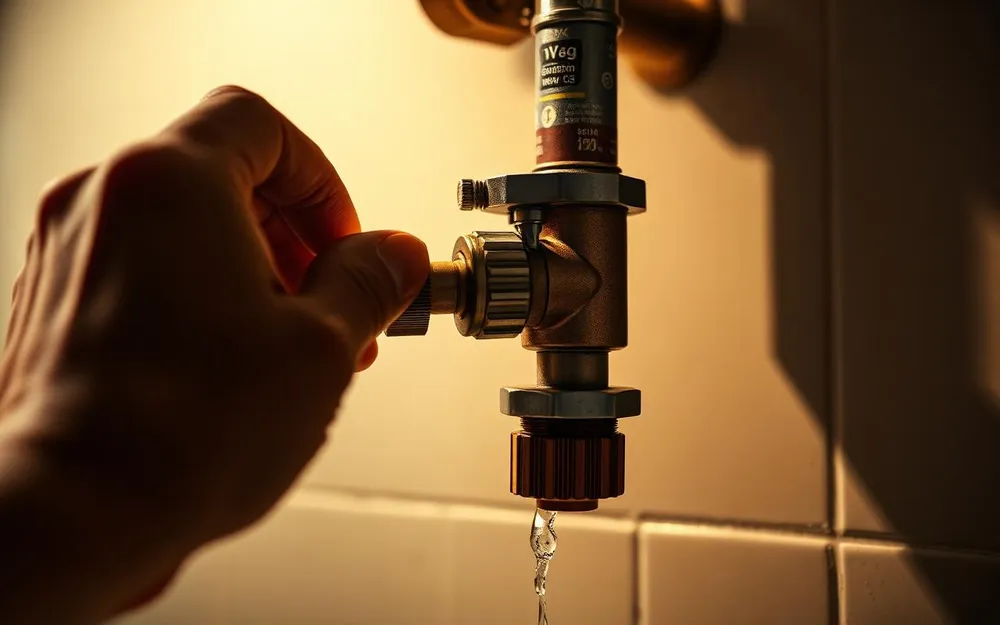
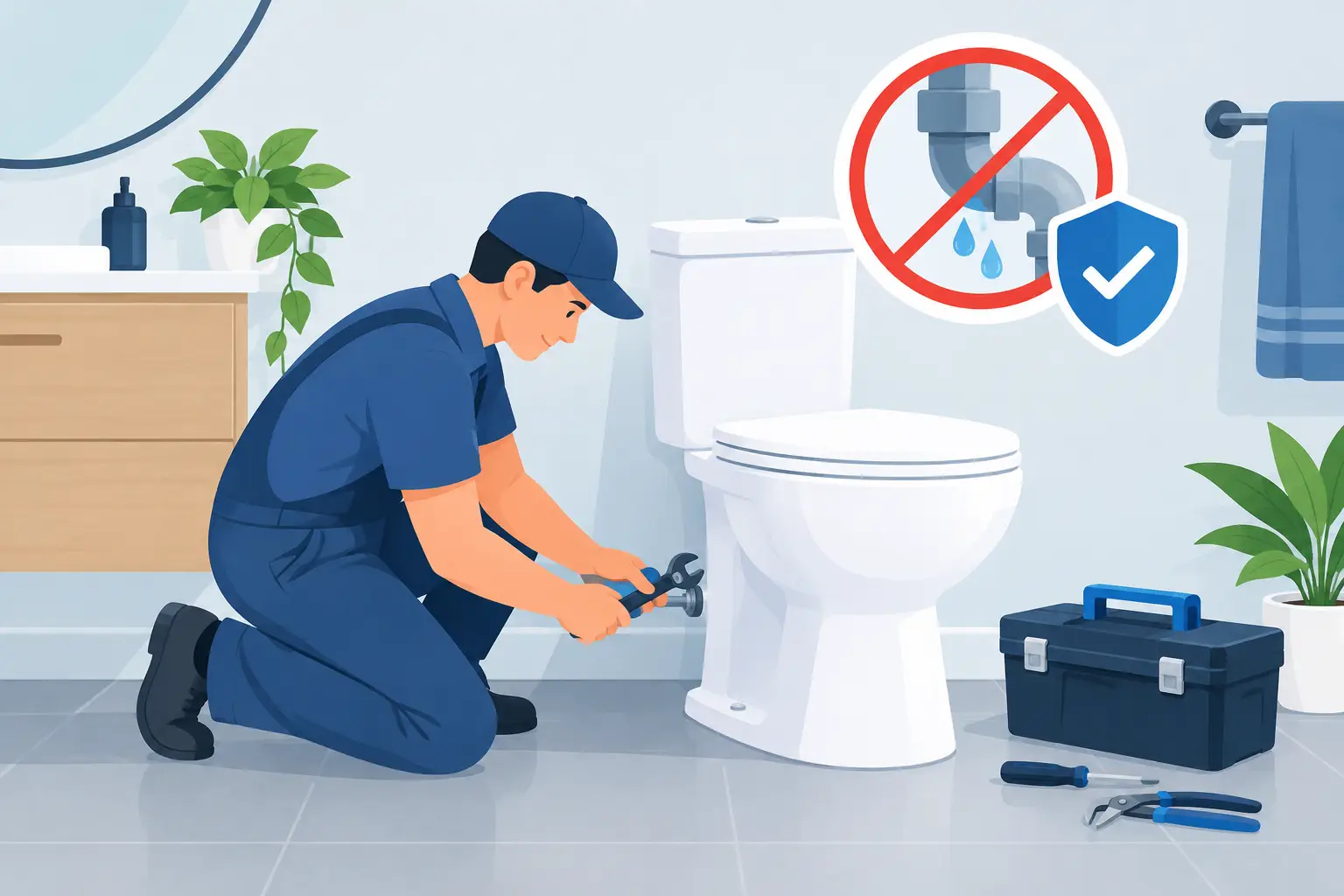
If water is dripping from the hose that runs from the wall to the bottom of the toilet tank, turn off the small shutoff valve behind the toilet. Wipe the connection dry, then check whether the nut at either end of the supply line is loose. A gentle tightening by hand, followed by a small turn with a wrench if needed, may stop a minor drip.
Do not force the nut. Overtightening can crack a plastic fitting, damage a valve, or make a small repair worse. If the hose is corroded, kinked, brittle, or leaking from its body rather than a connection, replace it. Supply lines are inexpensive, but a failed one can release a surprising amount of water.
Water around the shutoff valve itself may mean the valve packing nut needs a slight adjustment. If water continues to seep from the valve or the valve will not shut off fully, it is time for professional repair. A dependable shutoff valve is not optional during a plumbing emergency.
Water is coming from under the tank
A tank leak often appears as water on the back of the toilet or a drip that runs down to the floor. The most common causes are worn tank-to-bowl bolts, damaged rubber washers, or a cracked tank. Look underneath the tank where it connects to the bowl. If water forms around the bolts after flushing, the washers or bolt assembly may need replacement.
Tank hardware should be tightened carefully and evenly. Uneven pressure can crack porcelain, and a cracked tank typically requires replacement rather than a patch. If you can see a hairline crack, hear the tank creak when it is tightened, or cannot identify the drip point, stop using the toilet until a plumber can inspect it.
Water appears around the toilet base
Water at the base deserves prompt attention. If it appears after each flush, the wax ring or toilet flange may no longer be sealing correctly. The wax ring forms the watertight connection between the toilet and the drain pipe. When it fails, wastewater can escape underneath the toilet and soak into the subfloor.
Do not assume base moisture is always a failed wax ring. A loose toilet, a cracked bowl, condensation, or water dripping down from the tank can also collect at the base. Dry the toilet completely and place paper towels around the bottom edge. Flush once. If clean water appears from above, investigate the tank and supply line. If water seeps from beneath the bowl, especially if it has an odor, avoid using the toilet.
Replacing a wax ring requires removing the toilet, inspecting the flange, cleaning the old seal, and resetting the toilet level. It is a repair many experienced homeowners can handle, but it is not a good job to rush. A toilet that rocks after reinstallation can break the new seal and create another leak.
The toilet bowl is leaking or overflowing
A toilet that overflows is often dealing with a clog, not a failed seal. Remove the tank lid and push the flapper closed if water is still flowing into the bowl. Then turn off the shutoff valve. Do not flush again until the blockage is cleared.
A plunger may resolve a simple clog, but use a flange-style toilet plunger and work slowly to avoid splashing. If the bowl level rises repeatedly, the toilet drains slowly, or multiple fixtures are backing up, there may be a deeper drain line issue. Chemical drain cleaners are a poor choice for toilets because they can damage components, create dangerous splashing, and rarely solve a serious blockage.
A cracked toilet bowl is a separate concern. Small cracks can leak slowly, while larger cracks can fail suddenly. If you see a crack below the waterline or water is leaking through the porcelain, replace the fixture. Repairs to a cracked bowl are not a reliable long-term solution.
Check Whether It Is Really a Leak
Not every wet toilet indicates failed plumbing. In humid weather, a toilet tank can sweat when cold water enters a warm room. Condensation usually forms on the outside of the tank and may drip down evenly, rather than appearing from one fitting or the base after a flush.
Dry the tank and watch it while the toilet sits unused. If moisture returns across the tank surface, condensation is likely. Improving bathroom ventilation, insulating the tank, or adjusting indoor humidity can help. If water returns from a bolt, valve, hose, or porcelain crack, treat it as a true leak.
Another hidden problem is a toilet that runs continuously. You may not see water on the floor, but a worn flapper or faulty fill valve can waste a significant amount of water. Add a few drops of food coloring to the tank and wait about 15 minutes without flushing. If color reaches the bowl, the flapper is leaking and should be replaced.
When a Simple Repair Is Reasonable
Homeowners can often handle a loose supply connection, a replacement flapper, or a new toilet supply line when the shutoff valve works and the source is clear. Keep the work simple. Turn off the water, flush the toilet to empty the tank when appropriate, and have towels ready before disconnecting any part.
Call a professional when the toilet is leaking from the base, the shutoff valve fails, the tank or bowl is cracked, the toilet rocks, or water has reached flooring, walls, or a lower ceiling. These situations can involve hidden damage or sanitary wastewater. The longer water sits under a toilet, the more expensive the restoration can become.
Property managers and landlords should also document the leak with photos before cleanup when practical, especially if flooring or cabinetry is affected. Fast action protects the property, but clear documentation helps establish what happened and what repairs are needed.
Protect the Area Until Help Arrives
After shutting off the water, remove bath mats and nearby items so moisture is not trapped against the floor. Mop up standing water and run the bathroom exhaust fan. If water has reached drywall, a vanity, or flooring outside the bathroom, dry the area quickly and do not cover it with rugs or towels for an extended period.
A toilet leak is rarely something to ignore and hope will disappear. If you are in Sylmar or the surrounding San Fernando Valley communities, Best Quality Plumbing Services can identify the cause, explain the repair plainly, and help protect your home from further water damage. The best next step is always the same: stop the water, avoid repeated flushing, and get the right repair before a small leak becomes a larger one.