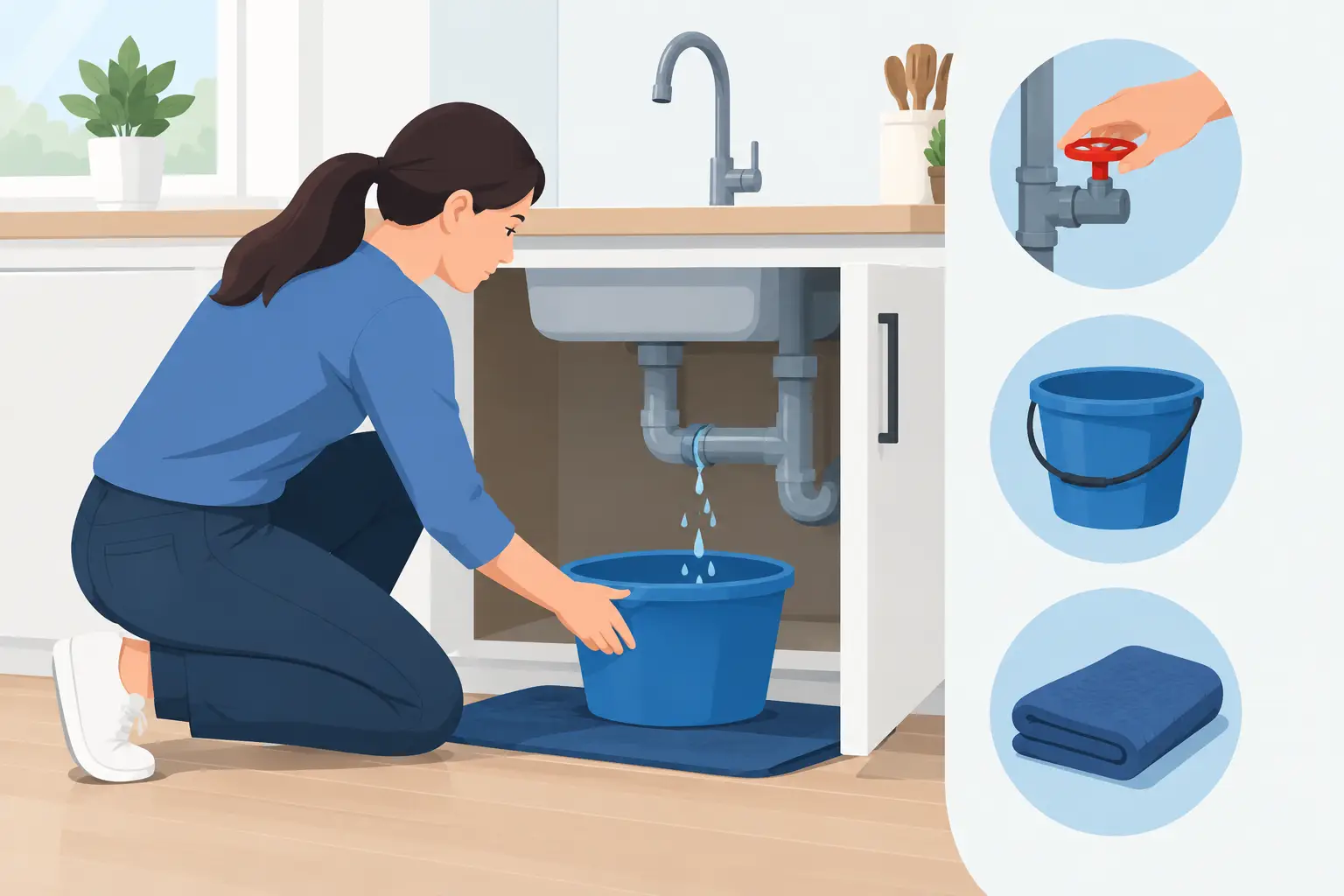
A burst pipe behind a wall, a toilet that will not stop overflowing, or sewage backing up into a shower can turn an ordinary day into a property-damage problem fast. Emergency plumbing means more than an inconvenience - it means there is an active risk to your home, your belongings, your health, or your ability to use essential fixtures safely.
The right response is not to panic or start taking apart pipes. Stop the water if you can, protect the area, and get a qualified plumber involved before a small failure becomes a costly repair. Fast action matters, but so does knowing which problems truly cannot wait.
When Emergency Plumbing Cannot Wait
Some plumbing issues can be scheduled for normal service hours. A slow-draining bathroom sink, a dripping faucet, or a running toilet should be repaired soon, but they usually allow time for an appointment. An emergency is different because damage is happening now or the plumbing system has become unsafe or unusable.
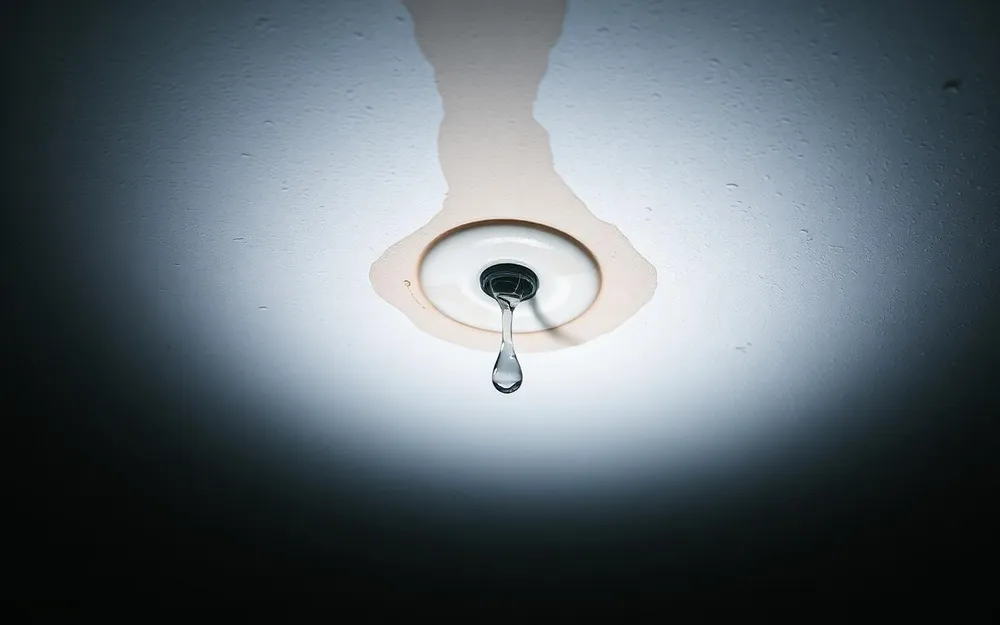
A burst pipe is an emergency, especially when water is flowing into walls, ceilings, flooring, cabinets, or electrical areas. Even a pinhole leak can cause significant damage if it is hidden behind drywall or under a slab. Water does not need to be ankle-deep to create a problem. Moisture trapped in building materials can lead to swelling, staining, mold growth, and expensive restoration work.
An overflowing toilet also needs immediate attention when the water cannot be stopped with the fixture’s shutoff valve. If the water is dirty or sewage is involved, keep people and pets away from the affected area. Wastewater can contain harmful bacteria, and cleaning the visible water does not necessarily solve the underlying backup.
Sewage coming up through a tub, shower, floor drain, or toilet is another clear reason to call for emergency plumbing service. This often points to a main sewer line blockage, though the cause could be a damaged pipe, roots in the line, or a problem farther down the system. Do not keep flushing toilets or running sinks to test it. More water can make the backup worse.
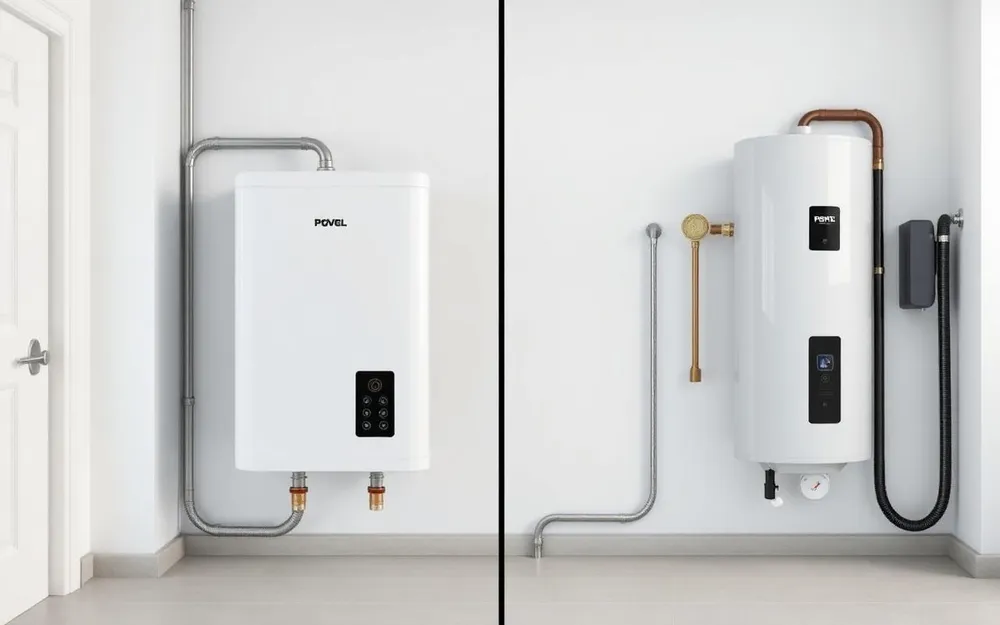
No hot water is not always an emergency, but it can be. A water heater that is leaking heavily, making loud popping sounds, producing discolored water, or showing signs of pressure trouble needs prompt professional attention. If you smell gas near a gas water heater, leave the area, avoid switches and open flames, and contact the gas utility or emergency services as appropriate before calling for plumbing repair.
What to Do During an Emergency Plumbing Problem
Your first job is to limit damage without putting yourself at risk. If water is close to outlets, appliances, a breaker panel, or exposed wiring, do not step into the area. Shut off power only if you can do so safely from a dry location. Otherwise, keep clear and wait for qualified help.
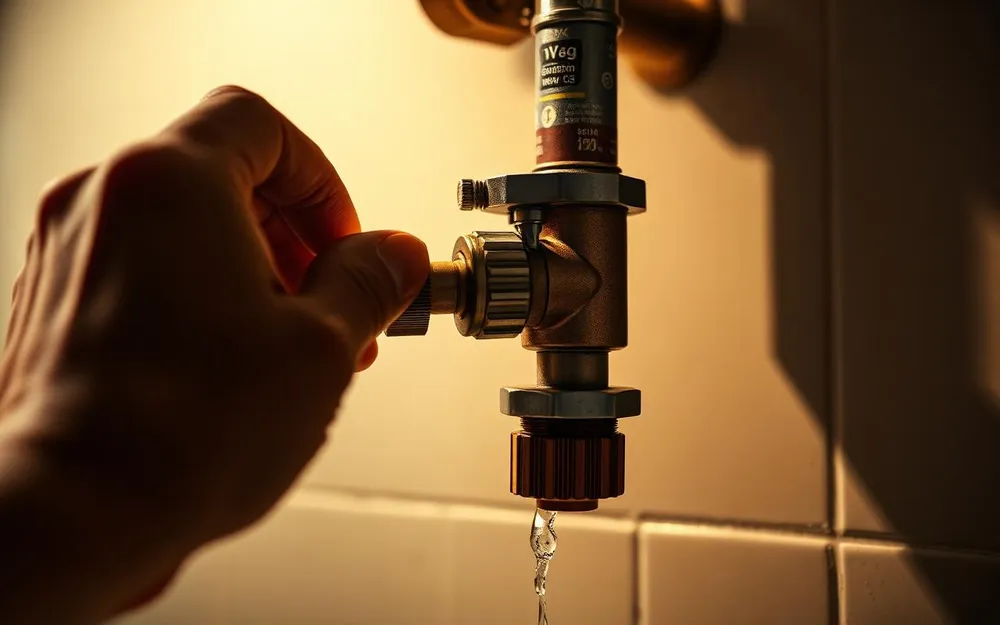
For most active leaks, shut off the nearest fixture valve first. Toilets and sinks often have a small valve on the wall or floor behind the fixture. Turn it clockwise until it stops. If the leak continues, cannot be isolated, or is coming from a pipe rather than a fixture, shut off the home’s main water supply.
Every homeowner, landlord, and property manager should know where that main shutoff is located before an emergency occurs. It may be near the water meter, in a garage, on an exterior wall, in a utility area, or near where the main line enters the property. In some homes, the valve is a wheel handle; in others, it is a lever. A lever is generally off when it sits perpendicular to the pipe.
Once the water is off, take a few practical steps:
- Move furniture, rugs, boxes, and electronics away from the wet area if it is safe to do so.
- Use towels, buckets, or a wet-dry vacuum to contain clean water, but do not handle sewage without proper protection.
- Turn off the water heater if the main supply has been shut off, especially if it may run dry or is part of the problem.
- Take clear photos of the damage and the affected fixture or pipe for your records and, if needed, insurance documentation.
- Avoid using drains, toilets, dishwashers, or washing machines when there is a suspected sewer backup.
Do not use chemical drain cleaners during an active clog or backup. They can damage certain pipes, create hazardous splashes, and make hands-on repair more dangerous for the plumber. A plunger may help a simple toilet clog, but stop if water rises instead of draining. Repeated flushing is one of the fastest ways to turn a clog into an overflow.
What a Professional Emergency Plumber Should Check
A dependable plumber does more than stop the immediate leak. The goal is to find the source, explain what failed, and make a repair that holds up after the service call is over.
For a burst or leaking line, that may involve checking pipe material, water pressure, corrosion, loose connections, failed valves, and freeze damage. A visible leak is not always the only damaged section. Older galvanized lines, aging supply hoses, and poorly supported piping can have weaknesses nearby.
For a drain or sewer emergency, the plumber may inspect the line to determine whether the problem is localized or affects the main system. A blockage near one sink has a different cause and repair path than sewage backing up through several fixtures. The right diagnosis prevents unnecessary work and helps avoid paying for a temporary fix that does not address the real issue.
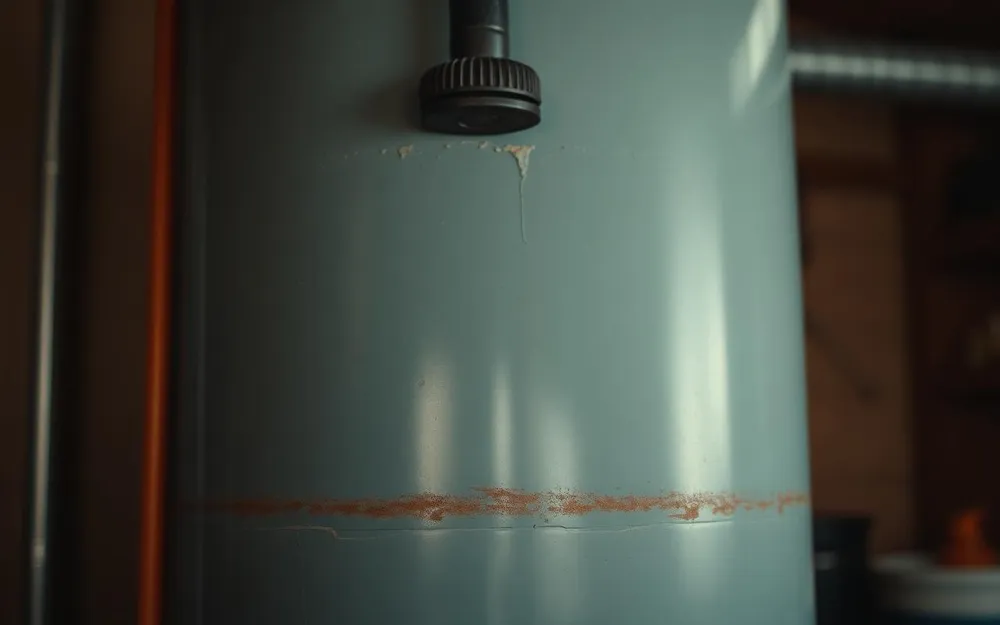
Water heater emergencies require the same careful approach. A leaking temperature-and-pressure relief valve, a failed supply connection, a corroded tank, and an internal issue can all look similar at first. The repair decision depends on the equipment’s age, condition, leak location, and whether replacement is likely to be more reliable than repeated repairs.
Clear communication matters during an urgent call. You should understand what is causing the issue, what needs to be done immediately, what can wait, and what the expected repair involves. Good emergency service is not about creating pressure. It is about giving you a practical recommendation based on the condition of your plumbing.
When a Repair Can Wait Until Morning
Not every after-hours issue requires an emergency visit. If you have shut off the water to one leaking faucet or toilet and have another working bathroom, scheduling service for the next available appointment may be reasonable. The same can be true for a minor drip under a sink that is contained in a bucket and does not affect cabinets, electrical components, or flooring.
The trade-off is the risk of waiting. A small leak can be manageable overnight when isolated, but it should not be ignored for days. Water damage often develops quietly. If you are uncertain whether a problem is contained, it is safer to speak with a plumbing professional and describe what you are seeing.
For landlords and property managers, speed also protects the property and the people using it. Tenants need working toilets, water service, and safe drainage. A prompt response reduces disruption, documents responsible maintenance, and can prevent one unit’s plumbing issue from affecting neighboring spaces.
Preventing the Next Plumbing Emergency
Many emergencies start as warning signs. A toilet that occasionally bubbles, drains that slow down together, unexplained water bills, low water pressure, damp cabinet floors, and rusty water deserve attention before they become urgent. Regular maintenance is usually less disruptive and less expensive than a late-night repair after damage has spread.
Check exposed supply hoses and shutoff valves periodically, especially under sinks, behind toilets, and at the washing machine. Replace old rubber washing machine hoses with higher-quality options when needed. Keep drains clear of grease, wipes, paper towels, and other materials that do not belong in the plumbing system. If you have mature trees near sewer lines, recurring drain issues should be inspected rather than repeatedly treated as simple clogs.
Best Quality Plumbing Services approaches urgent repairs with the same standard as scheduled work: identify the problem, protect the property, and provide a clear path back to normal. When water is moving where it should not, shutting it off quickly and calling for qualified help can protect far more than the pipe itself.