A pipe replacement is rarely on anyone’s home improvement wish list. It usually starts with a slab leak, discolored water, low pressure, a burst line, or a repair that reveals aging pipe throughout the house. When replacement becomes necessary, the question of copper versus PEX piping comes up quickly. Both can be good choices. The right one depends on your home, water conditions, budget, and the scope of the work.
A dependable plumber should not push one material without first looking at the existing system. The best solution is the one that fixes the problem safely, meets local code, and gives you reliable water service for years to come.
Copper Versus PEX Piping at a Glance
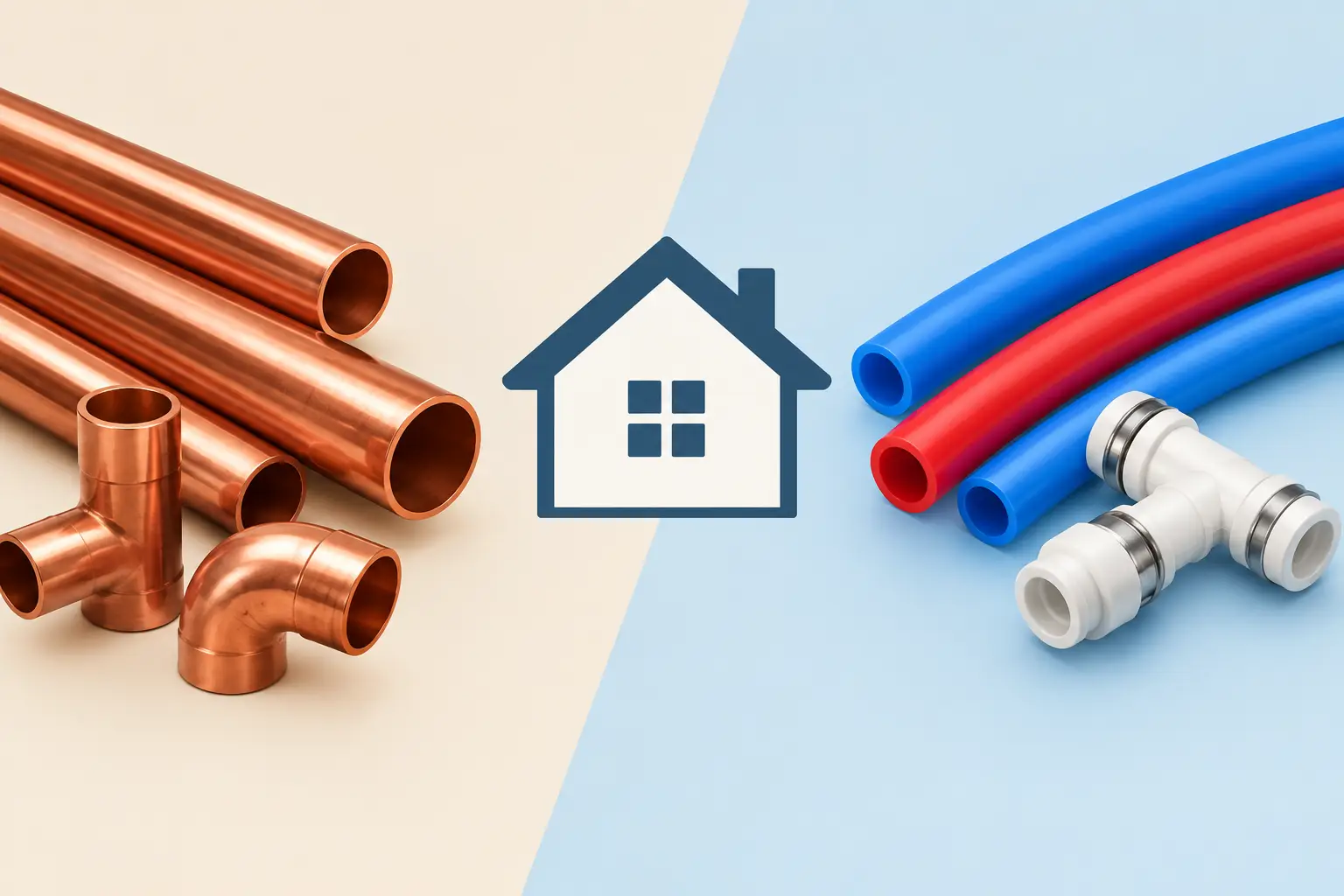
Copper has been a standard residential plumbing material for generations. It is a rigid metal pipe that is joined by soldering, press fittings, or other approved connections. Many homeowners recognize copper by its familiar reddish-gold color and its long history in water supply systems.
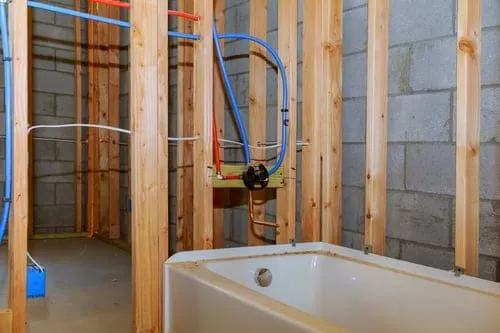
PEX is cross-linked polyethylene, a flexible plastic tubing designed for hot and cold water distribution. It is typically installed through walls, ceilings, crawl spaces, or attics with fewer fittings than a rigid pipe system. PEX connections use compatible fittings and crimp, clamp, expansion, or press methods, depending on the system.
Neither material automatically wins in every situation. Copper can be an excellent long-term material, while PEX can make a major repair or repipe faster and less disruptive. The details matter.
Why Homeowners Still Choose Copper
Copper has a strong reputation for a reason. It is durable, heat-resistant, and not affected by ultraviolet light in the same way plastic piping is. When properly installed and supported, copper piping can provide decades of reliable service.
Because copper is rigid, it is less likely to be damaged by accidental crushing in exposed areas. It also does not allow oxygen through the pipe wall, which can be relevant in certain specialized mechanical systems. For visible runs in a garage, utility room, or commercial setting, copper may be preferred for its appearance and resistance to surface damage.
Copper is also familiar to many buyers, inspectors, and property managers. In a home with a well-maintained existing copper system, a targeted copper repair may be the most practical choice. There is no need to repipe an entire building just because one fitting or section of pipe has failed.
That said, copper is not immune to problems. Some homes develop pinhole leaks due to corrosion, aggressive water chemistry, poor installation practices, or years of wear. A repeated pattern of pinhole leaks is a sign to stop treating each leak as an isolated repair. A plumbing inspection can determine whether a more complete replacement plan makes better financial sense.
Where Copper Can Cost More
Copper material costs are usually higher than PEX, and installation can take longer. A copper repipe requires more cutting, measuring, fitting, and joining. That can increase labor costs, especially in a home where pipe runs are difficult to access.
Copper also transfers heat easily. Hot water lines can lose more heat as they travel through unconditioned areas unless they are properly insulated. The pipe itself can make noise as it expands and contracts, particularly if it is tightly secured or installed without room for movement.
In areas with corrosive water conditions, copper may require closer consideration. A qualified plumber can assess the leak history, pipe condition, and other signs of corrosion before recommending the material for a full replacement.
Why PEX Is Popular for Repipes
PEX has become a common choice for residential water line replacement because it is flexible, efficient to install, and generally more affordable than copper. Long lengths of tubing can often be routed around framing and obstacles with fewer joints hidden inside walls. Fewer fittings can mean fewer potential connection points over the life of the system.
That flexibility can reduce wall and ceiling access work during a repipe. No repipe is completely disruption-free, but PEX often allows plumbers to work around parts of the home that would be more difficult to reach with rigid pipe. For homeowners trying to limit repair time and drywall restoration, that is a meaningful advantage.
PEX also handles normal freezing conditions better than copper because it can expand to a degree. It is not freeze-proof, and frozen lines can still cause serious damage, but it is generally more forgiving than rigid metal pipe when temperatures drop.
Another benefit is quiet operation. PEX tends to absorb sound and movement better than copper, which can reduce the ticking and banging some homeowners hear when water temperatures change or fixtures shut off quickly.
The Limits of PEX Piping
PEX must be protected from direct sunlight. It should not be stored or installed where extended UV exposure can degrade the material. This matters for exposed outdoor work, open garages, and construction sites where materials may sit in the sun before installation.
It is also not the right material for every exposed location. PEX can be damaged by rodents, sharp edges, or physical impact if it is not routed and protected correctly. A quality installation includes proper supports, protective plates where tubing crosses framing, and approved fittings for the specific PEX system.
Water quality is another consideration. PEX is approved for potable water use, but some homeowners notice a temporary taste or odor after installation. This often clears as the new system is flushed and used. If water has a persistent unusual taste, smell, or discoloration, it should be evaluated rather than ignored.
PEX quality also depends heavily on installation. Mixing incompatible brands or connection methods, using the wrong tools, or leaving tubing exposed where it should be protected can lead to premature problems. The material may be economical, but the workmanship still needs to be first-rate.
Cost: Look Beyond the Price Per Foot
PEX is usually less expensive to install for a whole-home repipe. The tubing costs less than copper, and the flexible installation process can reduce labor time. For a homeowner facing multiple leaks or old failing galvanized lines, that difference can make a full replacement more manageable.
But the cheapest bid is not always the best value. A repipe estimate should clearly explain what material will be used, where new lines will run, how connections will be made, what access openings are expected, and whether patching is included. It should also address permits and inspections when required.
Copper may cost more upfront, yet it can be sensible for a small exposed repair, a specific code requirement, or a property owner who prefers metal piping. PEX may be the practical choice when extensive replacement is needed and minimizing disruption matters most.
Choosing the Right Pipe for Your Property
The most useful question is not, “Which pipe is best?” It is, “Which pipe is best for this repair?” A single leak under a sink, a failed section in a wall, and a full repipe of an older home are very different projects.
For a localized repair on a newer copper system, matching the existing material may be straightforward. For recurring pinhole leaks, poor pressure caused by aging supply lines, or widespread corrosion, PEX can offer an efficient path to a new water distribution system. In some homes, a plumber may recommend using both materials in appropriate locations.
Property managers should also consider tenant disruption and future serviceability. A system with accessible shutoffs, clearly routed lines, and properly labeled fixtures can save time during a future repair. Homeowners should think about planned remodels as well. If bathrooms or kitchens will be renovated soon, coordinating the pipe work can prevent paying twice for wall access.
A Proper Inspection Comes First
Before choosing copper or PEX, have the existing plumbing evaluated. A professional should look for active leaks, corrosion, water pressure issues, pipe material, visible damage, and signs that a repair is only delaying a larger failure. If the issue involves a slab leak, a reroute may be considered instead of opening a large section of concrete.
Ask direct questions about the recommendation. Why is this material suited to the home? Is the proposed work a repair, partial replacement, or repipe? What parts of the property will need access? A clear answer helps you make a decision without guesswork.
If you are dealing with repeated leaks, aging water lines, or a sudden pipe failure in Sylmar or nearby communities, do not wait for water damage to spread. Best Quality Plumbing Services can inspect the problem, explain the practical options, and complete the work with the care your home or property deserves.
The right piping choice should leave you with more than a repaired line. It should give you confidence that you can turn on the faucet tomorrow without wondering what is leaking behind the wall.