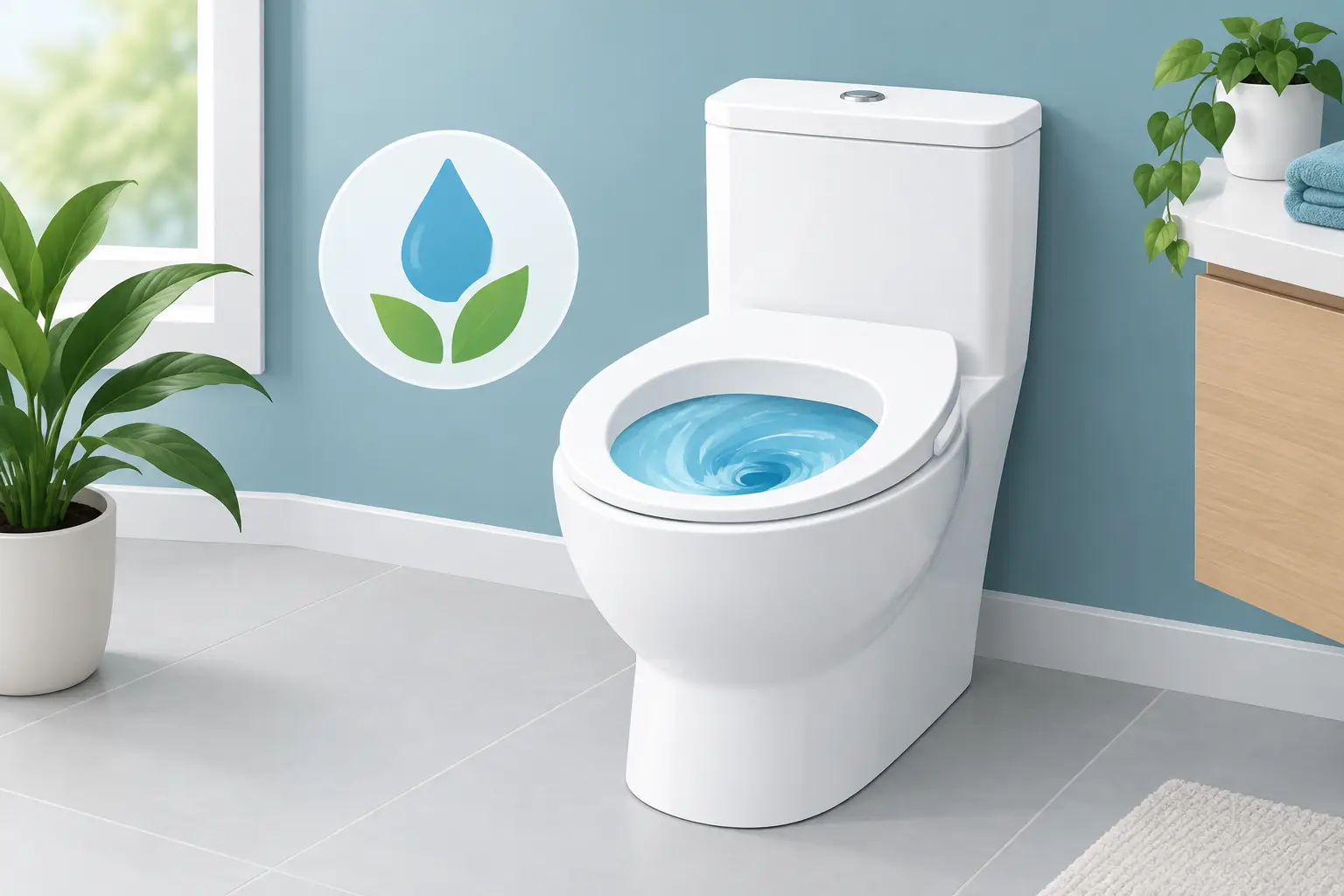
A toilet that uses less water should not leave you reaching for the handle twice or worrying about a clog. The best low flow toilets combine water savings with a strong, dependable flush, which is exactly what most homeowners need when replacing an aging, wasteful fixture.
Older toilets can use 3.5 gallons per flush or more. Most modern high-efficiency toilets use 1.28 gallons per flush, and some use even less. That difference can reduce household water use substantially over time, especially in a busy home or rental property. But gallons per flush are only one part of the decision. Bowl design, flush technology, drain condition, installation quality, and the toilet's height all affect whether the replacement works well day after day.
What Makes the Best Low Flow Toilets Different?
A low-flow toilet is generally considered a model that uses 1.6 gallons per flush or less. For most homes, a WaterSense-labeled 1.28-gallon model is the practical target. It cuts water use without asking your household to change its routines.
The better models move waste effectively through a carefully designed trapway, rim, and flush valve. A larger flush valve releases water quickly, while a fully glazed trapway helps waste travel through the fixture with less resistance. Those details matter more than a flashy label or a bargain price.
A toilet with an efficient, powerful flush can reduce the need for double flushing. That is where some supposed water savings disappear. If a very low-volume model must be flushed twice regularly, it may use as much water as a standard high-efficiency toilet while causing more frustration.
Flush performance comes before the gallons-per-flush number
Do not shop by water use alone. Look for a toilet with a strong reputation for clearing waste in one flush and resisting clogs under normal household use. Performance testing can be useful, but real-world details also matter: a wider trapway, quality internal components, and a well-designed bowl typically make a noticeable difference.
For a primary bathroom, reliability usually outweighs chasing the lowest possible water-use rating. A 1.28-gallon toilet that clears consistently is often a better choice than an ultra-low-flow option that performs poorly with your home's plumbing layout.
Bowl shape and height affect daily comfort
Round-front toilets take up less room, which can make them the right choice for a compact powder room. Elongated bowls extend farther into the room but offer more seating comfort for many adults. Measure from the wall behind the toilet to the front of the existing bowl before choosing a shape.
Comfort-height toilets sit a little higher than traditional models. They can be easier for taller adults, older family members, and people with mobility concerns to use. Standard-height toilets may be a better fit for young children or households that prefer a lower seat position. Neither is automatically better. It depends on who uses the bathroom most.
The Main Types of Low-Flow Toilet Systems
Single-flush gravity toilets are the most common choice for homes. They use one flush volume for every use and generally have simple parts that plumbers can service easily. A well-built gravity toilet is usually quiet, familiar, and dependable.
Dual-flush toilets offer one lower-volume flush for liquid waste and a fuller flush for solid waste. They can save water when everyone in the home uses the two buttons correctly. The trade-off is a more complicated flush mechanism. For a rental property or a bathroom used by guests, a standard single-flush toilet may be easier to operate and maintain.
Pressure-assisted toilets use compressed air inside a sealed tank to create a very forceful flush. They can be an excellent choice in a high-traffic commercial restroom or a home where frequent clogging has been a persistent problem. They are louder, usually cost more, and their internal pressure vessel requires specific replacement parts.
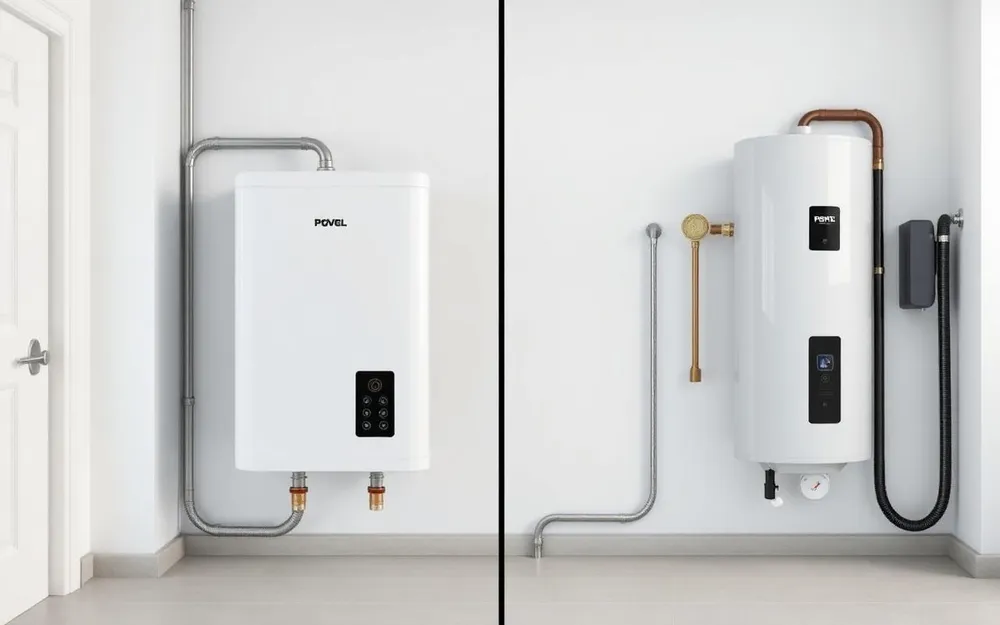
Tankless toilets can save space and create a modern look, but they often require electrical work, a dedicated circuit, and a water supply that meets the manufacturer's pressure requirements. They are not a simple swap for a standard tank toilet. For most homes, a quality gravity-fed low-flow toilet is the most practical replacement.
Features Worth Paying For
The best low flow toilets do not need every premium feature. A few design choices, however, can make cleaning and maintenance easier for years.
A skirted base covers the curved trapway at the side of the toilet. It gives the fixture a cleaner appearance and eliminates some of the hard-to-reach areas that collect dust. It can cost more and may make access to certain connections tighter during installation, but many homeowners appreciate the easier cleaning.
A concealed trapway and smooth bowl surface can also reduce buildup. Look for a bowl coating designed to limit staining and residue, but treat it as a convenience feature, not a substitute for regular cleaning. A coated bowl still needs routine care.
Slow-close seats prevent the lid from slamming, which is useful in family bathrooms. Some toilets include the seat, while others do not. Confirm what comes in the box before comparing prices. You should also check whether the toilet uses standard replacement parts. A low purchase price means less if a specialty fill valve or flush component is difficult to find later.
Measure Before You Buy
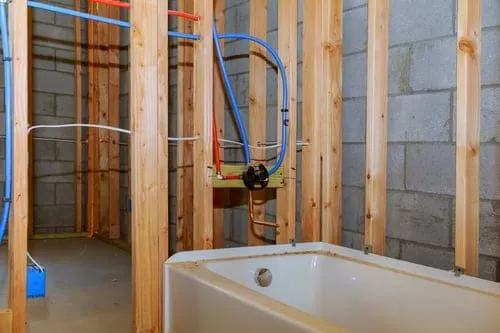
Many toilet replacement problems begin before the old fixture is removed. The rough-in measurement is especially important. This is the distance from the finished wall behind the toilet to the center of the floor bolts. A 12-inch rough-in is most common, but 10-inch and 14-inch rough-ins are also found in older homes.
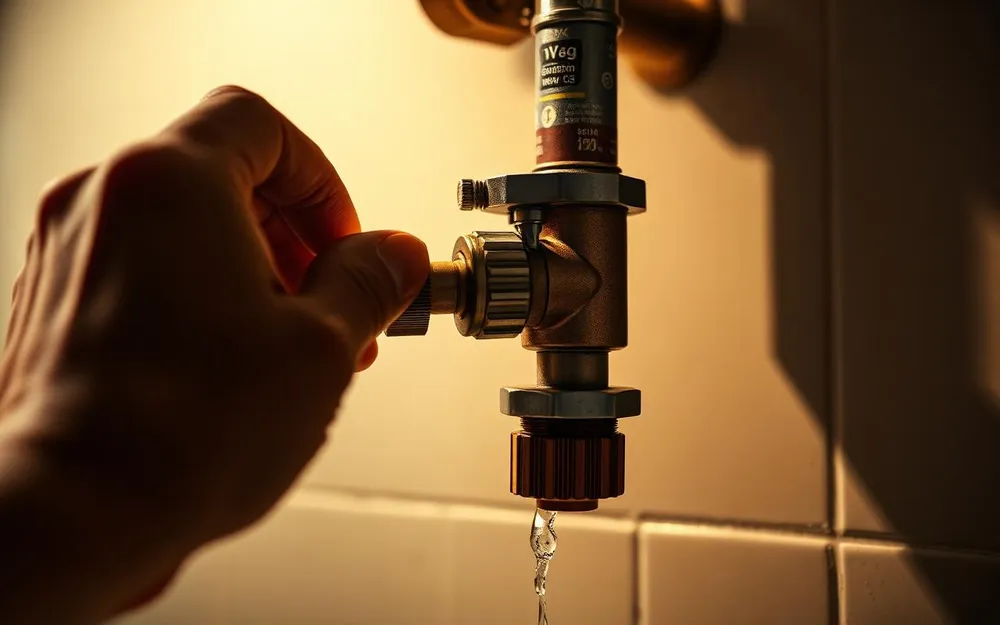
Do not measure from the baseboard. Measure from the actual finished wall, because trim can add enough depth to create a costly mistake. Also check the water supply valve, flooring condition around the base, clearance for the tank lid, and whether the new bowl will interfere with a door, vanity, or shower.
If the floor around the toilet feels soft, shows staining, or has had recurring leaks, address that issue during replacement. Installing a new toilet over damaged flooring or a failing flange can lead to rocking, sewer odor, and water damage. A toilet should sit level and solidly on the finished floor without being forced into place.
Your drain line may affect performance
A new toilet cannot correct every drainage problem. If several fixtures drain slowly, the toilet gurgles, or clogs have become more frequent throughout the house, the issue may be in the branch line or main sewer line rather than the fixture itself.
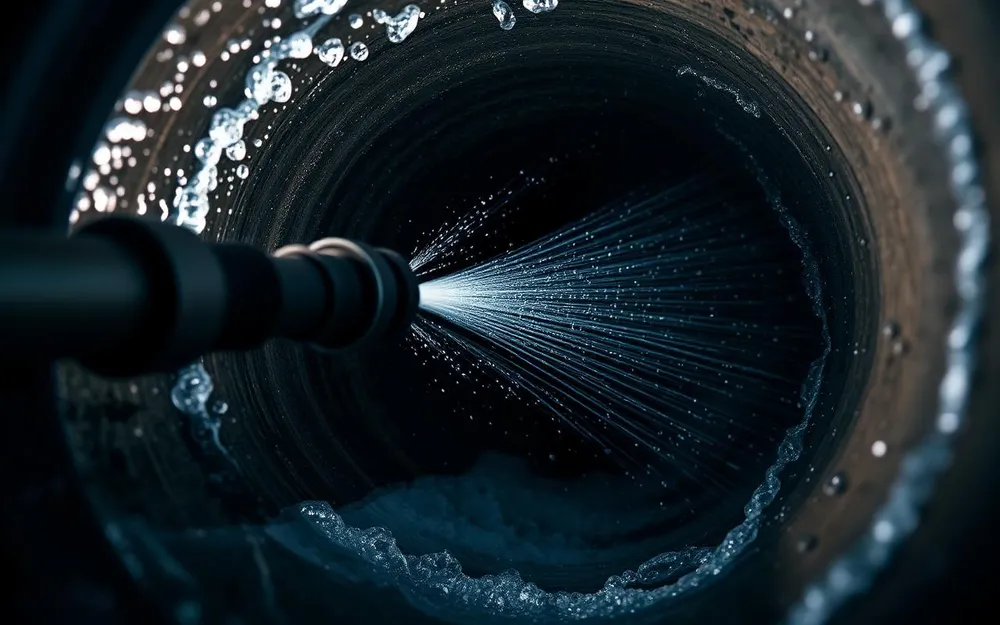
Older properties can also have drain piping with scale buildup, root intrusion, offsets, or poor slope. In that situation, replacing the toilet may help only temporarily. A proper plumbing inspection can identify whether the toilet is the real problem before money is spent on a replacement.
When Professional Installation Is the Better Choice
Replacing a standard toilet can look straightforward, but a leak at the base can damage flooring and subflooring before it becomes obvious. Professional installation is especially worthwhile when the shutoff valve is corroded, the flange is broken or below the floor level, the toilet sits on uneven tile, or the existing fixture has been leaking.
It is also the sensible choice when you are changing bowl size, moving plumbing, adding a bidet seat, or installing a pressure-assisted or tankless model. The right installation includes checking for leaks, securing the fixture without cracking it, confirming the flush works correctly, and leaving the area clean.
For homeowners and property managers in the San Fernando Valley and nearby communities, Best Quality Plumbing Services can assess the existing setup and install a toilet that fits the bathroom and the household's needs.
A Practical Way to Choose
Start with a reputable 1.28-gallon gravity toilet for most residential bathrooms. Choose an elongated bowl if space allows and comfort matters, or a round-front bowl when every inch counts. Select comfort height when the main users prefer it, but do not assume it is right for every family.
Then focus on reliable flushing, accessible replacement parts, and a correct fit for the rough-in. If your current toilet has recurring clogs or the bathroom has signs of drainage trouble, have the plumbing checked before selecting a new model. The best toilet is the one that saves water quietly, flushes completely, and lets your household stop thinking about the bathroom fixture at all.