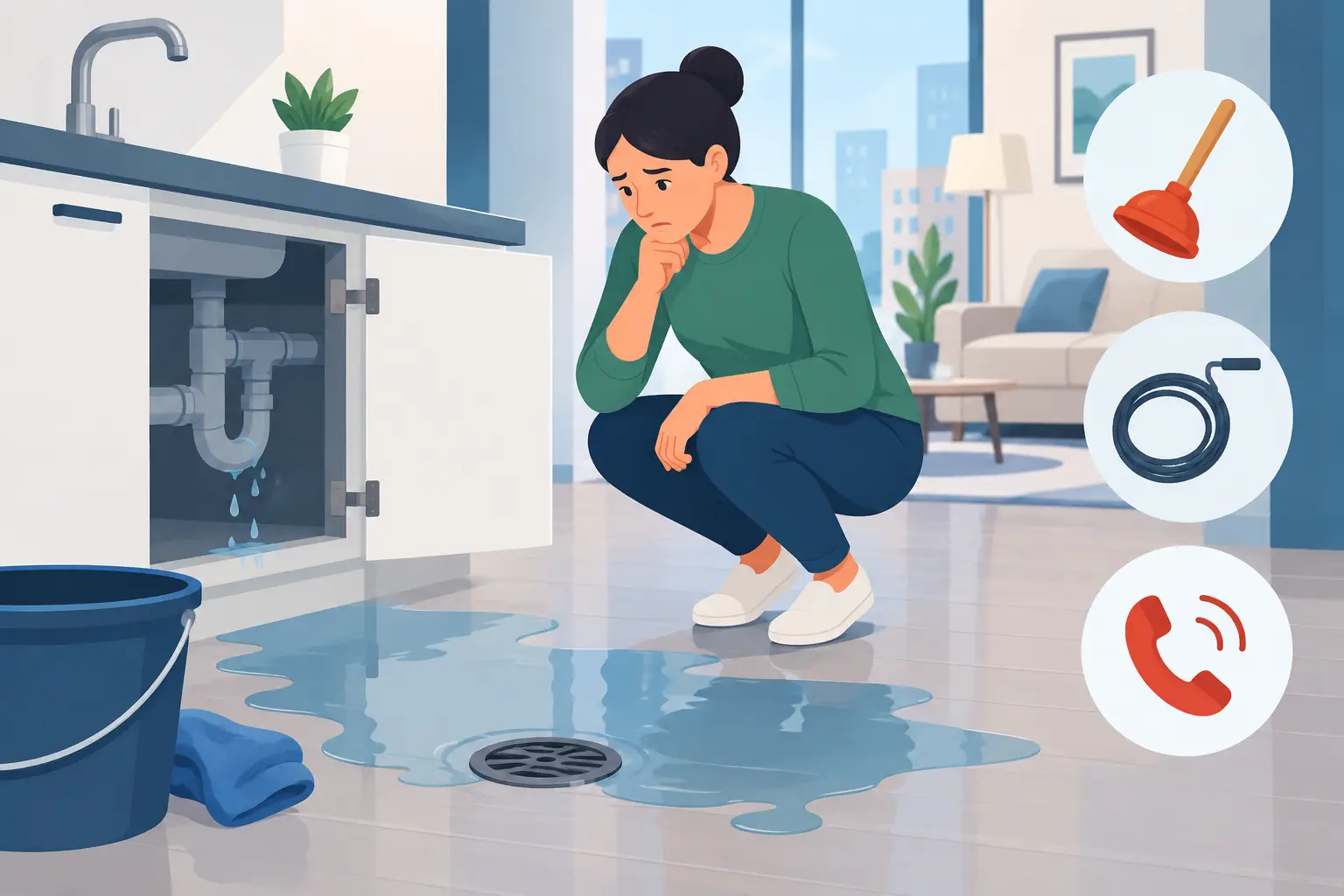
A slow sink is inconvenient. Water or sewage coming back up through a tub, shower, toilet, or floor drain is different. An apartment drain backup can spread contaminated water, damage floors and belongings, disrupt neighboring units, and become much more expensive if people keep using the plumbing. The right first move is simple: stop using water, protect the area, and report the problem right away.
For renters, this is usually not a problem to solve alone. For landlords and property managers, it is a call for quick action and a clear diagnosis. A qualified plumber can determine whether the blockage is limited to one fixture, affects a shared branch line, or points to a larger sewer-line issue.
What to Do During an Apartment Drain Backup
Start by stopping all water use in the affected apartment. Do not flush toilets, run the dishwasher, take a shower, or turn on faucets while the backup is active. Water sent down any drain may add to the overflow, especially when multiple fixtures share the same drain line.
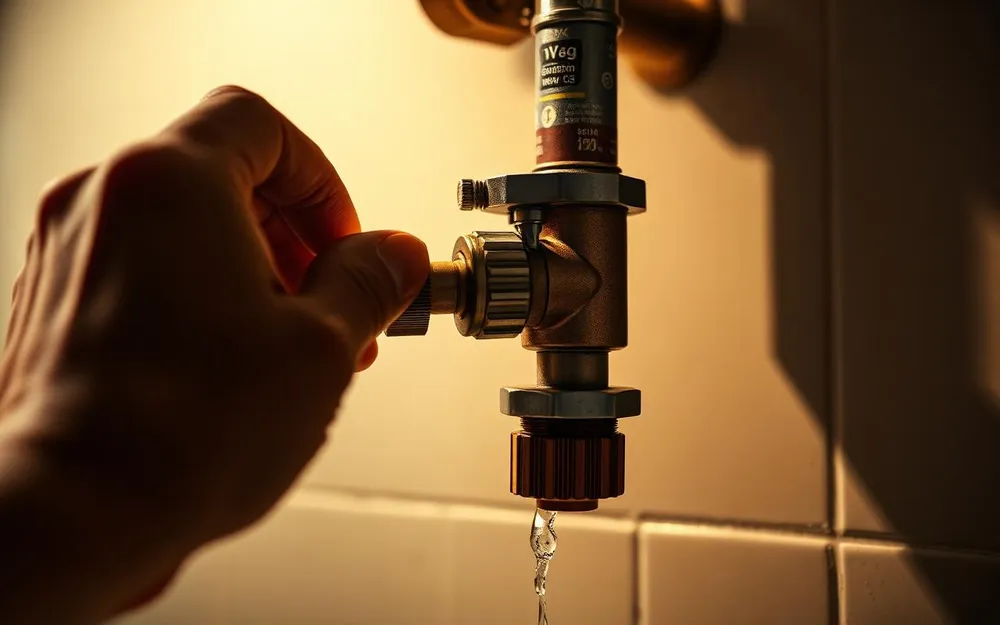
If water is rising from a toilet, remove the tank lid and carefully close the flapper at the bottom of the tank if it is still allowing water to flow. If you can safely reach the toilet's shutoff valve behind or beside the fixture, turn it clockwise. This will stop clean supply water from refilling the tank, but it will not clear a drain blockage.
Keep children and pets away from the area. Backups involving toilets, floor drains, or unknown dark water should be treated as contaminated. Avoid walking through it, and do not attempt to clean it with a household mop and then use that mop elsewhere in the home.
Move rugs, boxes, electronics, and other dry items away from the water if you can do so without entering contaminated water. Take clear photos or video of the affected fixture, water level, visible damage, and any belongings involved. Documentation helps a property manager respond with the right information and may be useful for insurance or damage discussions later.
Then notify the landlord, property manager, or building maintenance contact immediately. If water is actively overflowing, sewage is present, or the problem is occurring after normal business hours, use the emergency maintenance number. A backup that is left overnight can cause extensive damage to flooring, walls, cabinets, and units below.
Signs the Drain Problem May Affect More Than One Unit
Not every clog is a building-wide emergency. Hair in a shower drain or soap buildup in one bathroom sink may affect only one fixture. But an apartment drain backup often involves more than a simple local clog.
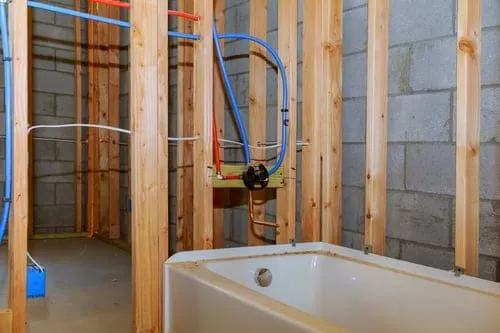
Watch for warning signs such as a toilet bubbling when a sink drains, water appearing in a shower when the toilet is flushed, multiple fixtures draining slowly, or a lower-level tub or floor drain overflowing. These symptoms can mean the blockage is farther down the line, where several fixtures or apartments connect.
In multi-unit buildings, upper floors and lower floors can experience the same problem differently. An upper apartment may only notice slow draining or gurgling. A ground-floor or lower-level unit may be where wastewater finally comes out. That does not automatically mean the lower unit caused the blockage. It often means that unit is closest to the point where the shared drain line can no longer carry water away.
A professional inspection matters because the repair depends on where the blockage is located. A drain cable may clear a localized obstruction. A camera inspection may be needed when there are recurring backups, roots in an exterior line, damaged piping, heavy grease buildup, or a suspected issue in the main sewer connection.
Who Is Responsible for the Repair?
Responsibility depends on the lease, local requirements, and the cause of the problem. In many cases, the landlord or property owner is responsible for maintaining plumbing systems, shared drain lines, and sanitary conditions in a rental property. A tenant should report the issue promptly and follow the property's emergency procedures.
There can be exceptions. If a plumber finds that a single apartment's drain was blocked by improper items, such as wipes, paper towels, hygiene products, grease, or a foreign object, the property owner may discuss whether the resident is responsible for some or all of the repair cost. That decision should be based on facts, not guesses.
Property managers should avoid assigning blame before the line is inspected. A backup can result from aging pipes, root intrusion, a collapsed section of sewer line, a clogged main, poor pipe slope, or buildup that developed over time. The goal is to stop the overflow, identify the obstruction, and document the repair clearly.
If you are a renter, do not wait to report a backup because you are unsure who will pay. Delaying notification can worsen the damage and make a straightforward repair harder to manage. Report what you observed, when it started, and which fixtures are affected.
What Not to Do
Do not pour chemical drain cleaner into a drain that is backed up or full of standing water. These products often fail against serious blockages, can damage certain pipes, and create a hazard for anyone who later works on the line. If the drain overflows, that chemical water can also spread across the room.
Do not keep plunging a toilet if water is already near the rim. Plunging can be useful for a minor toilet clog, but it is not a solution for a shared drain or sewer backup. If multiple fixtures are acting up, stop and call for service.
Avoid removing pipe traps, opening cleanouts, or taking apart plumbing under a sink unless you know the backup is contained and you are prepared for wastewater. In an apartment, those steps can create a larger spill and may violate property rules. The immediate priority is containment, not a risky repair attempt.
How Plumbers Diagnose the Real Cause
A proper service call starts with the symptoms. Which fixture backed up first? Are nearby drains slow? Did the problem begin after laundry, a shower, heavy rain, or use of a garbage disposal? Has the building had similar issues before? Those details help narrow the likely location of the blockage.
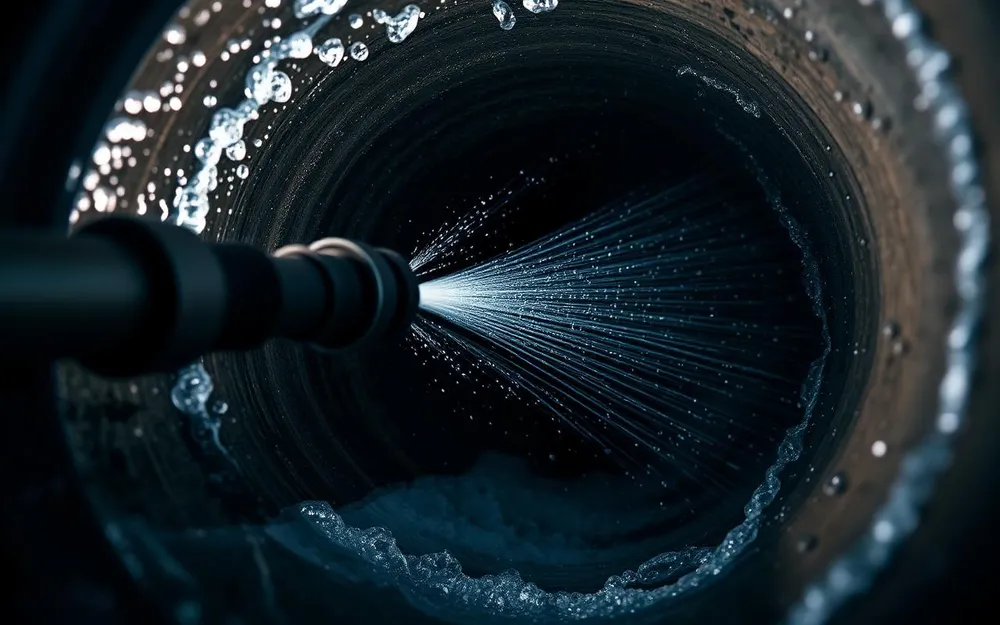
The plumber may test fixtures, inspect accessible drain connections, and use professional drain-cleaning equipment sized for the line. For recurring or severe problems, a drain camera can show what is happening inside the pipe. It can reveal root intrusion, heavy buildup, cracked pipe, standing water caused by poor slope, or a blockage that has not been fully removed.
The correct repair is not always the fastest-looking repair. Clearing a line may restore drainage today, but repeated backups may require a camera inspection or repair recommendation to prevent another emergency. For owners and managers, that distinction can protect the building from repeat water damage and frustrated tenants.
Preventing Another Backup
Good drain habits reduce avoidable clogs. Toilets should handle only toilet paper and human waste. Wipes labeled flushable, paper towels, cotton products, dental floss, and similar materials belong in the trash. Kitchen grease should cool in a container and be discarded, not rinsed down the sink.
In apartments with garbage disposals, use them carefully and run cold water while the disposal operates. Avoid sending fibrous foods, coffee grounds, large amounts of rice or pasta, bones, and grease into the drain. These materials can collect in pipes and create a stubborn blockage over time.
Property managers can prevent larger disruptions by addressing recurring slow drains early, scheduling maintenance for high-use lines, and keeping a record of previous drain issues. A recurring backup is not normal building life. It is a warning that the line needs a better look.
An apartment backup is stressful, but fast reporting and professional diagnosis limit the damage. If water is coming up through a fixture or several drains are affected, stop using the plumbing and get qualified help before a small warning becomes a building-wide mess. Best Quality Plumbing Services provides clear answers, clean workmanship, and dependable repair when your property needs the problem handled right.