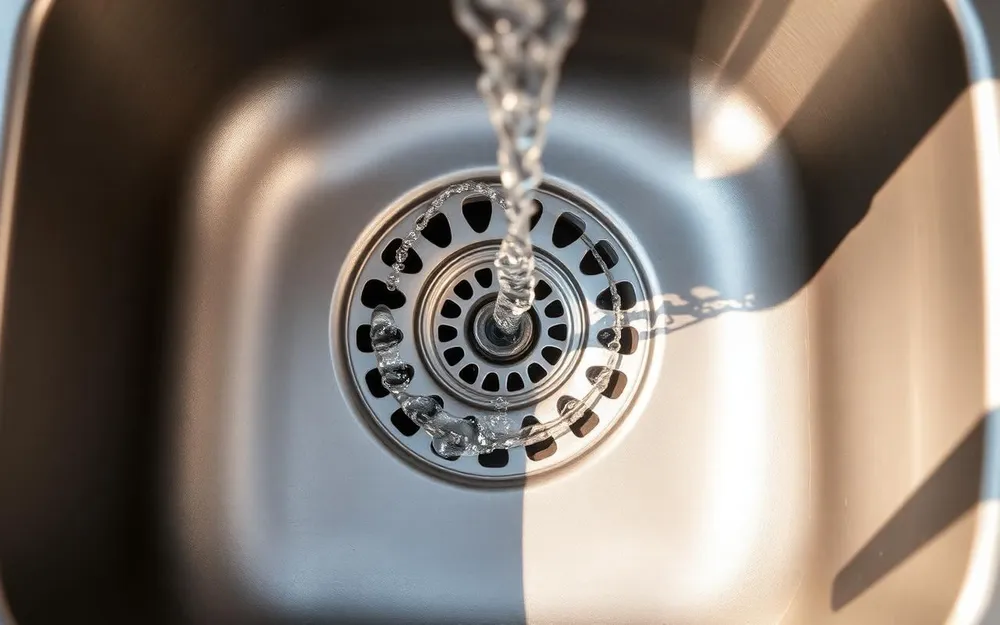
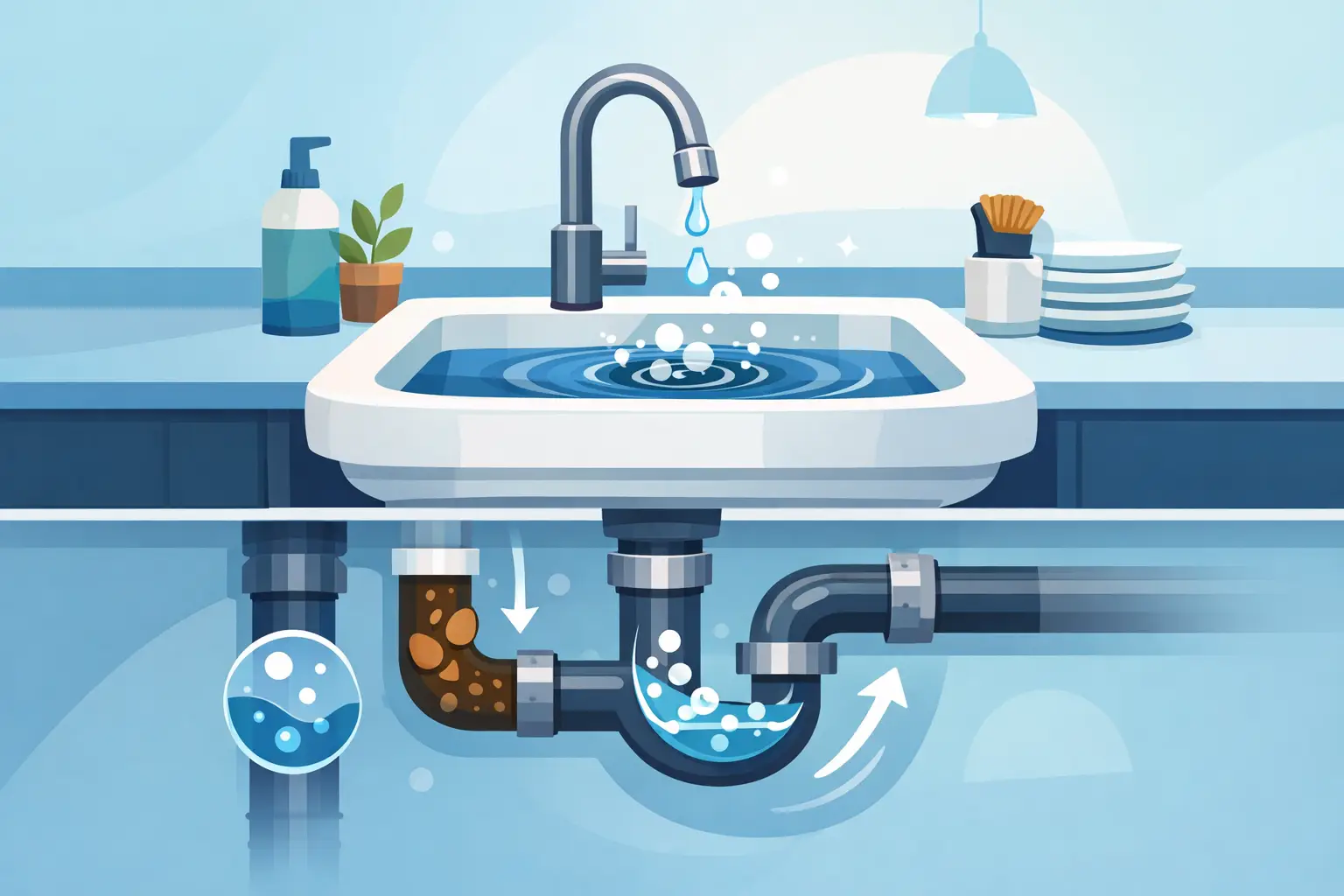
That bubbling, gulping sound after you drain the sink is more than an annoyance. If you are asking, “why does my sink gurgle,” the usual answer is that air is struggling to move through the drain system. A sink should drain quietly because water and air have clear, separate paths. When a clog, vent issue, or larger drain problem disrupts that balance, the sink may gurgle, drain slowly, or produce unpleasant odors.
A single gurgle does not always mean an emergency. But repeated noise is a warning sign worth addressing before a minor drainage restriction turns into a backup, leak, or water-damage problem.
Why Does My Sink Gurgle When Water Drains?
Your plumbing system relies on venting. Drain pipes carry wastewater away, while plumbing vents allow air into the system so water can flow without creating a vacuum. When water moves down a pipe and there is not enough available air, the system pulls air from the nearest opening. In many cases, that opening is your sink drain.
The result is the familiar gurgling or glugging sound. You may also notice bubbles rising through standing water in the sink, water moving in a nearby toilet, or a slow drain that seems to improve and worsen without a clear pattern.
The location and timing of the sound matter. A kitchen sink that gurgles only after washing greasy pans may have a local buildup in the drain. A bathroom sink that gurgles whenever the toilet flushes can point to a shared drain or vent issue. Several fixtures making noise at once deserve faster attention because the restriction may be deeper in the main drain line.
Common Reasons a Sink Starts Gurgling
A partial drain clog
This is one of the most common causes. Hair, soap residue, toothpaste, food scraps, grease, and sludge can collect along the inside of a drainpipe. Water can still squeeze past a partial blockage, but air cannot move freely around it. That uneven flow creates the gurgling sound.
A partial clog often comes with slow drainage. In a bathroom sink, the blockage may be near the stopper or trap. In a kitchen sink, grease and food residue commonly build up farther down the branch drain. If the sink drains normally most of the time but gurgles after a larger amount of water, a developing clog is a likely possibility.
A clogged plumbing vent
Vent pipes usually extend through the roof. Leaves, nests, debris, and even accumulated material can restrict the opening. When the vent cannot bring in enough air, the drain system may pull air through fixtures instead.
Vent problems can be difficult to confirm without the right equipment and safe roof access. They can also look similar to a drain clog. If your sink gurgles but the drain is not especially slow, or if multiple fixtures are affected, a plumbing professional should inspect the venting and drainage system rather than guessing.
A problem in a shared or main drain line
Homes have branch drains that serve individual fixtures and larger lines that collect wastewater from multiple rooms. A restriction farther down the system can affect more than one drain. For example, running water in an upstairs bathroom may cause a kitchen sink to gurgle, or flushing a toilet may make water move in a nearby tub.
Tree roots, pipe scale, shifted pipe sections, wipes, grease buildup, and damaged sewer piping can all restrict a main line. This is not a situation to solve by repeatedly pouring products down one sink. A main line issue needs a proper diagnosis so the actual obstruction and pipe condition can be identified.
An issue with the sink trap
The curved pipe beneath the sink is called a P-trap. It holds water that blocks sewer gases from entering the room. If the trap is poorly installed, damaged, or blocked with debris, it can contribute to drainage noise and odors.
A dry trap can also cause trouble, especially in a sink that is rarely used. The concern is usually odor rather than gurgling, but these symptoms can appear together. Run water for a minute in unused sinks to restore the water seal. If odors or noise continue, the trap and drain arrangement should be checked.
A garbage disposal obstruction
For kitchen sinks, the disposal can be part of the problem. Food debris trapped around the grinding chamber or outlet can restrict flow and make the sink gurgle. This is especially common when the disposal is used for fibrous vegetables, coffee grounds, grease, or too much food at once.
Never put your hand inside a garbage disposal. Turn off power at the breaker before checking it, and use the manufacturer-approved tool if the unit is jammed. If water backs up into the other basin of a double sink, the drain line beyond the disposal may be restricted as well.
Safe Steps to Try Before Calling a Plumber
Start with the simple checks, but do not force a drain that is already backing up. Remove visible debris from the sink stopper or strainer. In a bathroom sink, hair and soap buildup around the stopper can be surprisingly heavy. In a kitchen sink, clear food particles from the basket strainer and run hot water for a short time.
A sink plunger may help with a minor local clog. For a double-basin kitchen sink, seal the other drain opening with a stopper or wet cloth before plunging. Use steady, controlled pressure instead of aggressive force. If the sink has a garbage disposal, do not run it while plunging.
You can also clean the P-trap if it is accessible and you are comfortable doing so. Place a bucket underneath first, loosen the slip nuts carefully, and remove debris. Check the washers before reassembling the trap, then run water and inspect for leaks. If the pipes are corroded, brittle, glued in place, or difficult to access, stop and arrange service.
Avoid using harsh chemical drain cleaners. They may not clear the real blockage, can damage certain pipes and fittings, and create a safety hazard for anyone who later opens the drain. Chemical residue also makes professional drain cleaning more dangerous. A mechanical cleaning method and an accurate diagnosis are the safer route.
Signs the Gurgling Needs Professional Attention
Call for plumbing service promptly if the sink gurgles repeatedly, drains slowly, or backs up after you have cleared obvious debris. Do not wait if water rises in another fixture, the toilet bubbles when the sink drains, or multiple drains in the property are making noise. Those signs suggest the issue is beyond one sink.
Sewer-like odors, water around drain connections, or sewage backing up into a sink, tub, or shower need immediate attention. Keep people and pets away from contaminated water, avoid using additional fixtures, and do not try to push the blockage deeper with repeated plunging.
For landlords and property managers, recurring gurgling in a unit should be treated as a maintenance issue, not just a tenant inconvenience. Early drain inspection can prevent after-hours backups, damaged flooring, and service disruption for occupants.
How a Plumber Finds the Real Cause
A qualified plumber begins by identifying which fixtures are affected and how the system responds when water is run or toilets are flushed. That helps separate a local sink clog from a branch-line, main-line, or venting problem.
Depending on the symptoms, the repair may involve clearing the trap, snaking a drain, cleaning a larger line, inspecting the vent, or using a camera to locate roots, pipe damage, or heavy buildup. The best repair depends on what is actually in the pipe and where it is located. Clearing a small clog may restore normal drainage, while an older or damaged line may need a more lasting solution.
Best Quality Plumbing Services provides clear, practical troubleshooting for homeowners and property managers who need the noise - and the underlying drainage issue - handled correctly. A good repair should leave you with a quiet sink, proper drainage, and confidence that water is moving where it should.
If your sink is gurgling more than once or two, pay attention to what else happens around the home. That small sound can be the first useful clue that your plumbing system needs service before it becomes a much bigger interruption.