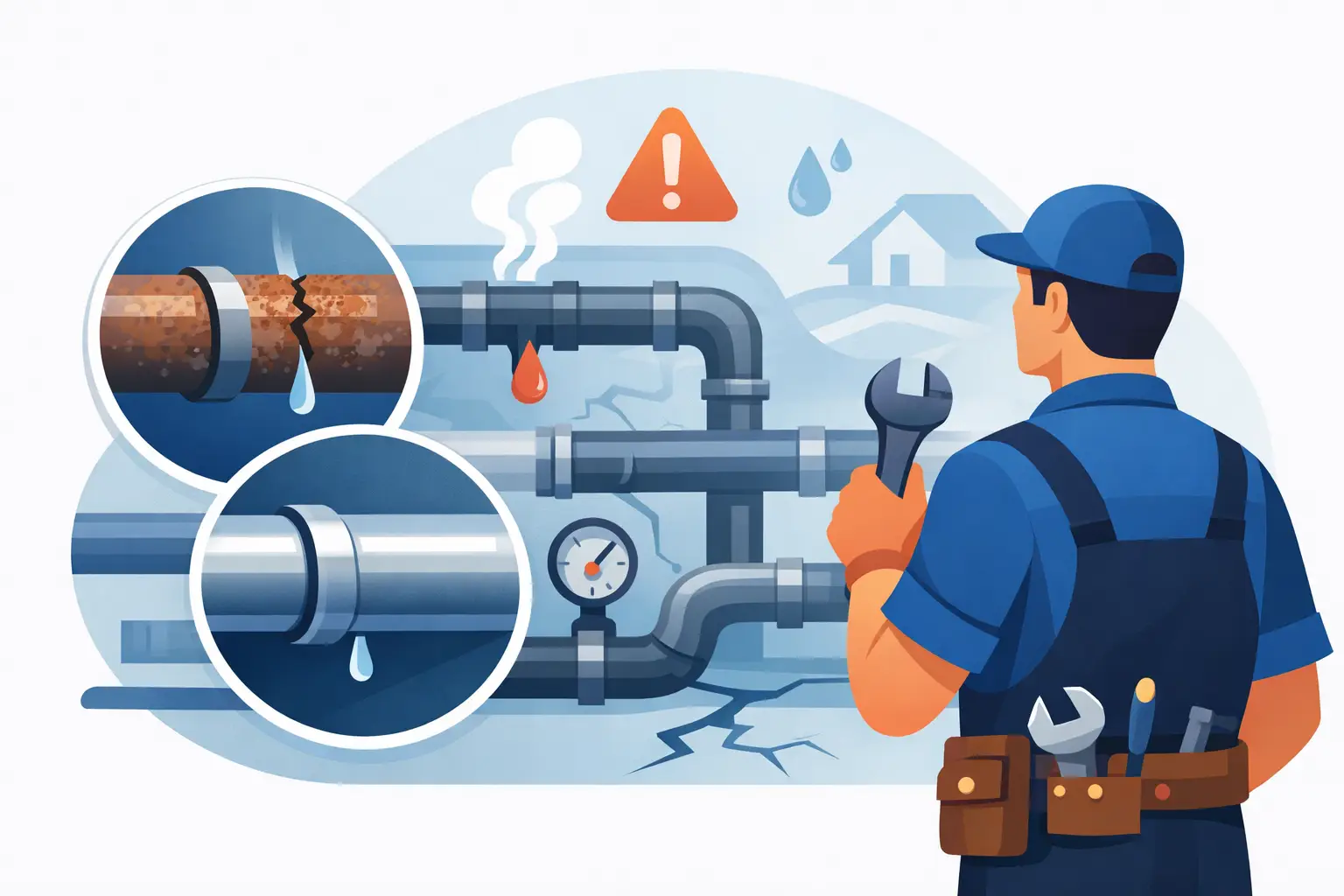
A small water stain under the sink can be a simple repair. A second leak behind a wall, rusty water at the tap, or recurring drain trouble is different. Homeowners often ask, “when should pipes be replaced?” The right answer depends on the pipe material, its age, the condition of the system, and whether repairs are starting to repeat.
Replacing pipes is a major decision, but waiting too long can lead to damaged drywall, flooring, cabinets, and personal property. A qualified plumber can identify whether a targeted repair will solve the problem or whether part of the plumbing system has reached the end of its useful life.
When Should Pipes Be Replaced Instead of Repaired?
One isolated leak does not automatically mean your home needs new plumbing. Pipes can be damaged by a loose connection, a failed fitting, accidental impact, or a single corroded section. In those cases, a focused repair may be the sensible and cost-effective choice.
Replacement becomes more likely when problems are repeated, widespread, or connected to aging materials. If a plumber repairs one leak and another develops soon afterward in a different area, the system may be deteriorating from the inside. Repeated service calls can quickly cost more and cause more disruption than replacing the failing section or repiping the home.
The most practical question is not just whether a pipe can be repaired. It is whether that repair gives you a reliable system for the years ahead. A professional inspection helps put the issue in context instead of making a decision based on one symptom.
Warning Signs Your Pipes May Be Failing
Pipe problems are not always visible. Much of a home's plumbing is located behind walls, below floors, or underground, so early warning signs matter. Call for an inspection if you notice several of the following issues.
- Recurring leaks: Leaks in more than one location, especially in older plumbing, often point to corrosion or worn pipe walls.
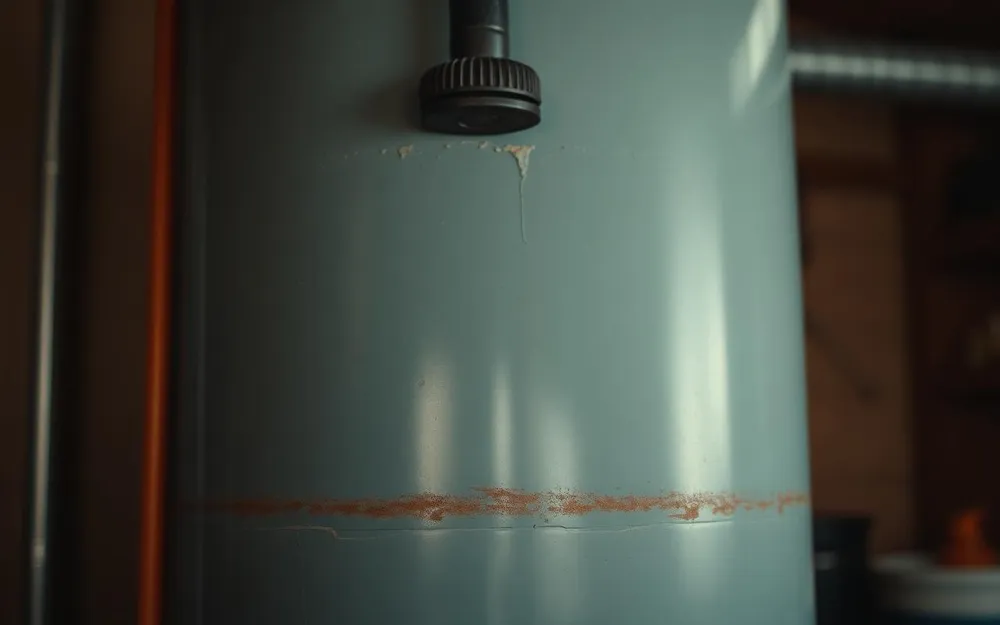
- Discolored water: Brown, yellow, or reddish water can indicate rust or sediment in aging galvanized steel pipes. If the discoloration only appears with hot water, the water heater may also need attention.
- Low water pressure: A sudden drop may be caused by a leak or blockage. Gradual pressure loss throughout the house can result from mineral buildup and internal corrosion.
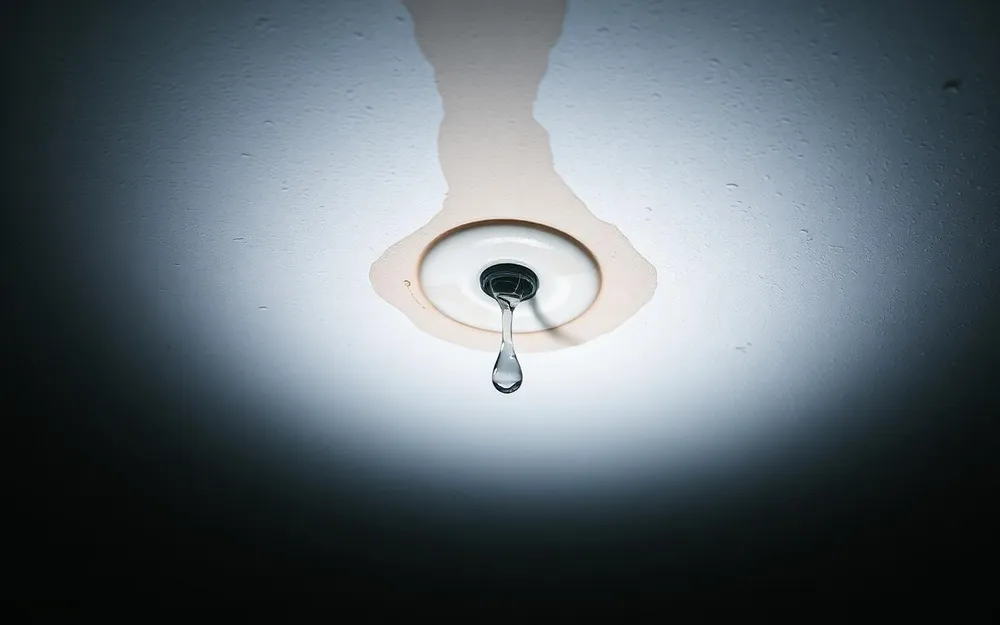
- Water stains, soft walls, or damp flooring: These signs may indicate a hidden leak. Do not wait for visible dripping to investigate.
- Frequent drain backups: Repeated clogs in the same fixture may be localized. Backups affecting multiple drains can signal a damaged, offset, root-invaded, or deteriorating sewer line.
- Unexplained water bills: A higher bill without a change in household water use can point to a hidden supply-line or slab leak.
Musty odors, peeling paint, mold growth, and the sound of water running when fixtures are off also deserve prompt attention. These are not cosmetic issues. Moisture can damage the structure of a home and create conditions that are harder and more expensive to correct later.
Age matters, but material matters more
A pipe's age is useful, but material and local water conditions play a major role in how long it lasts. Homes with hard water or highly corrosive water may experience internal buildup and corrosion sooner than expected. Poor installation, improper water pressure, and past repairs can also shorten a plumbing system's life.
Galvanized steel supply pipes are often a concern in older homes. They can corrode internally, reducing water flow before an exterior leak appears. Cast iron drain lines may rust, crack, scale internally, or develop weak joints over time. Older Orangeburg sewer pipes can deform or deteriorate and often require replacement when problems begin.
Copper can last for decades, but it is not permanent. Pinholes, corrosion, and repeated leaks may justify replacing affected runs. Modern PEX and PVC systems generally have long service lives when installed correctly, though they can still be damaged by freezing, UV exposure, poor fittings, or outside impact.
Common Pipe Life Spans
There is no expiration date printed on a plumbing system, but these general ranges can help homeowners plan. Galvanized steel supply pipes often last 20 to 50 years. Copper supply pipes may last 50 years or longer. PEX supply piping can commonly last 40 to 50 years or more under proper conditions.
For drain and sewer systems, PVC can last 50 years or longer, while cast iron may last 50 to 100 years depending on its condition and environment. These figures are estimates, not guarantees. A 60-year-old cast iron line may still be serviceable, while a much newer line can fail early because of root intrusion, shifting soil, or installation defects.
If you recently bought an older home, ask for plumbing records if they are available. Knowing whether the pipes were partially updated, fully repiped, or never replaced gives a plumber a clearer starting point.
Supply Pipes and Sewer Pipes Fail Differently
Water supply pipes bring clean water into fixtures under pressure. When they leak, they can cause rapid water damage, high utility bills, and mold concerns. Corrosion, pinhole leaks, failing fittings, and worn shutoff valves are common supply-side problems.
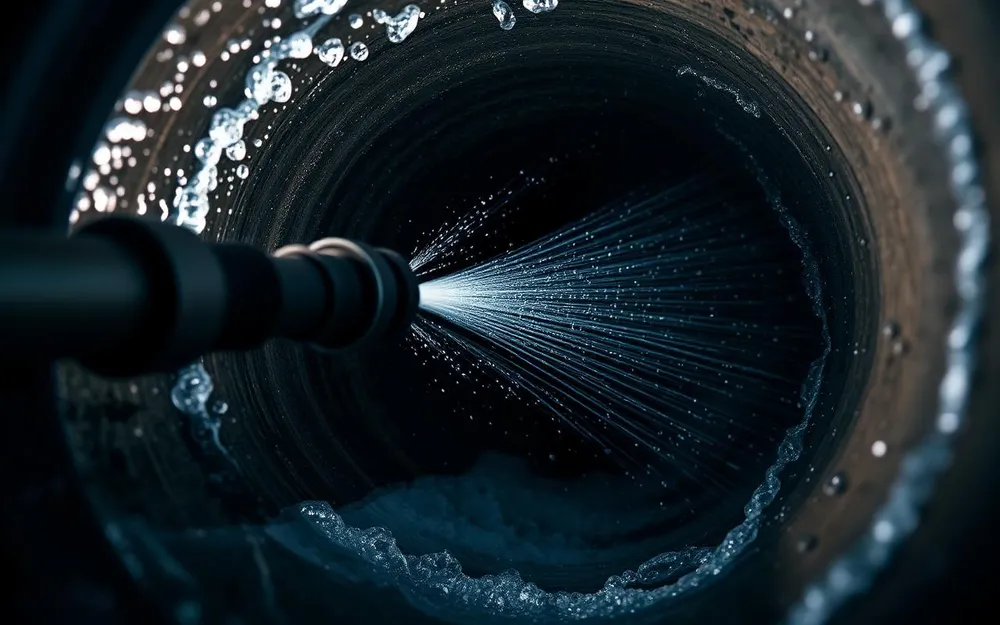
Drain and sewer pipes carry wastewater away from the home. Their warning signs are usually slow drains, odors, gurgling toilets, recurring backups, or sewage appearing in tubs and showers. A sewer camera inspection can show whether the line has cracks, root intrusion, separated joints, buildup, or a collapse.
The repair approach is different as well. A leaking supply line may need a small repair, rerouting, or replacement of old pipe throughout the home. A damaged sewer line may need spot repair, cleaning, trenchless work where appropriate, or full replacement. The right scope should follow a clear diagnosis, not guesswork.
Repair, Partial Replacement, or Full Repiping?
There are three common paths. A repair is best when the damage is isolated and the surrounding pipe is in good condition. Partial replacement makes sense when one branch, bathroom, kitchen line, or accessible section is failing while the rest of the system remains sound.
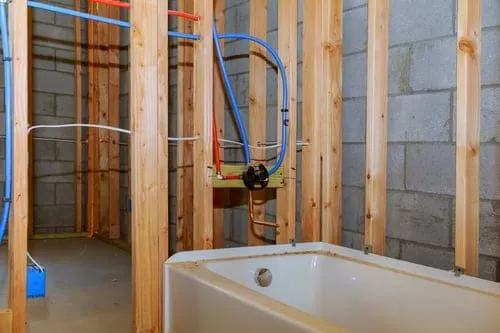
Full repiping is worth considering when old or unsuitable pipe material is present throughout the home, leaks are becoming routine, water pressure is poor in multiple areas, or renovation work already requires opening walls. Although repiping has a higher upfront cost, it can reduce the uncertainty and repeated damage that comes with patching an aging system one leak at a time.
For rental properties and small commercial spaces, reliability matters even more. A repeated pipe failure can disrupt tenants, close bathrooms or kitchens, and create avoidable property damage. Planning replacement before an emergency often gives owners more control over scheduling and cost.
What to Expect From a Professional Pipe Inspection
A dependable plumbing inspection should begin with the symptoms you have noticed and the history of previous repairs. The plumber may check water pressure, look for visible corrosion, inspect exposed piping, test fixtures, and evaluate moisture around likely leak areas.
For drain or sewer concerns, a camera inspection may be recommended. This allows the plumber to see the inside of the line and identify the exact location and cause of the problem. For hidden water leaks, additional leak detection methods may be used to narrow down the source without unnecessary demolition.
You should receive a clear explanation of what was found, what can be repaired, and what replacement options make sense. Good plumbing advice includes the trade-off: the least expensive repair today may not be the least expensive choice over the next several years.
Do Not Wait for a Burst Pipe
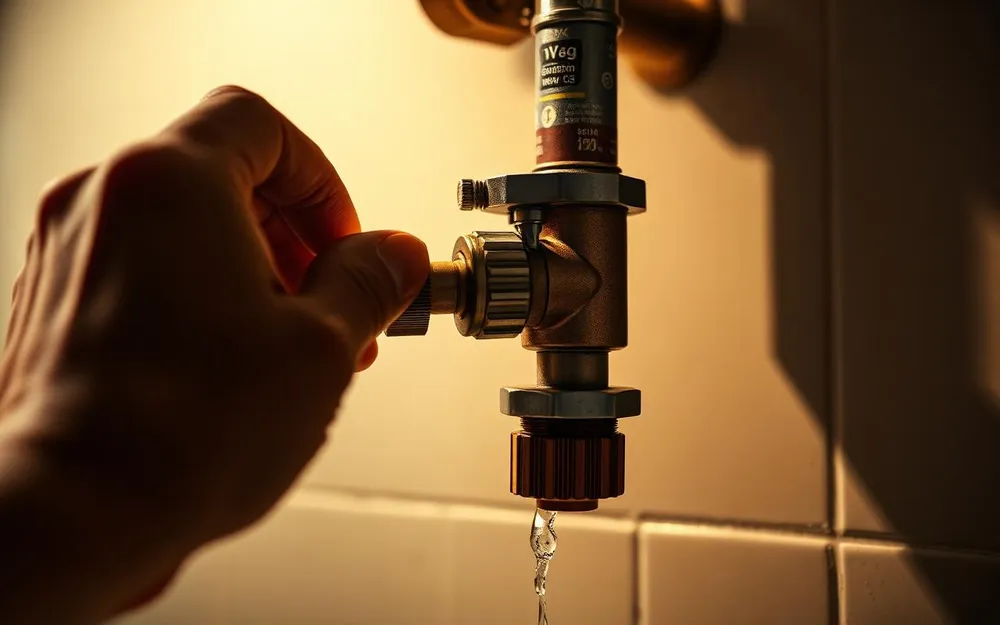
A burst pipe is an emergency, but many replacements can be planned before the situation reaches that point. Schedule an inspection when leaks repeat, water quality changes, pressure declines, or your older plumbing starts showing its age. If water is actively leaking, shut off the nearest fixture valve or the home's main water supply if necessary, then call for service.
For homeowners in Sylmar, Santa Clarita, Granada Hills, and nearby communities, Best Quality Plumbing Services can help determine whether your pipes need a straightforward repair or a replacement plan built to last. Taking action while the warning signs are still manageable protects your home, your schedule, and your peace of mind.