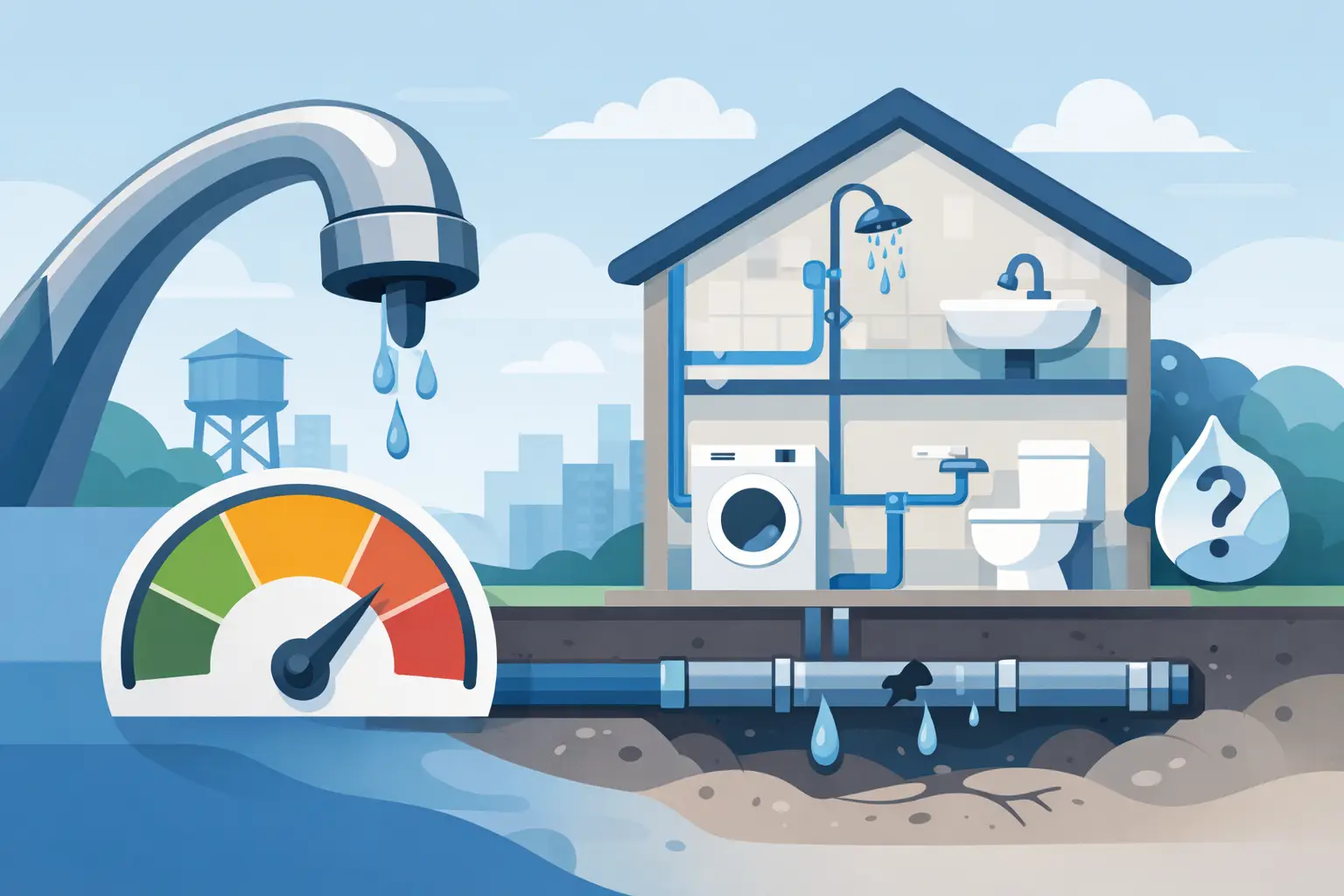
A shower that suddenly turns weak, a kitchen faucet that takes forever to fill a pot, or a washing machine that runs poorly can disrupt the whole day. If you are asking, “what causes low water pressure,” the answer depends on whether the problem affects one fixture, one part of the home, or every tap. That distinction helps identify whether you need a simple cleaning, a repair, or a professional plumbing inspection.
Low water pressure is more than an inconvenience. It can point to restricted pipes, a hidden leak, a failing valve, or an issue with the main water supply. Addressing the cause early can help prevent water damage, wasted water, and a larger repair later.
What Causes Low Water Pressure in a House?
The first step is determining the scope of the problem. Turn on cold water at several fixtures, including a kitchen faucet, bathroom sink, shower, and outdoor spigot if you have one. Then test the hot water side separately.
If only one fixture has weak pressure, the issue is often local to that faucet or showerhead. If several fixtures have low pressure, the problem may be in your plumbing system, water heater, shutoff valve, pressure regulator, or the municipal supply. Weak pressure only on hot water points more directly to the water heater or hot-water piping.
A Clogged Aerator or Showerhead
Mineral deposits, sand, pipe scale, and small debris can collect in faucet aerators and showerheads. This is one of the most common reasons for low pressure at a single fixture, especially in areas with hard water.
A faucet may still produce a steady stream, but the flow can look thin or spray unevenly. A showerhead may have a few weak streams while other nozzles barely release water. Removing and cleaning the aerator or showerhead can solve the problem when buildup is limited to that fixture.
If debris returns quickly after cleaning, do not assume the fixture is the only issue. Material may be traveling through aging pipes or entering from a deteriorating component elsewhere in the system.
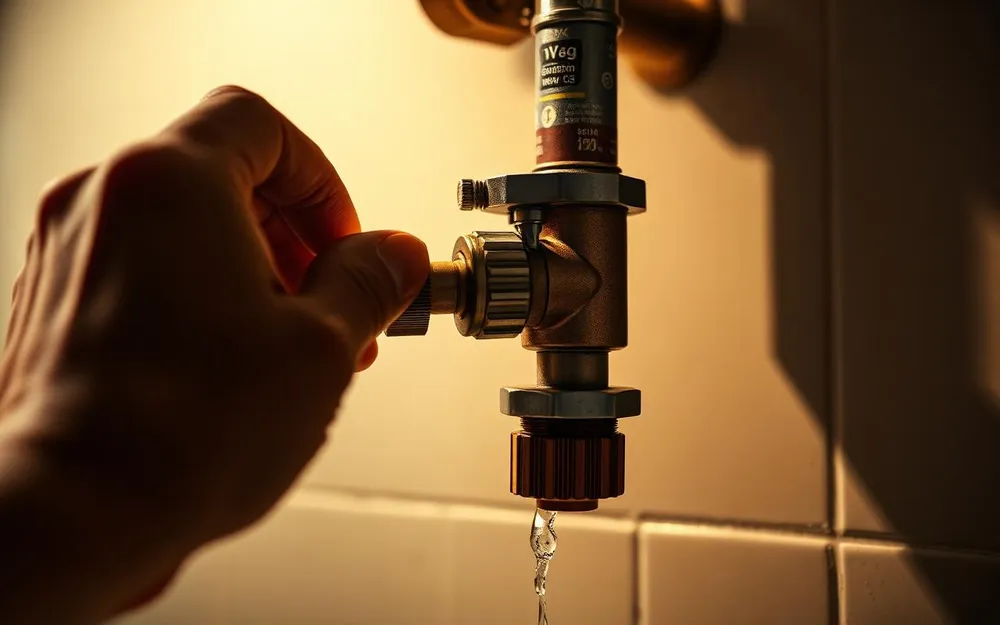
Partially Closed Shutoff Valves
Every home has valves that control water to fixtures and major sections of the plumbing system. There may be a main shutoff valve near the water meter, a valve near the home’s water entry point, and smaller valves below sinks or behind toilets.
A valve that is partly closed restricts flow. This can happen after a repair, a water shutoff, or a homeowner trying to stop a leak. Gate-style valves can also fail internally as they age, meaning the handle may appear open even though the valve is not allowing full flow.
Check accessible valves carefully, but do not force a stuck or corroded valve. Forcing it can cause a leak or leave you unable to shut off water during an emergency.
A Failing Pressure Regulator
Some homes have a pressure-reducing valve, often called a pressure regulator, installed on the main water line. Its job is to keep incoming water pressure at a safe, usable level for the house. When it begins to fail, pressure may become consistently weak, fluctuate throughout the day, or drop suddenly.
Pressure regulator problems can feel confusing because water may seem normal at certain times and weak at others. A plumber can test the actual pressure with a gauge and determine whether the regulator needs adjustment or replacement. This is not a part to guess at, since pressure that is too high can damage pipes, supply lines, fixtures, and appliances.
Hidden Plumbing Leaks
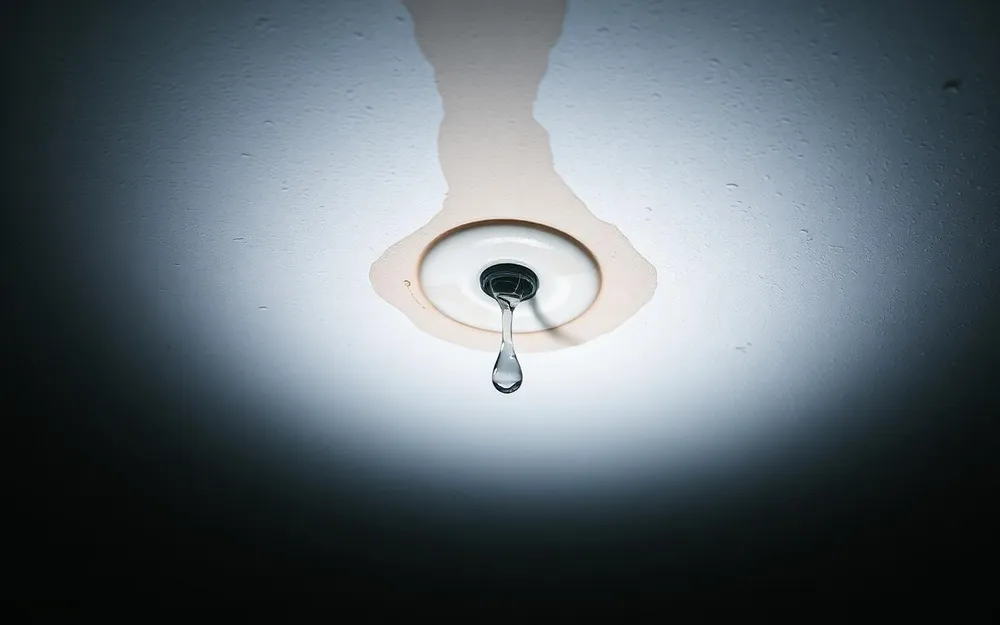
A leak takes water away from the fixtures where you need it. Small leaks behind walls, under floors, in ceilings, or underground can reduce pressure before obvious water damage appears.
Watch for a water meter that continues moving when all fixtures and appliances are off, unexplained increases in your water bill, damp spots, warm flooring, mildew smells, or the sound of running water with no faucet open. A leak does not always cause a dramatic pressure drop, but low pressure combined with any of these warning signs calls for prompt attention.
A hidden leak can worsen quickly. Waiting for visible staining or pooling water usually means the problem has already had time to spread.
Corroded or Restricted Pipes
Older galvanized steel pipes can corrode from the inside out. Over time, rust and mineral scale reduce the inside diameter of the pipe, leaving less room for water to move through. The exterior may look fine while the inside is heavily restricted.
This issue often develops gradually. Homeowners may notice that pressure has declined over several years, certain fixtures perform worse than others, or rusty water appears briefly after the water has been off. Pipe replacement or repiping may be the long-term answer, but the right repair depends on the pipe material, age, condition, and location of the restriction.
Not every older home needs a full repipe immediately. A professional inspection can identify whether a targeted repair is reasonable or whether widespread corrosion makes replacement the more dependable investment.
Water Heater or Hot-Water Line Problems
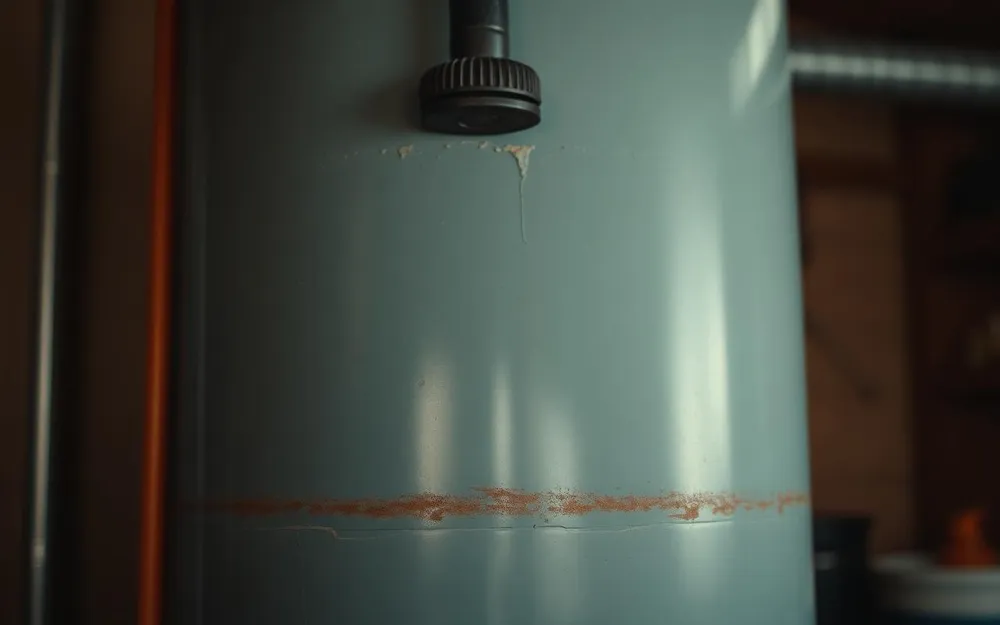
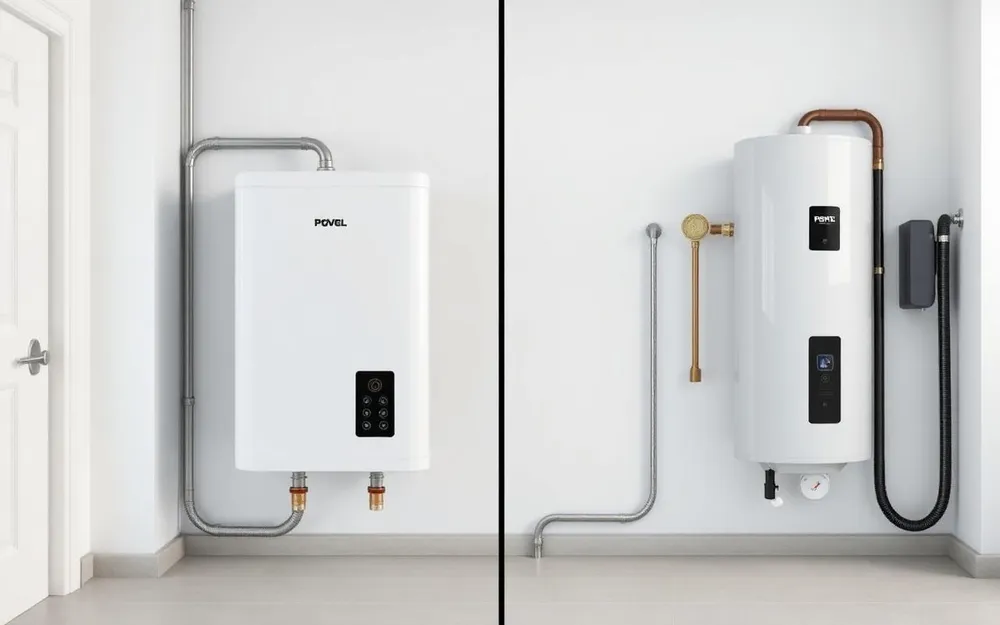
When cold water pressure is normal but hot water is weak, focus on the hot-water side. Sediment in a tank-style water heater, a partially closed water heater valve, corrosion in hot-water piping, or a failing mixing valve can reduce flow.
If low hot-water pressure comes with discolored water, popping sounds from the heater, inconsistent water temperature, or signs of leaking around the unit, arrange service rather than attempting major adjustments yourself. Water heaters combine pressurized water, high heat, and either gas or electrical components. A correct diagnosis protects both your water supply and your safety.
A Problem With the Main Supply Line
The water service line carries water from the meter to your home. A damaged, pinched, leaking, or root-intruded service line can limit pressure throughout the property. Homes with older lines may also have undersized piping that struggles to supply modern fixtures, irrigation systems, and appliances at the same time.
Pressure can drop when several fixtures run together without necessarily meaning there is a failure. For example, running a shower, dishwasher, washing machine, and sprinkler system at once places a high demand on the supply. But if normal household use now causes a major drop and it did not before, the supply line should be evaluated.
Municipal Supply or Neighborhood Work
Sometimes the plumbing inside the house is not the source of the problem. Utility maintenance, water main work, high neighborhood demand, or an issue affecting nearby homes can lower pressure temporarily.
Ask a nearby neighbor whether they are seeing the same issue. If they are, contact the local water provider. If their pressure is normal and yours is not, the problem is more likely within your property or plumbing system.
Simple Checks Before Calling a Plumber
Start by checking whether the pressure problem is at one fixture or throughout the home. Compare hot and cold water, and see whether the issue changes at different times of day. Look for visible leaks under sinks, around toilets, near the water heater, and at exposed pipes.
You can also make sure appliance supply valves and accessible fixture valves are fully open. If a faucet aerator is visibly clogged, cleaning it is a reasonable first step. Keep small parts organized and avoid using excessive force on old fittings.
Do not open walls, dig near utility lines, alter the pressure regulator, or take apart water heater components to chase a pressure issue. Those jobs can create leaks, safety risks, or costly damage if the underlying cause is misidentified.
When Low Water Pressure Needs Professional Repair
Call a plumber when pressure drops suddenly throughout the home, when you suspect a hidden leak, or when the problem affects hot water only. Professional service is also the right move if you see water damage, rusty water, recurring debris in faucets, a running water meter, or a pressure issue after a recent plumbing repair.
For homeowners and property managers in Sylmar, San Fernando Valley communities, and nearby areas, Best Quality Plumbing Services can identify the source of low water pressure and explain the repair in clear terms. The goal is not to replace parts blindly. It is to find the restriction, leak, valve issue, or supply problem and restore dependable water flow.
Weak water pressure rarely fixes itself. A quick check can rule out a clogged fixture, but a persistent change in your home’s water flow deserves attention before it turns into a larger plumbing problem.