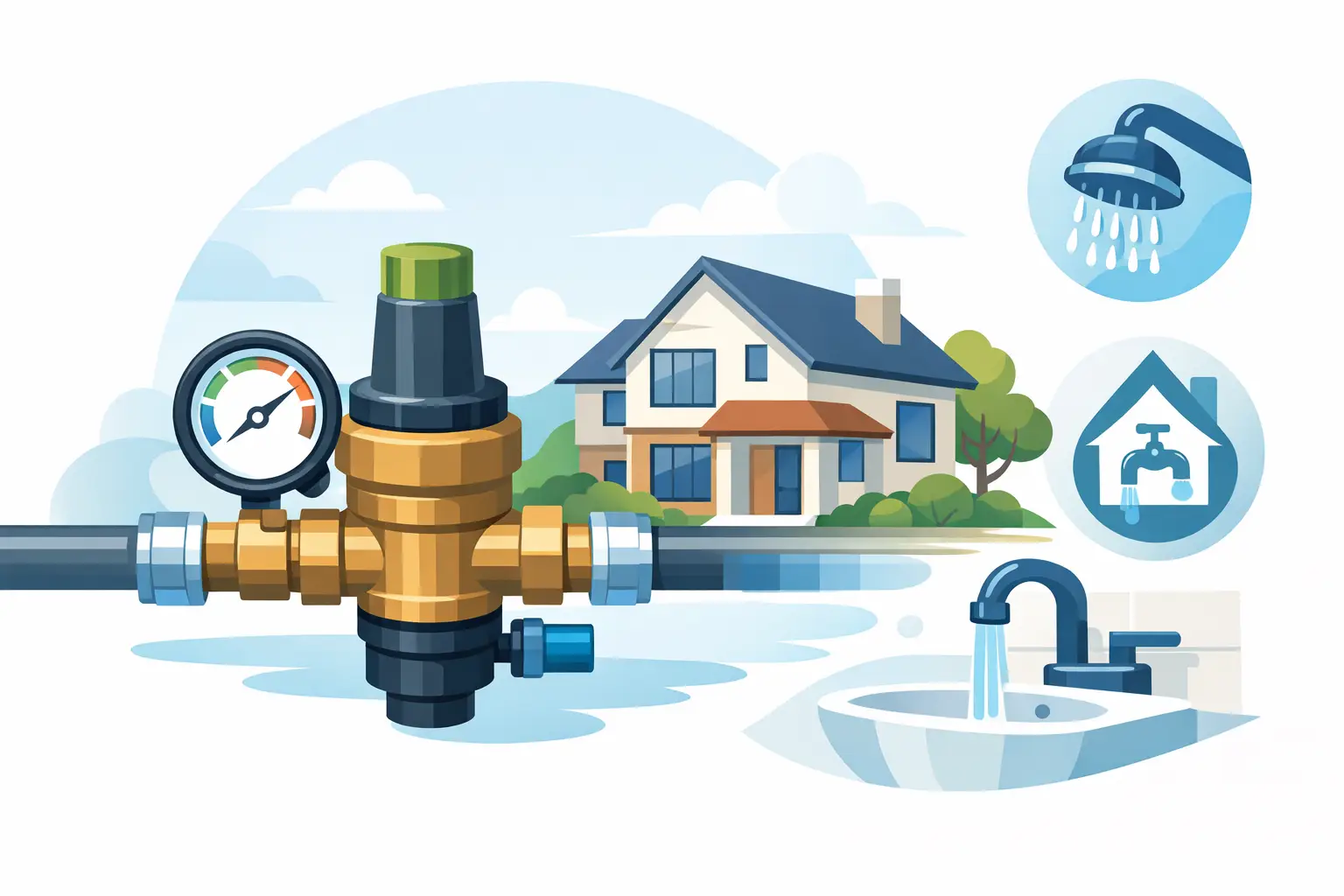
A shower that suddenly feels forceful may seem like a good thing. But when water pressure is too high, it can quietly wear down the plumbing behind your walls, shorten appliance life, and turn small weak points into expensive leaks. The most practical water pressure regulator benefits come from keeping your home's water pressure at a safe, steady level instead of allowing it to spike with changes in the municipal supply.
For homeowners and property managers, this is not usually a do-it-yourself guess. A plumber can test the pressure, inspect the regulator, and determine whether the problem is high incoming pressure, a failing regulator, or a different plumbing issue altogether.
What a Water Pressure Regulator Does
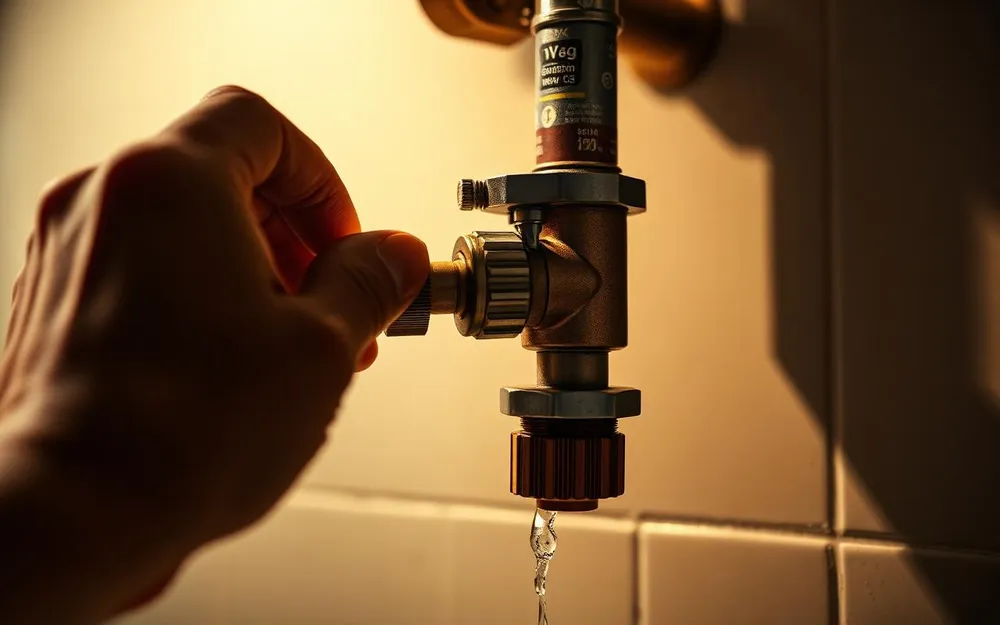
A water pressure regulator, also called a pressure-reducing valve, is installed on the main water line where water enters a property. Its job is simple: it lowers high incoming water pressure and maintains a more consistent pressure throughout the plumbing system.
City water pressure can vary by neighborhood, elevation, time of day, and demand on the local system. A home near the bottom of a hill, for example, may receive much higher pressure than a home at a higher elevation. Without a working regulator, that pressure reaches every supply line, shutoff valve, faucet, toilet, water heater, dishwasher, washing machine, and ice maker in the building.
Most residential plumbing systems perform well around 40 to 60 psi. Pressure above 80 psi is generally considered too high for a home and may require correction. A professional pressure test gives you a real number to work with rather than relying on how strong the water feels at a faucet.
Water Pressure Regulator Benefits That Prevent Damage
The biggest benefit is protection. Plumbing components are designed to handle normal use, but constant high pressure places extra strain on seals, connections, and moving parts. That strain adds up.
Fewer Leaks and Pipe Failures
High pressure pushes constantly against pipe joints, faucet cartridges, toilet fill valves, supply hoses, and fixture connections. A fitting that might have lasted for years under normal pressure can start dripping sooner when it is under excess force every day.
Not every leak is caused by high pressure, and older pipes can fail for other reasons, including corrosion or poor past repairs. Still, pressure control removes one common source of unnecessary stress. It can be especially valuable in older homes where pipes and valves may already be near the end of their service life.
Longer Life for Appliances and Fixtures
Your washing machine, dishwasher, refrigerator water line, water heater, and filtration equipment all connect to the home's water supply. Excess pressure can wear out internal valves and hoses faster, raising the chance of an unexpected failure.
Fixtures take the hit too. A toilet that keeps running, a faucet that drips after being shut off, or a shower valve that becomes difficult to control may have a worn part. Replacing that part can solve the immediate issue, but checking the water pressure helps prevent the same problem from returning early.
Less Risk of Sudden Water Damage
A burst supply hose or failed valve can release a surprising amount of water in a short time. The repair may be minor, but damaged flooring, cabinets, drywall, and personal belongings can make the situation much more costly.
A pressure regulator cannot prevent every plumbing emergency. It will not stop a pipe from freezing, repair corrosion, or fix a damaged drain line. What it can do is reduce the force working against your pressurized water lines day and night. That is a meaningful layer of protection for a home or rental property.
Better Control at Faucets and Showers
Water pressure that is too high can make faucets splash, create harsh shower flow, and cause toilet fill valves to close noisily. A properly adjusted regulator helps produce more predictable flow from one fixture to another.
This does not mean water will feel weak. Pressure and flow are related but not identical. A regulator set correctly should provide comfortable water service while avoiding the excessive pressure that damages plumbing. If the flow is poor after pressure is adjusted, a plumber should look for other causes, such as mineral buildup, a partially closed valve, a clogged aerator, or an undersized or restricted pipe.
Signs Your Pressure Regulator May Need Attention
Pressure regulators do not last forever. Internal parts can wear, mineral deposits can interfere with operation, and the valve can eventually fail to hold a consistent setting. Some failures are obvious, while others develop slowly.
Call for an inspection if you notice pressure that is unusually strong, changes from day to day, or drops and rises while you are using water. Banging or rattling pipes, noisy toilet valves, recurring drips, and leaking appliance hoses can also point to a pressure problem. Another common sign is a pressure gauge that reads above 80 psi when connected to an outdoor hose bib or laundry connection.
Low pressure can also involve the regulator, particularly if the valve is failing or incorrectly adjusted. However, low pressure may be caused by a partially closed main shutoff valve, a leak, clogged piping, a water treatment system, or a municipal supply issue. Testing and diagnosis matter because turning a regulator adjustment screw without knowing the actual pressure can make the problem worse.
A Regulator Is Not a Set-It-and-Forget-It Part
Once installed, a pressure regulator needs occasional attention. There is no single replacement schedule that fits every property. Water quality, incoming pressure, usage, the age of the valve, and the condition of the plumbing all affect its lifespan.
A pressure check during routine plumbing maintenance is a sensible way to catch problems before a hose or fixture fails. Property managers may also want pressure checks between tenants or during inspections, especially in buildings with older plumbing or repeated maintenance calls.
If a regulator needs replacement, the work typically involves shutting off the water, removing the old valve, installing a properly sized new unit, and setting and testing the pressure. The valve location and accessibility affect the scope of the job. In some homes it is easy to reach near the main shutoff; in others, aging valves, cramped access, or related pipe repairs may need to be addressed at the same time.
When High Water Pressure Needs a Professional Repair
Do not ignore high pressure because the plumbing appears to be working. The damage often happens gradually, and the first clear warning may be a failed supply line, leaking water heater connection, or fixture that starts dripping after years of reliable use.
A qualified plumber can measure static pressure, check pressure changes while water is running, inspect the regulator setting, and look for signs of thermal expansion. In homes with certain water heater setups, thermal expansion can increase pressure after the water heats up. That may require a separate solution, such as an expansion tank, rather than simply adjusting the regulator.
For homeowners in Sylmar and nearby San Fernando Valley communities, Best Quality Plumbing Services can assess water pressure concerns and explain the repair in plain language. The goal is not to replace parts blindly. It is to identify what is putting your plumbing at risk and correct it with dependable workmanship.
A steady, safe pressure setting is one of those behind-the-scenes details that protects the parts of your home you use every day. If your fixtures are noisy, leaks keep returning, or your water pressure feels unpredictable, a professional test is a small step that can help prevent a much larger repair.