A failing water heater has a way of disrupting the whole property. Cold showers are frustrating, but the bigger concern is often the water damage, gas safety issue, or sudden loss of hot water that follows. Water heaters usually give homeowners warning signs before they quit completely. Knowing what those signs mean can help you schedule the right repair before a small issue becomes an expensive emergency.
Common Water Heater Problems That Need Attention
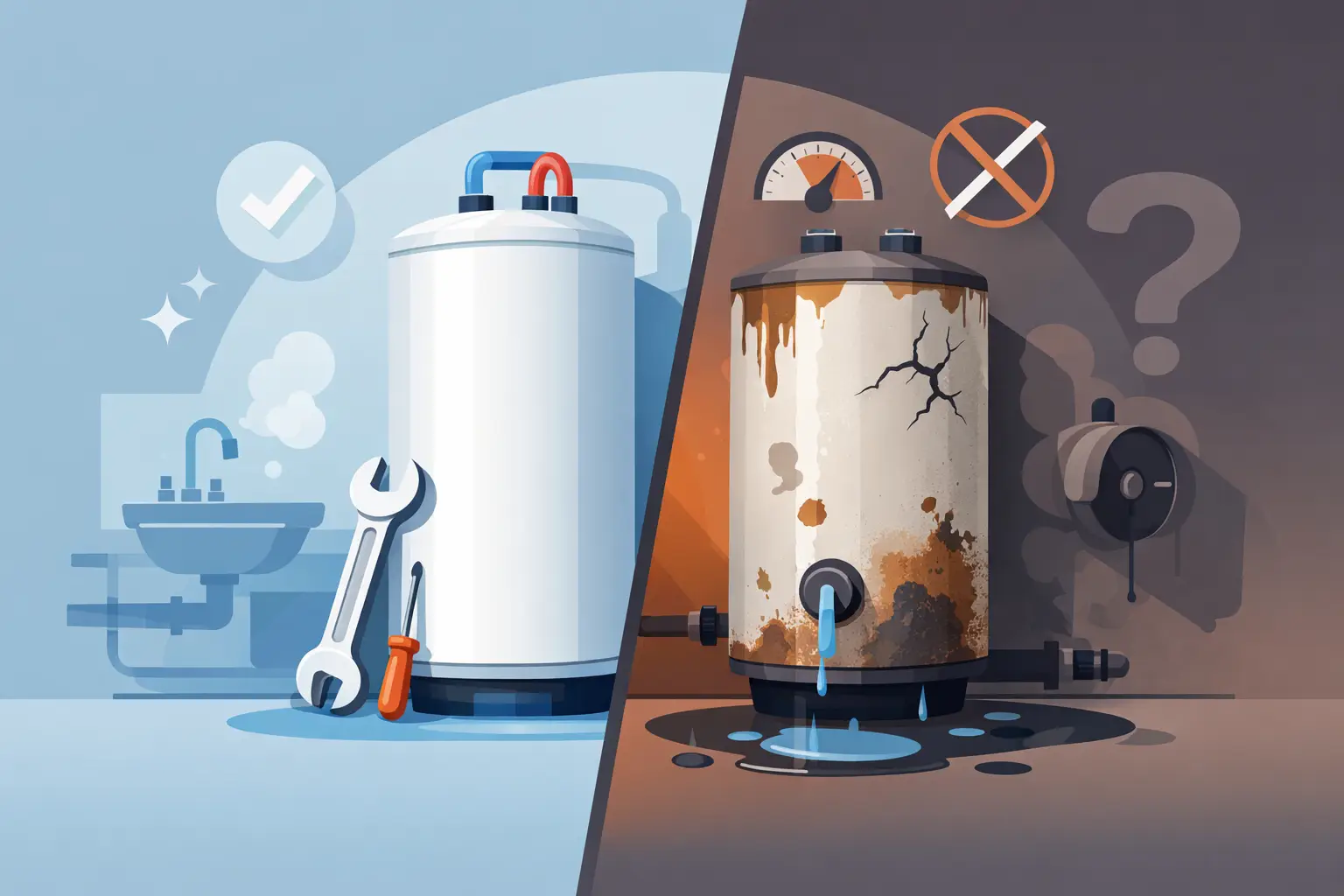
Not every issue means the unit needs to be replaced. A professional inspection can often identify a repair that restores safe, reliable operation. The key is acting early rather than waiting for a complete failure.
No hot water or inconsistent temperatures
No hot water can point to several different problems. On an electric unit, a failed heating element, thermostat, wiring issue, or tripped breaker may be responsible. On a gas model, the cause may be a pilot light problem, faulty thermocouple, gas control valve, burner issue, or venting concern.
If hot water comes and goes, the problem may be less obvious. A worn component can work intermittently before failing altogether. Hard water sediment can also reduce heating performance, especially in older tank-style units. A qualified plumber can test the system and explain whether a targeted repair makes sense.
Water around the base of the tank
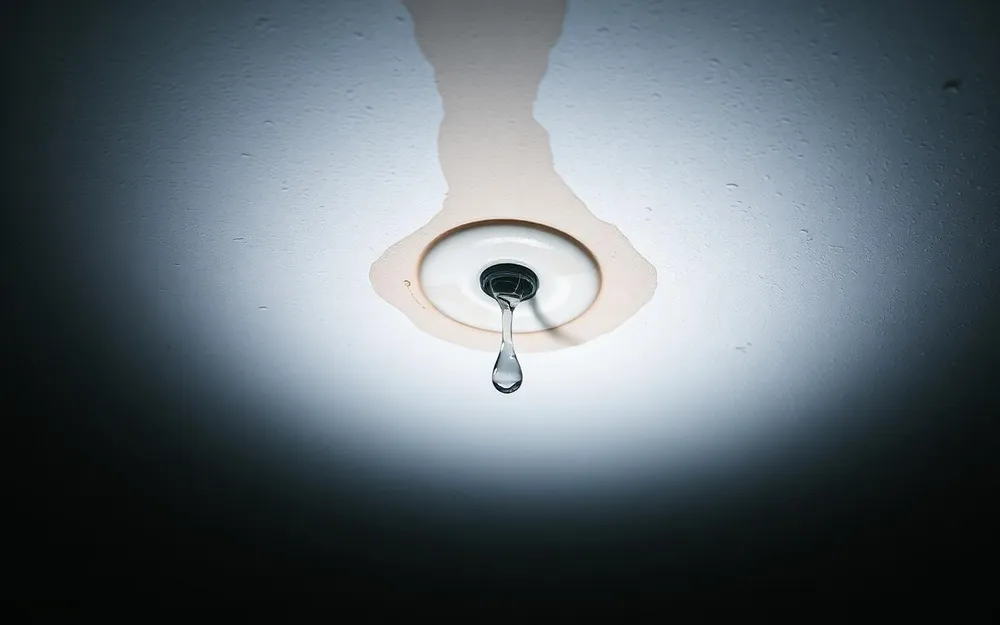
Water near a heater should never be ignored. It may be a loose connection, a leaking temperature and pressure relief valve, condensation, or a drain valve that is no longer sealing properly. These problems can often be repaired.
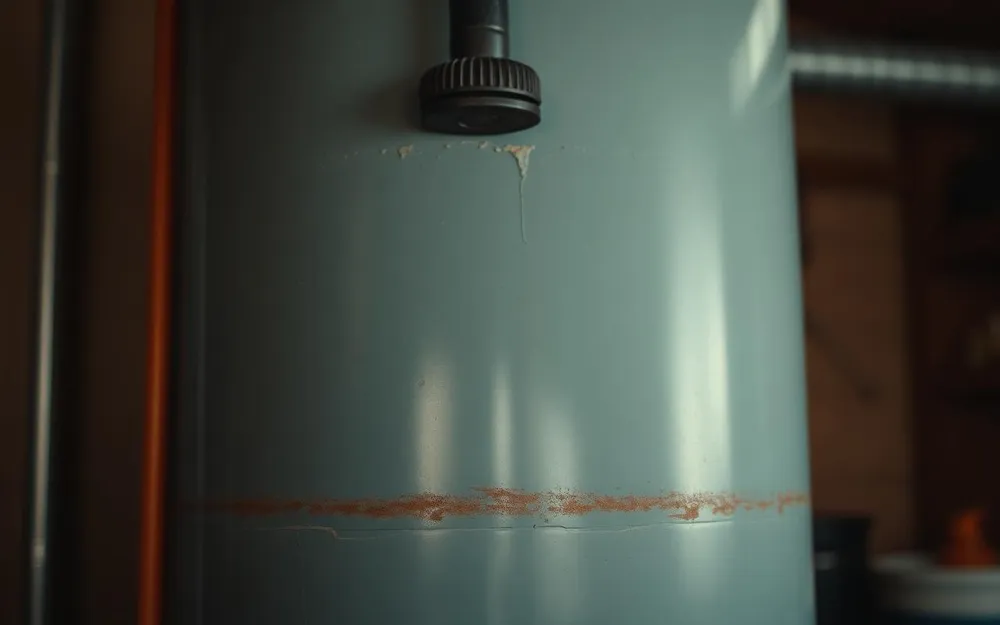
A leak coming directly from the tank body is more serious. Internal tank corrosion cannot be reliably repaired. Once the tank itself has rusted through, replacement is usually the practical and safer choice. Do not assume a puddle will stay small. Even a slow leak can damage flooring, drywall, cabinets, and nearby belongings.
Rusty, cloudy, or bad-smelling hot water
Discolored water can come from aging pipes, but when the problem appears mainly at hot-water fixtures, the water heater may be involved. Rust-colored water can signal corrosion inside the tank or a deteriorating anode rod. A plumber can help separate a water-heater issue from a broader plumbing concern.
A sulfur-like smell is commonly associated with bacteria reacting with the anode rod, particularly when water sits in the tank for long periods. The right solution depends on the cause. Flushing, sanitizing, or replacing the anode rod may correct the problem without replacing the entire unit.
Rumbling, popping, or banging sounds
Mineral sediment settles at the bottom of a tank over time. As the burner or heating element heats water beneath that buildup, it can create popping, rumbling, or banging noises. The heater has to work harder, which can increase energy use and shorten its service life.
Flushing may help when sediment is caught early. On a heavily neglected or older heater, the buildup may be difficult to remove and may expose existing weakness in the tank. That does not mean every noisy unit needs replacement, but it does mean the unit deserves an honest evaluation.
When Water Heater Repair Is Worth It
Repair is often the right decision when the heater is relatively young, the tank is structurally sound, and the problem is limited to a replaceable component. A thermostat, heating element, pressure relief valve, burner assembly, ignition part, or connection issue can frequently be repaired for far less than a new installation.
The quality of the repair matters. Gas water heaters involve combustion, venting, and gas connections. Electric units involve high-voltage components. Both need correct diagnosis and safe workmanship. A quick fix that overlooks the underlying cause can leave you with another service call, or worse, a safety hazard.
A repair also makes sense when the heater has been maintained and is performing well otherwise. Tank-type units commonly last around eight to 12 years, though water quality, usage, installation quality, and maintenance can change that timeline. Tankless models can last longer, but they still need periodic service and can develop issues with valves, sensors, scale buildup, or ignition components.
When Replacement Is the Better Investment
Replacement becomes more reasonable when repairs are becoming frequent, the tank is leaking, or the unit is near the end of its expected service life. Paying for a major repair on an aging heater can be hard to justify when another component may fail soon after.
Replacement may also be the better choice if your household's needs have changed. A growing family, a converted garage, an added bathroom, or a small commercial demand can expose an undersized water heater. Installing the same size unit again may repeat the same frustration: hot water runs out when two people shower close together, or the dishwasher and laundry compete for capacity.
For many homes, the choice comes down to three practical questions: Is the tank sound? Is the repair cost reasonable compared with replacement? Will the current unit still meet the property's hot-water demand? A dependable plumber should answer those questions clearly, not push a replacement when a repair will do.
Choosing the Right Type and Size
A new water heater should fit the property, not just the existing closet or garage connection. Tank capacity, fuel type, recovery rate, electrical requirements, venting, and installation space all matter.
Tank water heaters
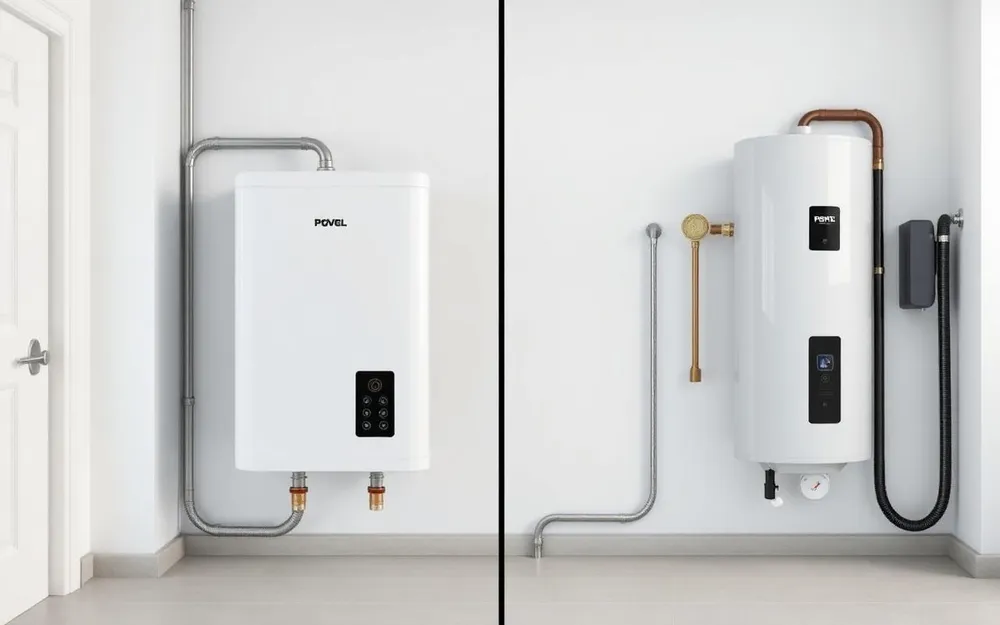
Traditional tank water heaters store a set amount of hot water, often 40 to 75 gallons in residential settings. They are familiar, generally less expensive to install than tankless models, and a good fit for many households. The trade-off is standby heat loss and a limited supply of stored hot water during periods of heavy use.
The right size depends on how many people use hot water at the same time. A household with several bathrooms may need more capacity or a higher recovery rate than a smaller home, even if both use the same fuel source.
Tankless water heaters
Tankless systems heat water on demand. They can save space and provide a continuous supply of hot water when properly sized. However, they are not automatically the best answer for every property. Upfront installation costs can be higher, and some homes need gas-line upgrades, electrical changes, or new venting to support the unit safely.
Tankless equipment is especially sensitive to proper sizing. A unit must meet the expected flow rate and temperature rise for your area. If it is undersized, the water may turn lukewarm when multiple fixtures run at once. Good installation starts with calculating actual demand, not guessing based on the old heater.
Maintenance That Helps Prevent Surprise Failures
Water heaters work quietly until they do not. Basic maintenance can extend service life and make issues easier to catch. Homeowners and property managers should periodically look for moisture, corrosion around connections, unusual noise, and changes in water temperature or color.
Professional maintenance may include checking safety controls, inspecting gas or electrical connections, testing the temperature and pressure relief valve, examining the anode rod, and flushing sediment when appropriate. The exact service schedule depends on the unit, local water conditions, and manufacturer recommendations.
If you smell gas, see active leaking, notice scorching around a gas unit, or suspect a venting issue, do not try to troubleshoot it yourself. Leave the area if necessary, follow local gas-safety guidance, and call for qualified service. Water heater problems can be inconvenient, but some require immediate attention.
Get a Clear Answer Before the Problem Gets Worse
Whether you manage a rental, own a family home, or coordinate repairs for a property, you need a water heater solution that is safe, correctly sized, and built to last. Best Quality Plumbing Services helps homeowners and property managers identify the real issue, weigh repair against replacement, and move forward without unnecessary guesswork. A prompt inspection when the first warning sign appears can protect your hot water, your property, and your peace of mind.