A pipe problem rarely starts with a dramatic burst. More often, it begins with a faint stain, an unexplained water bill, or a drain that suddenly takes longer to clear. Knowing the top signs of pipe damage gives you time to act before moisture damages drywall, flooring, cabinets, or the structure behind them.
Some symptoms point to a small, accessible leak. Others can indicate a damaged pipe beneath a slab, inside a wall, or in the main line serving the property. Either way, waiting usually makes the repair more disruptive and more expensive.
Top Signs of Pipe Damage Inside Your Home
Water stains, peeling paint, or soft drywall
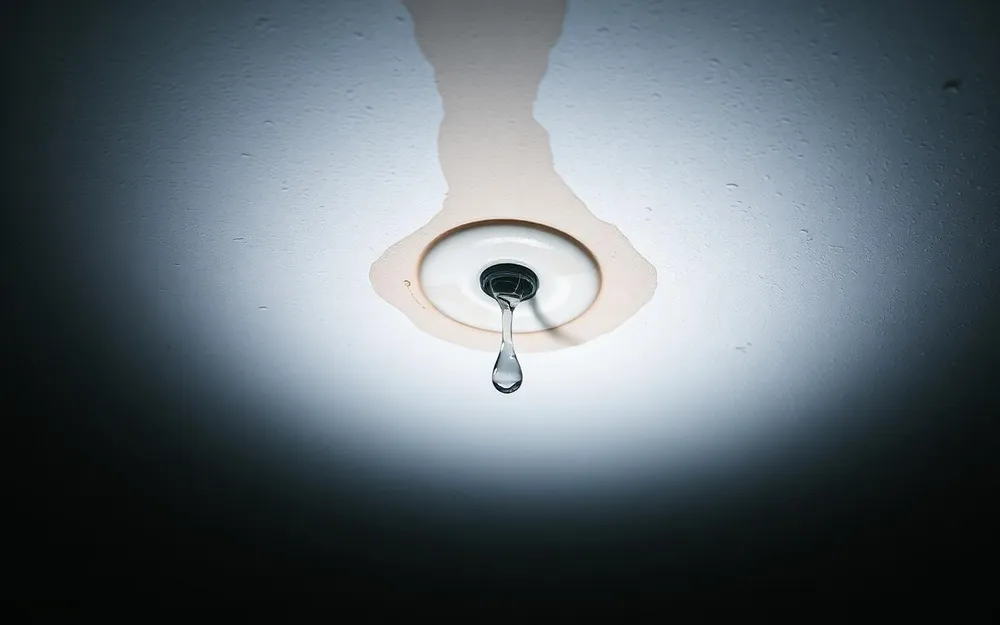
A yellow, brown, or spreading stain on a ceiling or wall is one of the clearest warnings that water is escaping where it should not. You may also see bubbling paint, peeling wallpaper, warped baseboards, or drywall that feels soft when pressed gently.
The stain may not be directly below the damaged pipe. Water can travel along framing, insulation, and the outside of a pipe before it becomes visible. A stain near a bathroom could come from a supply line, a drain line, a shower connection, or a plumbing fixture above it. The source needs to be diagnosed, not guessed.
Musty odors or visible mold
A persistent musty smell under a sink, near a bathroom wall, in a closet, or around a water heater can signal hidden moisture. Mold may appear as dark spots, but it can also grow behind cabinets, under flooring, or inside wall cavities long before it is easy to see.
Not every musty smell means a pipe is broken. Poor ventilation, a damp crawl space, or a roof leak can cause similar conditions. But when the odor is strongest around plumbing fixtures or gets worse after water use, damaged piping should be considered right away.
Low water pressure in one area or throughout the property
Low water pressure can be frustrating, especially when a shower loses force while another fixture is running. A dirty faucet aerator or showerhead can cause a localized issue. If pressure drops at several fixtures, however, the problem may involve a leak, corrosion, mineral buildup, a failing pressure regulator, or damage in the main water line.
Pay attention to whether the change was gradual or sudden. Gradual pressure loss often points to buildup or aging pipes. A sudden drop, particularly with wet spots outside or a higher water bill, deserves prompt professional attention.
Discolored, rusty, or cloudy water
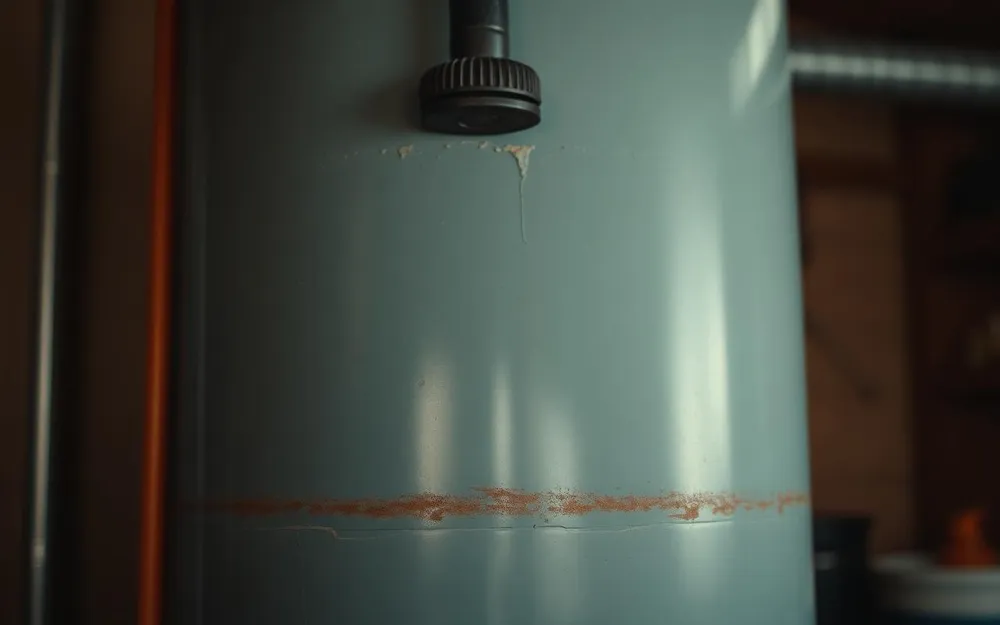
Water that runs brown, yellow, rusty, or cloudy can be unsettling. Sometimes this happens temporarily after utility work or after water has been shut off. If the discoloration continues, appears only with hot water, or returns regularly, it may indicate corrosion inside older pipes or an issue with the water heater.
Do not assume that running the tap longer will solve a recurring problem. Internal corrosion can restrict water flow and eventually create pinhole leaks. A plumber can determine whether the issue is limited to a fixture, the water heater, or the piping itself.
Unusual sounds from walls, floors, or pipes
Pipes can make normal sounds as water moves through them, but new or persistent noises deserve attention. Hissing can indicate pressurized water escaping. Dripping behind a wall may point to a leak. Banging or knocking when a faucet shuts off can be caused by water hammer, loose pipe supports, or excessive water pressure.
Sounds alone do not confirm pipe damage, but they are useful clues. Note where you hear them and whether they occur only when water is running. That information helps narrow down the source during an inspection.
Signs of Damaged Pipes Outside or Below the Surface
Hidden pipe damage often shows up in the yard, driveway, or foundation area before it becomes visible indoors. These are not problems to watch for a few weeks. A water or sewer line issue can affect the property quickly.
A wet spot, greener patch, or sinking area in the yard
A patch of grass that stays unusually green or wet during dry weather may be receiving water from an underground leak. You might also notice muddy soil, pooling water, or a soft, sinking section of yard. With a sewer line issue, the area may have a foul odor or unusually lush vegetation.
A wet yard is not always a plumbing issue. Broken irrigation lines and poor drainage can look similar. The difference matters because a damaged water service line or sewer line requires a different repair approach. Proper testing identifies the source before anyone starts digging.
Cracks in the foundation or new floor changes
A leak under a slab can wash away or shift soil beneath the home over time. Warning signs may include cracks in flooring, new foundation cracks, warm areas on a slab floor, or a section of flooring that feels uneven. You may also hear water moving when every fixture is off.
Foundation cracks can have several causes, including settling and soil movement. Still, a possible slab leak should be checked promptly, especially if it is paired with warm flooring, damp carpet, low water pressure, or unexplained water use.
Sewage odors and repeated drain backups
A sewer line problem is more than an inconvenience. If several drains are slow, toilets gurgle, or wastewater backs up into a tub or shower, the main sewer line may be clogged, cracked, offset, or invaded by roots.
One slow sink may be a simple local clog. Multiple fixtures acting up at once is different. Avoid using more water until the cause is identified, because continued use can force sewage back into the home.
Your Water Bill Can Reveal a Hidden Leak
An unexplained increase in water use is one of the most practical pipe damage clues. Compare the bill to the same season last year if possible. A higher bill can result from more outdoor watering, guests, or a running toilet, but it can also indicate a hidden leak that is wasting water every day.
A simple check can provide useful information. Turn off faucets, appliances that use water, and irrigation. Then look at the water meter. If the meter continues to move after a short wait, water may be flowing somewhere it should not. This does not identify the leak location, but it is a strong reason to schedule an inspection.
When Pipe Damage Needs Immediate Help
Shut off the main water supply and seek professional help quickly if you have active flooding, a burst pipe, sewage backup, a ceiling that is bulging with water, or water near electrical outlets and panels. Move belongings away from the affected area if it is safe to do so, but do not cut into walls, ceilings, or flooring without knowing what is behind them.
For smaller leaks, place a container under the drip, dry surrounding surfaces, and limit water use at that fixture. Tape, sealants, and temporary clamps may slow a leak in limited situations, but they do not correct corroded, cracked, or failing pipe. A permanent repair should address the cause, not just the visible water.
Why Fast Diagnosis Saves More Than Water
Pipe damage is not always a full replacement job. The right repair depends on pipe material, location, age, access, and the extent of corrosion or breakage. A single damaged fitting may need a targeted repair, while repeated pinhole leaks in aging pipe can make replacement the more sensible long-term choice.
That is why a clear diagnosis matters. Best Quality Plumbing Services helps homeowners and property managers identify the source of leaks, drainage problems, and water-line concerns without turning a manageable repair into unnecessary work. You should know what is damaged, what it will take to fix it, and what options make sense for the property.
If something feels off with your plumbing, trust the change you are seeing or hearing. Early attention can keep a small warning sign from becoming a damaged ceiling, ruined flooring, or an emergency repair at the worst possible time.