A toilet that leaks can damage flooring, stain ceilings below, waste water, and create a bigger repair bill than most homeowners expect. This toilet leak troubleshooting checklist helps you narrow down where the water is coming from before deciding whether it is a simple adjustment or a job for a plumber.
Start by drying the outside of the toilet, the floor around its base, and the tank. Then place a few dry paper towels in key areas and flush once. Fresh moisture after the flush gives you a much clearer clue than trying to diagnose a leak from an already-wet bathroom floor.
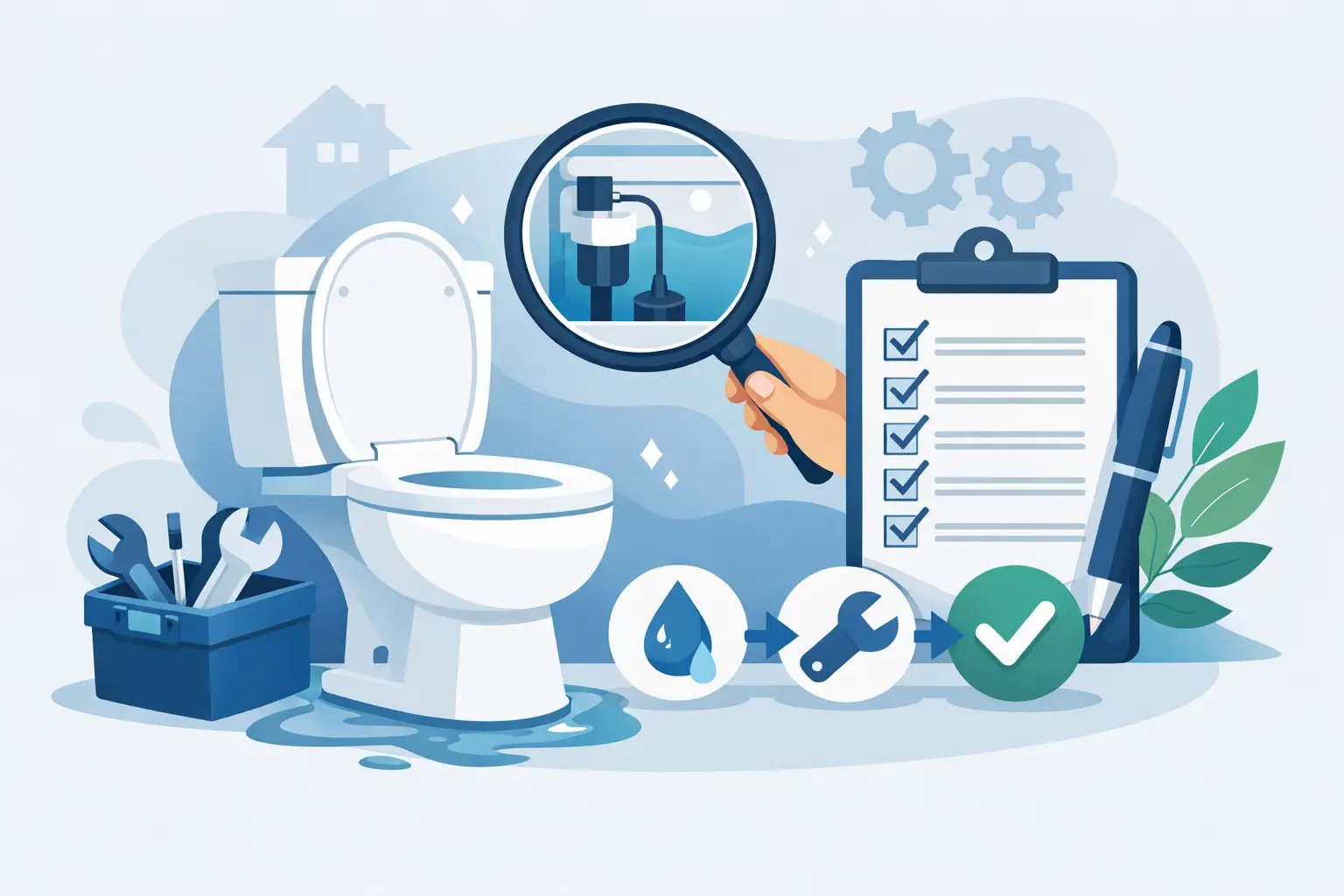
Toilet Leak Troubleshooting Checklist
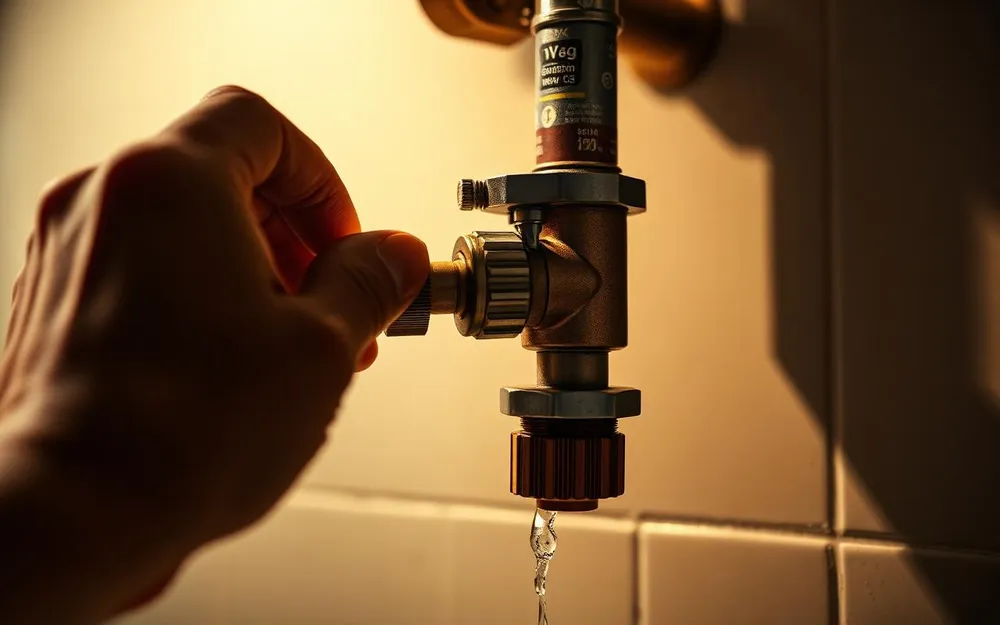
Work through these checks in order. If water is actively spreading across the floor, shut off the toilet's supply valve first. It is usually located on the wall or floor behind the toilet. Turn the handle clockwise until it stops, then flush to empty most of the tank.
- Check the supply line connection. Look where the flexible water line connects to the shutoff valve and the underside of the tank. A loose nut, worn washer, or corroded line can allow a slow drip. Dry the fittings, then wrap them with a paper towel for several minutes to confirm the source.
- Inspect the toilet tank bolts. Water around the back or sides of the bowl may be coming from the bolts that secure the tank. The rubber washers inside the tank can wear out, especially on older toilets. Do not overtighten bolts. Porcelain can crack under too much pressure.
- Look for a cracked tank or bowl. Hairline cracks may only leak after flushing or when the tank is full. Check the outside and underside of the tank carefully, along with the bowl near the base. A cracked toilet generally needs replacement, not a patch.
- Test the flapper for an internal leak. If you hear occasional refilling, hissing, or a toilet that runs at random, water may be leaking from the tank into the bowl. Add a few drops of food coloring to the tank and wait 15 to 20 minutes without flushing. Color in the bowl points to a flapper or flush-valve problem.
- Watch the overflow tube. Remove the tank lid and check the water level. If water is flowing into the vertical overflow tube, the fill valve may be set too high or may be failing. This wastes water but usually does not put water on the floor.
- Check under the toilet base. Water appearing at the floor after a flush often means the wax ring or toilet seal has failed. The toilet may also rock when you sit down or press gently from side to side. Avoid using a toilet with a suspected failed seal until it is repaired, since each flush can send water beneath the flooring.
- Check the bowl for cracks and overflow. A crack in the bowl can leak onto the floor, while a clogged drain can cause the bowl to overflow. If the water rises after flushing, do not flush again. Use a flange plunger only if you are dealing with a straightforward clog and the water level is safe to manage.
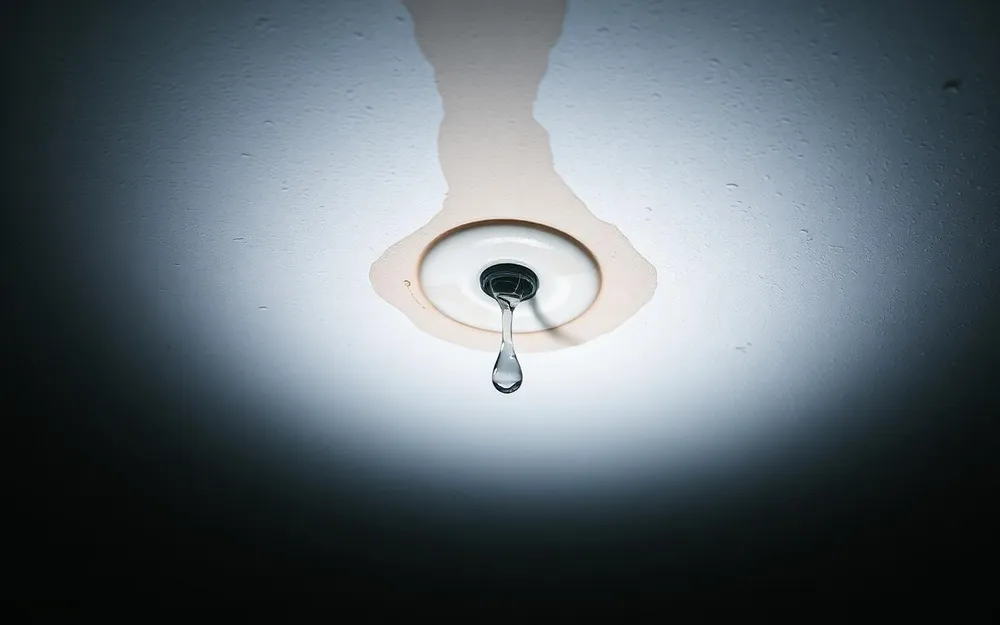
- Inspect the ceiling below the bathroom. For a second-floor bathroom, a stain or damp ceiling below may indicate a failed toilet seal, a drain connection problem, or a hidden supply leak. The toilet is not always the source, but it should be checked promptly.
- Notice when the leak happens. A leak that occurs only while the tank refills points toward the supply connection, fill valve, or tank hardware. Water at the base only after flushing is more likely related to the seal or drain. This timing helps a plumber diagnose the problem faster.
What the Location of the Water Usually Means
The place where water appears matters more than the amount you see. A small drip at the water line can be inconvenient, but it is often a contained repair if caught early. Water near the base is more urgent because it can travel under tile, vinyl, wood, or laminate before you notice the full extent of the problem.
Water behind the toilet is commonly tied to the tank, supply line, or shutoff valve. Check whether the moisture appears even when no one has flushed. If it does, the supply connection or valve is more likely than the toilet drain.
Water between the tank and bowl often comes from tank bolts, washers, or the large gasket connecting the tank to the bowl. These parts age over time, and a toilet can leak only during a flush because that is when water moves out of the tank.
Water at the front or sides of the base can be misleading. Condensation on a cold tank, wet bath mats, splashing from children, or an imperfect shower curtain can mimic a toilet leak. That is why drying the area and testing one flush is worth the few extra minutes.
Safe Fixes Homeowners Can Try
Some toilet problems are reasonable to handle if there is no crack, no sewage backup, and no water entering the floor. A running toilet caused by a worn flapper can often be resolved with a properly matched replacement. A fill valve that sends water into the overflow tube may only need its water level adjusted, although older valves are often better replaced than repeatedly adjusted.
A small drip at a supply-line nut may stop with a very gentle tightening. Use caution. If the fitting is corroded, the line is brittle, or the drip continues, shut off the water and have the connection repaired. Forcing old parts can turn a minor drip into a broken valve or damaged supply line.
Replacing a wax ring is more involved than it sounds. The toilet must be disconnected, lifted evenly, reseated correctly, and secured without cracking the porcelain. It also requires checking the flange beneath the toilet. If the flange is broken, too low, or corroded, installing a new wax ring alone may not solve the leak.
When to Call a Plumber Right Away
Call for professional help when water is coming from the base, the toilet rocks, the bowl or tank is cracked, or the bathroom ceiling below is wet. These situations can involve hidden damage that gets worse when the toilet stays in service.
You should also call if the toilet overflows repeatedly, sewage is coming onto the floor, the shutoff valve will not close, or you cannot pinpoint the source after drying and testing. Renters should notify the property owner or manager promptly and document the issue with photos. Landlords and property managers should treat water at a toilet base as a priority repair, particularly in upstairs units.
Best Quality Plumbing Services can inspect the toilet, seal, water connections, and nearby drain components to identify the actual failure rather than treating the visible symptom. A clear diagnosis protects your bathroom and helps prevent the same leak from returning.
Reduce the Risk of Another Toilet Leak
A quick visual check every few months can catch small issues before they become emergencies. Look for corrosion on the supply line, rust around tank bolts, movement at the toilet base, and water marks around the floor. Listen for a toilet that refills without being flushed, since a quiet internal leak can waste a significant amount of water over time.
Avoid hanging heavy items from the tank or using the tank lid as a shelf. Extra pressure can affect tank hardware or damage porcelain. If your toilet is older and needs repeated repairs, replacement may be the better value, especially when cracks, persistent wobbling, or hard-to-find parts are involved.
When in doubt, stop using a toilet that is leaking at the base and get it inspected. A fast repair is usually far easier than repairing the flooring, subfloor, or ceiling after water has had time to spread.