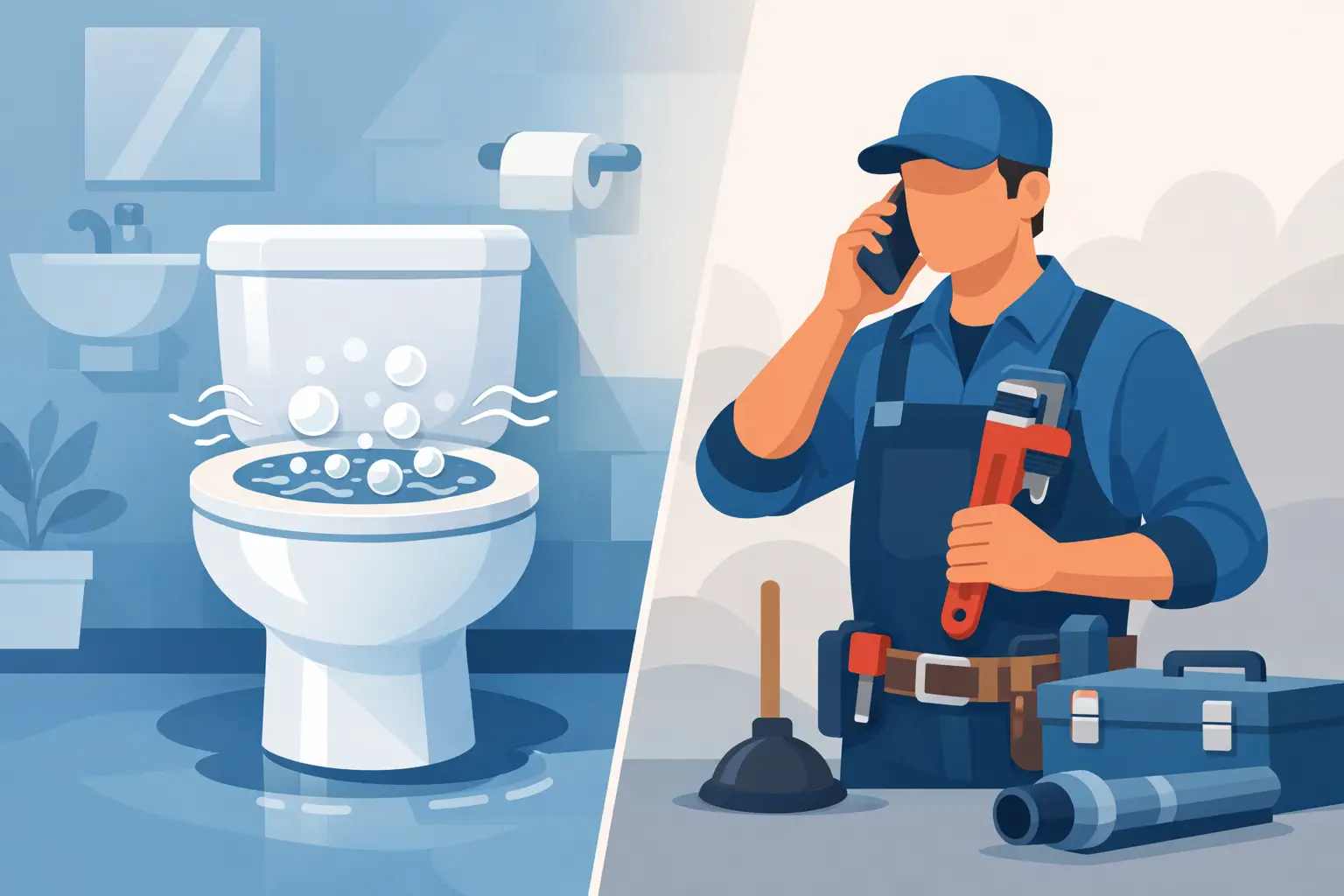
A toilet that gurgles or releases bubbles after you flush is not just an odd sound. Toilet bubbling causes usually point to a drainage or venting problem that can get worse without attention. The toilet is trying to move wastewater through the drain line, but air is trapped or being forced back into the bowl instead.
A single small bubble may not mean an emergency. Repeated bubbling, slow drains, bad odors, or water rising in the bowl are different. Those signs can mean a developing sewer blockage, a blocked plumbing vent, or a problem farther down the line. Acting early can help prevent an overflow and the cleanup that comes with it.
Why a Toilet Bubbles Instead of Draining Normally
Your plumbing system needs both a clear drain path and a way for air to move through the pipes. When water travels down a drain, it pushes air ahead of it. Vent pipes release that air safely through the roof, allowing the toilet to flush smoothly and keeping the water level in the bowl stable.
If a drain is partially blocked or the vent cannot do its job, the air has nowhere to go. It may push backward through the toilet, causing bubbling, gurgling, or splashing. The location and timing of the bubbling provide useful clues. A toilet that bubbles only when flushed may have a nearby clog. One that bubbles when a shower, washer, or sink drains may be affected by a larger branch-line or sewer-line issue.
Common Toilet Bubbling Causes
A Partial Toilet or Drain Clog
A partial clog is one of the most common causes. Too much toilet paper, wipes labeled as flushable, paper towels, feminine products, or a small object can restrict the drain without stopping it completely. Water still gets through, but slowly, and the restricted space creates pressure changes that make the bowl bubble.
A plunger may clear a simple clog near the toilet. Use a flange-style toilet plunger and make sure there is enough water in the bowl to cover the cup. If the toilet keeps bubbling after several careful attempts, do not keep flushing. The blockage may be deeper than the toilet trap, and additional flushing can cause the bowl to overflow.
A Blockage in a Shared Drain Line
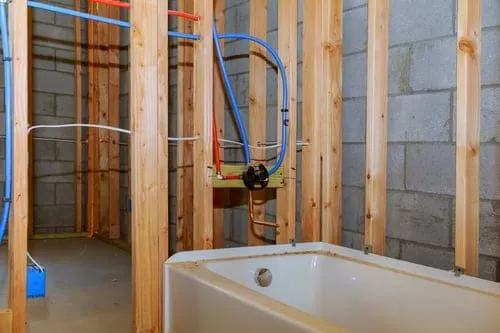
Bathroom fixtures often connect to the same branch drain. When a clog develops farther down that pipe, using one fixture can affect another. For example, running the washing machine may make a nearby toilet gurgle, or draining the bathtub may cause bubbles to rise in the bowl.
This situation needs more than a basic toilet plunge. The obstruction may be grease, soap buildup, scale, debris, or a lodged item in the drain line. A plumber can inspect the line, remove the blockage with the right equipment, and determine whether there is a recurring issue in the piping.
A Main Sewer Line Clog
A main sewer line carries wastewater from the home to the public sewer connection or septic system. When that line begins to clog, toilets are often the first fixture to show it because they use the largest volume of water and sit low in the drainage system.
Signs of a main line problem include more than one slow drain, toilets bubbling when other fixtures run, sewage odors, water backing up into a tub or shower, or a toilet that will not stay flushed. This is a high-priority repair. Sewer water can damage flooring, drywall, and personal property, while also creating a sanitation concern.
Tree roots are a frequent cause of sewer-line clogs in older neighborhoods. Roots can enter through small cracks or pipe joints, then grow inside the line and catch paper and waste. Broken, shifted, or deteriorated pipes can produce similar symptoms. Clearing the line may restore flow, but a camera inspection can show whether roots or pipe damage will keep bringing the problem back.
A Blocked Plumbing Vent
A plumbing vent is not a drain, but it is essential to proper drainage. Vent pipes typically extend through the roof and allow air to enter and exit the plumbing system. Leaves, bird nests, debris, or other obstructions can block the vent opening and create negative pressure in the drain system.
A blocked vent may cause gurgling across several fixtures, slow drainage, or sewer odors. Vent diagnosis can be tricky because the blockage is often out of sight. Climbing onto a roof to investigate is not a good DIY project, especially when the issue may be inside the vent pipe rather than at the opening. A professional can identify the problem safely and confirm that the drainage system is venting correctly.
Septic System Trouble
For homes on septic systems, toilet bubbling can be a warning that the tank is full, the outlet is restricted, or the drain field is not accepting wastewater properly. You may also notice slow drains throughout the house, wet areas around the drain field, or unpleasant odors outside.
Do not treat a septic-related backup as a standard toilet clog. Limit water use and arrange service promptly. Continued laundry, showers, dishwasher cycles, and flushing can force wastewater back into the home.
When Toilet Bubbling Is an Emergency
Some bubbling can wait for a scheduled repair, but certain conditions call for immediate action. Stop using water fixtures and contact a plumber quickly if you notice any of the following:
- Water or sewage backing up into a shower, tub, floor drain, or sink
- The toilet bowl rising close to the rim after flushing
- Bubbling in multiple toilets or drains throughout the building
- Sewage smells indoors or standing wastewater near a drain
- A problem that returns soon after plunging or drain cleaning
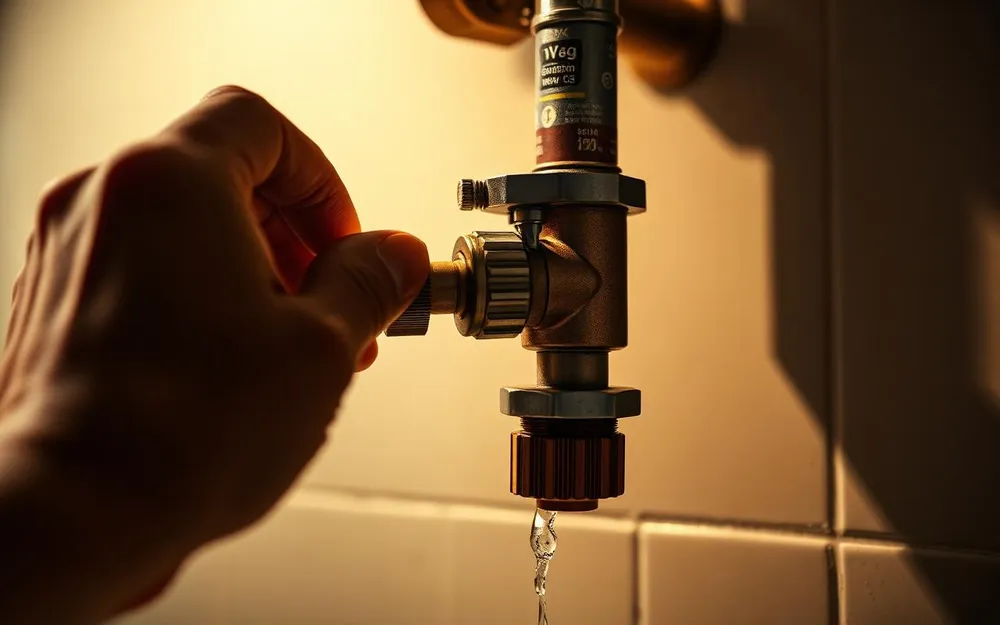
If the toilet bowl is rising, remove the tank lid and close the flapper if it is still open. You can also turn the shutoff valve behind the toilet clockwise to stop water from entering the tank. Avoid flushing again until the cause is identified.
For landlords and property managers, a bubbling toilet should be addressed before a tenant reports an overflow. A quick diagnosis is often less disruptive than emergency cleanup, damaged flooring, or a bathroom taken out of service.
What Not to Do When Your Toilet Gurgles
Chemical drain cleaners are rarely the right answer for a bubbling toilet. They may not reach a deep blockage, can damage some pipes or fixtures, and can leave hazardous chemicals in standing water for anyone who later works on the drain. They are especially ineffective against roots, pipe damage, and vent obstructions.
Avoid repeatedly flushing to see whether the problem improves. Every flush adds several gallons of water to a system that may already be restricted. Also, do not use a wire hanger or improvised tool inside the toilet. It can scratch the porcelain or push an object farther into the trap.
A plunger is reasonable for one clear, isolated clog. Beyond that, the safest move is to stop using the affected fixtures and have the drain system inspected. The goal is not simply to make the bubbling stop. It is to find out why pressure is building in the first place.
How a Plumber Finds the Actual Cause
A proper diagnosis starts with the symptoms: which fixtures bubble, when it happens, whether there are slow drains, and whether the home is connected to a sewer or septic system. From there, a plumber may test drainage, clear the line with a cable machine, inspect the main line with a camera, or evaluate the vent system.
The right repair depends on what is found. A simple obstruction may only need professional drain clearing. Root intrusion may require cutting roots from the line and planning follow-up maintenance. A cracked or offset sewer pipe may need targeted repair or replacement. This is why a temporary improvement after plunging does not always mean the problem is solved.
Best Quality Plumbing Services helps homeowners and property managers in the Sylmar and San Fernando Valley area identify the source of toilet bubbling and address it with practical, clean workmanship. Clear communication matters when a drain problem affects your home or tenants.
A toilet should flush quietly and drain without drama. If yours is bubbling, pay attention before a small warning turns into a wastewater backup. Stopping water use early and arranging a professional inspection is the simplest way to protect your bathroom, your property, and your peace of mind.