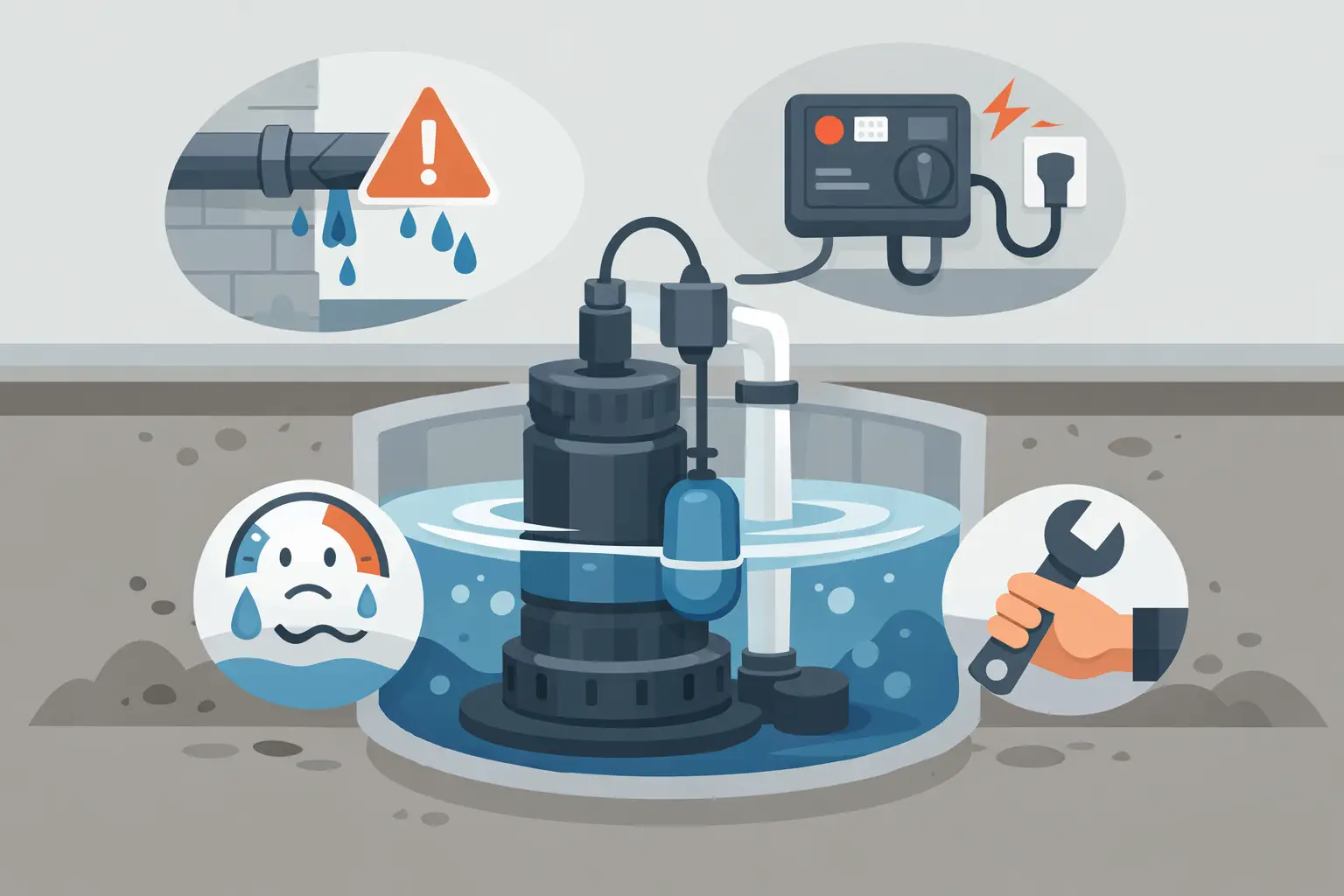
A sump pump usually gets noticed at the worst possible time: after heavy rain, when water is already collecting near a basement wall or rising in a crawl space. Sump pumps are a practical line of defense against water damage, mold growth, damaged flooring, and the stress of an unexpected cleanup. When the system is working, it moves water away quietly. When it fails, the consequences can move fast.
For homeowners, landlords, and property managers, the goal is not to become a pump expert. It is to recognize trouble early, keep the equipment maintained, and get dependable help before a minor issue becomes a flooded property.
What Sump Pumps Do for Your Property
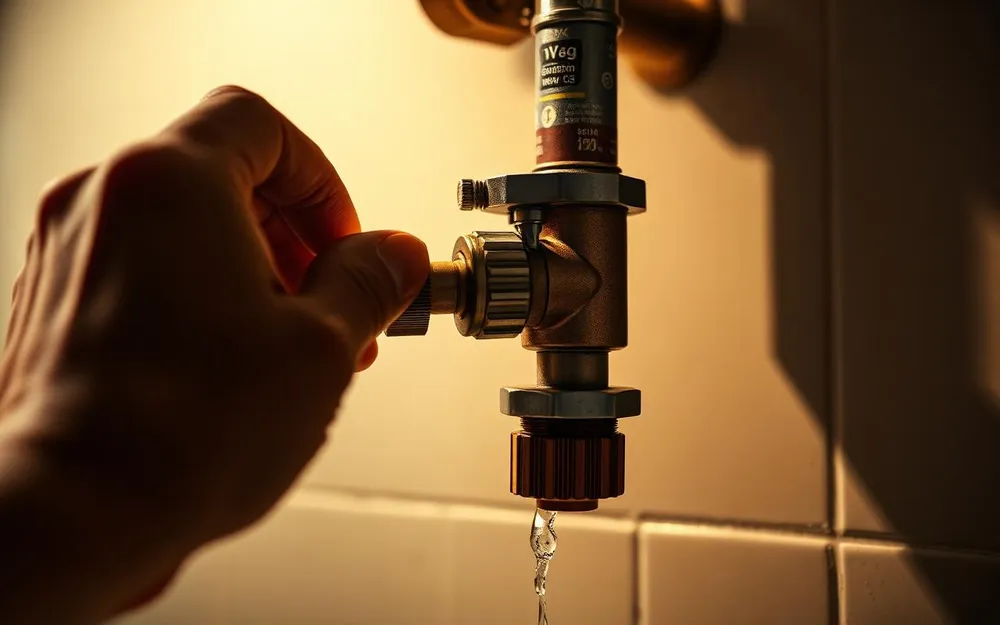
A sump pump sits in a basin, often called a sump pit, at the lowest point of a basement or crawl space. Groundwater, rainwater, or water collected by drainage systems flows into that pit. Once the water reaches a set level, a float switch activates the pump. The pump then sends the water through a discharge pipe to a safe location away from the building.
Not every home has or needs this type of system. Properties with below-grade spaces, recurring groundwater, poor exterior drainage, or a history of water intrusion are the most likely to benefit. In parts of the San Fernando Valley and nearby communities, sudden heavy rain can expose drainage weaknesses that were easy to miss during dry weather.
A sump pump is not the same as a sewage ejector pump. An ejector pump handles wastewater from plumbing fixtures located below the main sewer line. A sump pump should handle clear groundwater only. If a pump pit has a sewage odor or appears connected to bathroom fixtures, have a plumbing professional inspect it rather than treating it as a routine sump issue.
Primary Pumps and Backup Protection
Most systems use an electric primary pump. It is effective and affordable, but it depends on household power. That creates a problem during the storms and weather events most likely to cause water intrusion, since power outages can happen at the same time.
A battery backup sump pump can provide additional protection when power is out or the primary pump cannot keep up. It is not always necessary, but it is worth considering for finished basements, properties with valuable stored items, rental homes, or any location with a record of flooding. Some systems also include high-water alarms, which alert you before the pit overflows.
Warning Signs Your Sump Pump Needs Attention
A pump does not need to stop completely to be a problem. Changes in how it runs often give you time to schedule service before water enters the home.
Frequent cycling is one common concern. If the pump turns on and off every few seconds, the float switch may be stuck, the check valve may be failing, or water may be flowing back into the pit after each cycle. Constant cycling wears out the motor quickly and can raise energy use.
Unusual noises also deserve attention. Grinding, rattling, loud vibration, or a persistent humming sound can point to debris in the pit, a damaged impeller, a loose component, or a motor beginning to fail. A pump that hums but does not move water should be checked promptly. Running it repeatedly can cause further damage.
Another red flag is water remaining in the pit while the pump is running. This may mean the pump is undersized, clogged, worn out, or unable to push water through the discharge line. The discharge pipe itself can also be blocked, frozen in colder climates, disconnected, or positioned where expelled water flows back toward the foundation.
Pay attention if the pump never runs, too. During a dry period, that may not mean anything. But if water is entering the pit and the pump stays silent, the float, power source, electrical outlet, or motor may have failed. Never reach into standing water to inspect a plugged-in pump. Shut off power at the breaker and arrange professional service if there is any electrical risk.
Basic Sump Pump Maintenance That Prevents Surprises
A small amount of maintenance can help a sump system perform when it matters. Checking it before rainy weather is far easier than dealing with water damage afterward.
Start by confirming the pump has power. Check that it is plugged directly into a working, properly grounded outlet and that the cord is not damaged. If the pump uses a ground-fault circuit interrupter outlet, test the outlet according to its instructions. Do not use an extension cord as a permanent setup for a sump pump.
Next, inspect the pit. Remove visible dirt, gravel, leaves, or other debris that could interfere with the float or clog the intake screen. The pump should sit level in the basin, and the float should have room to rise and fall without catching on the wall, pipe, or power cord.
A basic operational test is also useful. Slowly pour water into the pit until the float activates the pump. Watch to make sure water leaves the pit and that the pump shuts off after the level drops. If it fails to start, keeps running, or sends little to no water out through the discharge line, stop the test and schedule service.
Outside, look at the discharge point. Water should be directed away from the foundation, ideally onto a surface that drains safely without flooding a walkway, neighbor's property, or your own yard. A discharge line that ends too close to the home can send the same water back into the ground beside the foundation, forcing the system to work harder.
If you have a battery backup, inspect the battery and alarm on the maintenance schedule recommended for that unit. Backup batteries do not last forever. A backup system with a weak or expired battery can create a false sense of security.
When Repair Makes Sense and When Replacement Is Better
Some sump pump problems have straightforward repairs. A stuck float, clogged intake, failed check valve, loose discharge connection, or minor electrical issue may be corrected without replacing the whole unit. Regular service can also identify drainage issues outside the pump itself, such as a blocked line or a poorly routed outlet.
Replacement becomes more practical when a pump is old, unreliable, frequently repaired, undersized for the volume of water it receives, or unable to operate efficiently. Many residential pumps last several years, but actual service life depends on how often the pump runs, water quality, installation quality, and whether it has been maintained. A pump that runs constantly may wear out much sooner than one used only during occasional storms.
Choosing a replacement is not just about buying the most powerful model. An oversized pump can cycle too rapidly, while an undersized unit may not keep up during heavy water flow. The pit size, vertical lift, discharge pipe length, check valve condition, and expected water volume all affect the right choice. A professional assessment helps avoid replacing one problem with another.
When to Call a Plumbing Professional
Call for service if water is entering the basement or crawl space, the pump will not run, the unit runs continuously, or the discharge line is not moving water away from the property. You should also get help if the pump is tied to plumbing waste lines, the outlet keeps tripping, or there is any concern about electrical safety.
For rental properties, a prompt response protects both the building and the people living there. Documenting the issue, moving stored belongings away from the affected area, and arranging service quickly can limit disruption and reduce the chance of more extensive repairs later.
Best Quality Plumbing Services can inspect sump pump concerns, identify the source of the problem, and explain the repair or replacement options in clear terms. The right time to address a questionable pump is before the next storm puts it to the test.