A burst pipe gets attention fast. A slow leak behind a wall, under a slab, or beneath a bathroom cabinet is more dangerous because it can keep causing damage for weeks before anyone sees it. That is why smart leak detection trends are getting real attention from homeowners, landlords, and property managers. The goal is simple: find unusual water use early, shut off water when necessary, and bring in a plumber before a small issue turns into damaged flooring, mold, or a major repair.
Smart devices can be useful, but they are not a replacement for professional diagnosis. A notification can tell you something is wrong. It cannot tell you whether the cause is a failed supply line, a hidden pipe break, a leaking toilet, high water pressure, or a problem with an appliance connection.
Smart Leak Detection Trends That Matter
The most useful changes are not flashy features. They are practical improvements that help people respond sooner and make better decisions about their plumbing.
Whole-home water monitors are becoming more common
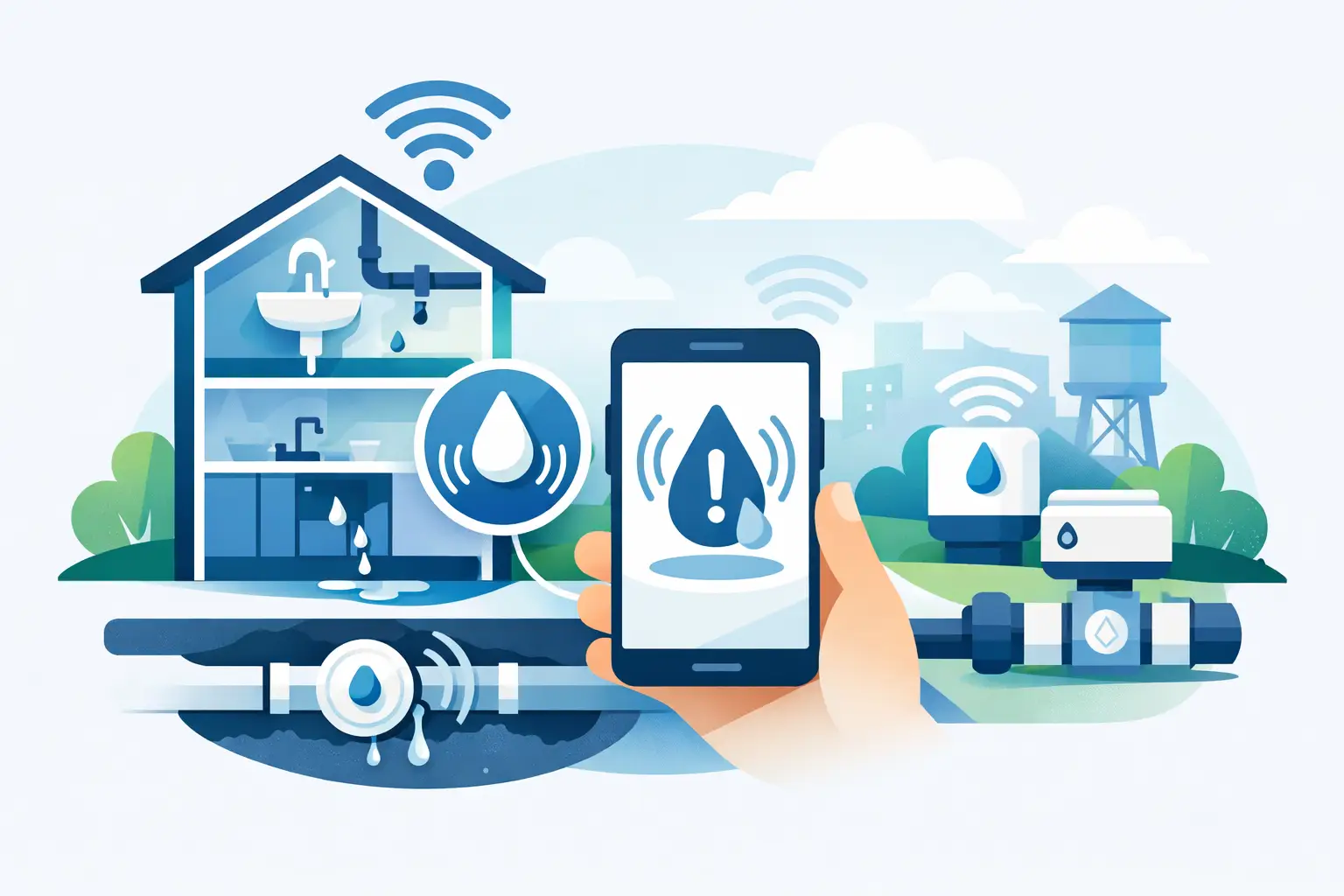
Whole-home leak monitors are installed on or near the main water line. They track water flow, pressure patterns, and the amount of water moving through the system. When the monitor detects an unusual pattern, it sends an alert through an app or, on some models, activates an automatic shutoff valve.
This can be especially helpful for people who travel often, own rental property, or manage a vacant home. A supply line leak can release a large amount of water while no one is there to notice it. An automatic shutoff may limit the damage, but it also needs to be installed correctly and tested periodically.
There is a trade-off. These systems can mistake normal use for a problem, particularly in homes with irrigation, water softeners, pool equipment, or appliances that run overnight. A good setup requires accurate programming and a plumber who understands how the home’s water system is configured.
Point sensors are getting simpler and more affordable
Small battery-powered sensors placed near likely leak locations remain one of the most practical options. Homeowners commonly place them under sinks, behind toilets, near water heaters, beside washing machines, and under refrigerators with water lines.
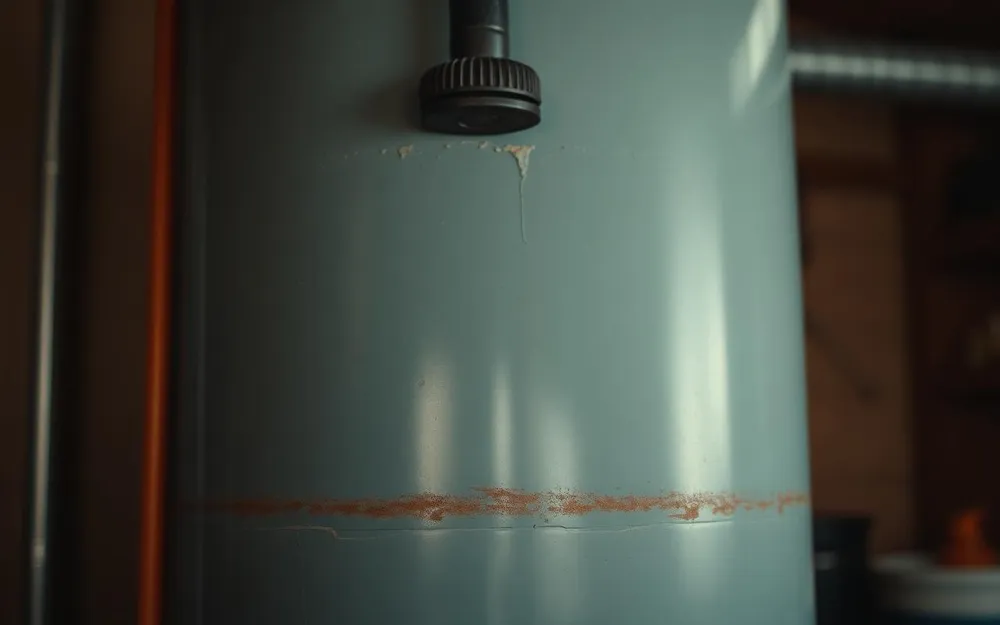
These sensors do not detect every hidden leak. They work when water reaches the floor or cabinet where the device is placed. Still, they are an inexpensive first line of defense for common failures, such as a loose dishwasher connection or water heater drip.
For landlords and property managers, point sensors can be particularly useful in vacant units or mechanical closets. They provide a warning before a minor drip turns into an emergency call and a damaged unit below.
Automatic shutoff valves are moving from luxury to practical protection
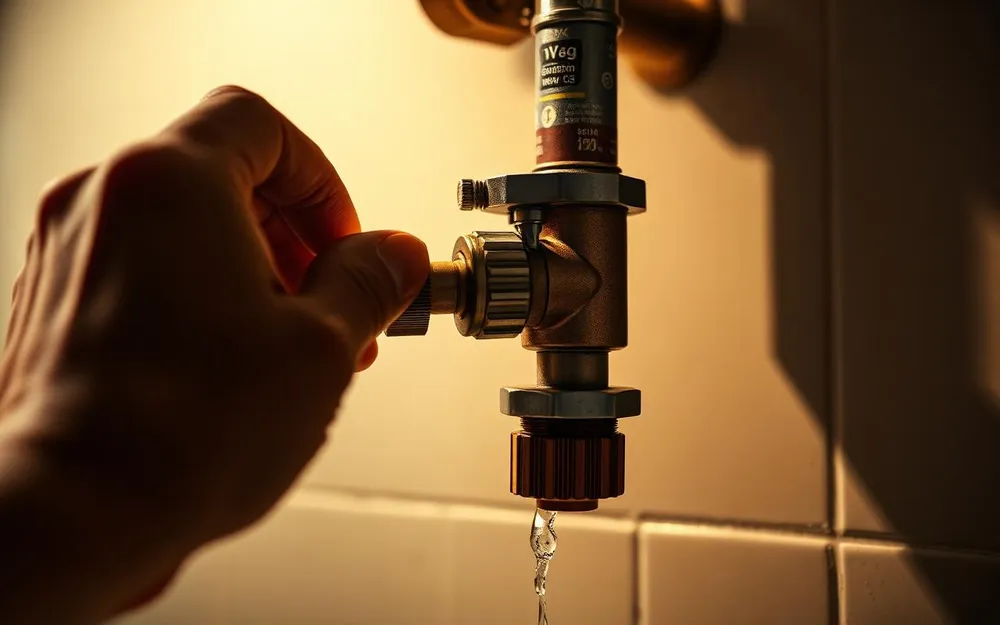
An automatic shutoff valve can close the home’s water supply when a monitor identifies continuous flow or a major leak. For a homeowner who is away from the property, that can make a major difference. It is also useful for properties with older plumbing, second homes, or a history of appliance hose failures.
Automatic shutoff is not right for every situation without planning. Some homes have separate irrigation lines, fire sprinkler systems, or plumbing layouts that need special consideration. Cutting off all water at the wrong time can also be inconvenient if a device misreads normal usage.
A professional should review the water line location, valve condition, pressure, and system layout before installation. If the existing main shutoff valve is corroded or difficult to access, it may need service before smart equipment can do its job reliably.
Better Data Does Not Always Mean a Clear Answer
Newer smart systems try to identify the type of fixture using water-use patterns. They may label activity as a toilet flush, shower, faucet use, or appliance cycle. This information can be helpful, but it should be treated as a clue, not a final diagnosis.
For example, a system may report continuous water use overnight. That could indicate a running toilet, but it could also be a leak in a water line, a malfunctioning water softener, or an irrigation issue. A meter reading that rises when every fixture is off is a warning sign, but locating the source often takes plumbing experience and the right testing equipment.
The best approach is to use data to narrow the problem. If an alert repeats, do not keep dismissing it because there is no visible puddle. Check accessible areas, listen for toilet refilling, inspect appliance connections, and arrange service if the cause is not obvious.
Water pressure monitoring is gaining attention
High water pressure can quietly shorten the life of supply hoses, valves, fixtures, and appliances. It may not create an immediate leak, but it can contribute to failures over time. Some smart monitoring systems track pressure changes along with water flow, which gives homeowners another warning sign to investigate.
Pressure is only one piece of the picture. Low pressure can point to issues too, including supply restrictions, valve problems, or a leak affecting the system. A plumber can test pressure accurately, inspect the pressure regulator when applicable, and determine whether the reading reflects a real plumbing concern or a temporary condition.
Where Smart Leak Detectors Work Best
Smart technology is most useful when it is placed where leaks are likely and paired with basic maintenance. The areas that deserve close attention are the water heater, washing machine hoses, refrigerator water line, dishwasher connections, toilets, under-sink supply valves, and any plumbing located in a garage, crawl space, or exterior wall.
Older homes may benefit the most because aging pipe materials, worn valves, and outdated connections create more opportunities for leaks. That does not mean newer homes are risk-free. Newer appliances, remodeled bathrooms, and modern fixtures still rely on small supply lines, seals, and shutoff valves that can fail.
For property managers, remote alerts can reduce response time, but they should not replace regular inspections. A tenant may silence an alert without understanding what it means, and a sensor cannot spot every plumbing issue. Clear communication and a dependable repair plan still matter.
When to Call a Plumber Instead of Watching the App
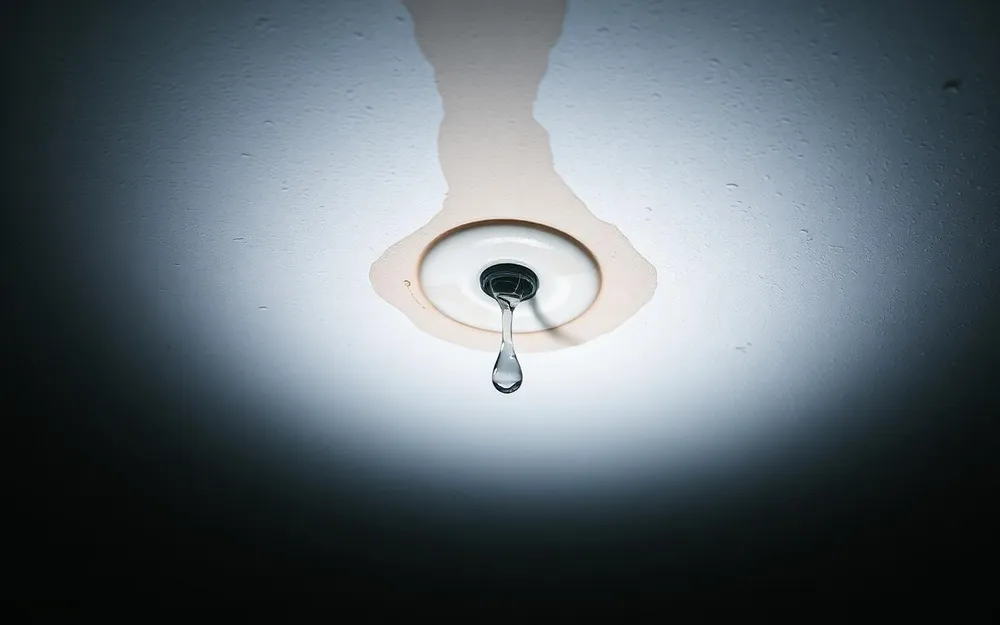
A smart detector should prompt action when there is repeated unexplained water use, a sudden jump in the water bill, low water pressure, a damp cabinet, a warm area on the floor, discoloration on a ceiling, or the sound of water running when fixtures are off. These are not problems to monitor indefinitely.
You should also call for service if your main shutoff valve does not turn easily, if the smart system frequently sends false alarms, or if an automatic shutoff has activated and you do not know why. Resetting the device without finding the cause can leave the property exposed to another leak.
At Best Quality Plumbing Services, the priority is not selling a gadget. It is finding the source of the problem, explaining what is happening in plain language, and completing the repair correctly. Smart monitoring can help catch trouble sooner, but skilled inspection is what confirms the cause and protects the plumbing system.
A Practical Way to Use Smart Leak Protection
Start with the risks you actually have. If your water heater is in a finished area, place a sensor nearby. If you leave town frequently or manage an unoccupied property, a whole-home monitor with shutoff capability may be worth considering. If you have older pipes or unexplained water bills, schedule an inspection before relying on an app to figure it out.
The strongest protection comes from combining early alerts with maintained plumbing, working shutoff valves, and a trusted local plumber who can respond when the warning is real. A small alert today can be the chance to prevent a much larger repair tomorrow.