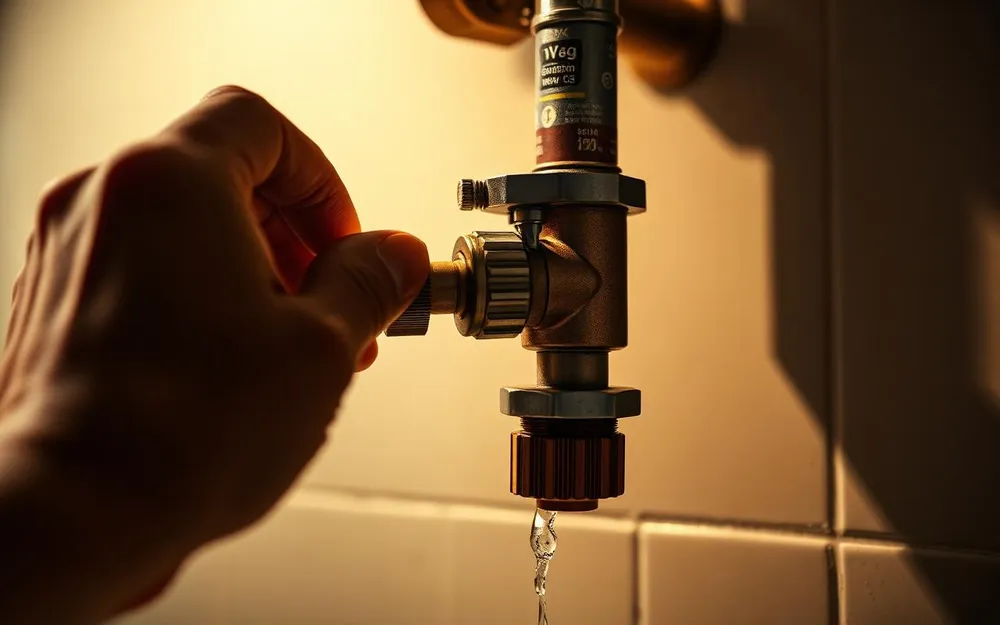
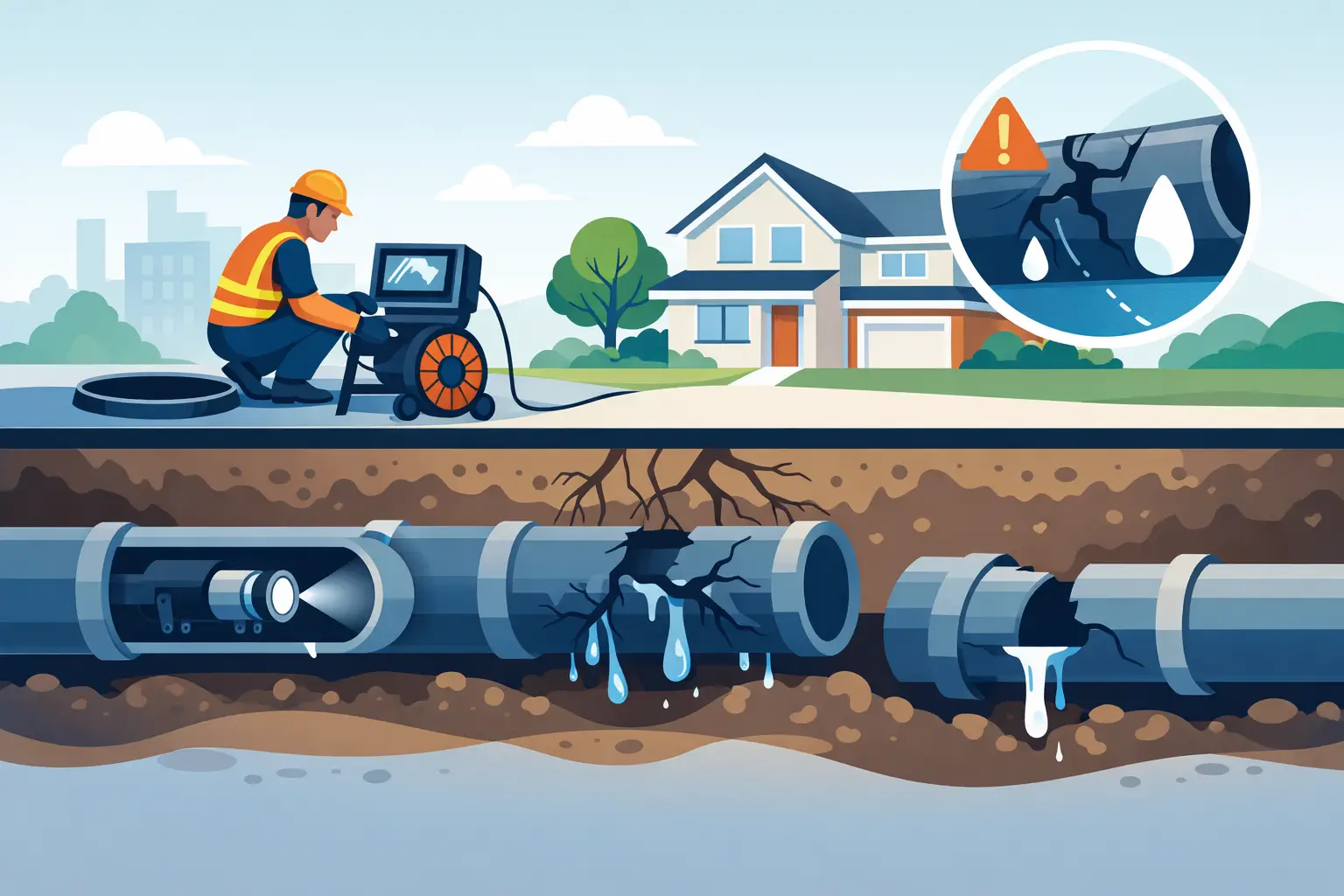
A sewer inspection can answer a question that a slow drain alone cannot: is the problem inside a fixture drain, or is it deeper in the sewer line serving the property? That distinction matters. A blockage or damaged pipe below the ground can lead to wastewater backups, repeated clogs, unpleasant odors, and expensive water damage if it is left untreated.
For homeowners, landlords, and property managers, a camera inspection replaces guesswork with a clear view of what is happening inside the line. It helps a plumber identify the actual source of the issue and recommend the repair that fits the condition of the pipe, not just a temporary fix for the symptom.
What Happens During a Sewer Inspection?
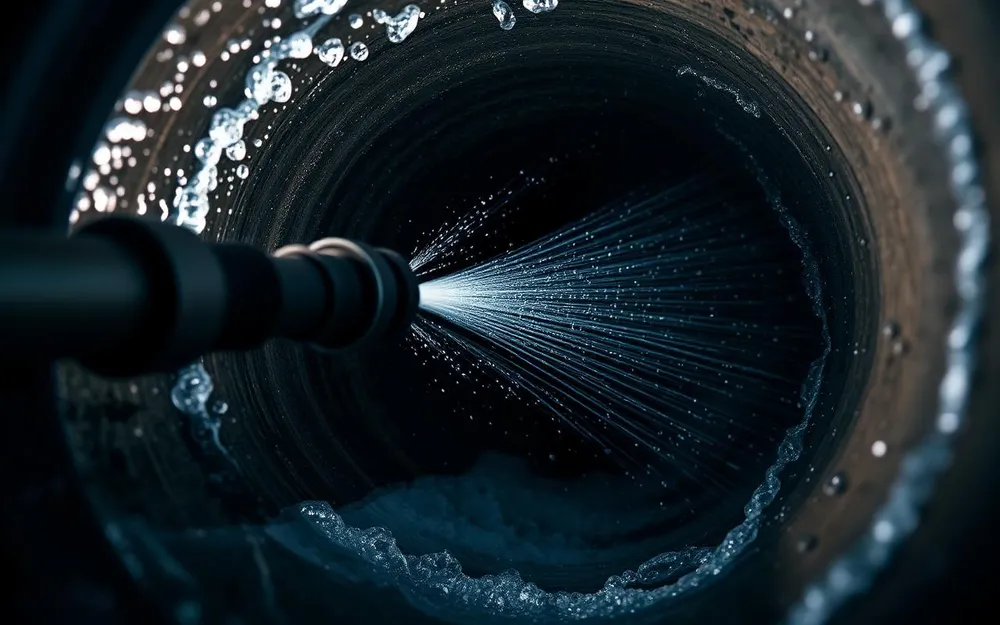
Most professional sewer inspections use a small waterproof camera attached to a flexible cable. The plumber inserts the camera through an accessible cleanout, drain opening, or another appropriate entry point. As the camera moves through the pipe, it sends live video to a monitor.
This process allows the plumber to see common trouble spots, including buildup, standing water, root intrusion, pipe cracks, separated joints, and collapsed sections. The camera can also help locate the issue along the line, which is especially useful when a repair may require digging or when access is limited.
A camera does not repair a sewer line by itself. What it does is prevent a repair decision from being based on assumptions. If the video shows a grease blockage, cleaning may be enough. If it reveals a broken or offset pipe, clearing the line may restore flow briefly but will not solve the underlying problem.
Signs You Should Schedule a Sewer Inspection
One slow sink does not always point to a sewer-line problem. It may be a local clog in that fixture's drain. The concern increases when multiple plumbing fixtures begin acting up at the same time.
Schedule an inspection when toilets bubble while a shower drains, water backs up into a tub or shower, or several drains are slow despite basic clearing attempts. Sewage odors around drains, wet or unusually green patches in the yard, and recurring backups are also warning signs worth taking seriously.
Older homes deserve extra attention. Many properties have aging clay, cast-iron, or Orangeburg sewer lines that may be more vulnerable to cracking, corrosion, root entry, or deterioration. Mature trees can add another risk. Roots naturally seek moisture and can enter even a small opening in a sewer pipe, then expand until they restrict flow.
A sewer inspection is also a smart step before purchasing a home, particularly if the property is older or has large trees near the sewer route. A standard home inspection may not include a video review of the underground sewer lateral. Finding a serious defect before closing can save a buyer from inheriting an unexpected repair.
Problems a Sewer Camera Can Find
Camera work is useful because sewer issues are rarely identical. A professional review can distinguish between problems that look similar from inside the home but require very different solutions.
Blockages and Heavy Buildup
Grease, soap residue, wipes, paper products, and debris can collect inside the pipe over time. A camera can show whether the line is partially restricted or completely blocked. In many cases, professional drain cleaning can remove the obstruction and restore normal flow.
Tree Root Intrusion
Roots may enter through joints, cracks, or failed connections. Early root growth may be cleared with specialized equipment, but repeated intrusion usually means the pipe has an opening that needs further repair. Simply cutting roots without addressing a damaged pipe can lead to the same problem again.
Cracks, Breaks, and Collapsed Pipe
Ground movement, age, corrosion, shifting soil, and outside pressure can damage a buried sewer line. The camera may show a crack, fractured section, missing pipe material, or an area where the pipe has collapsed. These conditions often call for repair or replacement rather than another cleaning.
Bellies, Offsets, and Poor Pipe Slope
A sewer line needs a consistent slope to carry waste away from the building. When part of the pipe settles, it can create a low area called a belly where water and debris remain in the line. An offset joint happens when connected pipe sections shift out of alignment. Both issues can cause repeat clogs, and neither is reliably fixed by plunging or chemical drain products.
Why Repeated Drain Cleaning Is Not Always the Answer
Drain cleaning has an important role, but it is not a cure for every recurring backup. If the same line clogs every few months, the source may be roots, a broken pipe, a belly, or an improper connection. Repeatedly clearing the line without inspecting it can mean paying for short-term relief while the actual defect worsens.
There is also a practical trade-off. A camera inspection has an upfront cost, but it can prevent unnecessary excavation or help confirm when excavation is truly needed. The right choice depends on the findings, the pipe material, the location of the issue, and the condition of the rest of the line.
Avoid relying on harsh chemical drain cleaners for a suspected sewer issue. These products often do little against a deep blockage and can be hard on certain pipes and fixtures. They may also create a safety concern for anyone working on the drain afterward.
Preparing for Your Sewer Inspection
You do not need to do much to prepare, but a few details help the appointment go smoothly. If possible, avoid using large amounts of water immediately before the visit. Let the plumber know when the backups happen, which fixtures are affected, and whether the problem is constant or intermittent.
For rental properties, tenants can help by noting whether the toilet gurgles, where water appears during a backup, and whether drains improve after a temporary clearing. That information can help narrow the likely location of the problem before the camera enters the line.
If the property has a known cleanout, make sure it is accessible. Outdoor cleanouts are sometimes hidden by landscaping, storage, or soil. Do not force open a cap if it is stuck or damaged. A plumber can assess it safely and determine the best access point.
What to Do After the Inspection
The next step should match the evidence. If the camera shows a clear pipe and the issue is limited to one fixture, attention can shift to that fixture drain, venting, or trap. If it shows a removable blockage, professional cleaning may solve the problem. If it reveals structural damage, ask for a clear explanation of the repair options, expected scope of work, and whether the repair addresses the full problem or only one section.
For some sewer lines, a targeted spot repair is the sensible choice. For widespread deterioration, replacement may provide better long-term value. The best answer is not always the least expensive option on the day of service. It is the option that makes sense for the pipe's condition and reduces the risk of another backup.
At Best Quality Plumbing Services, the goal is straightforward: identify the real cause, explain what the camera shows in plain language, and recommend practical next steps. If your drains are backing up or the same clog keeps returning, getting a clear look inside the sewer line can spare your property a much bigger problem later.