A high water bill is often the first sign that something in the house is not working as it should. Residential water efficiency is not about taking shorter showers or making life less comfortable. It is about finding waste, stopping small plumbing problems before they become expensive repairs, and making sure the fixtures you use every day do their job properly.
For homeowners, landlords, and property managers, water efficiency protects more than a monthly utility budget. It can help prevent water damage, reduce strain on plumbing components, and reveal issues such as hidden leaks, failing toilet parts, or aging supply lines before they create a bigger disruption.
Where Homes Waste the Most Water
Most household water waste is not dramatic. It comes from ordinary fixtures that have begun to wear out, run too long, or leak without being noticed. A toilet that quietly refills after every flush, a faucet that drips overnight, or an irrigation line with a small break can waste a surprising amount of water over time.
Toilets are a common source of hidden waste because the leak is often silent. If water continues moving from the tank into the bowl after flushing, the fill valve, flapper, or flush valve seal may need attention. Food coloring in the tank can help reveal a leak: if color appears in the bowl without flushing, water is getting through where it should not.
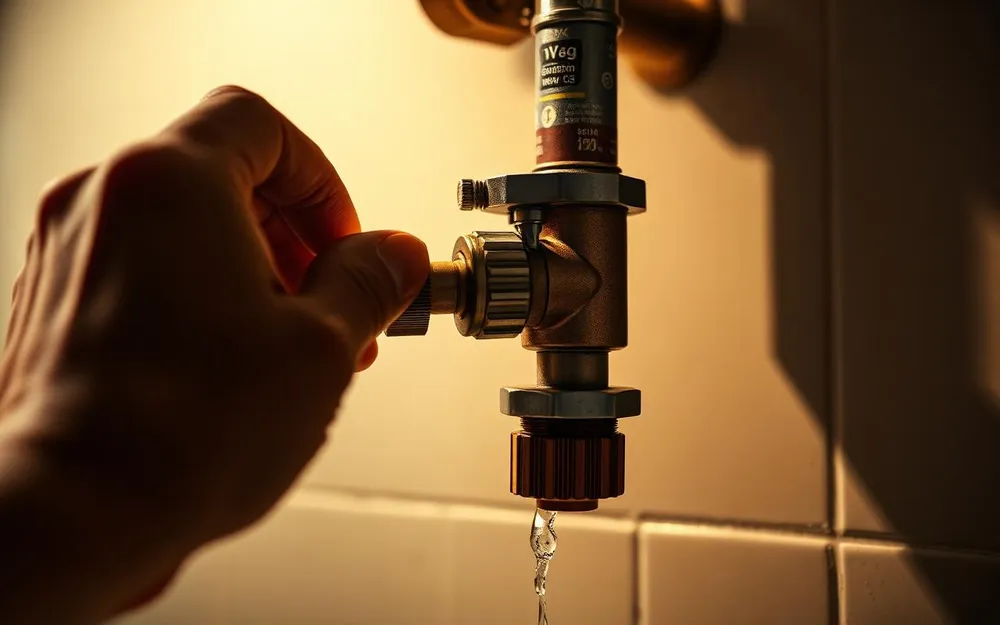
Faucets and showerheads are easier to spot, but they are still easy to postpone. A steady drip may seem minor, yet it usually indicates a worn washer, cartridge, seal, or valve component. Waiting can make the repair more complicated, especially if corrosion develops or the fixture begins leaking below the counter or behind the wall.
Older appliances and fixtures can also raise water use. That does not mean every older toilet, washing machine, or water heater needs immediate replacement. The right decision depends on its condition, repair history, water use, and whether it is causing active problems. A professional inspection can separate a repairable fixture from one that is no longer worth maintaining.
Residential Water Efficiency Starts With Leak Detection
Leaks are the first issue to address because conservation measures do little if water is already escaping from the system. Some leaks are obvious, such as water under a sink or a wet patch near a toilet. Others occur beneath slabs, inside walls, in crawl spaces, or along outdoor lines.
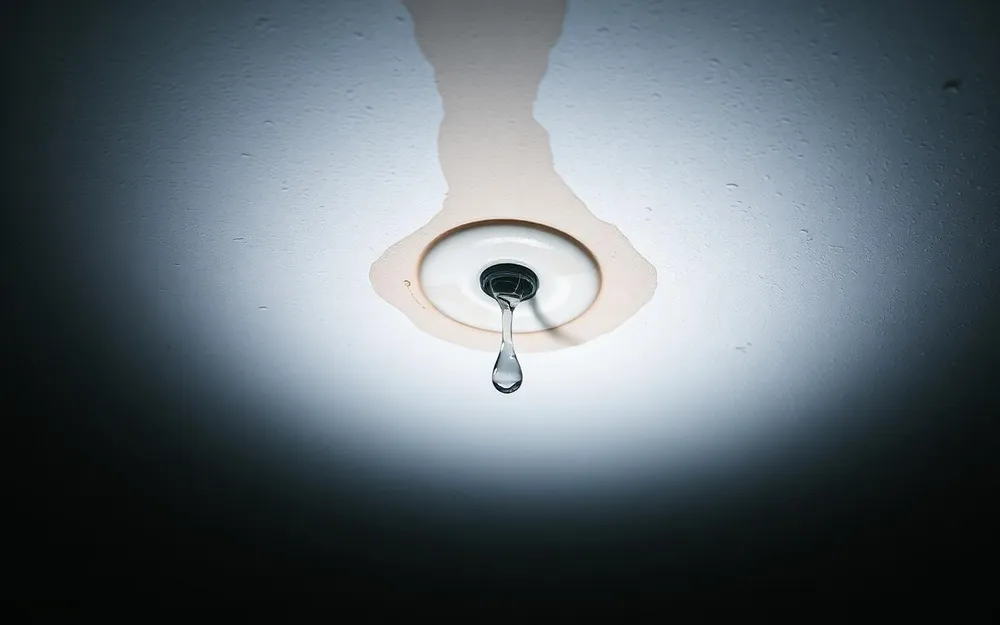
Watch for warning signs that do not always look like a plumbing emergency. These include an unexplained increase in your water bill, a water meter that moves when all fixtures are off, musty odors, warm spots on the floor, peeling paint, low water pressure, or discoloration on ceilings and walls. None of these signs should be ignored, particularly in a rental property where a small leak can affect multiple units or lead to tenant complaints.
A simple meter check can provide useful information. Turn off faucets, appliances, irrigation, and any other water-using equipment. Then check the water meter and avoid using water for a period of time. If the meter changes, there may be a leak somewhere in the plumbing system. Finding the exact location, however, is a job for a qualified plumber with the right diagnostic tools.
Fast repairs matter. Water that leaks into finished walls, flooring, cabinets, or foundations can lead to repairs far beyond the original plumbing issue. Stopping the leak early is usually the most efficient use of money and water.
Upgrade Fixtures When Repairs No Longer Make Sense
Efficient fixtures can reduce household water use without changing normal routines. Modern toilets, showerheads, and faucets are designed to use less water while still providing dependable performance. The key is selecting products that fit the home and are installed correctly.
A high-efficiency toilet can be a practical upgrade when an older unit needs frequent repairs, has recurring clogs, or uses far more water per flush than current models. However, performance matters as much as the water rating. A poorly selected toilet may flush weakly and create more service calls, which defeats the purpose of the upgrade. The drain line condition, bathroom layout, and household use should all be considered.
Low-flow showerheads can lower water use significantly, but homeowners should choose a quality model with a spray pattern that feels adequate. Very low flow may not suit every household, especially where water pressure is already weak. If pressure has suddenly dropped at one fixture or throughout the house, the issue may be a clogged aerator, failing pressure regulator, mineral buildup, or a plumbing problem that needs diagnosis.
Faucet aerators are an affordable improvement for bathroom and kitchen sinks. They mix air with the water stream to maintain useful flow while reducing the amount of water used. They are simple devices, but they can collect debris and mineral buildup. Cleaning or replacing them can improve both water efficiency and fixture performance.
Use Water Smarter Without Creating Plumbing Problems
Daily habits make a difference, but they should not be treated as a substitute for maintenance. Run dishwashers and washing machines with full loads when possible, and choose appropriate cycle settings rather than automatically using the longest option. If an appliance leaks, shakes excessively, or leaves water on the floor, have it checked instead of continuing to run it.
Be careful with what goes down drains. Grease, coffee grounds, wipes, and heavy food debris can contribute to clogs. A clogged drain does not usually waste water directly, but it can cause backups, slow draining, and the temptation to use harsh chemical products that may damage pipes or fixtures. A properly maintained drain system works better and reduces the risk of an inconvenient backup.
Outside, irrigation deserves the same attention as indoor plumbing. Watering during the hottest part of the day increases evaporation, while broken sprinkler heads or poorly aimed spray can send water onto sidewalks and driveways. Adjusting the schedule seasonally and checking for wet spots, broken heads, or runoff can make a noticeable difference.
Maintain the Plumbing System Behind the Walls
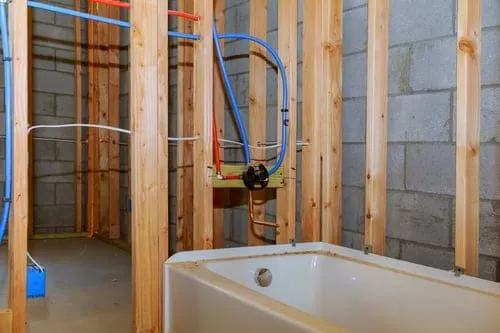
The visible fixtures are only part of the picture. Residential water efficiency also depends on shutoff valves, pressure regulators, water heaters, supply lines, and pipes that homeowners rarely see until something fails.
Excessive water pressure can stress supply lines, faucet cartridges, toilet valves, and appliance connections. It may contribute to leaks and shorten the life of components throughout the house. On the other hand, low pressure can point to a restriction, valve issue, corroded pipe, or problem with the water supply. Pressure concerns should be diagnosed rather than guessed at.
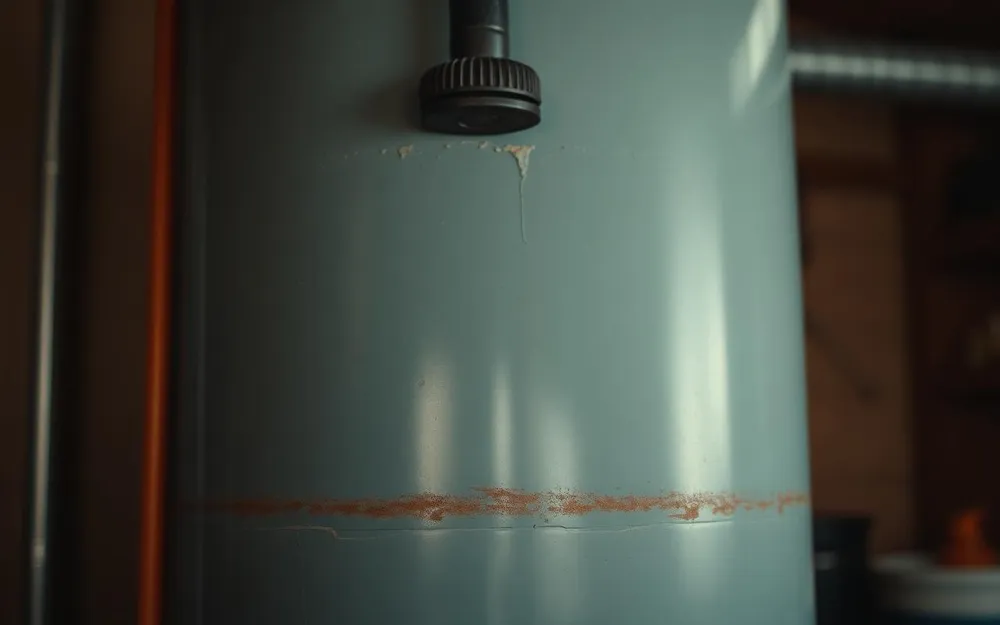
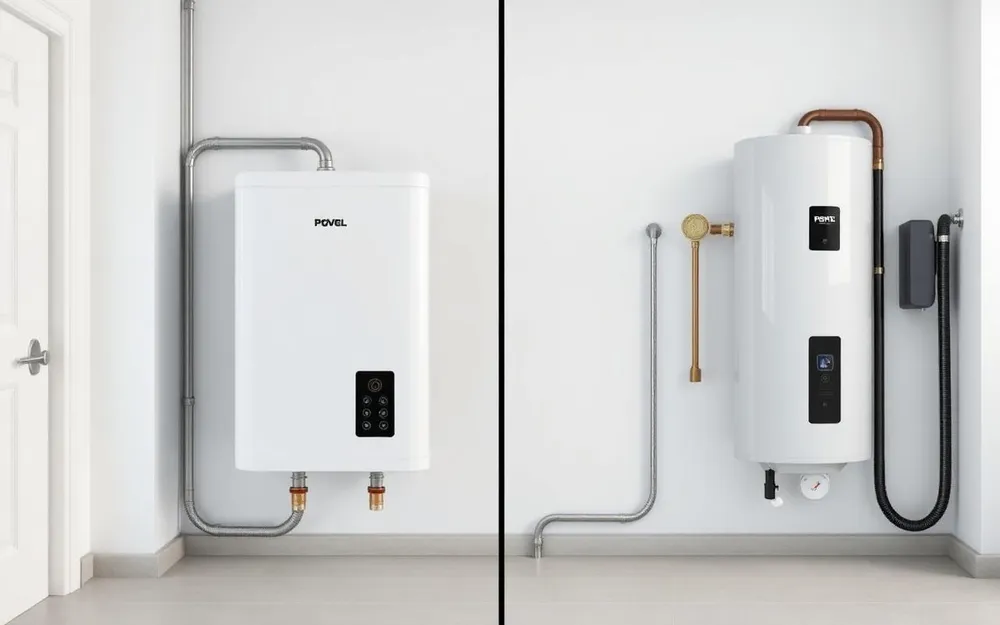
Your water heater also affects how efficiently water is used. If it takes too long for hot water to reach a shower or sink, people often let the water run while waiting. A poorly performing water heater, undersized system, circulation issue, or damaged plumbing line may be part of the cause. The solution depends on the home. Raising the temperature is not automatically the answer and can create safety concerns, particularly for families with children.
Regular plumbing maintenance gives property owners a chance to catch these issues before an emergency. At Best Quality Plumbing Services, the focus is on finding the actual cause, explaining the repair clearly, and helping customers make practical choices that fit the condition of their home.
Know When to Call a Plumber
Some efficiency improvements are straightforward, such as replacing a worn faucet aerator or watching for toilet leaks. Call a plumber when there is unexplained water use, recurring clogs, low pressure, a leaking water heater, moisture near walls or floors, or a fixture that keeps failing after basic repairs.
A dependable repair does more than stop an immediate problem. It helps keep water where it belongs, protects the home from damage, and gives you one less surprise to deal with. If a fixture is dripping, running, or acting differently than it used to, addressing it now is usually easier than dealing with the damage later.