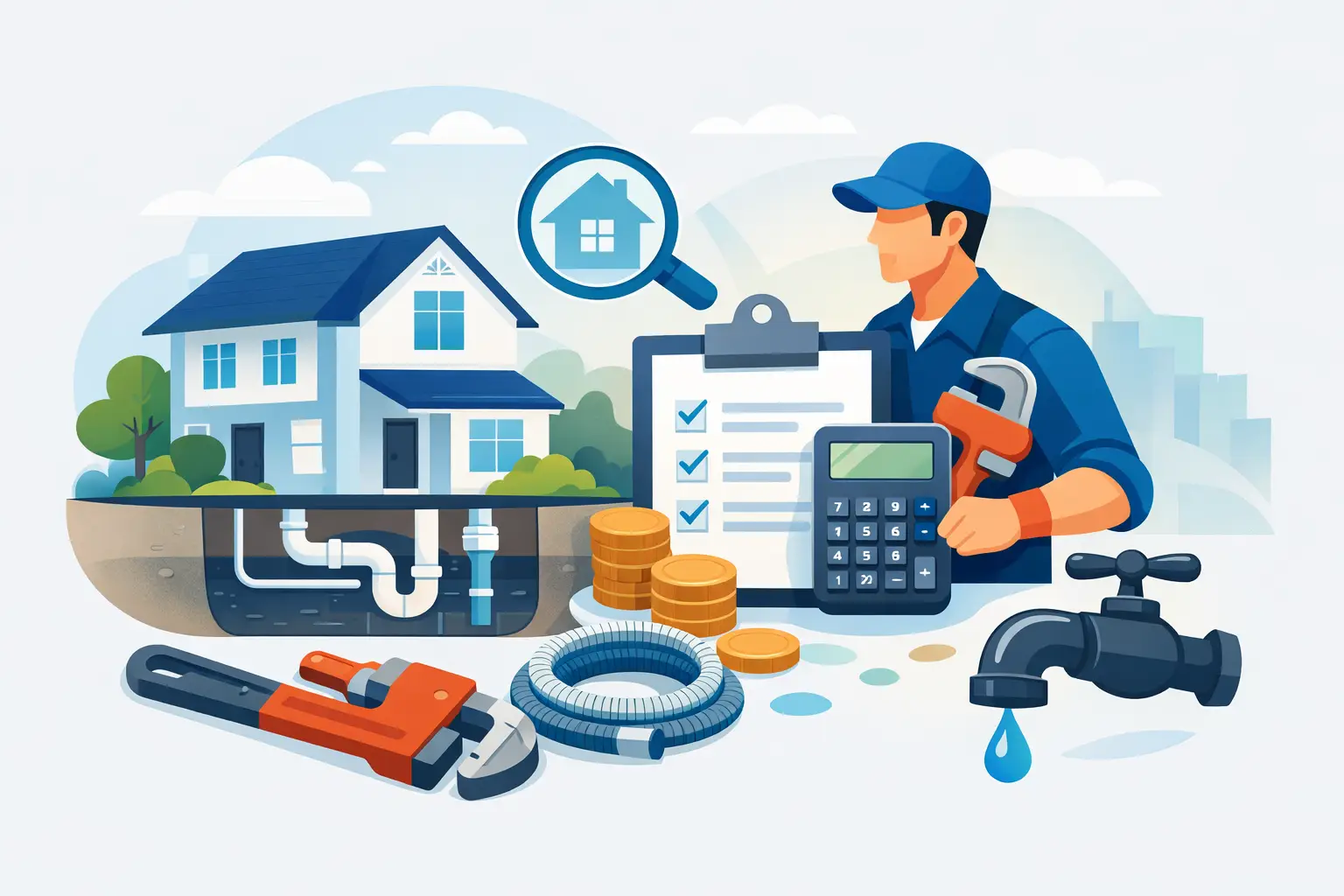
A small puddle under the sink can turn into cabinet damage, mold concerns, and a much larger repair if it is left alone. A residential plumbing repair cost estimator gives homeowners, renters, and property managers a practical starting point before scheduling service. It cannot replace an on-site diagnosis, but it can help you understand what affects the bill and why a fast repair is often the better value.
What a Plumbing Repair Estimate Should Tell You
A useful estimate is more than a single number. It should account for the type of problem, the likely source, the materials involved, access to the damaged area, and whether the work needs to happen during regular hours or as an emergency call.
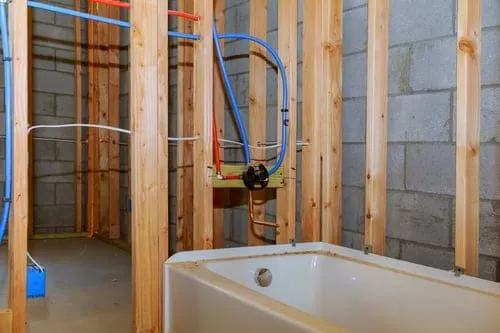
For example, a loose connection beneath an easy-to-reach bathroom sink may be a straightforward repair. A leak inside a wall, beneath a slab, or behind a shower surround requires more investigation and more labor. The visible symptom may look similar, but the work needed to fix the actual cause can be very different.
The most reliable estimates explain the repair in plain language. You should know what the plumber found, what needs to be repaired or replaced, and whether there are options to consider before work begins.
Residential Plumbing Repair Cost Estimator: Common Ranges
Every home and repair is different, but these broad ranges can help set reasonable expectations for common residential plumbing work. Local labor rates, parts, accessibility, and the condition of the plumbing system will affect the final price.
Leak Repairs
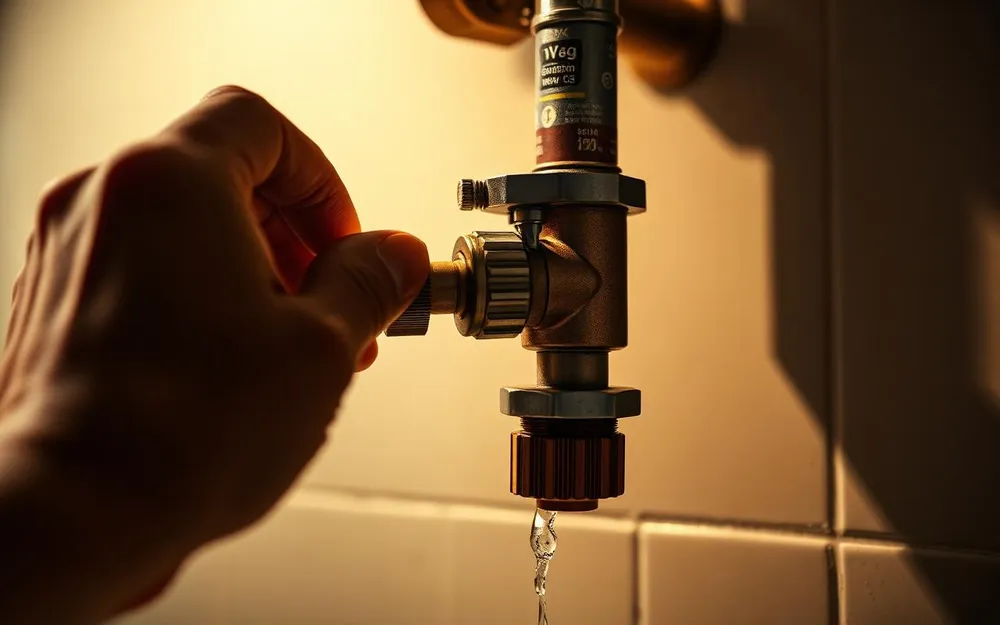
Minor visible leaks, such as a dripping supply line, worn washer, loose fitting, or leaking trap under a sink, often fall in the lower range of plumbing repairs. If the leak has damaged a valve, pipe section, fixture connection, or hidden area, the price can rise quickly because diagnosis and access take more time.
A simple repair may cost roughly $150 to $400, while a more involved pipe leak repair can range from $400 to $1,500 or more. Repairs behind walls, under floors, or in difficult-to-reach areas may require separate restoration work after the plumbing issue is fixed.
Drain Cleaning and Clog Removal
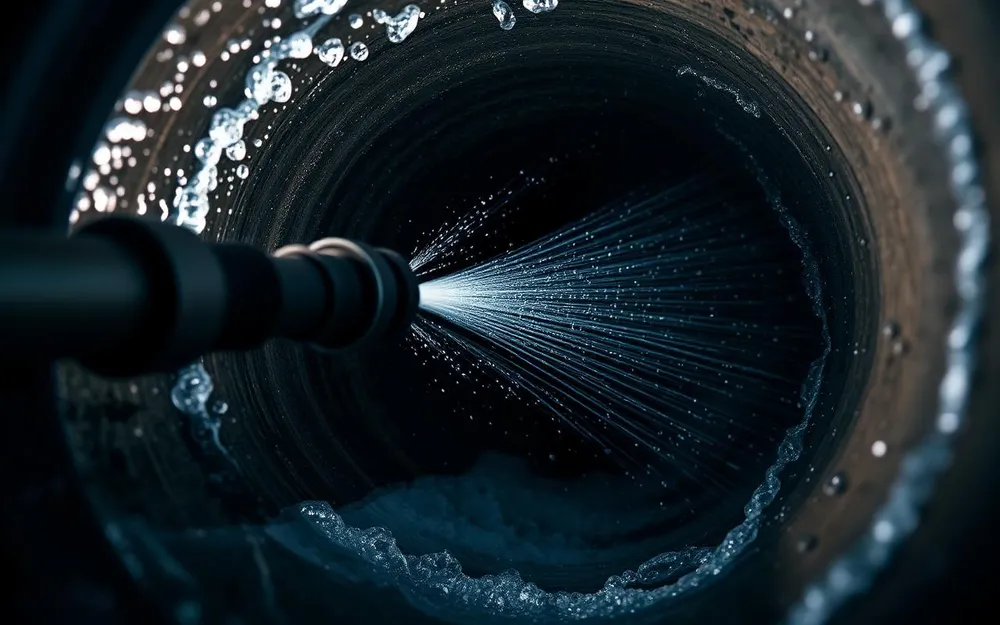
A basic sink, tub, or toilet clog may be resolved with professional drain cleaning in the $150 to $400 range. Recurring backups, multiple slow drains, or sewer odors can point to a larger line issue. In those cases, camera inspection, drain machine work, or hydro jetting may be needed.
Main sewer line cleaning commonly costs more because the equipment and time involved are greater. If roots, a damaged pipe, or a collapsed line are found, cleaning may only be the first step rather than the final repair.
Toilet Repairs
Many toilet problems come from replaceable parts inside the tank. A running toilet, weak flush, leaking flapper, or faulty fill valve can often be repaired without replacing the entire fixture. Typical repairs may range from $150 to $350, depending on the part and condition of the toilet.
A toilet that leaks at the base, rocks on the floor, backs up repeatedly, or has a cracked bowl deserves prompt attention. The repair may involve a new seal, flange work, clearing a drain obstruction, or replacing the toilet. Costs vary based on what is found once the fixture is removed.
Faucet, Sink, and Garbage Disposal Repairs
A dripping faucet may need a cartridge, seal, or internal component. A leaking sink may need a new drain assembly, trap, supply line, or shutoff valve. These repairs commonly start around $150 and can move higher when corroded parts, restricted access, or fixture replacement are involved.
Garbage disposal repairs depend on whether the unit is jammed, leaking, electrically failed, or simply at the end of its service life. Replacing an older disposal can be the more sensible option when repair costs approach the price of a dependable new unit and installation.
Water Heater Problems
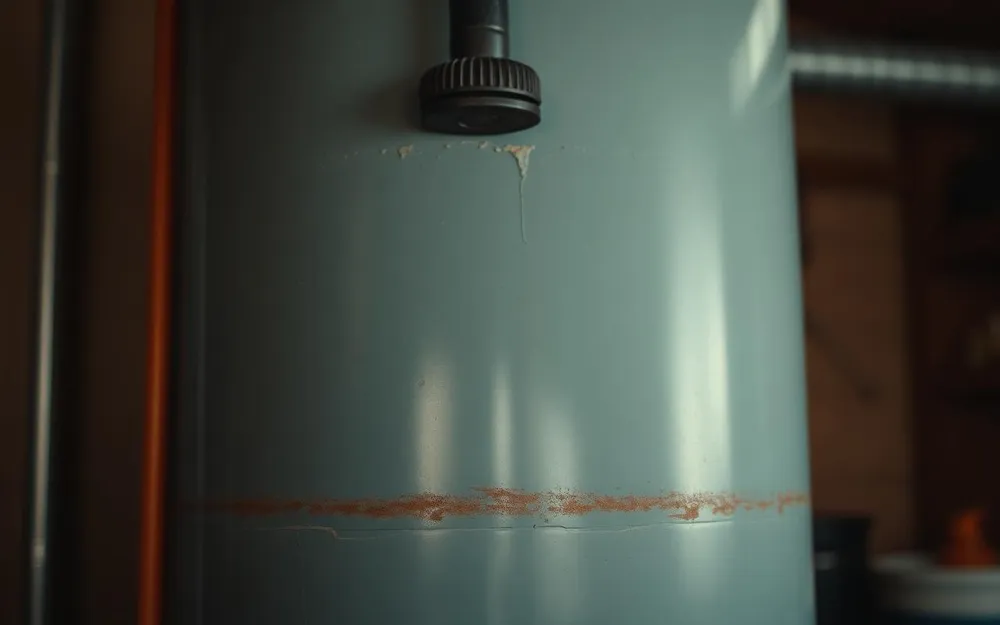
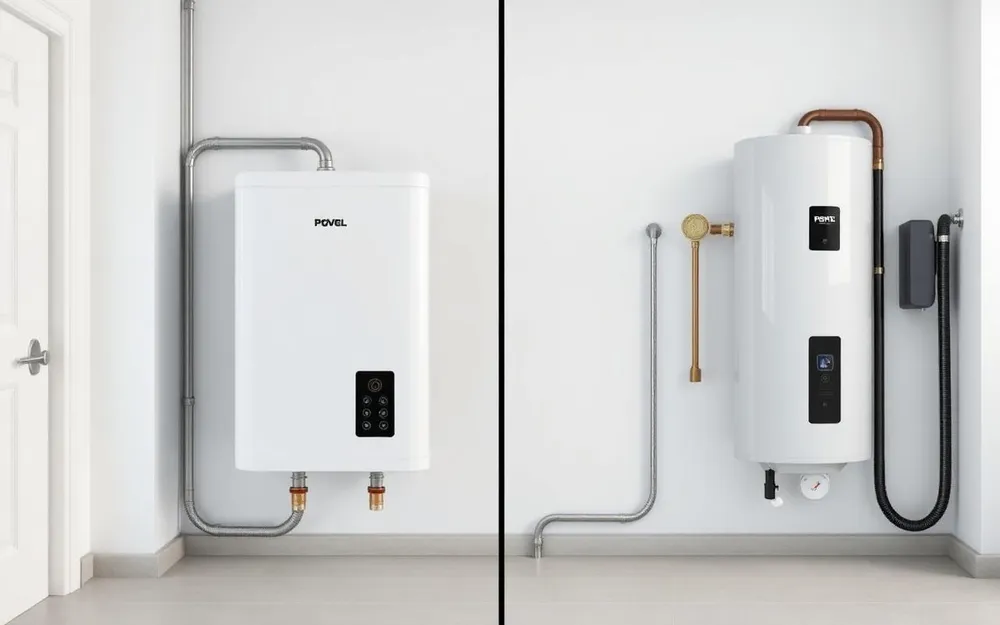
Water heater service costs depend heavily on the problem and the type of unit. A pilot, thermostat, pressure relief valve, or minor connection issue may be repairable. A leaking tank, severe corrosion, or major internal failure usually calls for replacement.
Because hot water systems involve water pressure, gas or electrical connections, and potential safety risks, this is not a repair to delay. If you see water around the tank, smell gas, notice rusty hot water, or lose hot water suddenly, arrange professional service as soon as possible.
What Drives the Final Cost
The repair itself is only one part of the price. A dependable plumber needs time to locate the source of the problem, protect the work area, complete the repair correctly, test the system, and clean up afterward.
The biggest cost factors are usually the location of the damage, the parts required, the age and condition of existing plumbing, and the urgency of the call. A repair completed during normal business hours is often less expensive than after-hours emergency service. Still, waiting is not always the budget-friendly choice. An active leak or sewage backup can cause damage that costs far more than the service call.
Material also matters. Older galvanized, cast iron, polybutylene, or heavily corroded plumbing can create complications that are not visible from the outside. A plumber may begin with one likely repair plan and find that adjacent fittings or pipe sections are too worn to safely reconnect. That is why a clear diagnosis matters before anyone promises a final number.
When a Quick Estimate Is Enough and When You Need an Inspection
A quick estimate can be useful when the issue is obvious and accessible, such as a dripping faucet, failed toilet fill valve, or leaking exposed supply line. Photos and a clear description may help a plumbing company provide a general range before arrival.
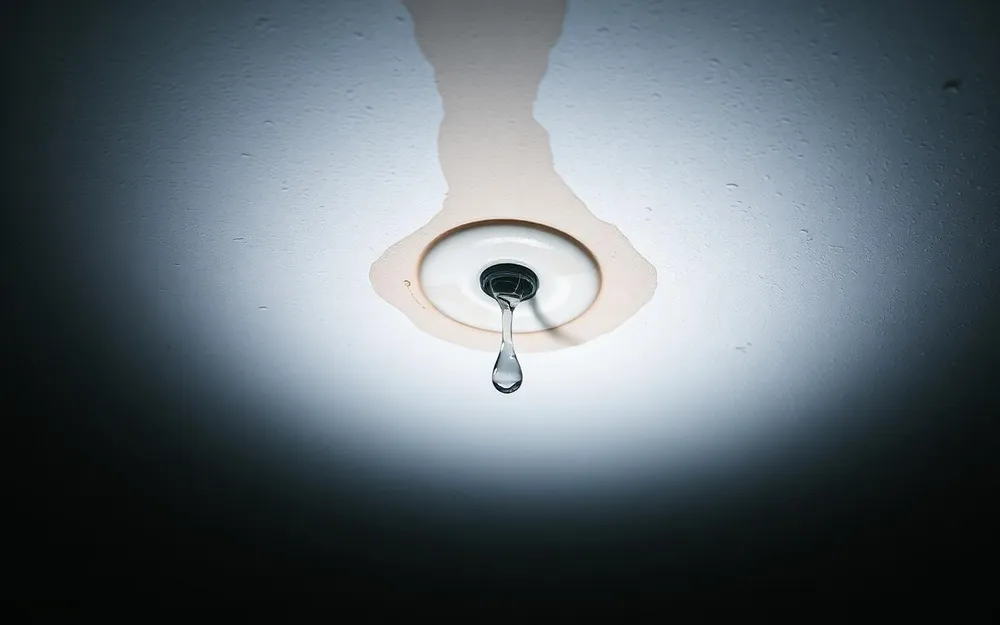
You need an on-site inspection when water is coming from a wall, ceiling, floor, or unknown location; when drains back up in more than one fixture; when a water bill rises without explanation; or when you smell sewage or gas. These are signs that the visible problem may not be the real problem.
A professional inspection protects you from paying for the wrong repair. Clearing a recurring clog without identifying a damaged sewer line, for instance, may provide temporary relief but not a lasting solution.
How to Keep Plumbing Repair Costs Under Control
The best way to manage repair costs is to act before a small issue becomes a damaging one. Check under sinks occasionally, listen for running toilets, and pay attention to slow drains or changes in water pressure. Those early warning signs are usually cheaper to address than a burst pipe or full backup.
Avoid using chemical drain cleaners as a routine fix. They can damage certain pipes, create hazards for anyone working on the drain later, and rarely solve the cause of a recurring blockage. Use strainers where needed, keep grease out of kitchen drains, and do not flush wipes or other non-flushable products.
For rental properties, document the issue as soon as it is noticed and coordinate service quickly. For homeowners, keep the area around shutoff valves and water heaters accessible. Those simple steps can reduce delays when a plumber needs to respond.
Choose a Repair Plan, Not Just the Lowest Price
The lowest quote is not always the lowest cost. A repair that skips diagnosis, uses poor-quality parts, or leaves a larger issue behind can lead to another service call and more disruption. Ask what is included, whether the repair addresses the cause of the problem, and what condition the surrounding plumbing is in.
The Best Quality Plumbing focuses on clear communication, dependable workmanship, and repairs that restore normal use without unnecessary confusion. If you have an active leak, backup, or loss of water, turn off the nearest shutoff valve if it is safe to do so, protect nearby belongings, and schedule professional help before the damage spreads.
A realistic estimate gives you a starting point. A careful inspection gives you the confidence to make the right repair decision for your home.