A pipe problem rarely starts with a dramatic burst in the wall. More often, it starts with a damp cabinet floor, a water stain that keeps getting bigger, or a drop in water pressure that feels easy to ignore until it is not. Residential pipe repair matters because small plumbing issues can turn into expensive structural damage, mold growth, and major disruption fast.
When pipes fail in a home, the real concern is not just the leak itself. It is what that leak can do to flooring, drywall, insulation, cabinets, and the daily routine of everyone in the house. That is why the right repair approach needs to be quick, accurate, and built to last.
When residential pipe repair is needed
Some pipe problems are obvious. Others hide behind walls, under floors, or beneath the slab for weeks before anyone notices. A homeowner may only see the warning signs first.
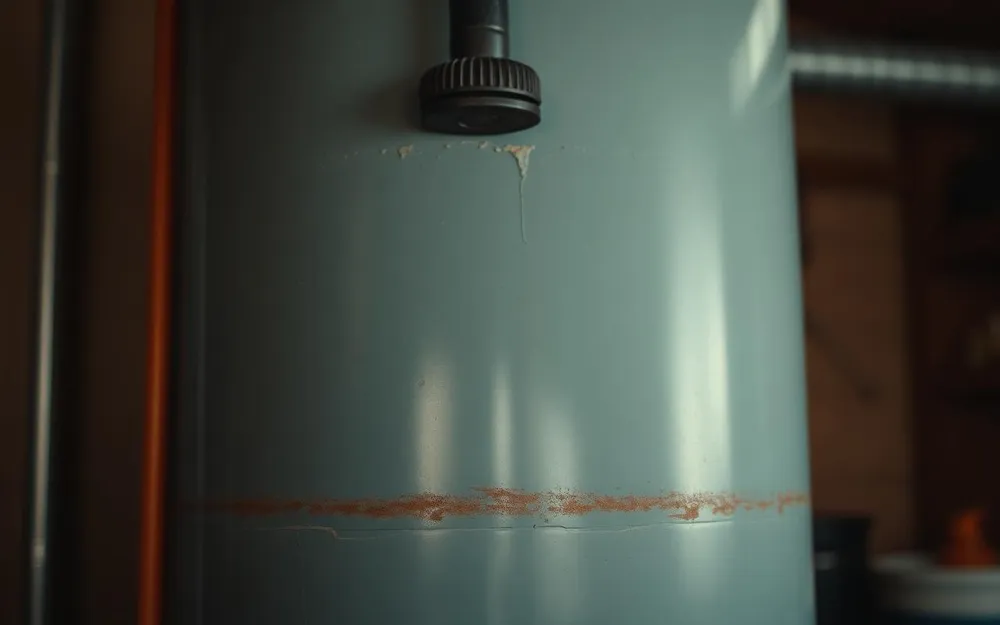
A sudden spike in the water bill is one of the most common clues. So are low water pressure, discolored water, slow recurring leaks under sinks, damp drywall, warped flooring, or a musty smell that does not go away. In colder weather, frozen pipes can split and begin leaking once they thaw. In older homes, corrosion in galvanized or aging copper lines can create pinhole leaks that keep coming back.
Drain lines have a different pattern. Instead of clean-water leaks, they often show up as slow drains, backups, gurgling sounds, or bad odors. A damaged drain pipe may not flood a room right away, but it can create a sanitation issue and hidden moisture damage if left alone.
The key point is simple. If the same plumbing problem returns, there is usually a deeper pipe issue behind it.
What causes pipe damage in homes
No two repair calls are exactly alike, but most residential pipe repair work comes back to a few common causes.
Age is a big one. Pipes do not last forever, and materials matter. Older galvanized steel can corrode internally. Copper can develop leaks over time from wear, water chemistry, or poor installation. Some plastic piping systems in older properties are more failure-prone than modern materials.
Temperature changes also put stress on plumbing. Freezing water expands, and even a small section of frozen pipe can crack. Shifting soil, foundation movement, and heavy wear around fittings or joints can weaken pipes as well. In kitchens and bathrooms, clogs can increase pressure in the system and expose weak points.
Then there is workmanship. A poor repair from years ago may hold for a while, then fail under normal use. That is one reason a quick patch is not always a real solution.
Repair or replace? It depends on the condition of the pipe
Homeowners often want a clear answer right away. Is this a repair, or does the pipe need to be replaced? The honest answer is that it depends on the location, material, age, and extent of damage.
A single isolated leak on an otherwise solid section of pipe may be handled with a focused repair. If the pipe is accessible and the rest of the line is in good shape, that can be the most practical and cost-effective option.
If there are repeated leaks, widespread corrosion, visible deterioration, or damage in multiple areas, replacement may make more sense. Paying for repair after repair on a failing system usually costs more in the long run. It also increases the risk of another leak at the worst possible time.
That is where a professional diagnosis matters. A dependable plumber should be able to explain what failed, whether the issue is isolated or systemic, and what repair path offers the best value for the property.
Common residential pipe repair methods
Not every pipe repair requires opening large sections of wall or tearing up flooring, but some repairs are straightforward while others are more involved.
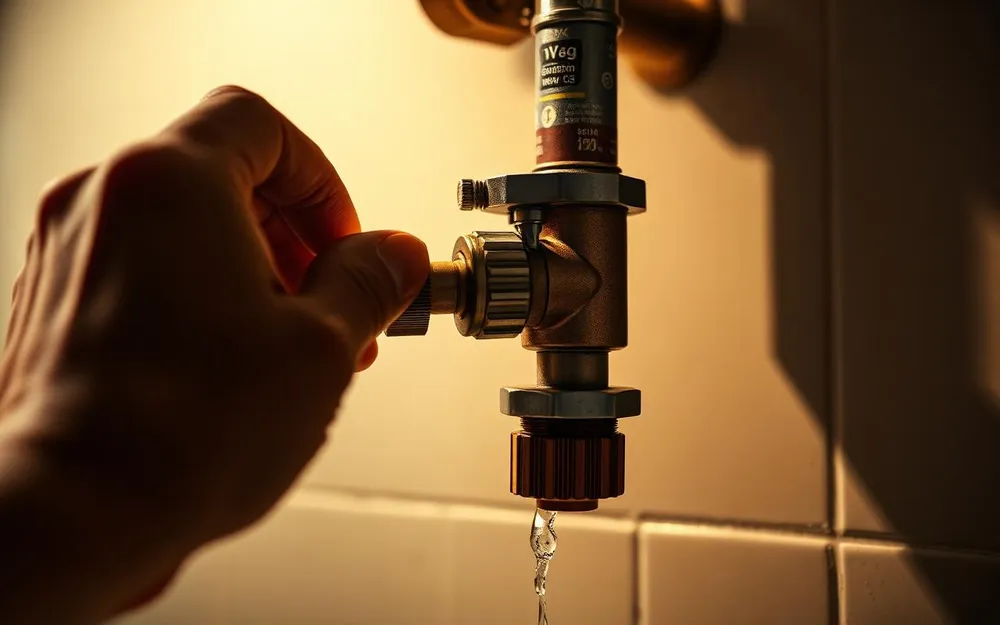
For exposed supply lines under sinks, in basements, or in utility areas, the damaged section can often be removed and replaced directly. If the issue is at a joint, valve connection, or fitting, the repair may be limited to that specific area.
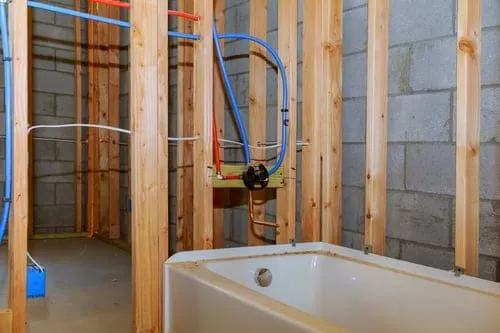
Wall and ceiling leaks usually take more care because access has to be created before the pipe can be repaired properly. The goal should be to open only what is necessary, fix the issue cleanly, and avoid leaving homeowners with a bigger mess than they started with.
Drain pipe repairs can involve replacing cracked sections, resetting poor connections, or correcting slope issues that cause chronic backups. In some cases, especially with underground lines, camera inspection helps locate the exact problem before any repair work starts.
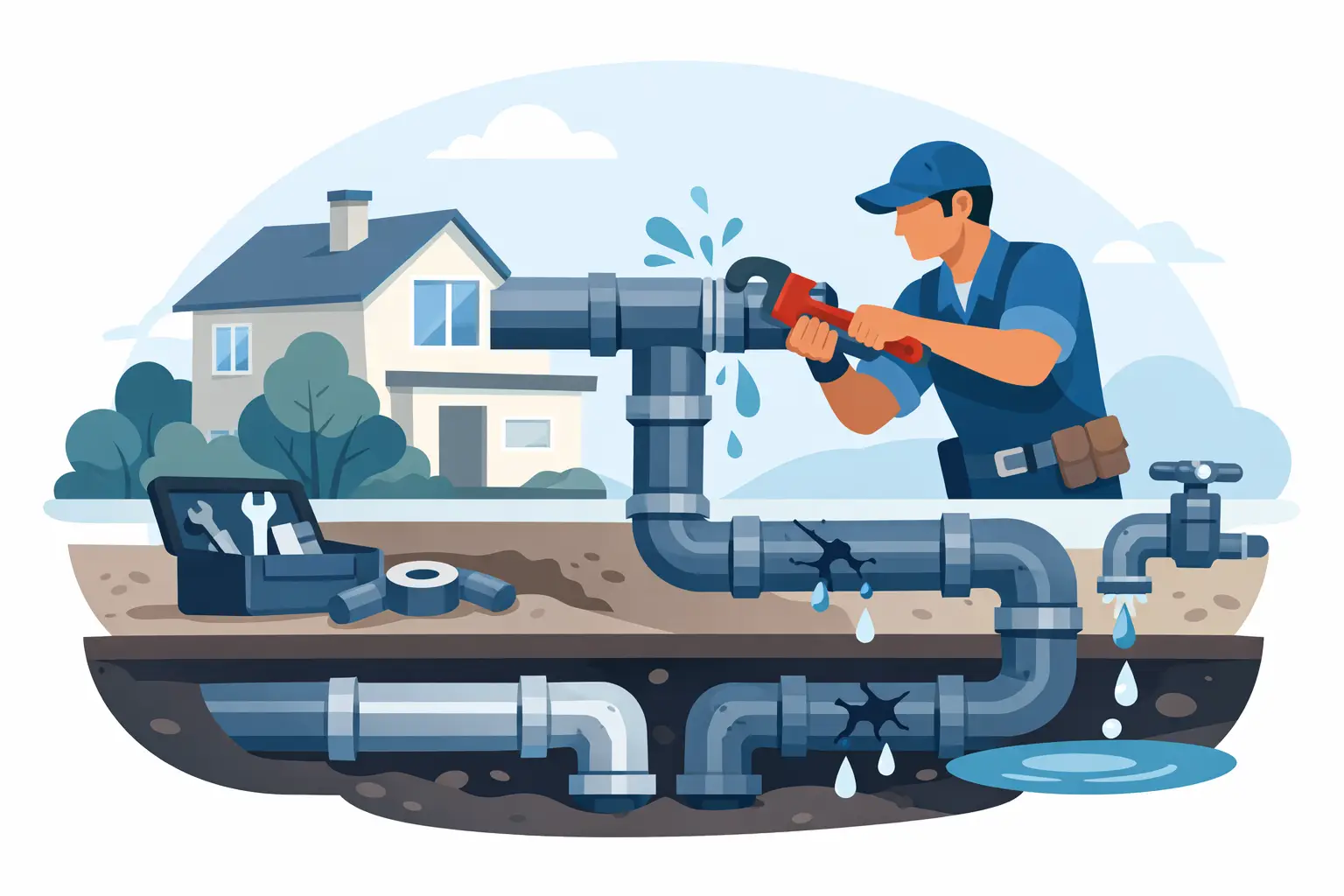
For slab leaks or buried pipe damage, the method depends on how severe the leak is and where the line runs. Spot repair may work in some cases. In others, rerouting a line can be the smarter long-term option if direct access would be too destructive or if the original pipe is likely to keep failing.
Why fast action saves money
People sometimes wait on pipe repairs because the leak seems minor. That delay is where costs climb.
Water travels. A small leak under pressure can spread into subflooring, wall cavities, baseboards, and adjacent rooms before the visible damage catches up. Once that happens, the job is no longer just plumbing. It becomes cleanup, drying, repairs to building materials, and sometimes mold remediation.
The same goes for drain leaks. Slow wastewater leaks can damage wood framing, create odors, and compromise sanitary conditions in a home or rental unit. For landlords and property managers, a delayed response can also mean tenant complaints, emergency calls, and avoidable property damage.
Prompt residential pipe repair helps control the problem while it is still limited. That usually means less damage, less downtime, and a more manageable repair bill.
What to expect from a professional pipe repair visit
A good service call should reduce stress, not add to it. That starts with a clear inspection.
First, the plumber identifies the source of the problem. That may involve pressure testing, checking visible plumbing lines, inspecting fixtures, or using diagnostic equipment for hidden leaks or drain issues. The goal is to find the actual failure point, not just the symptom.
Next comes the repair recommendation. Homeowners should get a straightforward explanation of what is wrong, what needs to be done, and whether there are options based on the condition of the system. If the pipe issue has affected surrounding materials, that should be pointed out clearly.
Then the repair itself should be completed with attention to workmanship and cleanliness. In residential service, that matters. People are not just hiring a plumber to stop a leak. They are trusting someone to work inside their home, respect the space, and fix the issue correctly the first time.
That is the standard a company like The Best Quality Plumbing is built around - practical solutions, dependable service, and repairs homeowners can feel confident about.
Signs you should call now, not later
Some pipe problems can wait a day for scheduled service. Others need immediate attention.
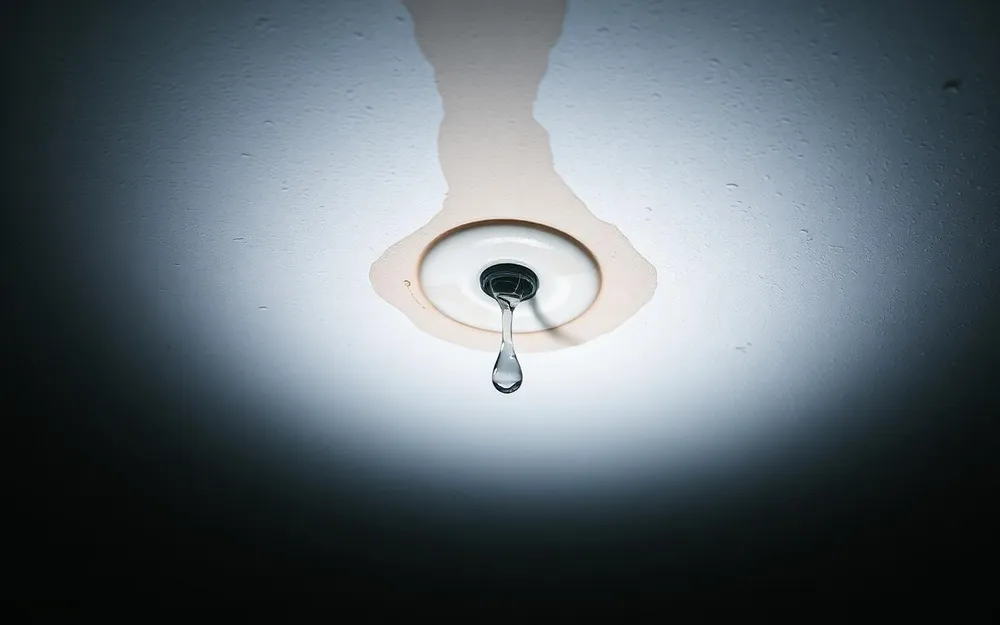
If water is actively leaking through a ceiling, pooling on the floor, soaking drywall, or affecting electrical areas, it is time to act right away. The same goes for a burst pipe, a sudden loss of water pressure throughout the house, sewage backup, or any leak that cannot be contained with a shutoff valve.
Even if the leak seems manageable, recurring issues should not be brushed off. A stain that comes back, a cabinet that stays damp, or a pipe that has been repaired before is usually a sign that the original issue was never fully resolved.
Choosing the right plumber for residential pipe repair
Price matters, but it should not be the only factor. The cheapest fix is not a bargain if it fails in six months or leaves hidden damage behind.
Look for a plumber who communicates clearly, shows up when promised, diagnoses the full issue, and recommends work based on the actual condition of the pipes. You want someone who understands the difference between a temporary patch and a durable repair.
For homeowners, renters coordinating with property owners, and managers responsible for keeping units livable, reliability is a service in itself. Plumbing problems are disruptive enough. The repair process should not be.
If you suspect a pipe issue, trust what your home is telling you. A small leak has a way of becoming a large repair bill when it gets ignored, and early action is almost always the easier path.