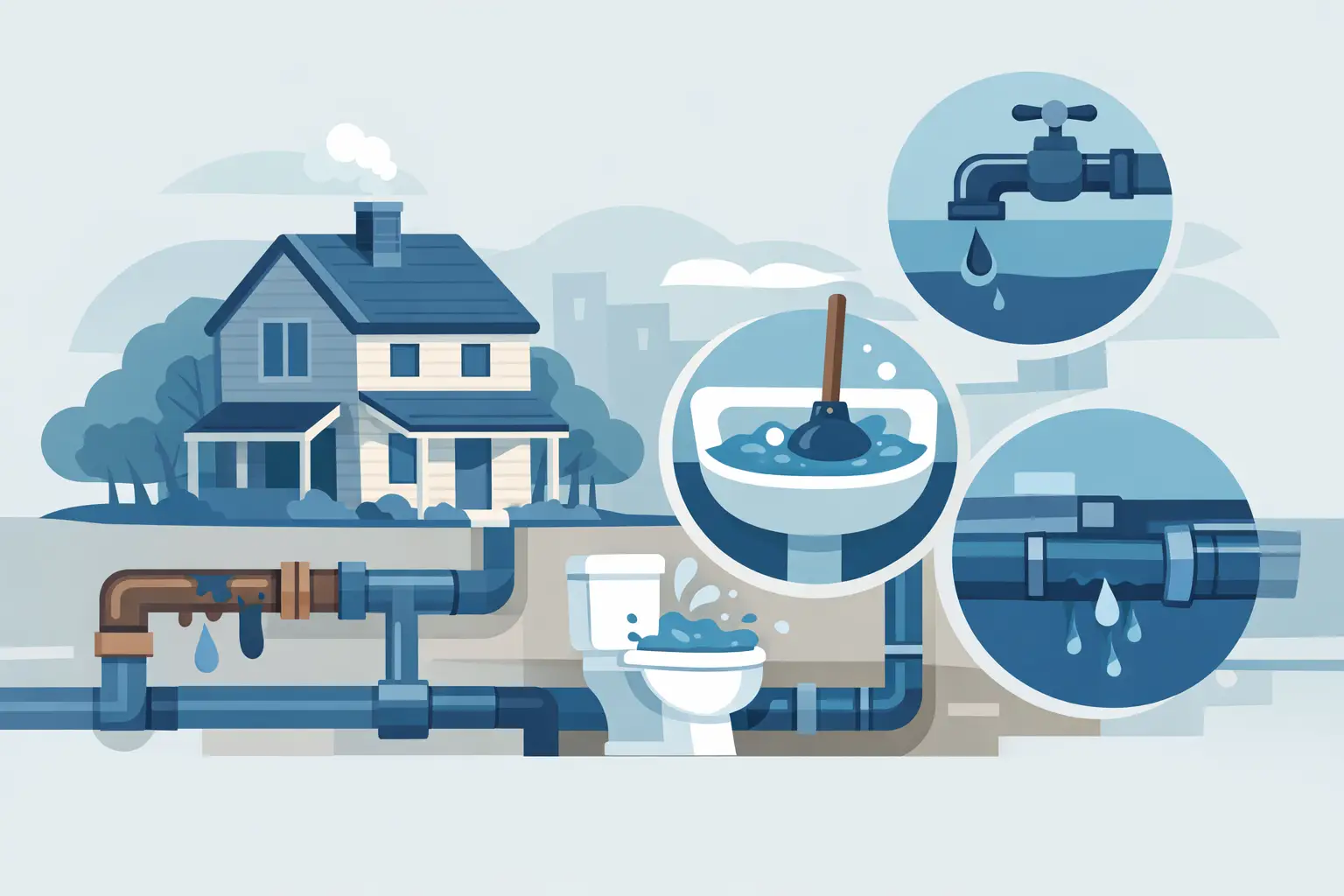
A beautiful older home can hide plumbing that is well past its expected service life. Many plumbing issues in older homes start quietly: a slow drain that keeps returning, low water pressure at one faucet, a faint stain on the ceiling, or a water bill that creeps up for no clear reason. Waiting for a visible flood is rarely the best plan. Early diagnosis can protect the home, reduce disruption, and prevent a smaller repair from becoming a major restoration project.
Older properties in Sylmar, the San Fernando Valley, and surrounding communities often have a mix of original pipes, past repairs, and newer fixtures. That combination can make the problem less obvious. A dependable plumber does not just clear the symptom. They identify what is causing it and explain the repair in plain terms.
Why Older Home Plumbing Needs Extra Attention
Plumbing systems do not age at the same rate as the rest of a house. Pipes are exposed to water chemistry, mineral buildup, soil movement, temperature changes, and decades of daily use. Materials that were common when a home was built may now be corroded, restricted, cracked, or no longer appropriate for the job.
Previous repairs also matter. A home may have copper added in one area, galvanized pipe left in another, and drain lines patched over the years. Those repairs are not automatically a problem, but they can create weak points or make diagnosing a new leak more complicated.
The right solution depends on the condition of the system, not simply the age of the house. One localized pipe repair may be enough. In other situations, repeated failures are a sign that replacing a section or repiping is the more practical long-term choice.
Common Plumbing Issues in Older Homes
Corroded galvanized water pipes
Galvanized steel water pipes were widely installed in older homes. Over time, the protective zinc coating wears down and corrosion can build inside the pipe. The opening becomes narrower, restricting water flow even when there is no visible leak.
Low pressure at several fixtures, rusty or brown water after the faucet has been off, and uneven flow between hot and cold water are common warning signs. Corroded pipes can also develop pinhole leaks or fail at threaded connections.
A pressure problem is not always caused by old piping. It can come from a failing pressure regulator, a partially closed shutoff valve, or mineral buildup in an individual fixture. A professional inspection helps separate a simple fixture repair from a larger piping concern.
Aging drain and sewer lines
Drain lines in older homes may be made from cast iron, clay, or other legacy materials. Cast iron can corrode from the inside, creating rough surfaces that catch debris. Clay sewer pipes may shift, crack, or separate as the ground moves. Roots are especially likely to enter through joints and damaged sections.
Frequent clogs in more than one fixture, gurgling toilets, sewage odors, and water backing up into a shower or tub are signs that the issue may be beyond a single drain. Chemical drain cleaners are not a dependable answer for this type of problem. They can damage certain pipes and do nothing to correct root intrusion, a broken line, or a severe buildup inside the sewer.
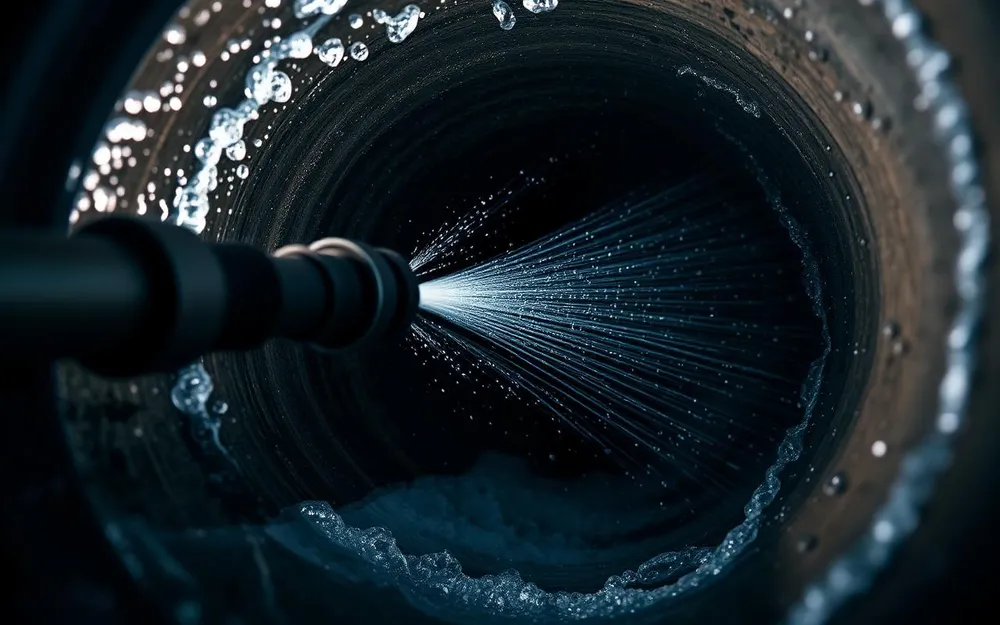
Drain cleaning can restore flow when the pipe is structurally sound. If a camera inspection shows cracks, heavy deterioration, or offsets, repair or replacement may be the better investment.
Hidden leaks behind walls and under floors
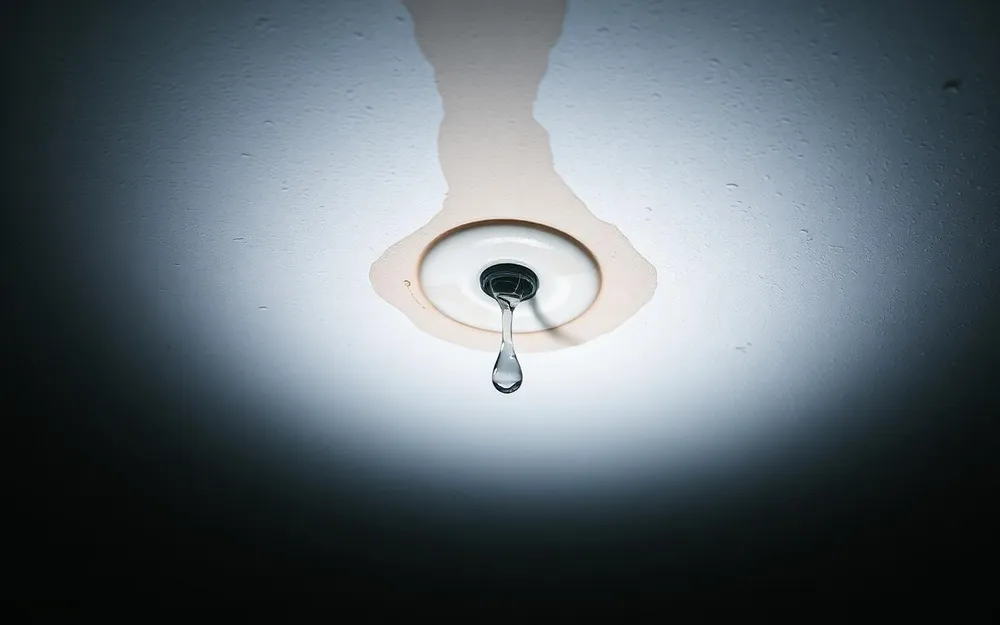
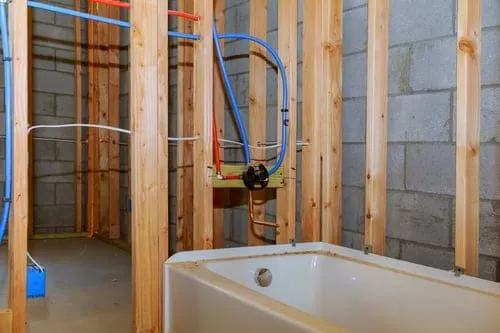
Older pipe joints, aging supply lines, and corrosion can allow water to escape where it cannot be seen. A hidden leak may begin as a small damp spot, bubbling paint, musty odor, warped flooring, or a ceiling stain below a bathroom. In some homes, the first clue is an unexplained increase in the water bill.
Do not assume a stain is old just because it is dry when you touch it. Water can travel along framing before becoming visible, and an intermittent leak may only appear when a fixture is used. Prompt leak detection limits damage to drywall, flooring, insulation, and framing.
If you see active dripping, shut off the water supply to the affected fixture if possible. If the leak is significant or you cannot isolate it, turn off the main water supply and call for plumbing service right away.
Worn-out fixture valves and supply connections
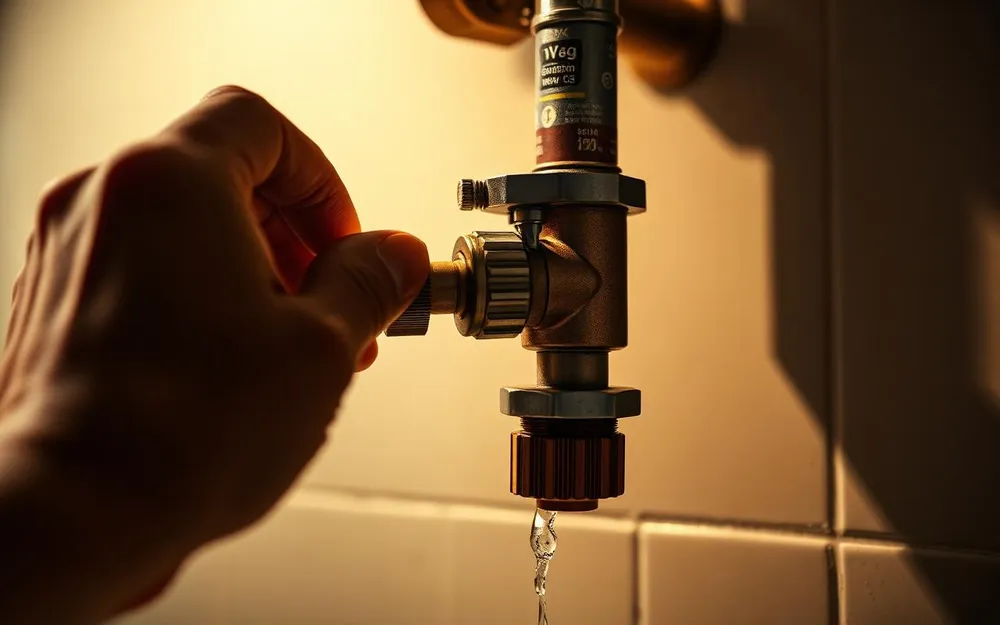
Faucets, toilets, shutoff valves, and flexible supply lines have working parts that eventually wear out. In an older house, a toilet that runs periodically may waste hundreds of gallons before anyone notices. A stiff shutoff valve can become a problem when an emergency happens and the valve will not close fully.
These repairs are often straightforward, but they should not be ignored. Replacing a failing fill valve, cartridge, supply line, or shutoff valve at the right time is far easier than dealing with a burst connection or an overflowing toilet.
Water heater age and failing connections
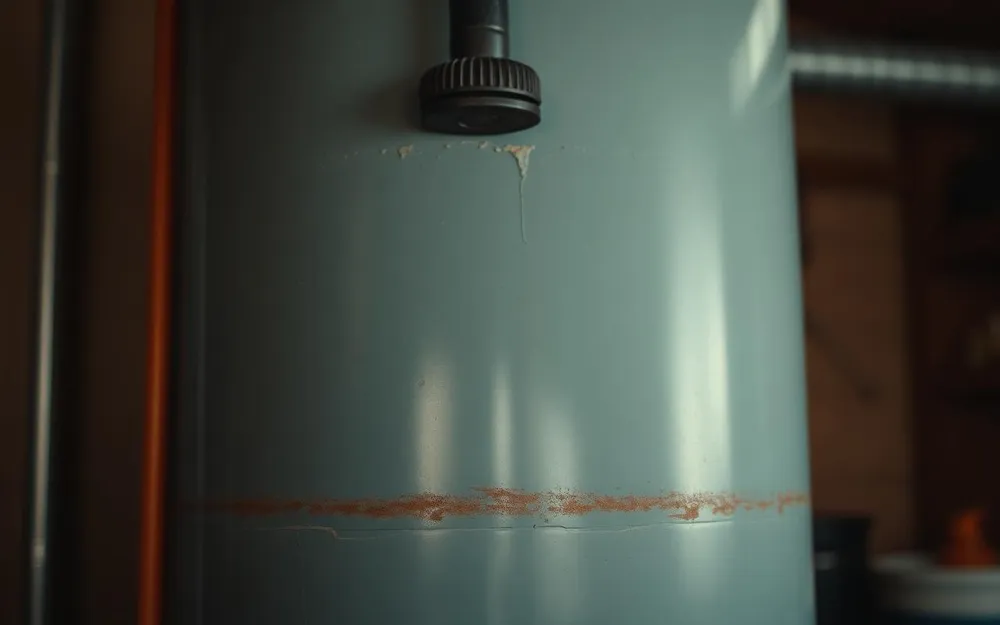
Water heaters are often tucked away in garages, closets, or utility areas where early warning signs are missed. Rust at the base of the tank, moisture around connections, inconsistent hot water, popping noises, or discolored hot water deserve attention.
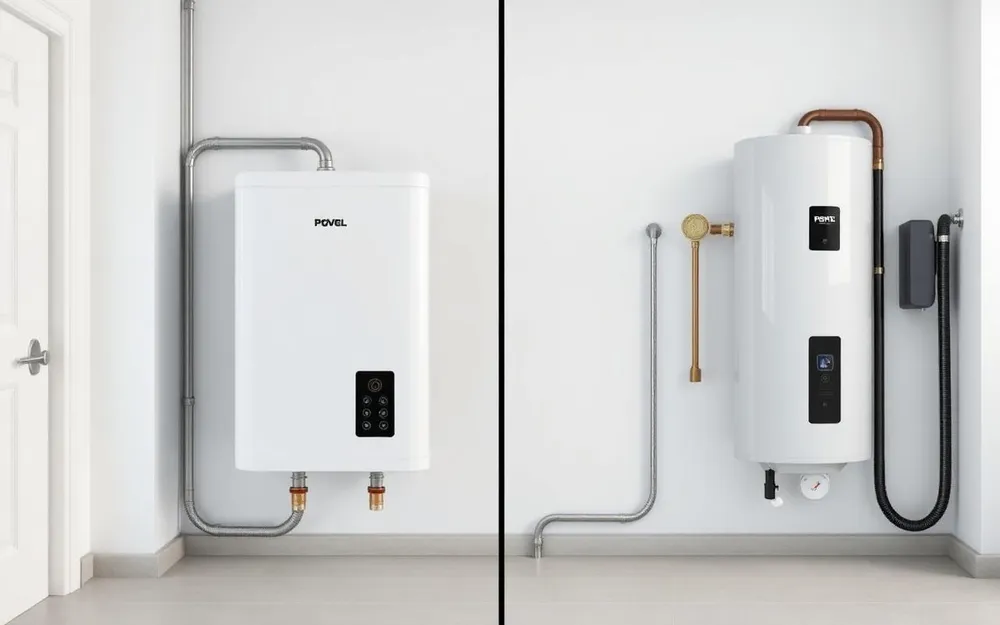
Sediment buildup is common in areas with mineral-heavy water and can reduce efficiency over time. However, flushing a very old heater is not always the right move. If the tank is severely corroded or has not been maintained for years, disturbing the sediment may reveal an existing weakness. A plumber can assess whether maintenance, a targeted repair, or replacement makes the most sense.
Problematic older pipe materials
Some older homes may contain materials that need specialized attention. Polybutylene supply piping, for example, has a history of failures in certain installations. Orangeburg sewer pipe can deteriorate and deform underground. Lead service lines or lead-containing components raise water quality concerns and should be evaluated carefully.
The material alone does not always mean there is an active emergency. Condition, installation quality, and the history of leaks all matter. Still, knowing what is in the home helps owners and property managers plan ahead instead of being caught off guard.
Signs You Should Schedule Plumbing Service Soon
A single slow sink after a messy meal may not be urgent. Recurring symptoms are different. Schedule an inspection when you notice repeated drain clogs, reduced pressure, water discoloration, sewer smells, wet areas near plumbing fixtures, or a toilet that keeps running.
Call sooner if water is backing up from drains, a ceiling is actively leaking, a pipe has burst, or sewage is entering the home. Those situations can create health concerns and significant property damage. Avoid using plumbing fixtures connected to the affected line until the problem has been assessed.
For landlords and property managers, quick action also protects tenants and limits the chance that a small maintenance request becomes an after-hours emergency. Documenting recurring issues can help identify patterns, particularly in properties with older sewer lines or long-standing water pressure complaints.
Repair, Replacement, or Repiping: What Makes Sense?
There is no one-size-fits-all answer. A newer copper system with one leaking connection may need only a focused repair. A home with galvanized pipes, repeated leaks, rusty water, and poor pressure may be better served by replacing aging supply lines before the next failure.
The same principle applies to drains. Clearing roots can be a sensible maintenance step when a sewer line is otherwise sound. If roots return quickly because joints are separated or the line is cracked, repeated cleanings may cost more over time than a lasting repair.
A clear plumbing assessment should explain the immediate problem, the condition of the affected components, and the options available. Good workmanship includes protecting the home during the repair, testing the system afterward, and leaving the customer with a solution they understand.
Preventing Bigger Problems in an Older House
You cannot stop plumbing from aging, but regular attention makes failures easier to manage. Watch for changes in water pressure and drainage, check under sinks for moisture, and test shutoff valves occasionally so they are usable when needed. Replace worn supply lines before they fail, and do not treat recurring clogs as a normal part of living in an older home.
For homes with aging sewer pipes or a history of backups, periodic inspection can provide useful information before a major blockage occurs. It also gives homeowners time to make a considered repair decision rather than rushing through one during an emergency.
Older homes deserve plumbing work that respects what is already there while solving the problem correctly. If something in your home is leaking, backing up, losing pressure, or simply not working as it should, addressing it now can keep a repair manageable and help protect the property you have worked hard to maintain.