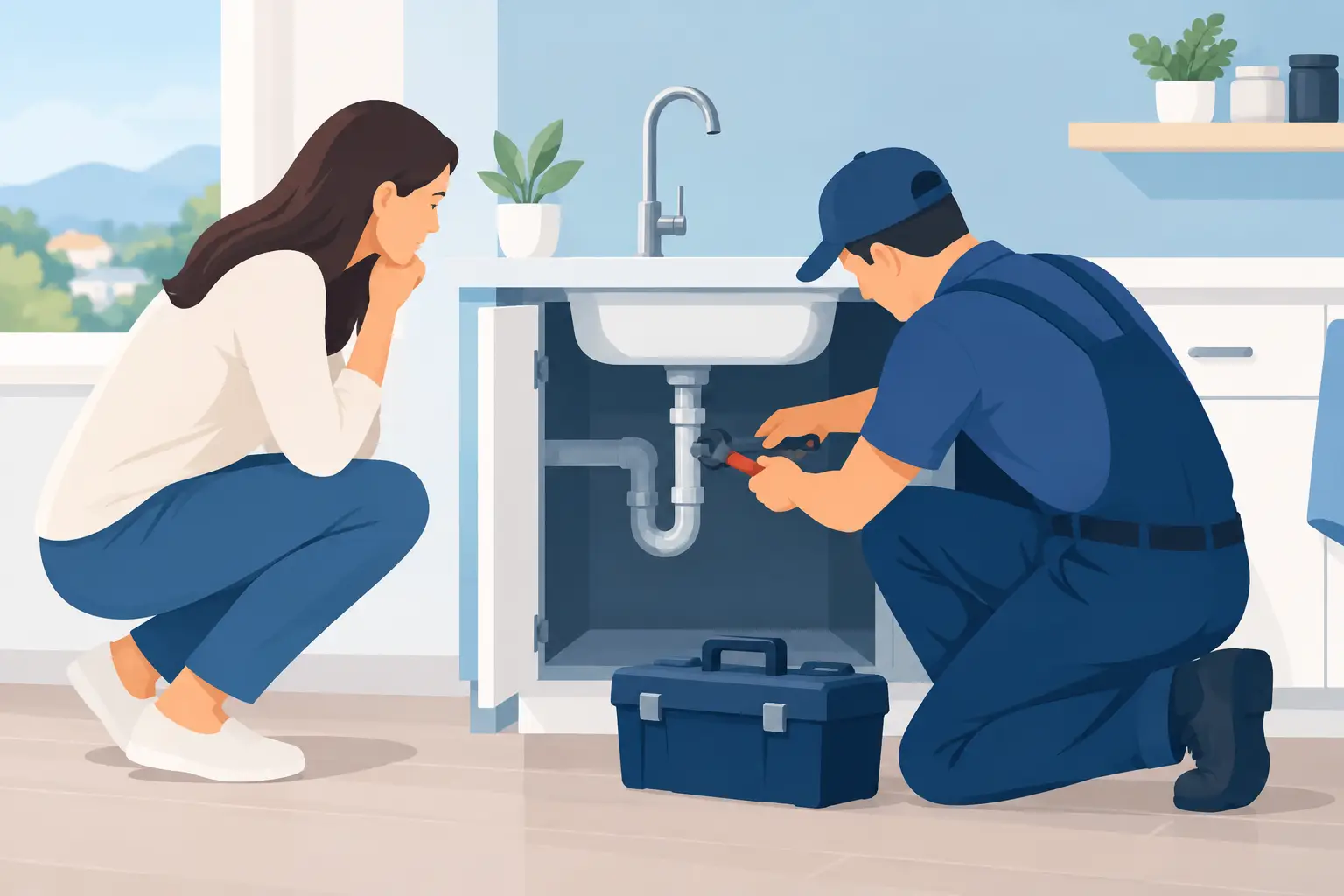
A slow drain can wait until it cannot. A small leak under the sink can quietly damage cabinets and flooring long before it looks urgent. When you need a plumber Sunland residents can rely on, the goal is simple: find the cause, explain the repair clearly, and get your plumbing working properly without unnecessary disruption.
Plumbing problems are stressful because they affect the parts of your home or rental property you use every day. Water, drains, toilets, faucets, and water heaters do not leave much room for delay. Knowing when to call a professional can help you prevent a manageable repair from turning into water damage, a sanitation issue, or a larger bill.
When a Plumber Sunland Homeowners Trust Should Be Called
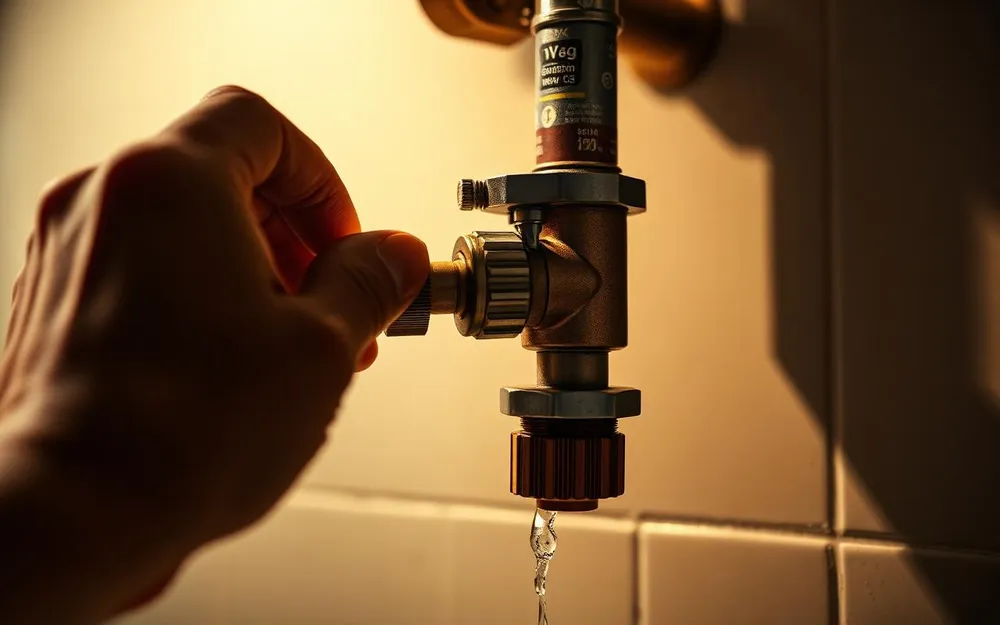
Some issues are clearly urgent. Water pouring from a pipe, a toilet that is overflowing, or sewage backing up into a tub needs prompt professional attention. If you can safely reach the local shutoff valve, turn off the water supply to limit damage while you arrange service. Do not keep testing the fixture or repeatedly flushing a blocked toilet. That usually makes the situation worse.
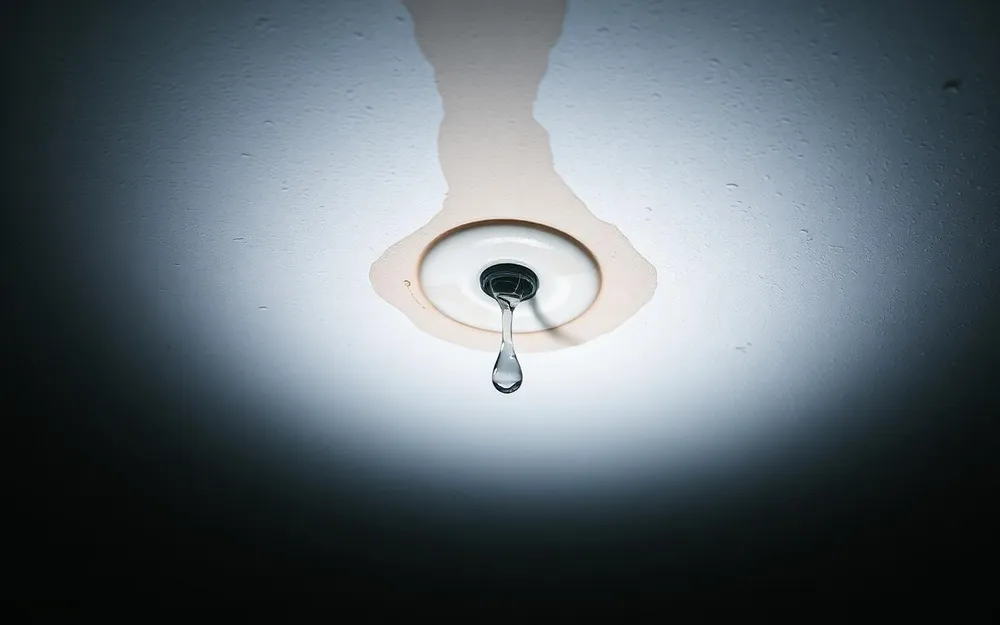
Other problems develop more quietly but still deserve attention. A faucet that drips every day wastes water. A toilet that runs between uses may point to a worn internal part, but it can also raise your water bill significantly over time. Moisture beneath a sink, discoloration on a wall or ceiling, a musty odor, or peeling paint can all signal a hidden leak.
Recurring drain clogs are another reason to call. A single slow sink may be caused by buildup close to the drain opening. But when several fixtures drain slowly, the toilet bubbles when the washing machine empties, or water comes back up through another drain, the problem may be farther down the line. Store-bought chemical drain products can be hard on pipes and rarely solve a serious blockage. Professional diagnosis is the better choice when clogs keep coming back.
For landlords and property managers, speed matters even more. A plumbing concern can affect tenant safety, habitability, and the condition of the property. Addressing a report early protects the building and helps avoid repeated complaints from a problem that was only partly repaired.
Common Repairs That Should Not Be Put Off
Most plumbing service calls begin with everyday problems, not dramatic emergencies. The difference is that everyday problems can cause serious damage when ignored.
Leaks in Fixtures, Pipes, and Supply Lines
A visible leak is never something to simply watch. Water can travel along pipes, behind walls, and beneath flooring before it becomes visible elsewhere. The source may be a loose fitting, failed seal, corroded pipe section, worn shutoff valve, or damaged supply line. A proper repair means identifying where the water is actually coming from, not just drying the area and hoping it stays dry.
Pay close attention to the spaces under kitchen and bathroom sinks, around toilets, behind refrigerators with water lines, and near water heaters. These areas are often out of sight until damage is already underway.
Toilet Problems
Toilets are simple to use but involve several parts that must work together correctly. Constant running, weak flushing, leaks around the base, rocking at the floor, and repeated clogs each have different causes. A toilet that moves when you sit on it should be repaired promptly. Movement can compromise the seal at the floor and allow water to reach the subfloor.
A plumber can determine whether a repair is practical or whether replacing an older, frequently failing fixture makes more sense. The right answer depends on the condition of the toilet, the type of problem, and whether repair costs are starting to add up.
Drain and Sewer Line Trouble
Hair, soap residue, grease, food waste, and foreign objects can all restrict a drain. In older properties, pipe condition and tree root intrusion may also be part of the issue. The key is not to assume every clog needs the same treatment.
A professional service call should focus on the symptoms and location of the blockage. Is one bathroom sink affected, or are multiple drains backing up? Did the trouble appear suddenly, or has it been getting worse for weeks? Accurate troubleshooting avoids temporary fixes and helps protect the drain system from unnecessary damage.
Water Heater Concerns
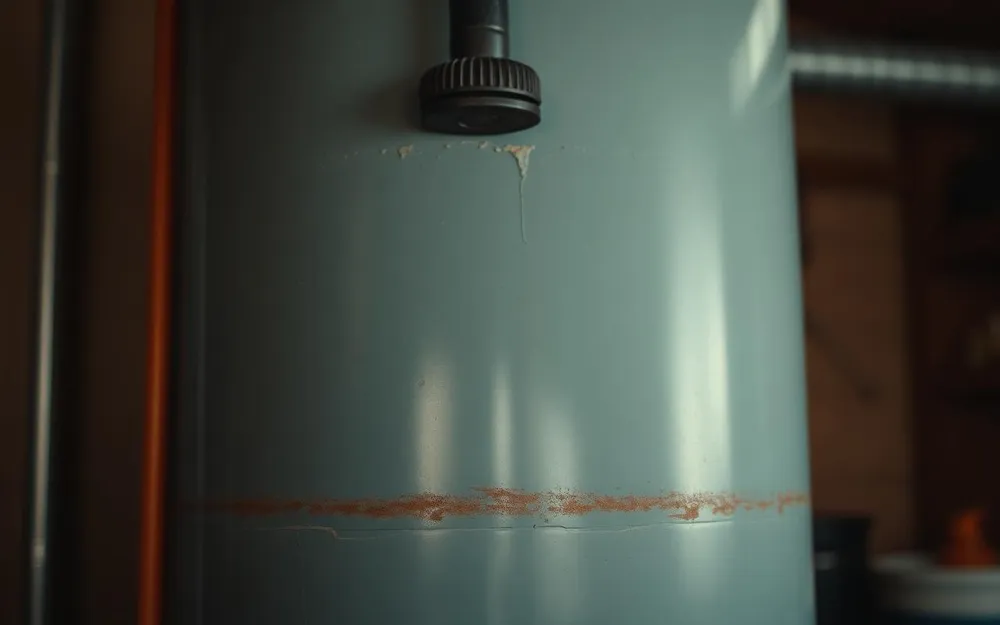
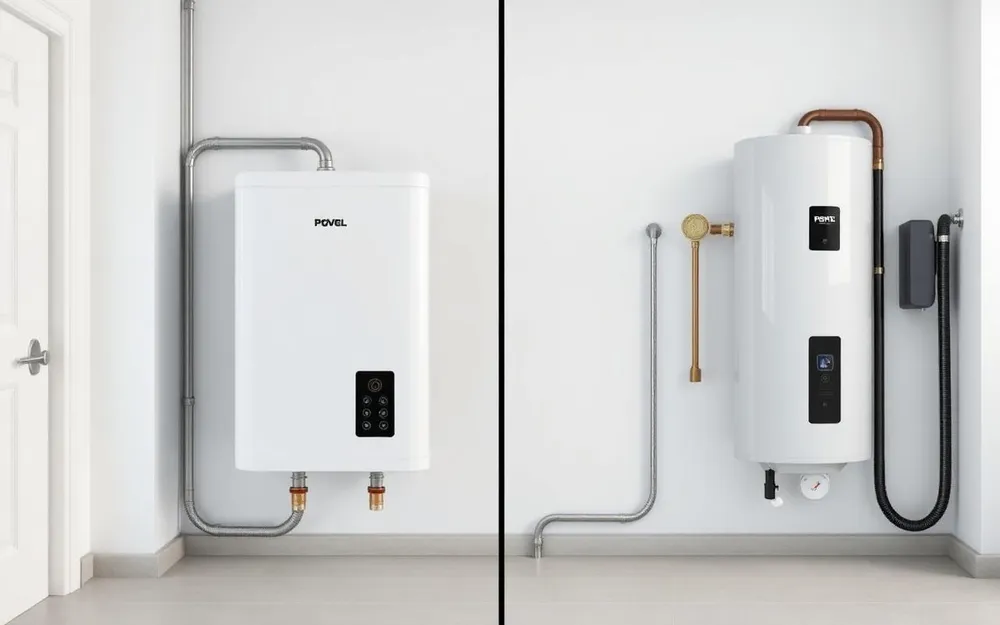
No hot water, inconsistent temperatures, strange sounds, rusty-looking water, or moisture around a water heater should be checked by a qualified professional. Water heaters involve water connections, pressure, energy sources, and safety components. They are not a good place for guesswork.
Sometimes the issue is a repairable component. In other cases, the unit's age, condition, and repair history make replacement the more practical option. A clear explanation of both choices helps you make a decision based on value, not pressure.
What Good Plumbing Service Looks Like
Reliable plumbing service is not only about arriving with tools. It starts with listening to what has happened, inspecting the affected area, and explaining the likely cause in plain language. You should understand what work is being recommended and why before the repair moves forward.
Good workmanship also includes protecting your home or business while the work is being done. Plumbing repairs can involve tight cabinets, wet areas, utility rooms, and access points that need careful handling. Clean work practices, attention to the surrounding area, and testing the repair before leaving are part of doing the job correctly.
It also helps to be realistic about trade-offs. Repairing a fixture or pipe is often the sensible choice when the rest of the system is in good condition. Replacement may be wiser when a component is severely worn, leaks have returned more than once, or an older installation is likely to create additional problems soon. A dependable plumber will not treat every call as a replacement project, but they also will not recommend a short-term patch when a lasting solution is needed.
What to Do Before Help Arrives
If there is active leaking, shut off the nearest water valve if possible. For a major leak you cannot control, turn off the main water supply to the property. Move towels, electronics, stored items, and anything that can be damaged away from the water. Take a quick photo of the affected area if it is safe to do so, especially for a landlord, tenant, or property manager who needs to document the issue.
Avoid taking apart pipes unless you know exactly what you are doing. Under-sink connections and toilet supply lines can release more water when disturbed. Do not use repeated doses of chemical cleaner in a drain, particularly if you expect a plumber to work on it soon. Those chemicals can create a safety hazard and may damage certain pipes or fixtures.
When you call, be ready to describe when the problem began, which fixtures are affected, whether water is actively leaking, and whether you have already tried anything. Those details help the plumber prepare for the job and get to the solution faster.
Preventing the Next Plumbing Problem
Not every plumbing problem can be prevented, especially in older homes, but a few habits make a real difference. Keep grease and food scraps out of kitchen drains. Use drain screens where hair is a concern. Do not treat the toilet as a trash can, even for items marketed as flushable. Check exposed supply lines and shutoff valves from time to time for signs of moisture or corrosion.
For properties with aging fixtures, recurring clogs, or past leaks, maintenance and early repairs are usually less disruptive than waiting for an emergency. Small warnings are useful when they are addressed quickly.
Best Quality Plumbing Services is built around that practical approach: dependable diagnosis, quality workmanship, and repairs that restore confidence in the plumbing you depend on. If something in your Sunland property is leaking, backing up, or no longer working as it should, acting early is one of the best ways to protect your home, your time, and your peace of mind.