A dripping ceiling, a toilet that will not stop running, or a kitchen sink backing up during dinner can turn an ordinary day into a stressful one fast. Choosing a plumber North Hills homeowners can count on is less about finding the lowest estimate and more about getting a clear diagnosis, clean workmanship, and a repair that solves the real problem.
Some plumbing issues can wait for a scheduled visit. Others can waste water, damage walls and flooring, or make a home unusable if they are ignored. Knowing the difference helps you act quickly without paying for work you do not need.
When a Plumbing Problem Needs Immediate Attention
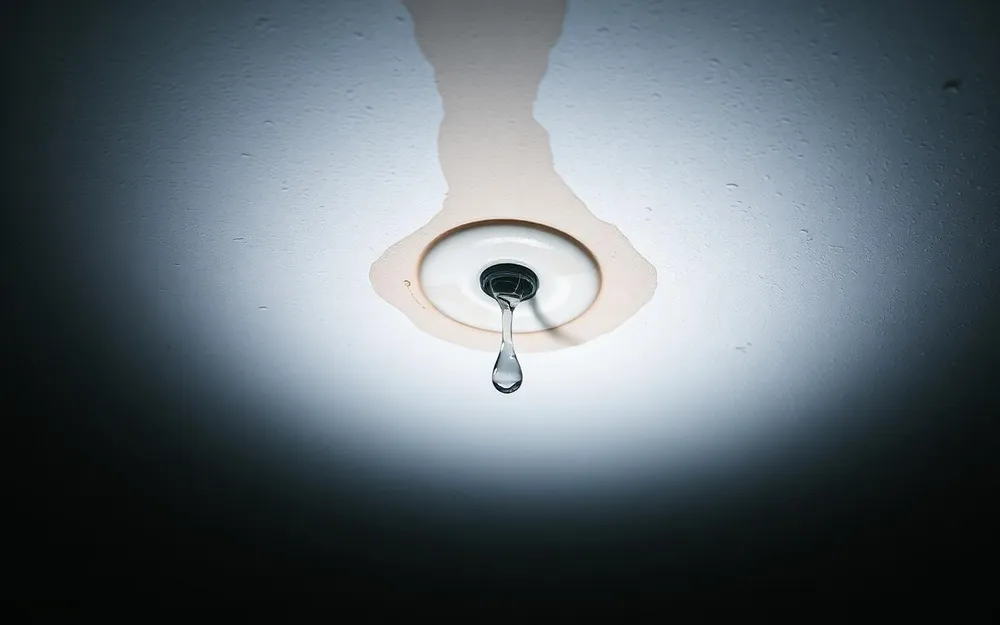
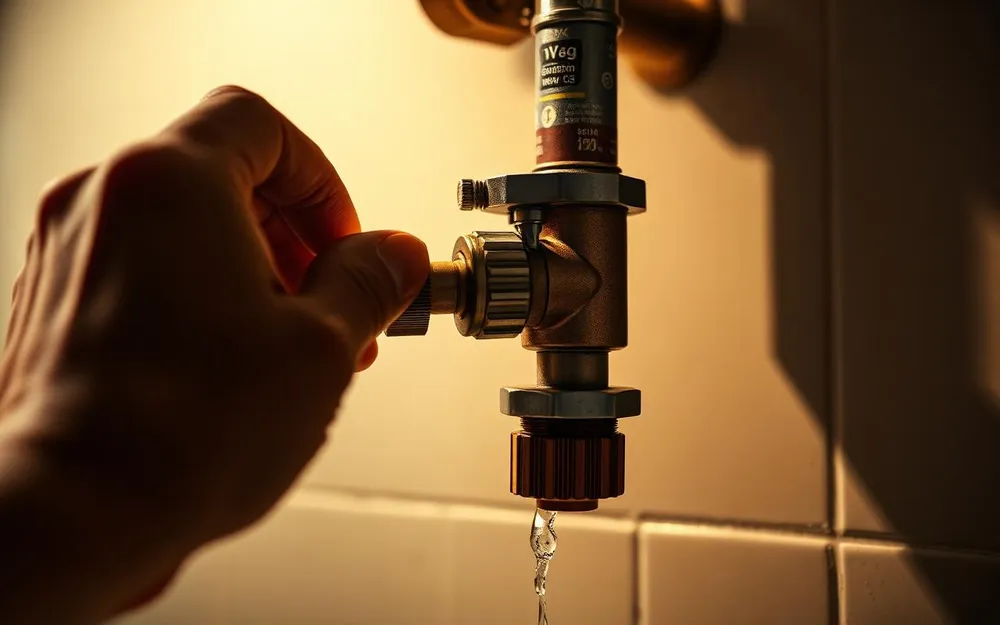
Water does not need much time to cause expensive damage. If water is actively spreading across a floor, coming through a ceiling, or leaking near electrical outlets, shut off the nearest water valve if you can safely reach it. If you cannot isolate the fixture, use the home’s main water shutoff and call for service.
A sewer backup also deserves prompt attention. Water or waste coming up through a tub, shower, or floor drain is not a simple clog to put off. It may point to a blocked main sewer line, and continued use of sinks, toilets, or washing machines can make the backup worse.
Call a professional promptly when you notice any of these situations:
- A burst or visibly damaged pipe
- A sewage smell or wastewater backing up into drains
- No hot water when the water heater should be operating
- A toilet overflow that will not stop after the supply valve is closed
- A major leak under a sink, behind a wall, or from the water heater
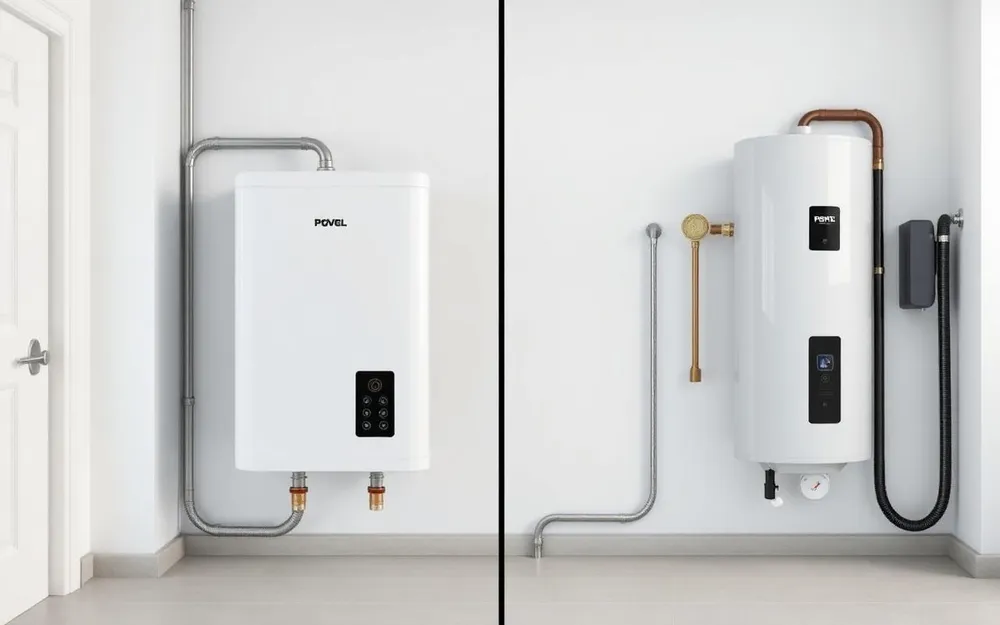
If a water heater is leaking heavily, making loud popping sounds, or releasing discolored water, avoid trying to take it apart. Turn off its water supply when possible and arrange an inspection. Gas water heater concerns should be treated with additional caution. If you smell gas, leave the area and contact the gas utility or emergency services before scheduling plumbing work.
Common Repairs a North Hills Plumber Can Diagnose
Not every plumbing issue is dramatic at first. A slow drain, a small water spot under a cabinet, or a weak shower can seem manageable for weeks. Those problems often become more disruptive when the underlying cause is left in place.
Drains That Keep Clogging
A plunger may clear a simple toilet or sink blockage, but repeated clogs are different. They can result from buildup in a branch line, a damaged pipe, poor drain slope, or a developing blockage farther down the system. Chemical drain cleaners are rarely a good long-term answer. They can be hard on older pipes and may not reach the source of the obstruction.
A professional drain assessment determines whether the problem is limited to one fixture or involves a larger section of the plumbing system. That matters because the right repair for a hair-clogged bathroom sink is very different from the right repair for several drains slowing down at once.
Leaks You Can See and Leaks You Cannot
Visible leaks around faucets, supply lines, toilets, and garbage disposals should be addressed before they damage cabinetry or flooring. A small drip can also add up on a water bill over time.
Hidden leaks are more difficult. Watch for unexplained increases in water use, peeling paint, damp drywall, mildew smells, warm spots on a floor, or a water meter that continues moving when all fixtures are off. These signs do not always mean a pipe has failed, but they are worth investigating quickly. Finding the source early can limit repairs to a smaller area.
Toilets and Fixtures That Do Not Work Right
A toilet that rocks, flushes weakly, runs constantly, or leaks around its base should not be treated as a minor inconvenience. The repair might be as simple as replacing an internal component, but it could also involve the seal, flange, supply connection, or drain line. The same is true for faucets with low pressure, shower valves that will not hold a temperature, and fixtures that drip after being turned off.
Good plumbing service starts with identifying the cause before replacing parts. A new fixture will not fix a pressure problem in the supply line, and a new toilet will not solve a drain obstruction.
What to Do Before the Plumber Arrives
A little preparation can make service faster and help protect your home. Clear items away from the affected sink, toilet, water heater, or access panel so the work area is reachable. If there is an active leak, place a bucket or towels under it and avoid using that fixture.
It also helps to make note of when the problem began and what happened just before it started. For example, did the drain slow down after several loads of laundry? Did the ceiling stain appear after someone showered upstairs? Is only one faucet affected, or is the whole house experiencing low pressure? These details give the technician a useful starting point.
Do not force shutoff valves that have not been used in years. Older valves can fail when turned aggressively. If a valve moves easily, use it to stop water to the fixture. If it is stuck or corroded, wait for a professional rather than creating a larger leak.
How to Choose a Plumber in North Hills
Plumbing service is not just about the repair itself. It is also about whether you understand what is being repaired and why. A dependable local plumber should inspect the issue, explain the practical options, and give you a straightforward scope of work before beginning a larger repair.
Ask whether the recommended solution addresses the immediate symptom or the source of the problem. Both may be appropriate depending on your budget and the condition of the system, but you should know the difference. Clearing a drain may restore use today, while repairing a damaged pipe section may be the better long-term choice.
For landlords and property managers, communication is especially important. Occupants need a workable schedule, property owners need accurate information, and repairs should be documented clearly enough to support future maintenance decisions. A service-first plumbing company respects the home, keeps the work area orderly, and does not leave customers guessing about the next step.
Best Quality Plumbing Services provides residential and small commercial plumbing support for North Hills customers who need practical answers, reliable repairs, and professional service without unnecessary confusion.
Prevent Problems Before They Become Emergencies
Most plumbing systems give warning signs before they fail completely. Pay attention to drains that become gradually slower, toilets that begin running more often, pipes that knock or rattle, and fixtures with changing water pressure. These are good reasons to schedule service before a busy workday or weekend turns into an emergency call.
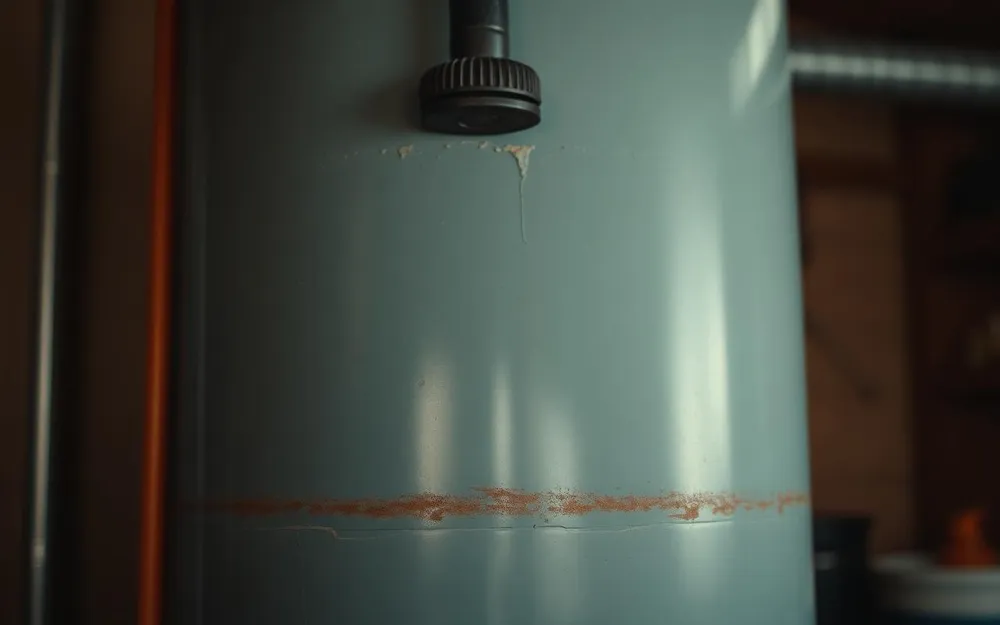
Avoid putting grease, coffee grounds, food scraps, wipes, or hygiene products down drains. Even products labeled flushable can contribute to blockages. Use sink strainers where they make sense, and clean them regularly. If your home has an older water heater, watch for corrosion around fittings, moisture at the base, and inconsistent hot water. Routine attention can help you plan a replacement instead of dealing with a failure at the worst possible time.
The right response to a plumbing problem is not always the most dramatic one. Stop the water when necessary, avoid quick fixes that can cause more damage, and get a qualified professional involved when the cause is unclear. A prompt, well-explained repair can protect your home and get daily life back to normal with far less disruption.