A slow drain can wait until it suddenly cannot. A small leak under a sink can quietly damage a cabinet, flooring, or wall before you notice the full extent of the problem. Finding a plumber La Canada Flintridge homeowners can depend on means getting a clear diagnosis, practical options, and repair work that addresses the cause instead of covering up the symptom.
For homeowners, renters arranging service, and property managers, the goal is simple: restore safe, reliable plumbing without unnecessary disruption. Whether the issue is a clogged drain, a leaking fixture, weak water pressure, or a water heater that has stopped doing its job, acting early usually gives you more control over the repair.
When to Call a Plumber in La Canada Flintridge
Some plumbing problems are obvious emergencies. Water pouring from a broken supply line, a toilet that overflows and will not stop, or sewage backing up through a drain deserves immediate attention. Turn off the nearest water shutoff valve if you can do so safely. If the leak is larger or the source is unclear, shut off the main water supply and call for professional help.
Other problems start quietly but should not be ignored. A persistent drip, a toilet that keeps running, damp spots around a fixture, or an odor coming from a drain can point to a failing part, a hidden leak, or a developing drain issue. These are often less expensive and less disruptive to repair before water damage or a complete blockage occurs.
A professional plumber can also help when the problem keeps returning. Repeated clogs, for example, are not always caused by what went down the drain that day. The underlying issue may involve buildup, a damaged pipe, improper drainage, or a larger obstruction farther down the line.
Common Repairs That Need a Clear Diagnosis
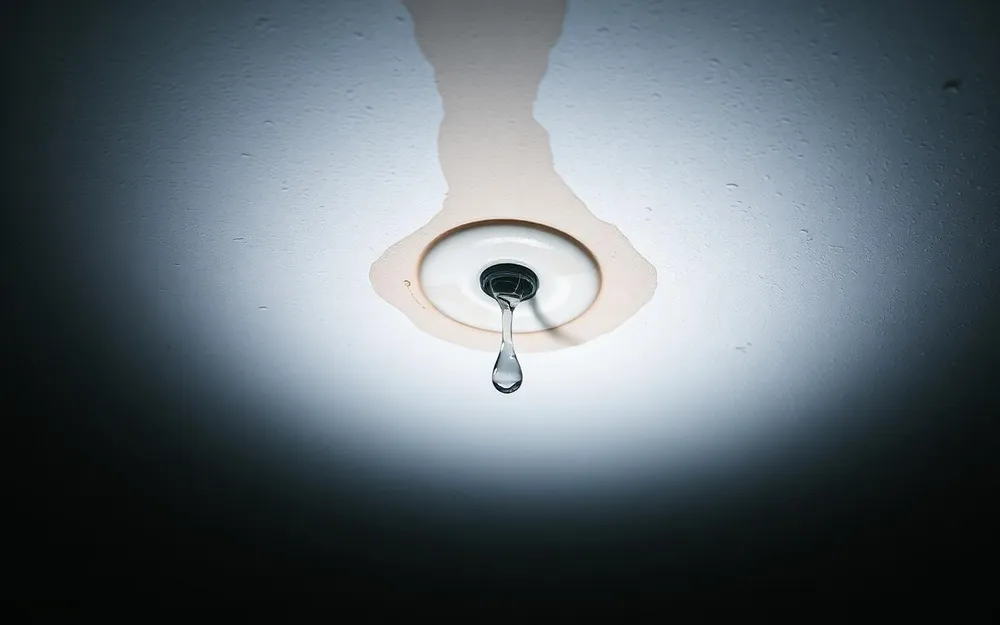
Plumbing systems are connected, so the visible symptom is not always the actual source. A wet ceiling may be caused by a pipe leak, but it can also come from a bathroom fixture above, a failing seal, or a drain connection that leaks only while water is running. Good repair work starts by identifying where the water is coming from and when it appears.
Kitchen and bathroom leaks are among the most common calls. Supply lines, shutoff valves, faucet connections, drain traps, and worn seals can all fail over time. Even a small leak can create conditions for damaged wood, staining, and mold growth if it continues unnoticed.
Drain problems need the same level of care. A plunger may clear a minor clog near the surface, but forcing a severe blockage can make a mess or damage an older fixture. If several drains are slow, water backs up into another fixture, or a clog returns shortly after clearing, the issue needs more than a quick fix.
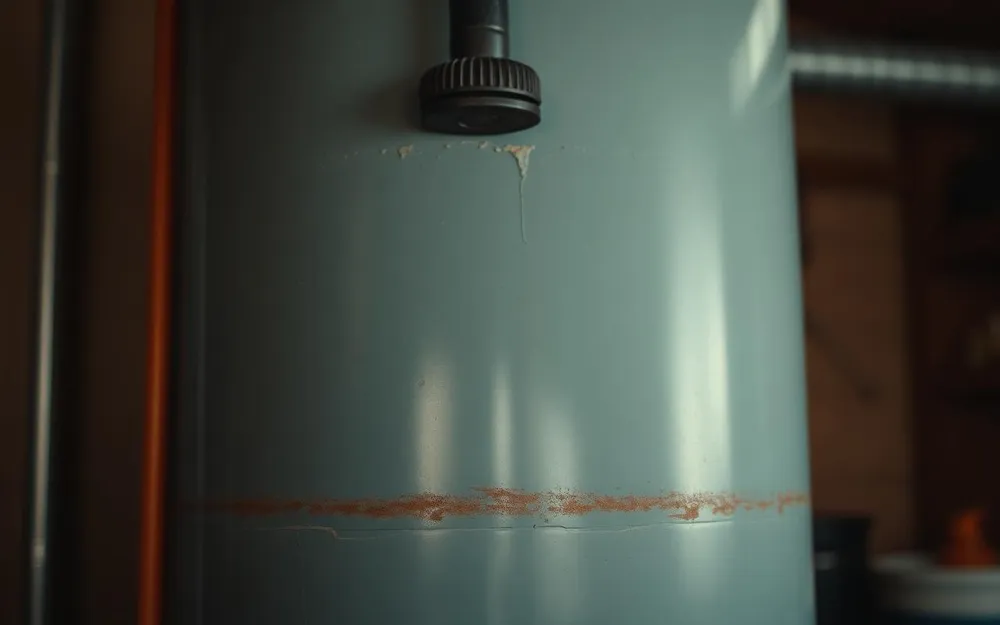
Water heater concerns also deserve prompt service. Inconsistent hot water, unusual noises, rusty-looking water, leaks around the unit, or no hot water at all are clear reasons to schedule an inspection. The right solution depends on the condition and age of the equipment, the nature of the failure, and whether repair is likely to provide dependable service going forward.
What You Can Do Before Help Arrives
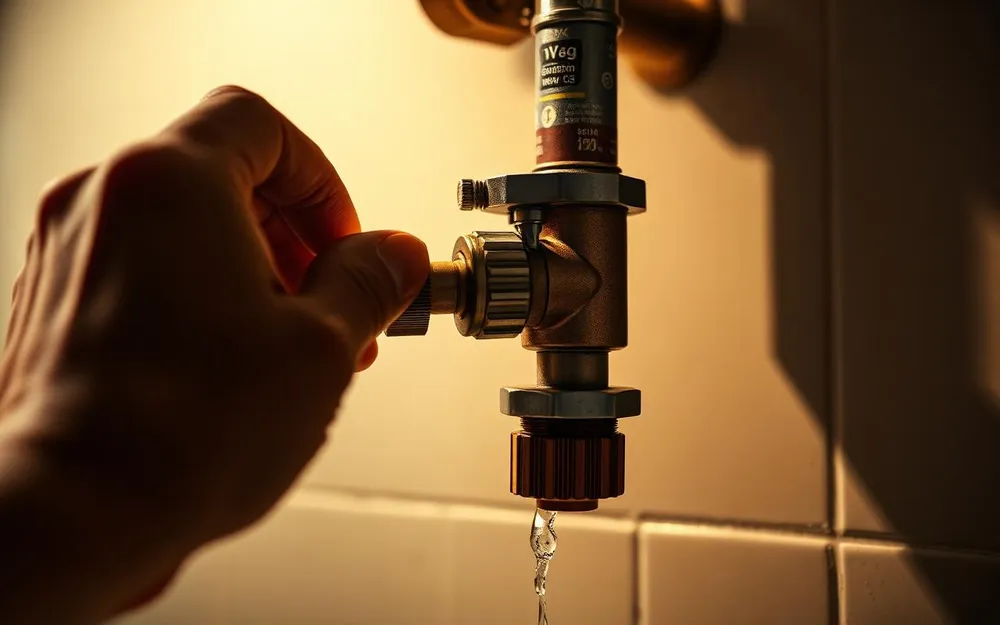
The first priority is limiting damage, not taking apart the plumbing. If a single fixture is leaking, use its local shutoff valve when possible. Most toilets have a valve near the wall or floor behind the bowl, while sinks usually have separate hot and cold valves underneath. For a major leak, use the main shutoff valve for the property.
Move towels, rugs, storage items, and electronics away from the affected area. Place a bucket under a controlled drip if it is safe to do so, and take a few photos of the damage or visible leak. Those details can help explain what happened, especially for landlords and property managers coordinating a repair.
Avoid pouring chemical drain cleaners into a clogged drain. These products may not clear the blockage and can create a safety concern for anyone working on the line afterward. Do not keep flushing an overflowing toilet or run water into a drain that is already backing up. Stopping the flow is usually the best immediate step.
Repair or Replacement: The Answer Depends on the Problem
Not every worn fixture or aging plumbing component needs replacement. A faucet that drips may need a simple internal repair. A toilet that runs constantly may have a replaceable fill valve or flapper. In these situations, a targeted repair can restore normal function without replacing the entire fixture.
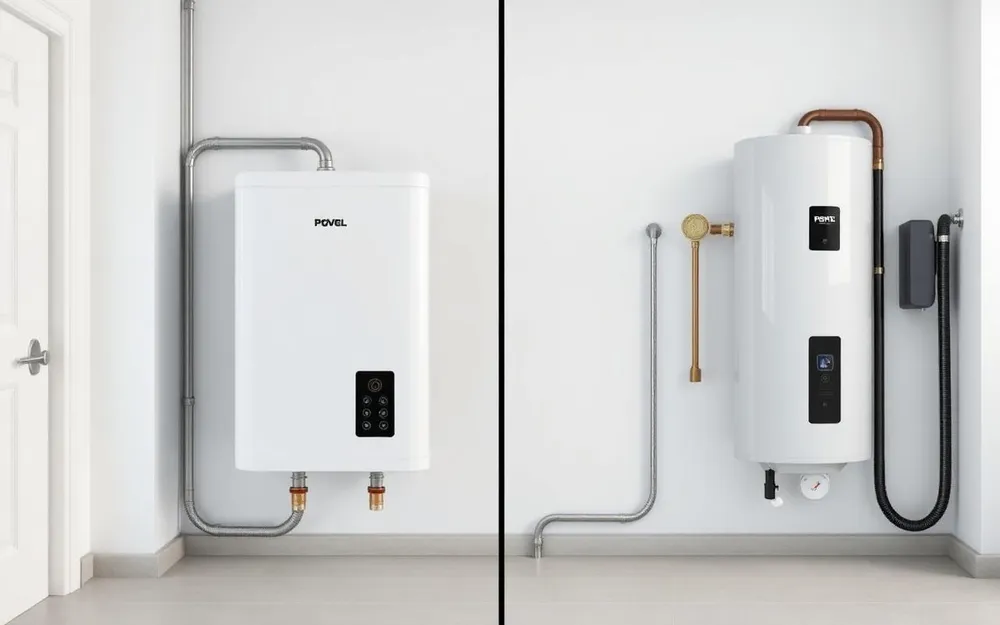
Replacement makes more sense when a fixture is badly corroded, repeatedly failing, damaged beyond a dependable repair, or no longer meeting the property's needs. The same applies to water heaters and some pipe sections. A lower-cost repair is not always the better value if it only postpones another failure in the near future.
The key is getting an honest explanation of the condition, the available options, and what each option is expected to accomplish. Homeowners should not feel pressured into a larger project when a repair will do the job. At the same time, they should understand when continuing to patch an aging system may cost more over time.
Why Clean Workmanship Matters
A plumbing repair is not finished simply because the water is flowing again. The work should be tested, the area should be checked for leaks, and the job site should be left clean. That attention matters in occupied homes, rental properties, and small commercial spaces where plumbing issues interrupt daily routines.
Clear communication matters too. You deserve to know what was found, what was repaired, and what signs to watch for afterward. This is especially helpful when a property manager is coordinating service for a tenant or when a homeowner needs to decide whether to address a related issue before it becomes urgent.
Best Quality Plumbing Services approaches plumbing with that practical standard: diagnose the issue carefully, explain the path forward plainly, and complete the work with respect for the property. Dependable service is not complicated. It means showing up prepared, taking the problem seriously, and doing the repair correctly.
Preventing the Next Plumbing Surprise
No plumbing system is completely maintenance-free, but a few habits reduce the chance of sudden problems. Pay attention to changes in water pressure, unusual sounds from pipes, drains that empty more slowly than usual, and unexplained increases in a water bill. These can be early warnings that something is not working as it should.
Keep grease, coffee grounds, wipes, and heavy food debris out of kitchen drains. In bathrooms, use drain screens to catch hair and clean them regularly. Check exposed supply lines under sinks and behind toilets from time to time, particularly in homes with older fixtures or cabinets that tend to hide small leaks.
For rental owners and property managers, responding to minor maintenance reports quickly can protect the property and prevent a resident's inconvenience from becoming a larger repair. A tenant reporting a slow drain or a damp cabinet is providing useful information, not just a small nuisance.
When plumbing does not look, sound, or function normally, trust that signal. A timely call to a qualified local plumber can protect your home, your schedule, and your peace of mind before a manageable issue turns into a disruptive one.