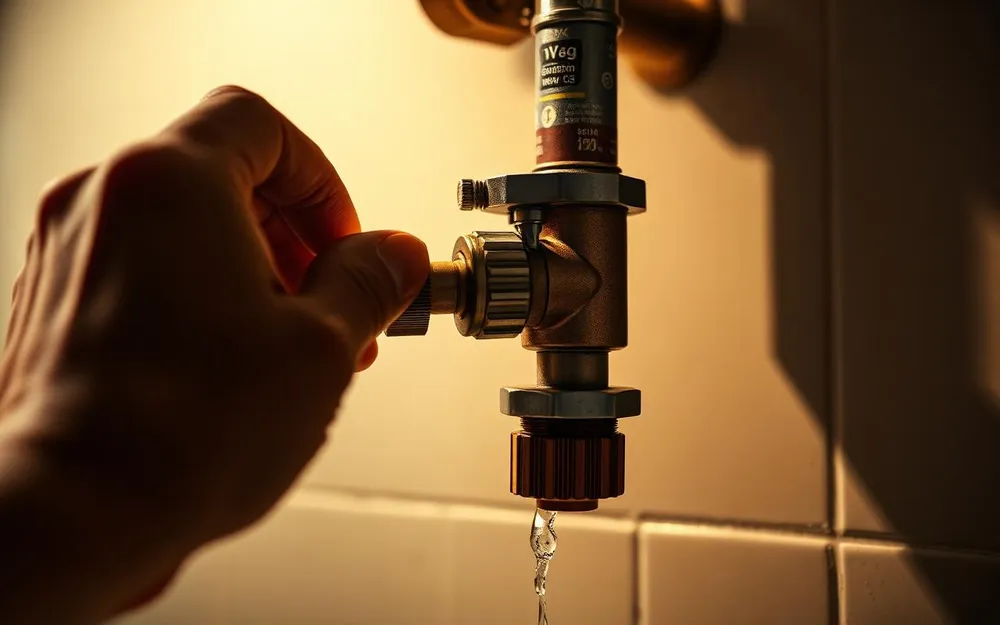

A dripping pipe under the sink can look minor until it stains a cabinet, warps flooring, or creates the conditions for mold. A backed-up toilet, cold shower, or slow drain can disrupt an entire household just as quickly. When you need a plumber Glendale residents can count on, the goal is simple: get a clear diagnosis, a practical repair plan, and workmanship that holds up after the technician leaves.
Not every plumbing issue requires an emergency visit. But waiting too long on the wrong problem can turn a manageable repair into water damage, higher utility bills, or an avoidable replacement. Knowing what to watch for helps homeowners, renters, landlords, and property managers make the right call.
When to Call a Plumber in Glendale
Some plumbing problems are obvious emergencies. Water is actively leaking, a drain is overflowing, or a toilet will not stop running after the shutoff valve has been checked. In these situations, quick action protects the property and limits disruption.
Other problems build slowly. A faucet that drips overnight, a shower drain that takes longer to clear each week, or a water heater that no longer provides consistent hot water may not stop daily life immediately. Still, these are signs that should be inspected before they worsen.
Call for professional plumbing service promptly when you notice any of the following:
- Water pooling around a toilet, water heater, sink, or appliance connection
- A drain that repeatedly clogs after basic, careful clearing attempts
- Sewage odors, gurgling drains, or wastewater backing up into a tub or shower
- Low water pressure affecting more than one fixture
- Discolored water, unexplained increases in water bills, or a suspected hidden leak
If there is active water flow, first shut off the nearest fixture valve if it is accessible. If that does not stop the water, use the main water shutoff for the property. Then arrange service. This one step can make a major difference while help is on the way.
The Difference Between a Quick Fix and a Proper Repair
A plumbing repair should address the cause, not just the visible symptom. For example, a clogged kitchen sink may be caused by grease buildup close to the drain, but recurring backups could point to a deeper blockage in the line. Clearing the surface clog may provide temporary relief without solving the larger issue.
The same applies to leaks. Tightening a fitting may stop a drip at first, but a worn supply line, corroded valve, failing seal, or damaged pipe needs the right repair or replacement. Good plumbing work starts with identifying where the issue began and how far it may have spread.
This does not always mean the largest or most expensive repair is needed. Sometimes a worn washer, failed flapper, loose connection, or blocked trap is the full answer. A dependable plumber explains what was found, what repair is recommended, and whether there are reasonable options based on the condition of the system.
For rental homes and managed properties, this clear communication matters even more. Property managers need enough information to authorize work, update tenants, and prevent the same issue from generating another service call a few weeks later.
Common Plumbing Problems That Should Not Be Ignored
Slow or Frequently Clogged Drains
A slow drain often starts as a nuisance, but it can signal buildup that is becoming harder to remove. Bathrooms commonly collect hair, soap residue, and mineral deposits. Kitchen drains can develop grease and food buildup. Store-bought chemical drain cleaners may seem convenient, but repeated use can be hard on pipes and may not remove a serious blockage.
A professional inspection is the better next step when the same drain repeatedly clogs, multiple drains are slow, or you hear gurgling after water goes down. Those symptoms can indicate a problem farther along in the drain system.
Leaks Behind Walls or Under Floors
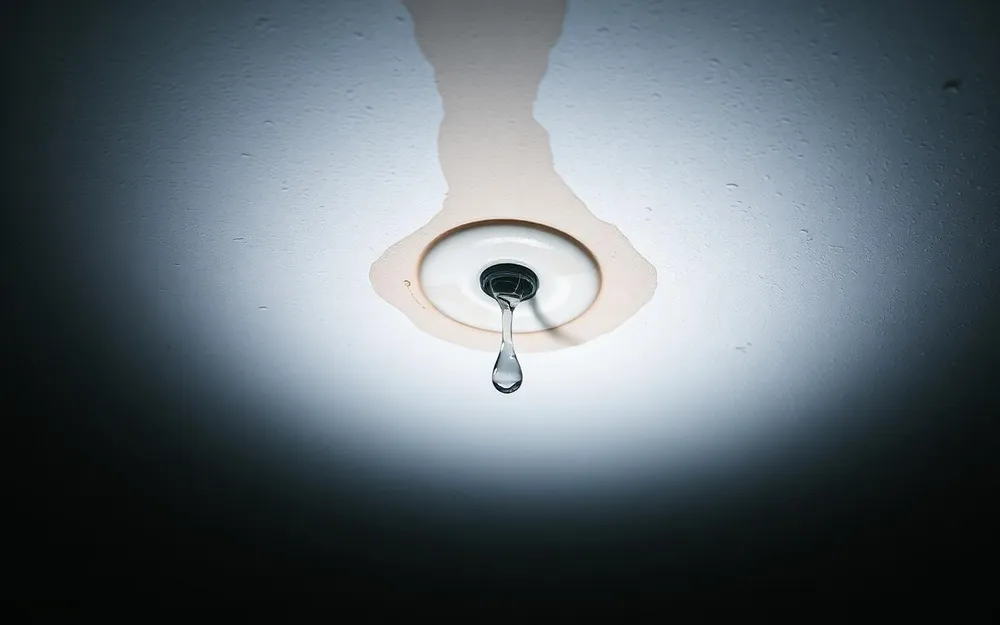
Not all leaks produce a puddle. A hidden leak may show up as a musty smell, peeling paint, a soft spot in flooring, a stain on the ceiling, or a water bill that rises without an obvious reason. These situations deserve attention because water can continue damaging drywall, framing, cabinets, and insulation out of sight.
The trade-off is straightforward: opening an area for access can feel inconvenient, but delaying a confirmed hidden leak usually increases the repair scope. Early leak detection and targeted repair help keep the disruption contained.
Water Heater Trouble
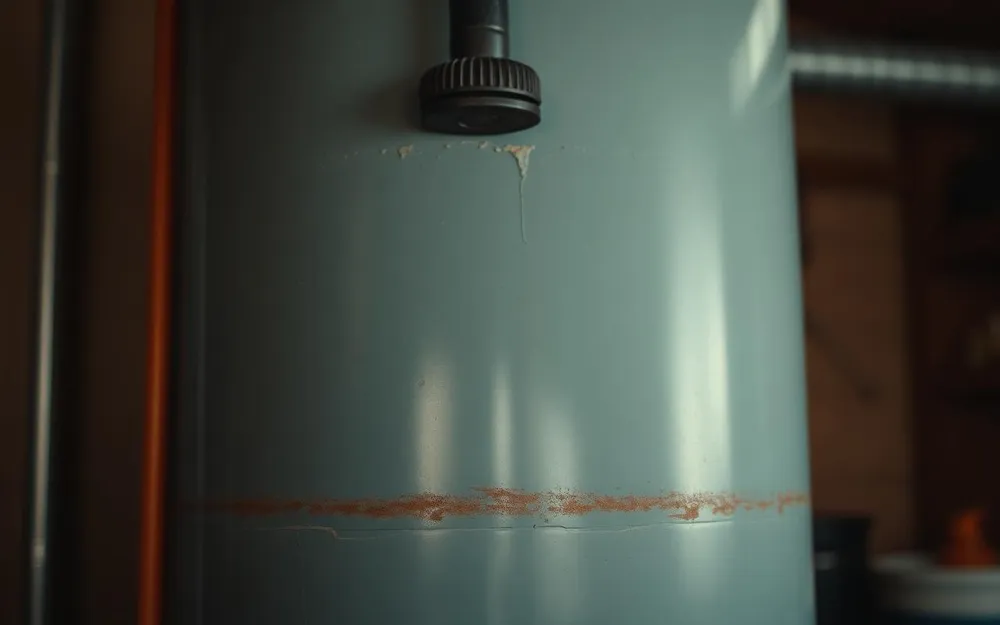
Lukewarm water, banging or popping noises, rusty-looking water, or moisture around the base of a water heater should not be brushed aside. Some problems can be repaired, particularly if a component has failed or sediment needs attention. Other times, the age and condition of the unit make replacement the better long-term choice.
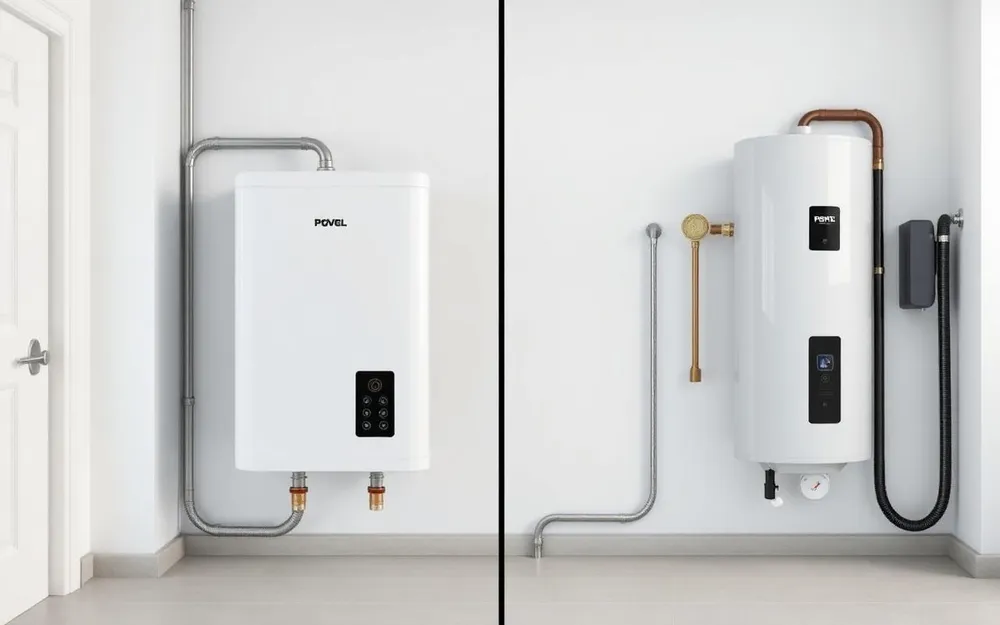
The right decision depends on the unit's age, maintenance history, energy performance, and the type of failure. A clear service assessment helps you avoid replacing a system that can be repaired while also avoiding repeated repair costs on equipment near the end of its service life.
Running Toilets and Fixture Failures
A toilet that keeps running can waste a surprising amount of water. A loose faucet handle, weak flush, dripping shower valve, or low-performing fixture can also affect comfort and utility costs. These repairs are often smaller than a pipe replacement, but they still benefit from correct parts and careful installation.
A fixture should work reliably, not require constant adjustment or improvised fixes. Addressing the issue early is usually less disruptive than waiting for a failed valve or supply connection to create a leak.
What to Expect From a Dependable Plumbing Visit
A professional service call should reduce stress, not add uncertainty. The process starts with listening to what you have noticed: when the problem began, which fixtures are affected, whether it happens consistently, and whether there has been recent construction, heavy rain, or a change in water use.
From there, the plumber should inspect the affected area, test the system as needed, and explain the likely cause in plain language. You should understand what needs to be done before work begins. For larger repairs or replacements, it is reasonable to ask about the expected scope, access needs, materials, and whether water service will need to be temporarily shut off.
Clean workmanship matters, too. Plumbing repairs can require work in kitchens, bathrooms, utility closets, crawl spaces, and commercial tenant areas. Respect for the property, attention to cleanup, and testing after the repair are part of doing the job correctly.
How to Prevent the Next Plumbing Surprise
No property can avoid every plumbing repair, especially as fixtures and pipes age. Basic maintenance can reduce preventable problems. Avoid putting grease, coffee grounds, fibrous foods, or large amounts of food waste down kitchen drains. Use drain screens in showers and tubs. Check under sinks periodically for moisture and inspect exposed supply lines for corrosion or bulging.
Know where your main water shutoff is located before an emergency happens. Homeowners should test accessible fixture shutoff valves occasionally, since a valve that has not been used for years may not work when it is needed most. Landlords and managers should make sure tenants know who to contact if water is leaking or sewage is backing up.
For older homes, recurring drain issues, pressure changes, or visible pipe corrosion are good reasons to schedule an inspection rather than waiting for a failure. Preventive service is not necessary for every property on the same schedule. It depends on the age of the plumbing, prior repairs, water conditions, and how the property is used.
Best Quality Plumbing Services approaches each job with the same practical standard: identify the problem, explain the repair clearly, and complete the work with care. Whether the issue is urgent or has been building quietly for months, getting it checked now can protect your home, your tenants, and your peace of mind.
A plumbing problem rarely becomes more convenient by waiting. If something is leaking, backing up, making new noises, or no longer working as it should, a timely inspection gives you the best chance to keep a small repair from becoming a bigger interruption.