A dripping pipe under the sink can seem minor until it damages a cabinet, warps flooring, or creates the right conditions for mold. A toilet that keeps running can quietly waste a surprising amount of water. When you need a plumber Encino residents can rely on, the goal is not just to stop the immediate symptom. It is to identify the source, explain the repair clearly, and restore your plumbing without creating another problem down the line.
Encino homes range from established properties with aging plumbing components to newer homes with modern fixtures and water-saving systems. The right repair depends on what is actually happening behind the wall, beneath the floor, or inside the fixture. A dependable plumber takes the time to diagnose the issue before recommending a fix.
When to Call a Plumber in Encino
Some plumbing problems are obvious emergencies. Water is spreading across the floor, a drain is backing up, or there is no hot water when your household needs it. Others build slowly and are easier to put off. That delay can make a manageable repair much more expensive.
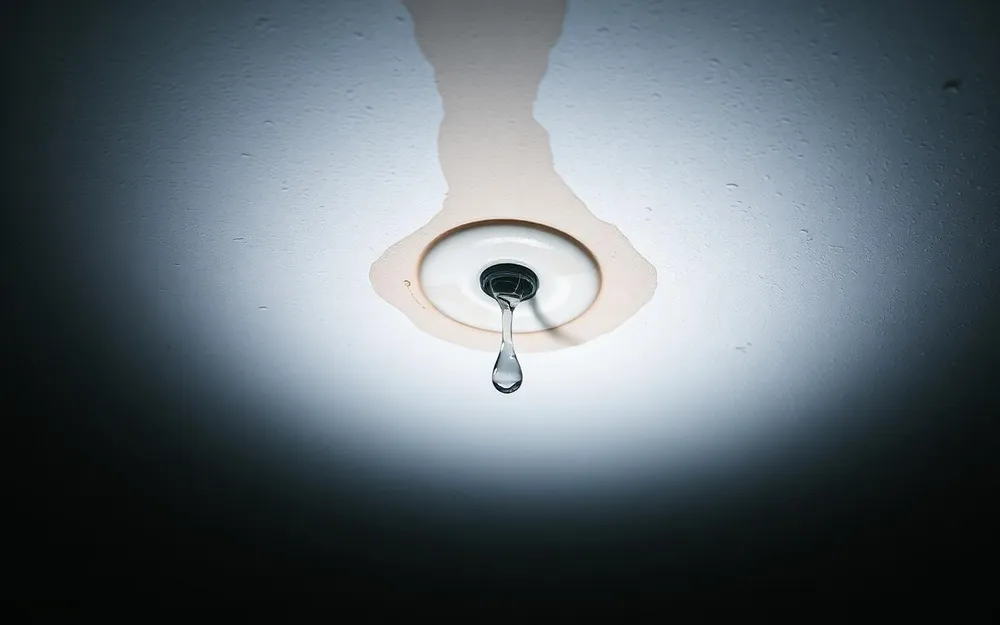
Call for professional help when you see persistent leaks, recurring drain clogs, sewage odors, unexplained increases in your water bill, low water pressure, discolored water, or water stains on walls and ceilings. These signs do not always point to a major failure, but they do deserve a proper inspection. Guessing at the cause or repeatedly using temporary fixes can hide the real issue.
A plumbing professional can also help when a fixture has reached the end of its useful life. A worn faucet cartridge, failing toilet fill valve, damaged shutoff valve, or corroded supply line may be inexpensive to address early. Once it fails completely, it can interrupt your day and potentially cause water damage.
Small Leaks Can Cause Big Damage
Not every leak creates a puddle. Slow leaks often stay hidden under sinks, behind appliances, in walls, or around toilet bases. By the time discoloration appears on drywall or flooring feels soft, water may have been present for weeks or longer.
Pay attention to musty smells, bubbling paint, loose tile, cabinets that swell near plumbing, and a water meter that continues to move when no fixtures are running. These are reasons to schedule an inspection instead of waiting for visible damage.
There is a practical trade-off here. Replacing a short section of pipe or a failing connection early may feel inconvenient, but it is generally far less disruptive than repairing damaged drywall, flooring, cabinetry, and plumbing after a leak worsens. Quality workmanship matters because the repair needs to address both the failed part and the reason it failed.
What to Do Before Help Arrives
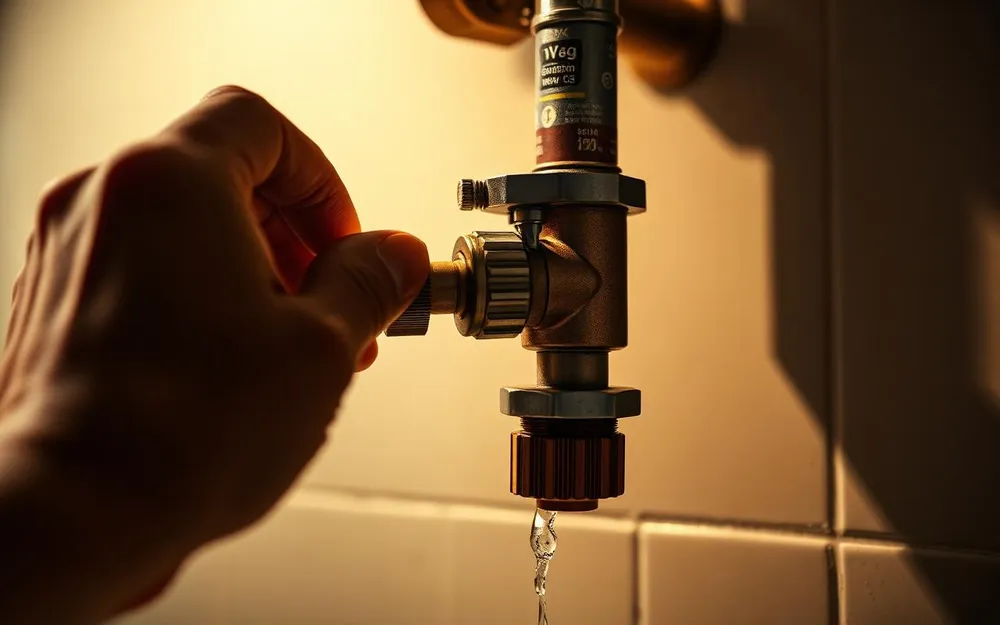
If water is actively leaking, shut off the closest fixture valve if you can safely reach it. For a larger leak, use the home's main water shutoff valve. Move towels, rugs, electronics, and valuables away from the affected area, then contain standing water as best you can.
Avoid tightening fittings aggressively or taking apart plumbing you are unsure about. A small crack in an old valve or pipe can turn a controlled leak into a larger one. Taking a few photos can also help document the issue for a landlord, property manager, or insurance provider when needed.
Drain Problems Need More Than a Quick Chemical Fix
A slow kitchen sink, standing water in a shower, or a toilet that bubbles when another fixture drains can be frustrating. Chemical drain cleaners may appear to offer a simple answer, but they can damage certain pipes and seals, create hazards for anyone opening the drain later, and fail to remove the actual blockage.
The location and pattern of the clog matter. One slow sink may point to buildup close to that fixture. Multiple slow drains, repeated backups, or water coming up in a tub while another fixture runs can indicate a larger drainage issue. Tree root intrusion, grease buildup, foreign objects, aging drain lines, and improper slope can all contribute.
A professional drain assessment helps avoid the cycle of temporary clearing and repeat clogs. Depending on the situation, the right solution may be targeted cleaning, removal of an obstruction, repair of a damaged pipe, or further evaluation of the sewer line. The best choice depends on the condition of the system, not just how quickly water starts moving again.
Water Pressure and Hot Water Problems
Low pressure is not always a city supply issue. It can come from mineral buildup in fixtures, a partially closed valve, a failing pressure regulator, corroded pipes, or a localized plumbing restriction. If only one shower or faucet has poor pressure, the problem may be limited to that fixture. If the issue affects the whole home, a broader inspection is usually warranted.
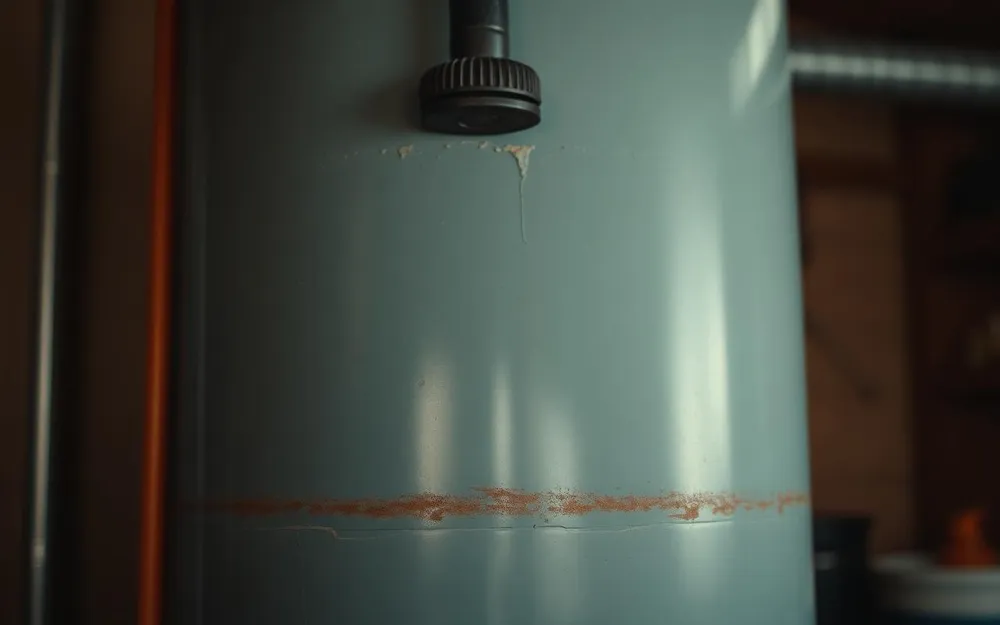
Hot water problems deserve the same careful approach. Water that is lukewarm, rusty, inconsistent, or slow to heat can point to a water heater issue, but the cause varies. Sediment, worn heating elements, thermostat problems, a failing burner component, or an aging tank may be involved. Water around the base of a tank is a reason to act promptly, especially if the leak is active.
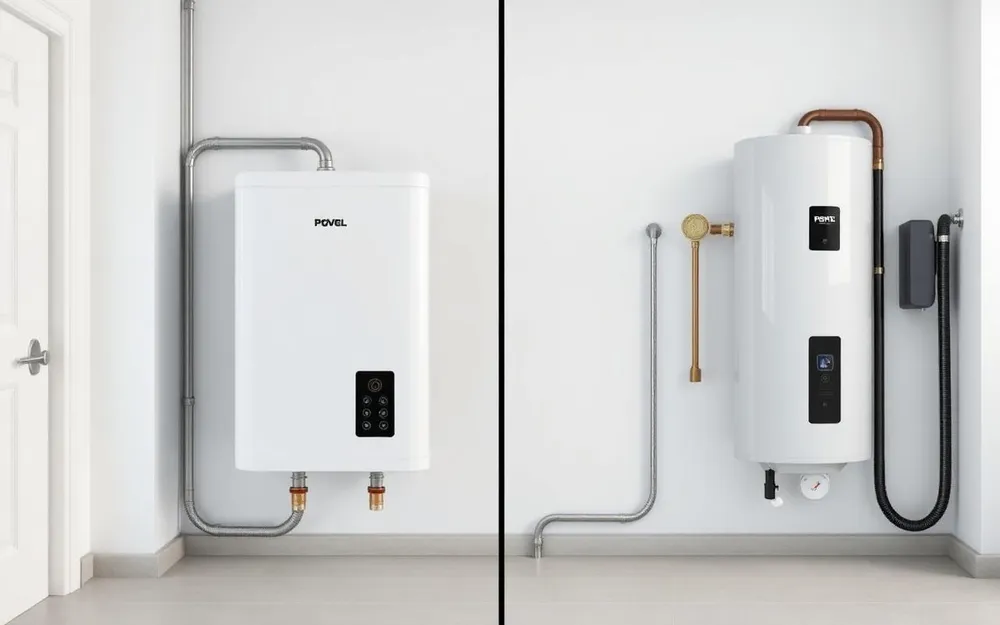
Repair versus replacement depends on age, condition, repair history, energy use, and the severity of the failure. Replacing a component can make sense for a unit with useful life remaining. For an older water heater with corrosion or recurring problems, replacement may offer better value and fewer surprises.
What Dependable Plumbing Service Looks Like
Plumbing service should not leave you wondering what was done, why it was necessary, or whether the same problem will return next week. A professional visit begins with listening to the symptoms and inspecting the relevant fixtures, pipes, and connections. Once the issue is identified, you should receive a straightforward explanation of the recommended work.
Good service also means respecting the property. That includes working carefully around finished surfaces, keeping the area as clean as possible, testing repairs before leaving, and answering practical questions about what to watch for afterward. Homeowners, renters coordinating with an owner, and property managers all need clear communication because plumbing repairs affect schedules, tenants, and budgets.
At Best Quality Plumbing Services, the focus is on practical repairs and clear answers for homes and small commercial properties in Encino and nearby communities. Whether the issue is a leak, clogged drain, fixture failure, or water system concern, the work should be handled with care rather than rushed guesswork.
Preventing the Next Plumbing Call
You cannot prevent every plumbing problem, particularly in an older property, but a few habits reduce avoidable damage. Do not pour grease down kitchen drains. Use strainers to catch food debris and hair. Know where the main water shutoff is located before an emergency happens. Check exposed supply lines under sinks and behind toilets occasionally for moisture or corrosion.
It also helps to address changes early. A faucet that begins dripping, a toilet that requires two flushes, or a drain that starts slowing down is giving you useful information. Waiting until a fixture fails completely often means less flexibility and more disruption.
When something in your plumbing system does not look, sound, or perform normally, trust that signal. A timely inspection can protect your property, your water bill, and your peace of mind.