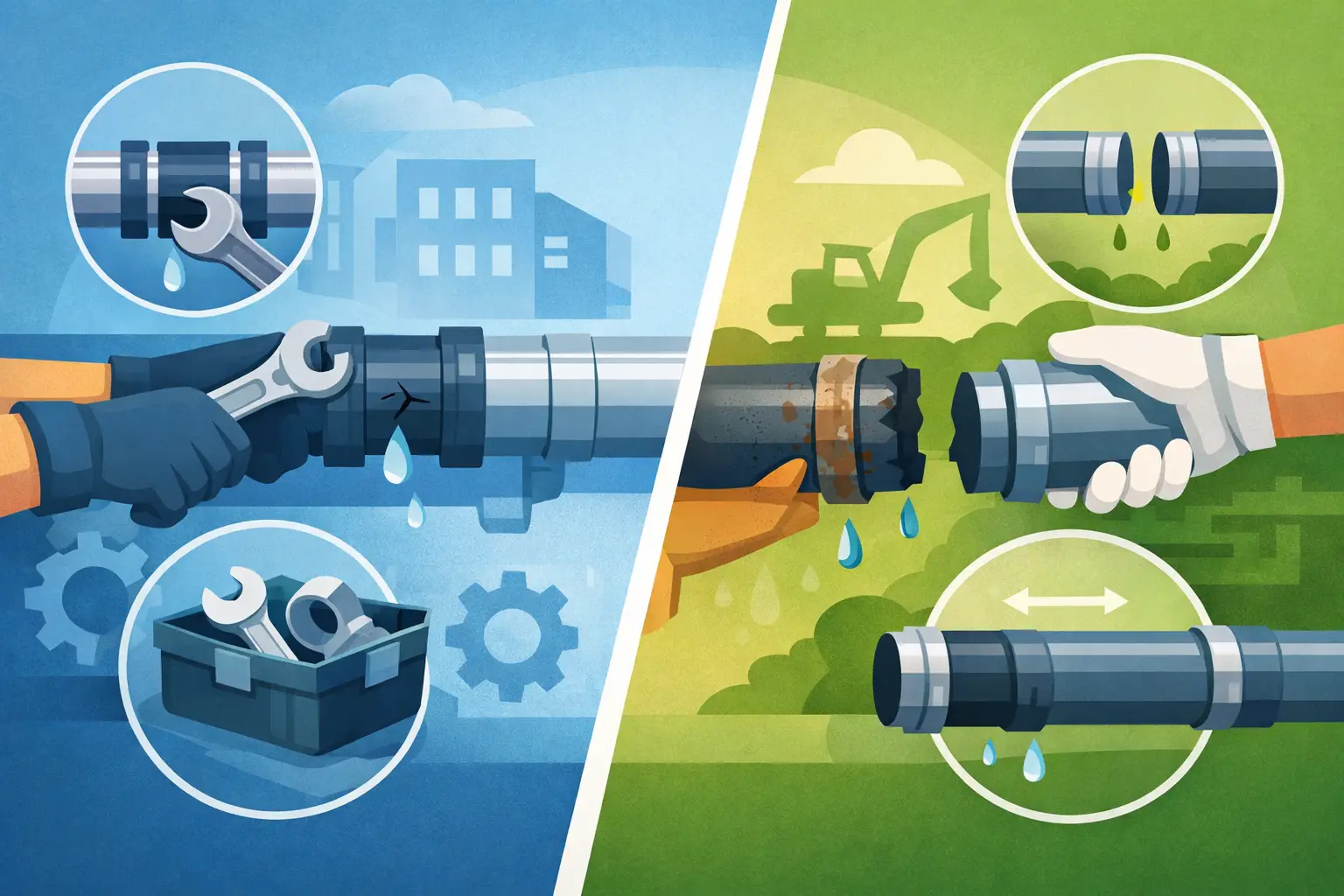
A small leak under a sink may call for a straightforward repair. A recurring slab leak, rusty water, or several pipes failing within months is a different situation. Pipe repair versus pipe replacement is not a one-size-fits-all decision. The right answer depends on where the damage is, how much of the system is affected, and whether a repair will actually hold up.
For homeowners, landlords, and property managers, the goal is simple: stop the immediate problem without spending money twice. A qualified plumber should inspect the pipe, explain what caused the failure, and give you a clear recommendation based on the condition of the system - not just the quickest possible fix.
When Pipe Repair Is the Right Call
Pipe repair makes sense when the damage is isolated and the rest of the plumbing system is in sound condition. This is common with a loose fitting, a damaged section caused by accidental impact, a failed valve connection, or a single pinhole leak in otherwise healthy piping.
A targeted repair is usually less disruptive than replacement. If the affected pipe is accessible in a cabinet, crawlspace, garage, or wall opening, a plumber can often remove the damaged section, install new material, pressure-test the connection, and restore service with limited interruption. For a single issue, that is often the practical and cost-conscious choice.
Repair may also be appropriate for newer plumbing that has a clear, correctable cause. For example, a frozen pipe that split during an unusual cold snap does not necessarily mean every line in the property needs attention. The plumber should repair the break and identify why that pipe froze, such as poor insulation or an unsealed exterior opening.
The key question is whether the failure is truly isolated. If the surrounding pipe is strong, the connection can be made properly, and there are no signs of broader deterioration, repair is often the responsible option.
Signs an isolated repair may be enough
A repair is more likely to be a good long-term choice when there is one visible leak, no history of repeated pipe failures, normal water pressure, and no widespread discoloration or corrosion. A plumbing inspection can confirm whether the problem is limited to one location or part of a larger issue.
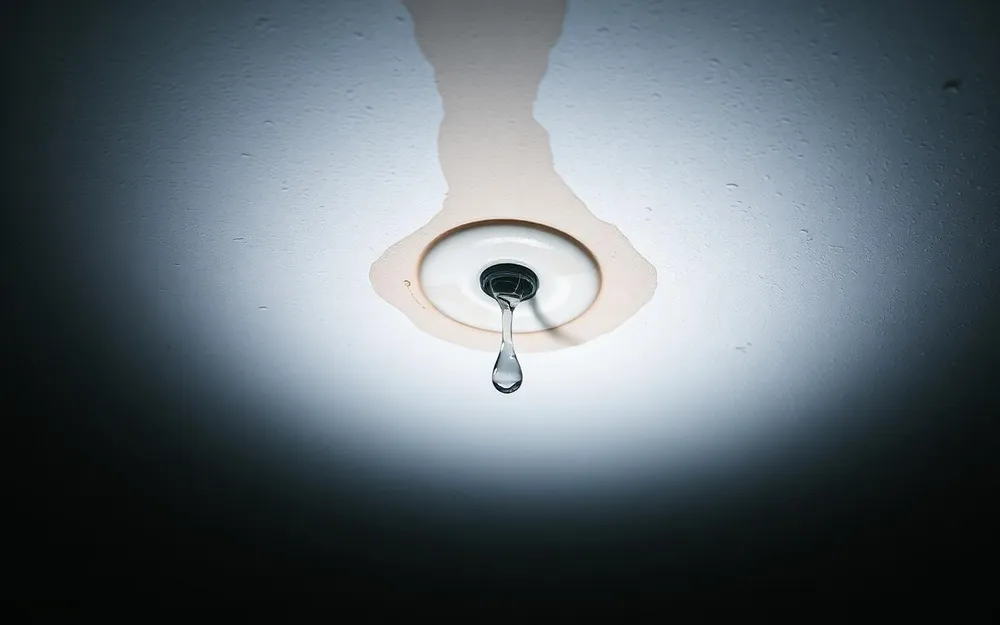
Do not assume that a visible drip tells the whole story. Water can travel along framing, collect behind walls, or appear far from the actual leak. Finding the source accurately is what prevents a minor repair from turning into a return visit and more water damage.
When Pipe Replacement Makes More Sense
Replacement becomes the better investment when a pipe has reached the end of its useful life or when repairs are happening repeatedly. Patching the same aging system over and over may lower the cost of each individual service call, but it can raise the total cost of ownership and leave the property exposed to another unexpected leak.
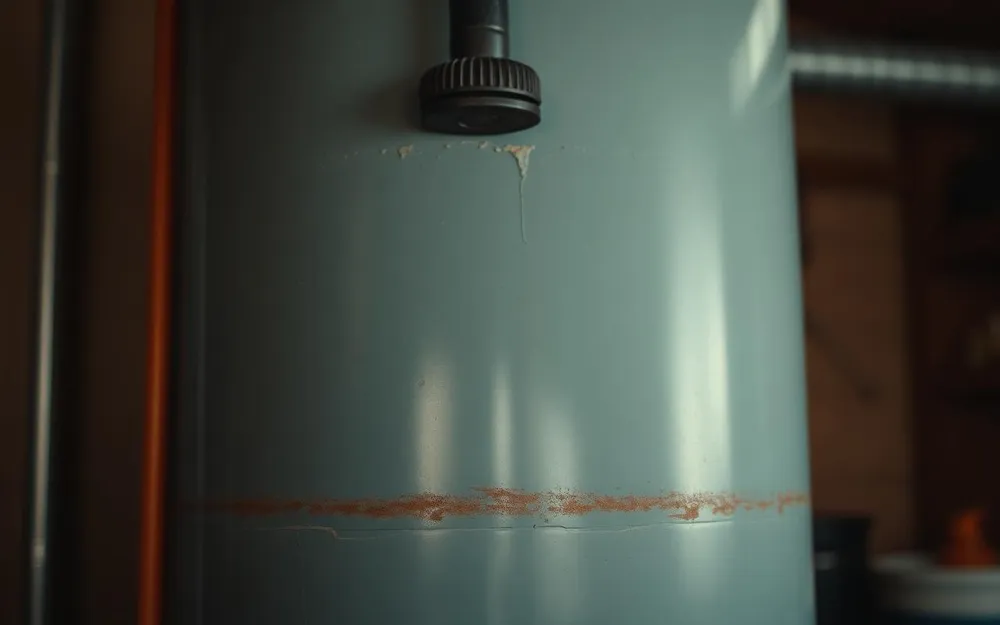
Older galvanized steel pipes are a common example. They can corrode internally over time, restricting water flow and contributing to low pressure, rusty water, and recurring leaks. When corrosion is widespread, replacing a short section may only move the next failure to another weak spot nearby.
Repiping or partial pipe replacement can also be appropriate when pipes have extensive scale buildup, poor previous repairs, incompatible materials, or damage from root intrusion and shifting soil. In a commercial setting, repeated pipe failures can interrupt tenants, staff, or customers. In a home, they can damage flooring, cabinets, drywall, and personal belongings.
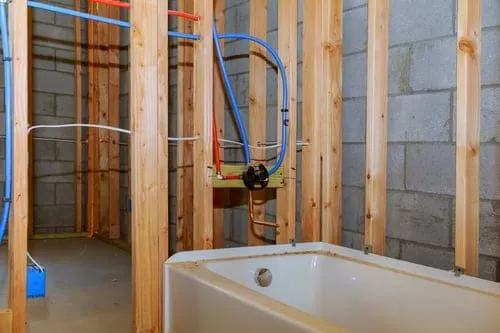
Replacement is more disruptive upfront, especially if pipes run behind finished walls or beneath a slab. Still, it provides a fresh start for the affected portion of the system and can reduce the risk of emergency repairs. A good plumbing team will explain the work area, access needs, restoration expectations, and how long water service may be interrupted before work begins.
Red flags that point toward replacement
Multiple leaks in different locations are one of the clearest warning signs. So are frequent repairs on the same line, visible corrosion, recurring water pressure problems, rust-colored water, and pipes made from materials known to be near the end of their service life.
A sudden increase in the water bill can also signal an underground or hidden leak that deserves immediate attention. If water damage, mold concerns, or structural exposure are involved, delaying a proper solution can make the final repair much more expensive.
Pipe Repair Versus Pipe Replacement: What Affects Cost
It is understandable to focus on the immediate price, but the lowest quote is not always the lowest-cost outcome. Pipe repair versus pipe replacement should be evaluated by considering both today’s work and the likelihood of future failures.
A basic repair may cost less because it uses fewer materials and requires less labor. Replacement costs more when it involves longer pipe runs, wall or ceiling access, difficult locations, permits, or restoration after plumbing work is complete. The type of pipe selected also affects the price.
However, a repair that lasts only a few months is not a bargain. If an aging line has already leaked several times, the better value may be to replace the problem section before another leak damages finished areas of the property.
Ask your plumber to separate the immediate repair option from the recommended long-term option. You should understand what each choice fixes, what it does not fix, and the expected risk of another failure. Clear answers matter more than pressure to choose the biggest job.
The Material and Location Matter
Not all pipes fail in the same way. Copper can develop pinhole leaks from corrosion or water chemistry. Galvanized steel often corrodes from the inside out. Older cast iron drain lines can crack, scale up, or develop root intrusion. Plastic piping may fail at fittings, from poor installation, or after physical damage.
The pipe’s location is just as important. A leak under a bathroom sink is typically easier to repair than a leak beneath a concrete slab, inside a ceiling, or in a wall shared by multiple units. Accessibility affects labor, but it should not be the only factor driving the decision.
For hidden pipes, proper diagnosis is especially valuable. Leak detection, camera inspection for drain lines, pressure testing, and a careful review of the property’s repair history can help identify whether the issue is isolated. Guesswork can lead to unnecessary wall openings or a repair that misses the real source.
How to Make the Decision With Confidence
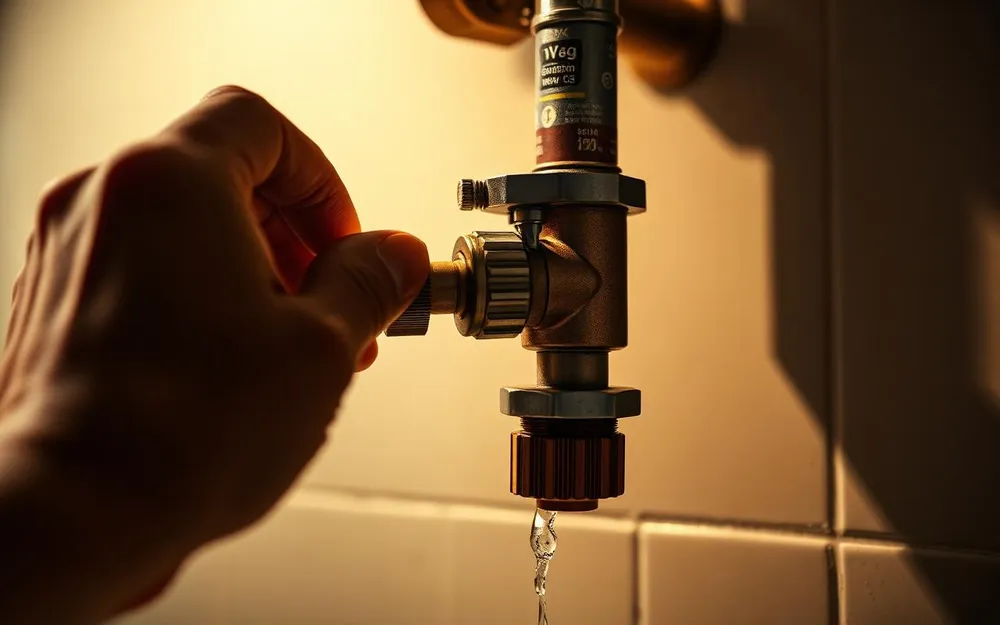
Start by addressing active water leaks quickly. Shut off the fixture valve or the main water supply if needed, and move belongings away from the affected area. Do not ignore a slow leak simply because it seems manageable. Moisture behind walls and under floors can cause damage long before it becomes visible.
Then ask for a professional assessment that answers a few direct questions: Is this the first failure or part of a pattern? What condition is the surrounding pipe in? Can the damaged section be repaired with a reliable connection? What are the consequences if another section fails soon?
For a rental property, consider the impact on tenants and the cost of future service disruptions. For a family home, think about the risk to finished spaces and the inconvenience of losing water unexpectedly. The best choice balances budget, reliability, and the age of the plumbing system.
Get a Clear Recommendation Before Work Begins
No homeowner should have to choose between a temporary patch and a major replacement without understanding the reason behind the recommendation. Best Quality Plumbing Services approaches the decision by looking at the actual condition of the pipes, the source of the failure, and what will protect the property moving forward.
If a repair is the right answer, it should be completed cleanly and tested properly. If replacement is warranted, you should know why it is necessary and what part of the system truly needs to be replaced. A clear diagnosis today can prevent a much larger plumbing problem tomorrow.