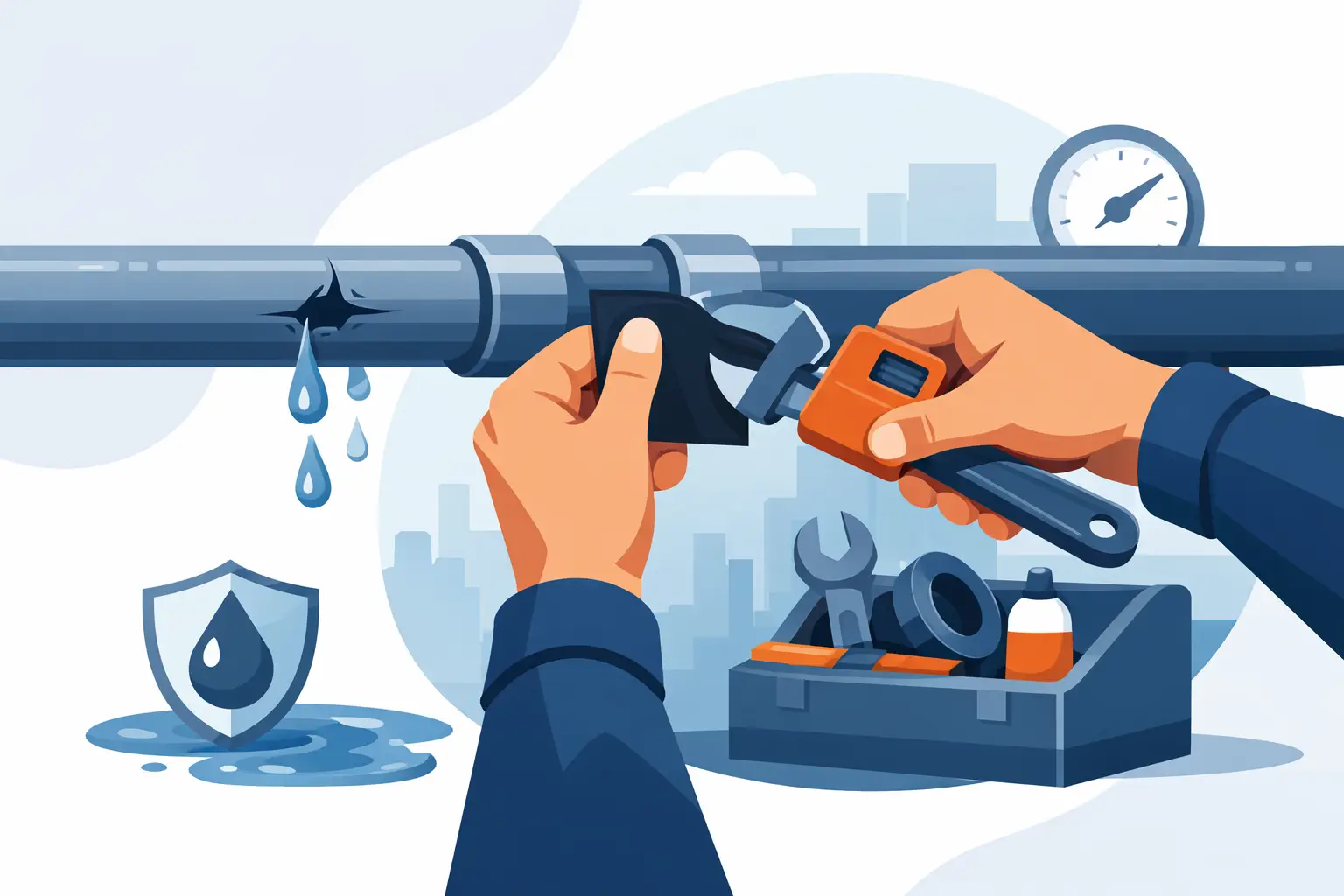
A pipe can leak quietly behind a wall for days before it leaves a stain on the ceiling or buckles a section of flooring. By the time visible damage appears, the water may already have affected drywall, insulation, cabinets, or framing. Prompt pipe repair is not just about stopping a drip. It is about protecting your property from a much larger and more expensive problem.
For homeowners, renters coordinating a repair, and property managers, the right response starts with recognizing the warning signs and knowing when to bring in a professional. Some issues are obvious. Others are easy to ignore until they become an emergency.
When Pipe Repair Should Not Wait
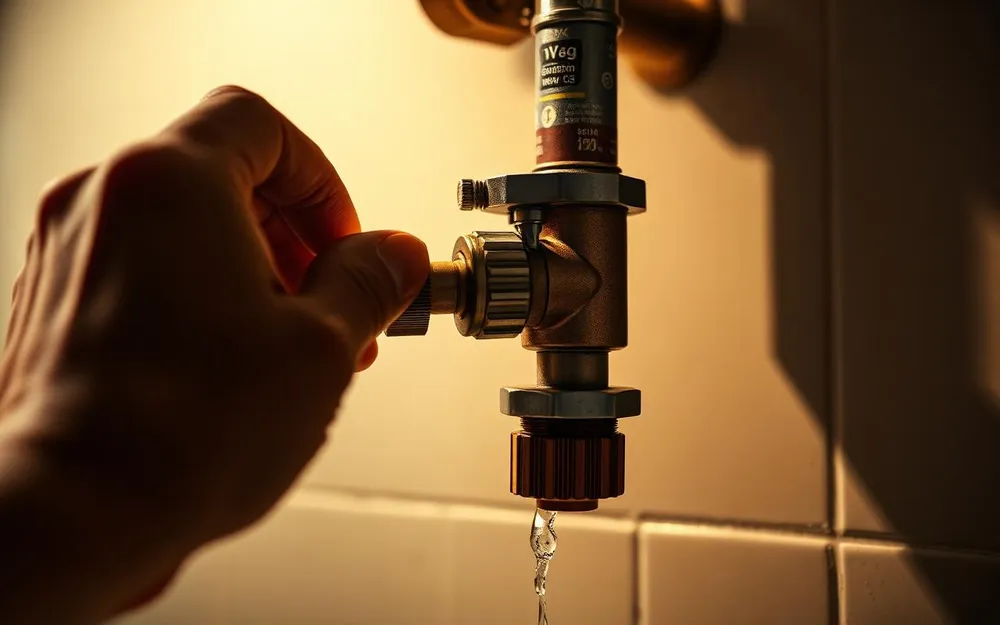
A burst pipe, active leak under a sink, or water spreading across a floor needs immediate attention. If water is flowing or pooling, turn off the nearest fixture shutoff valve if you can safely reach it. If the leak is coming from a wall, ceiling, main supply line, or an unknown location, shut off the home's main water supply.
Then move valuables away from the area, avoid electrical fixtures or outlets near standing water, and call a plumbing professional. Do not cut into walls, tighten fittings you cannot see clearly, or use tape as a long-term solution. Those steps can make the damage worse or delay the repair that is actually needed.
Not every leak is dramatic, but slow leaks deserve attention too. A small drip can waste water every day and create conditions for mold, wood rot, damaged finishes, and higher utility bills.
Warning Signs of a Hidden Pipe Problem
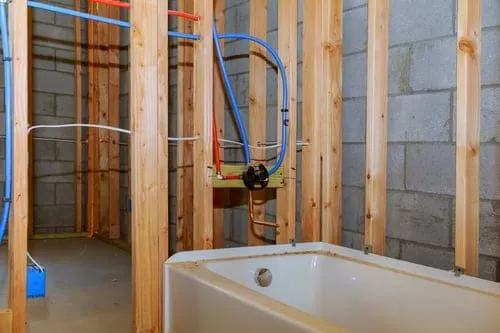
Many pipe issues start behind walls, under floors, in crawl spaces, or above ceilings. Watch for changes that do not have an obvious explanation, including:
- A water bill that rises even though your household usage has not changed
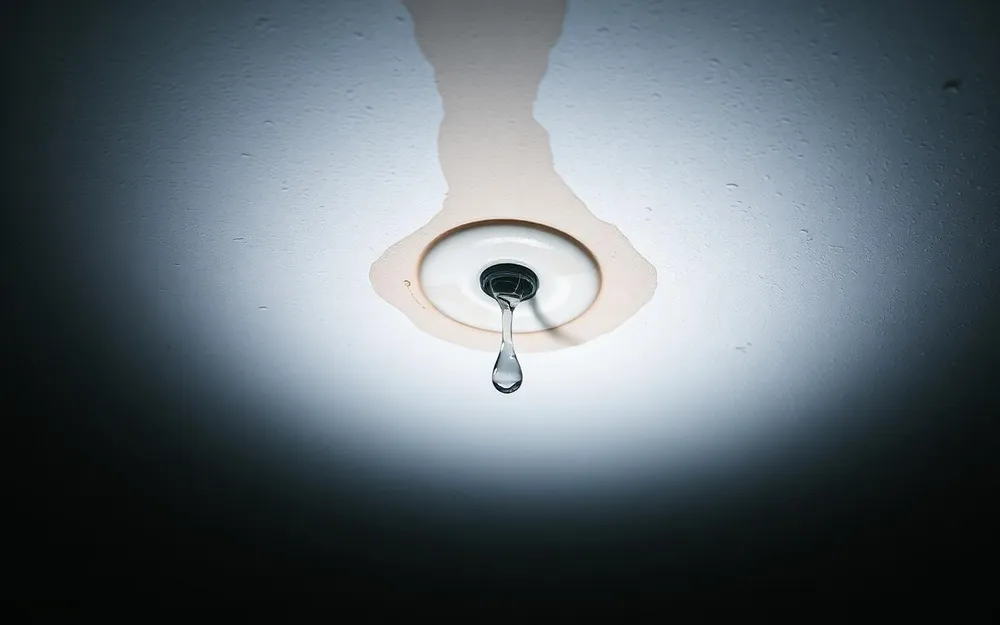
- Damp, soft, discolored, or bubbling walls and ceilings
- A musty smell near cabinets, bathrooms, laundry areas, or utility rooms
- Low water pressure at one fixture or throughout the property
- The sound of running water when all faucets and appliances are off
These signs do not always mean the same thing. Low pressure, for example, may come from a fixture problem, mineral buildup, a faulty pressure regulator, or a supply-line leak. A qualified plumber can identify the source instead of treating the symptom.
Common Causes of Pipe Damage
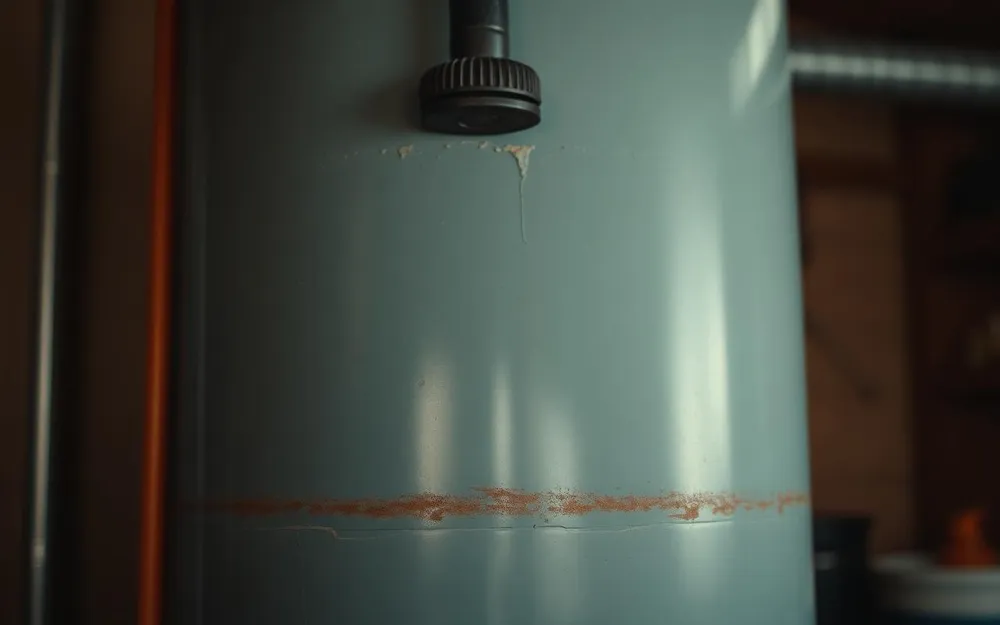
Pipes do not fail without a reason. Age is a frequent factor, especially in older homes with outdated materials or original plumbing that has been in service for decades. Corrosion can weaken metal pipes from the inside, while repeated expansion and contraction can stress fittings and connections.
Clogs can also contribute to pipe damage. When a drain line is restricted, water and waste may back up, putting pressure on joints and exposing older pipes to repeated strain. Chemical drain cleaners can create another problem. They may seem like a quick fix, but harsh products can damage certain pipe materials and do little to remove a serious blockage.
Accidental damage matters as well. A screw driven into a wall, landscaping work near an exterior line, shifting soil, or construction around plumbing can crack or puncture a pipe. In some cases, tree roots enter damaged sewer lines and turn a small defect into a recurring drain backup.
The cause affects the right repair. Replacing a short section of damaged pipe may be enough when the rest of the system is in good condition. If corrosion or repeated failures affect multiple areas, a larger replacement plan can be the more reliable and cost-effective choice.
How Professional Pipe Repair Protects Your Property
The goal of professional pipe repair is not to apply a temporary patch and hope for the best. It is to find the source of the problem, assess the condition of the surrounding plumbing, and recommend a repair that holds up under normal use.
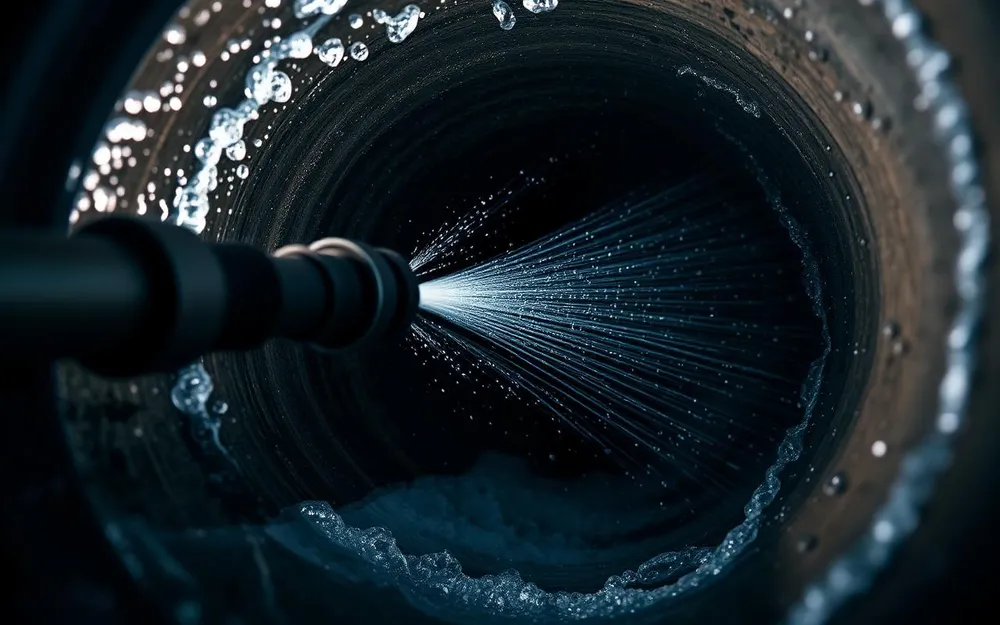
A plumber may inspect exposed lines, check fixtures and shutoff valves, test water pressure, and look for signs of moisture around the affected area. For drain and sewer concerns, specialized inspection methods may be used to locate cracks, blockages, root intrusion, or separated connections without unnecessary digging or demolition.
Once the issue is identified, the repair may involve replacing a fitting, repairing a supply line, removing a damaged pipe section, clearing a blockage, or replacing compromised piping. The best option depends on the pipe material, location, age, accessibility, and extent of the damage.
There are trade-offs. A limited repair is usually less disruptive and may be the right answer for a single isolated failure. However, if several leaks have occurred in a short period or pipes show widespread corrosion, repeated spot repairs can become more expensive than addressing the underlying condition. A dependable plumber should explain both options clearly, including what is urgent now and what can be planned for later.
Do Not Rely on Temporary Fixes for Long
A bucket under a leak, plumber's tape, or a clamp can reduce damage while you wait for service. These measures can be useful in the moment, but they are not permanent repairs. Water pressure, vibration, temperature changes, and normal household use can quickly expose the weakness in a temporary fix.
This is especially true for leaks inside walls or ceilings. Even if the water stops appearing, moisture may still be collecting out of sight. Waiting can allow mold growth and structural damage to develop before anyone realizes there is a continuing problem.
The same caution applies to drain backups. If a sink or toilet drains slowly, avoid repeatedly using chemical cleaners or forcing more water through the line. A partial blockage can become a complete backup at the worst possible time, often when the fixture is used heavily.
What to Expect From a Reliable Plumbing Visit
A good plumbing visit should reduce uncertainty, not add to it. The technician should inspect the issue, explain what is causing it in plain language, and outline the repair before work begins. You should understand whether the problem is isolated, whether related components need attention, and what steps can help prevent a repeat issue.
Clean workmanship matters too. Pipe repair can require access beneath sinks, behind appliances, in crawl spaces, or within walls. Careful preparation and cleanup help limit disruption to your home or rental property. For landlords and property managers, clear communication is equally important because repairs often need to be coordinated around tenants, access, and property protection.
At Best Quality Plumbing Services, the focus is on practical repairs, clear answers, and dependable workmanship. Whether the problem is a visible leak, a damaged water line, or a drain issue that keeps returning, the job should be handled with the urgency and care your property deserves.
Preventing Future Pipe Problems
Not every failure can be prevented, but routine attention can reduce the chance of an unexpected leak. Check beneath sinks and around toilets periodically for moisture, corrosion, or staining. Address slow drains early, and avoid putting grease, wipes, coffee grounds, or other non-drain-safe materials into plumbing fixtures.
Know where your main water shutoff valve is located before an emergency happens. If you manage a rental or commercial space, make sure responsible occupants know where it is as well. That simple step can save valuable time when a line breaks.
For older properties or buildings with a history of leaks, a professional plumbing inspection can help identify worn components before they fail. It may reveal a small issue that can be repaired on a planned schedule rather than during an after-hours emergency.
A plumbing problem rarely becomes less costly by being ignored. When you see moisture, hear water where there should be silence, or notice a drain behaving differently, act early. A timely repair protects your space, your budget, and the peace of mind that comes from knowing the water is staying where it belongs.