A pipe rarely bursts without giving some warning first. This pipe leak warning signs guide helps homeowners, renters, and property managers recognize the small changes that can point to a serious plumbing problem before water damage spreads.
A slow leak behind a wall, under a slab, or beneath a cabinet can waste water for weeks while damaging wood, drywall, flooring, and insulation. The earlier the problem is found, the more options you usually have for a targeted repair instead of a larger restoration project.
Watch Your Water Bill and Water Meter
An unexplained increase in your water bill is one of the most practical signs of a hidden leak. Water rates can change, and a houseguest or extra laundry can raise usage temporarily, but a steady jump from one month to the next deserves attention.
To check for a possible leak, turn off faucets, appliances that use water, irrigation, and ice makers if possible. Then look at your water meter. If the small leak indicator moves while no water is being used, water may be flowing somewhere it should not be. Wait 30 to 60 minutes without using water and check again for a clearer result.
This test does not identify the leak location. It does tell you that bringing in a plumbing professional is a sensible next step, especially if the meter continues to move.
Look for Changes in Walls, Ceilings, and Floors
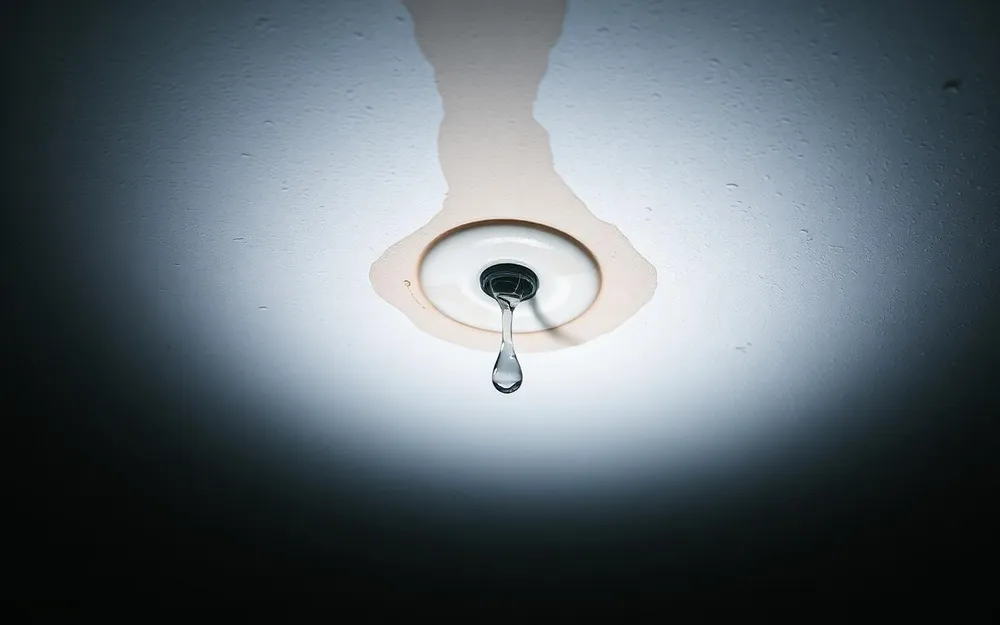
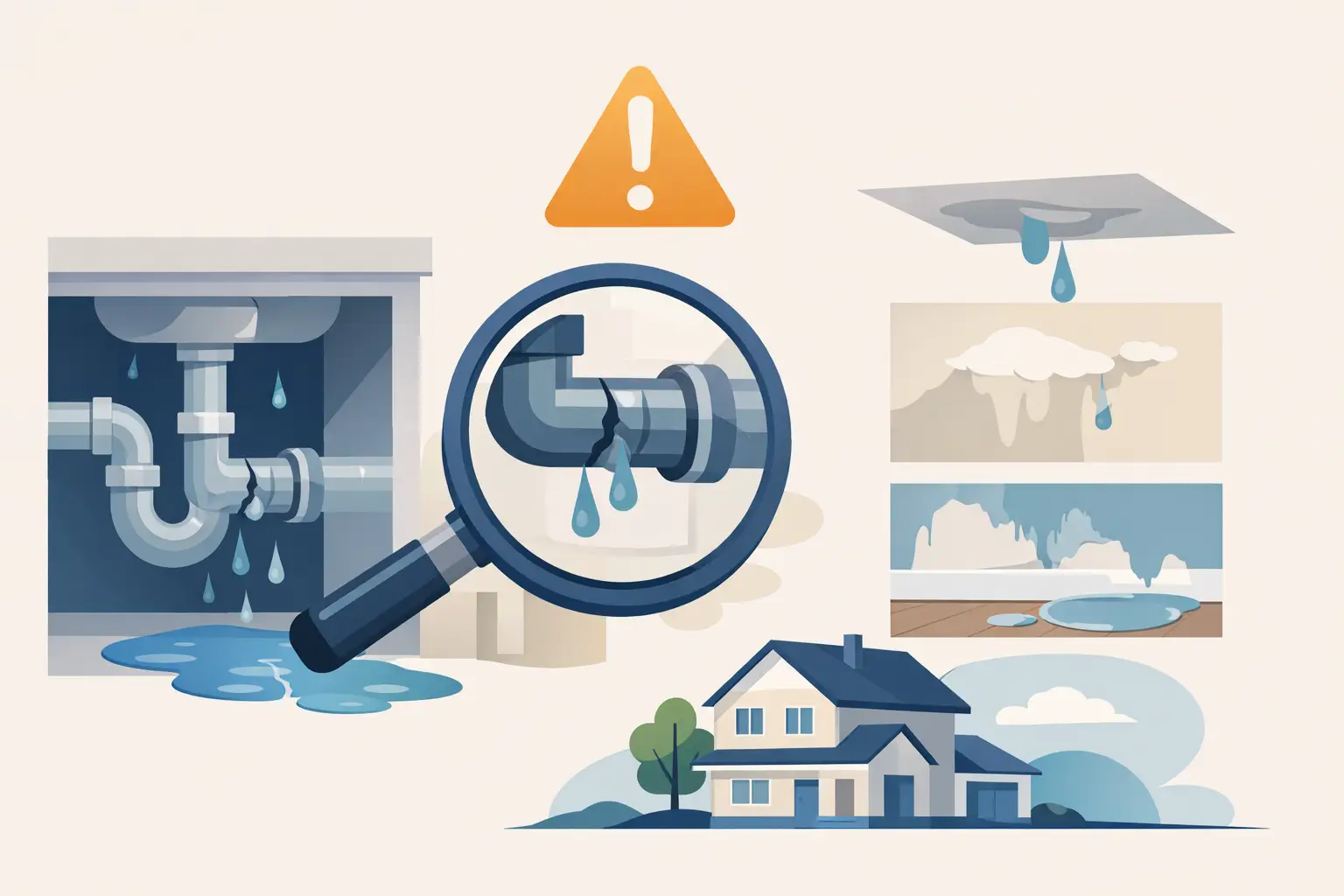
Water often travels away from the actual leak before it becomes visible. A damp spot on a ceiling may be caused by a pipe above it, but it can also be tied to a bathroom fixture, roof issue, or appliance line nearby. A professional diagnosis prevents repairs based on guesswork.
Common visible warning signs include:
- Yellow, brown, or rust-colored stains on ceilings or walls
- Bubbling, peeling, or soft paint and wallpaper
- Warped baseboards, swollen cabinets, or loose flooring
- Damp carpet or warm spots on a concrete floor
- Cracks, softness, or sagging in drywall
Do not paint over a stain and assume the problem is handled. The water source needs to be found and stopped first. Drywall and insulation can hold moisture long after a surface appears dry, which can lead to mold growth and ongoing material damage.
Warm or Damp Areas on a Slab Floor
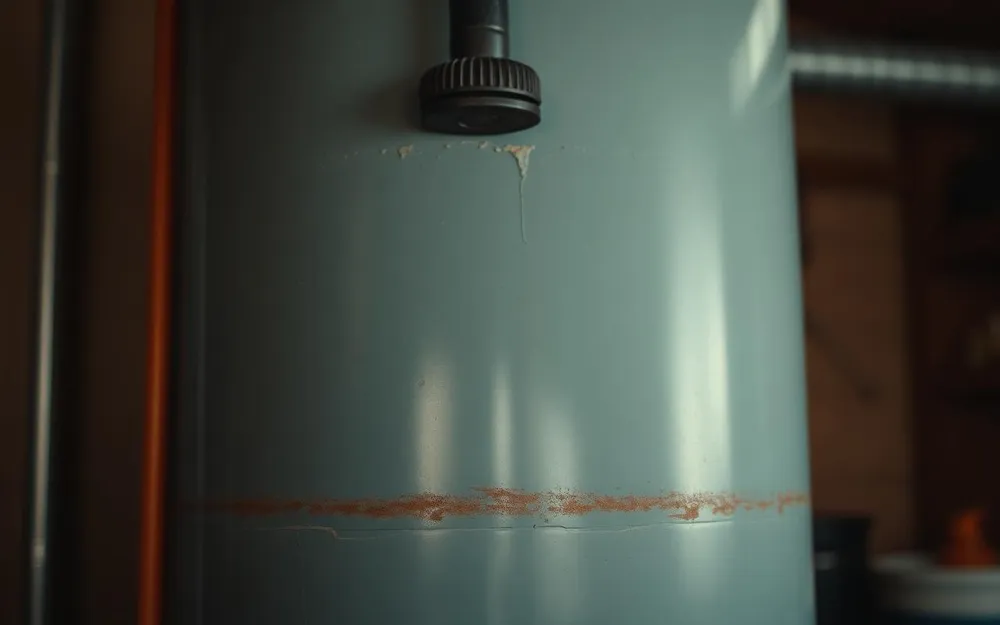
A warm patch on a tile, vinyl, or concrete floor can indicate a hot-water line leak beneath the slab. You may also notice that the water heater runs more often than usual, even when nobody is using hot water. Slab leaks need prompt attention because the water can affect flooring, foundations, and nearby walls over time.
Pay Attention to Musty Odors
A musty smell is not always a plumbing leak, but it should not be ignored. Moisture trapped in a cabinet, wall cavity, crawl space, or under flooring can create an odor before you see staining or damage. Bathrooms, laundry rooms, kitchens, and areas around water heaters are good places to inspect first.
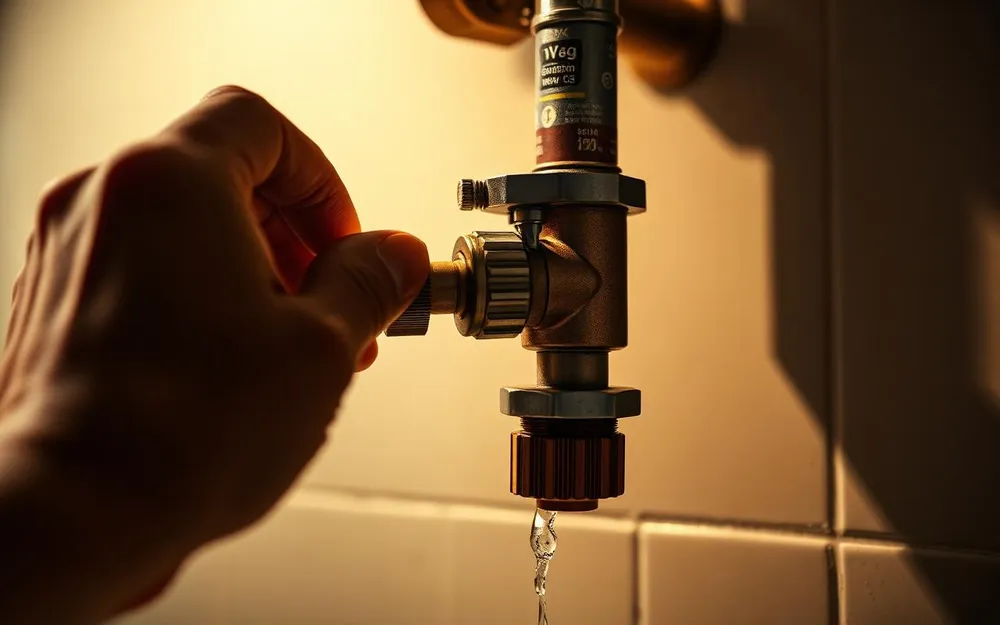
Open the cabinet under sinks and feel around supply lines, shutoff valves, drain connections, and the cabinet floor. Even a small amount of moisture, corrosion, or staining can point to a slow drip. If you find active water, place a container underneath if safe to do so and schedule repair rather than relying on a temporary towel or bucket.
Listen for Water When Nothing Is Running
A faint hissing, dripping, or rushing sound in a quiet home may signal a leak in a supply pipe. Listen near walls, behind toilets, around the water heater, and under sinks. A toilet that refills intermittently can also create a running-water sound and waste a surprising amount of water, although the issue may be inside the toilet tank rather than in a pipe.
Sound alone is not enough to diagnose the issue. Pipes expand and contract with temperature changes, and some homes have normal plumbing noise. The concern rises when the sound is new, persistent, or paired with higher water use, dampness, or a drop in water pressure.
Notice Lower Water Pressure or Discolored Water
One weak faucet may have a clogged aerator, a partially closed valve, or a fixture-specific problem. Low pressure throughout the property is more concerning. It can be caused by a leak, a failing pressure regulator, mineral buildup, or an issue with the main water supply.
Discolored water can also offer a clue. Brown or reddish water may come from corrosion, sediment, or a disturbance in the water supply. If discoloration happens only from hot water, the water heater may be involved. If it occurs with pressure changes or water damage signs, have the plumbing system inspected instead of assuming it will clear on its own.
Check Exterior Areas and Landscaping
Not every pipe leak happens indoors. Underground water lines can leak without causing immediate indoor symptoms. Look for unusually green or fast-growing patches of grass, soggy soil during dry weather, pooling near the foundation, or water that seems to run across a driveway or sidewalk without a clear source.
An outdoor leak can waste a large amount of water and may soften soil around foundations, walkways, or retaining areas. Irrigation leaks are common too, so it depends on which system is running and where the moisture appears. Turning irrigation off temporarily can help separate a sprinkler issue from a main water line concern.
What to Do When You Find a Possible Leak
If water is actively flowing, start by protecting people and property. Move valuables away from the wet area, avoid standing water near electrical outlets or appliances, and use the local shutoff valve if you can identify it safely. For a major leak, shut off the home’s main water valve and call for plumbing service right away.
Take clear photos of visible damage and note when you first noticed the problem. This can help a plumber track the source and may be useful for property managers or insurance documentation. Do not cut into walls, remove flooring, or use chemical sealants in pipes unless a qualified professional has advised it. Those steps can make diagnosis harder or create additional damage.
For renters, report leaks to the landlord or property manager as soon as possible and document the issue in writing. If water is near electrical equipment, ceilings are sagging, or water is spreading quickly, treat it as an urgent repair situation.
When a Small Leak Needs Immediate Service
Some leaks can be scheduled during normal service hours. Others should be handled immediately. Call promptly when a pipe has burst, a ceiling is bulging, water is reaching electrical components, sewage is backing up, or you cannot stop active water flow at a fixture valve or main shutoff.
A hidden leak also deserves timely service when you see repeated staining, hear constant water movement, find mold-like odors, or notice a meter that runs with all fixtures off. Waiting may save a service call today, but it can turn a focused repair into drywall replacement, flooring work, and mold remediation later.
Best Quality Plumbing Services approaches leak concerns with straightforward troubleshooting and clear repair recommendations. The goal is to locate the actual source, explain what is causing it, and fix the problem with as little disruption to your home or property as possible.
If something in your home looks, sounds, or smells different around the plumbing, trust that observation. A quick professional inspection is often the simplest way to protect your water, your property, and your peace of mind.