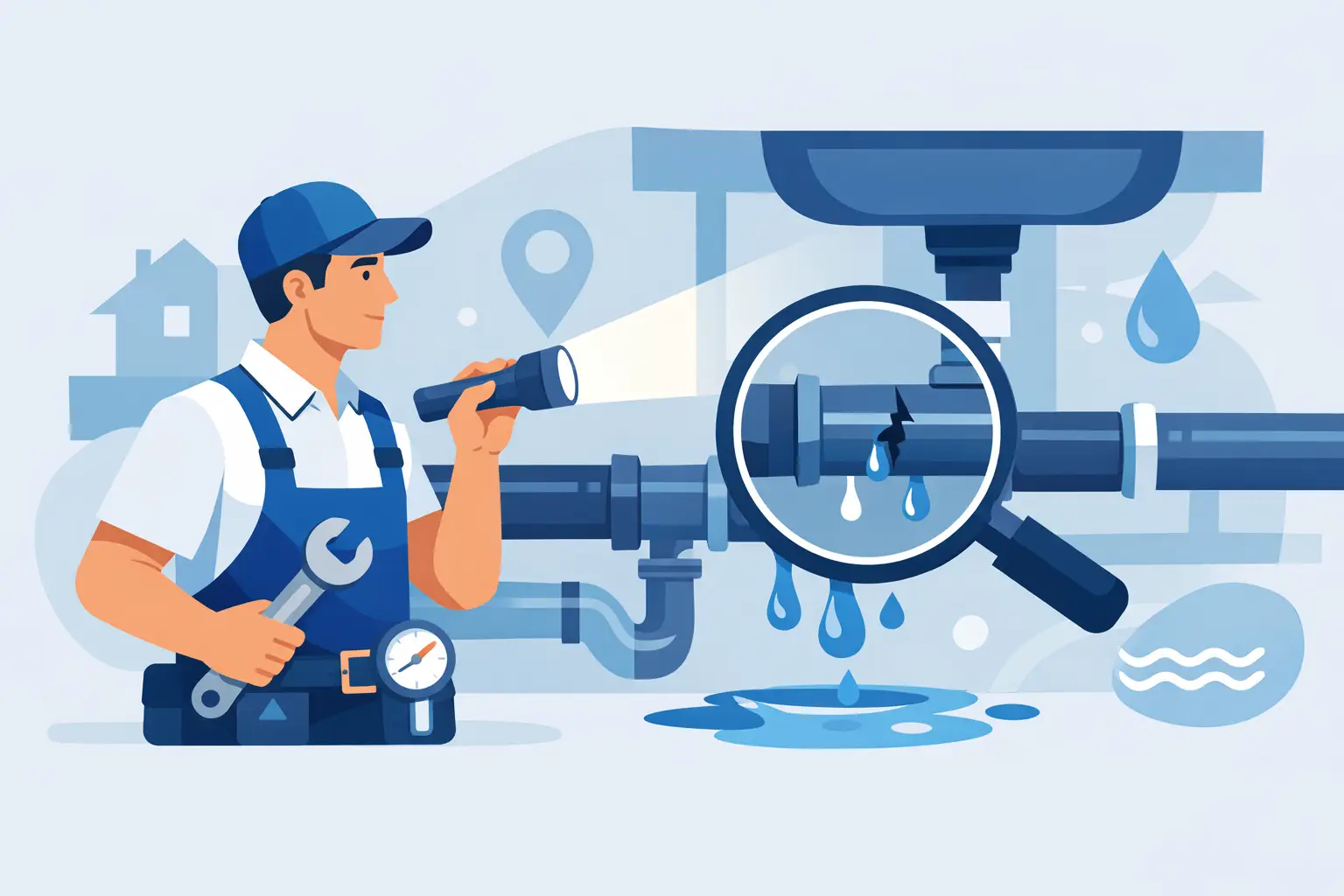
Water spots on the ceiling, a musty smell under the sink, or a water bill that suddenly jumps - those are the moments people start searching for leak detection plumbers near me. When water is getting where it should not, speed matters. So does hiring someone who can find the source accurately, explain the problem clearly, and fix it without turning a small issue into a bigger one.
Not every leak is obvious. Some show up as dripping pipes or pooling water, but others stay hidden behind walls, under slabs, or inside ceilings for weeks before they leave visible damage. That is why leak detection is not just about finding water. It is about knowing where to look, how to confirm the source, and what repair makes sense for the property.
Why leak detection plumbers near me matter
A local plumber is usually the right call because leaks do not wait for a convenient time. The longer water escapes, the more likely it is to damage drywall, flooring, cabinetry, insulation, or structural materials. In rental homes and small commercial spaces, a hidden leak can also disrupt tenants, create cleanup costs, and lead to mold concerns.
Local service also matters for practical reasons. A nearby plumbing team can often respond faster, knows common plumbing setups in the area, and understands the kinds of issues local homes tend to have. Older neighborhoods may deal with aging supply lines or drain systems. Newer construction may have different fixture or water pressure problems. A plumber who works locally sees those patterns every day.
Just as important, leak detection is not a guessing game. Good plumbers do not start opening walls without reason. They inspect the symptoms, test where needed, and narrow down the likely source before recommending repair. That saves time, limits damage, and gives you a clearer path forward.
Signs you need leak detection now
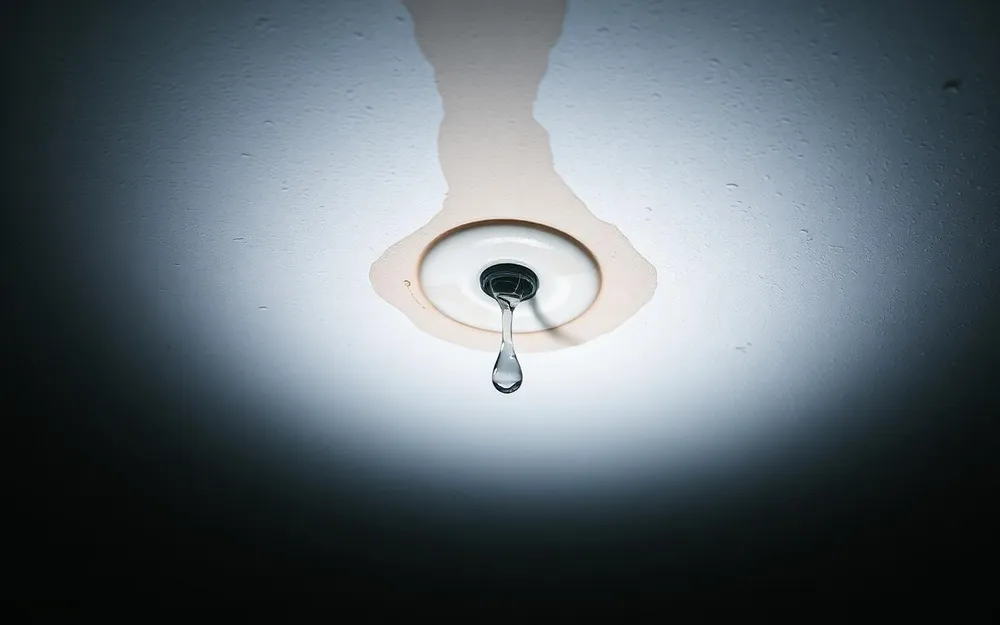
Some leaks are emergencies. Others start small and quietly raise the cost of waiting. If you notice water stains, warped flooring, peeling paint, damp cabinets, reduced water pressure, or the sound of running water when nothing is on, it is time to have the system checked.
A higher-than-normal water bill is another common warning sign. If usage has not changed but your bill has, that can point to a hidden supply line leak, a slab leak, or a fixture that is leaking continuously. Toilets are a frequent culprit, but they are not the only one.
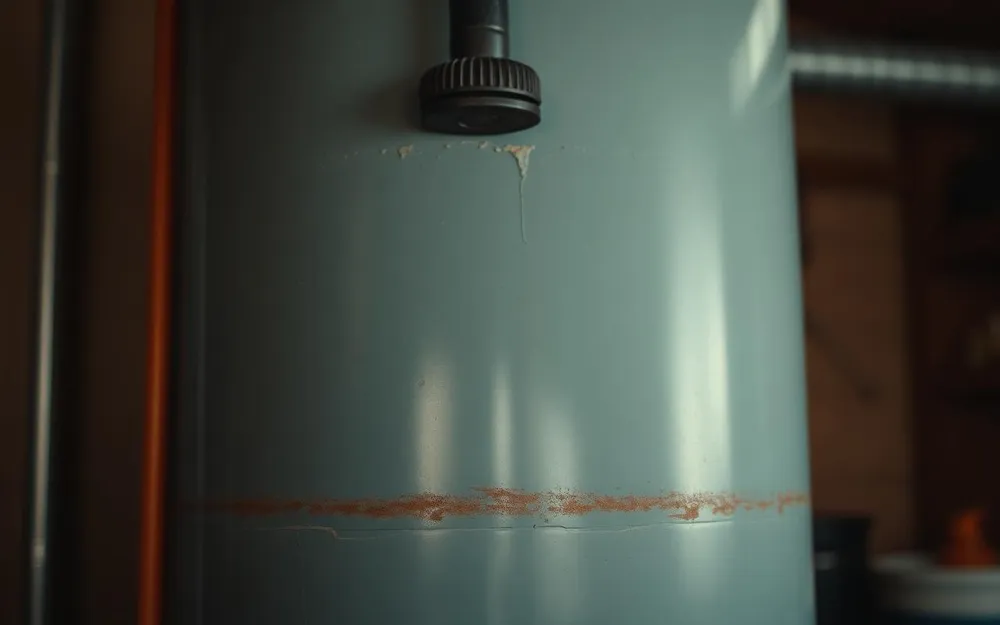
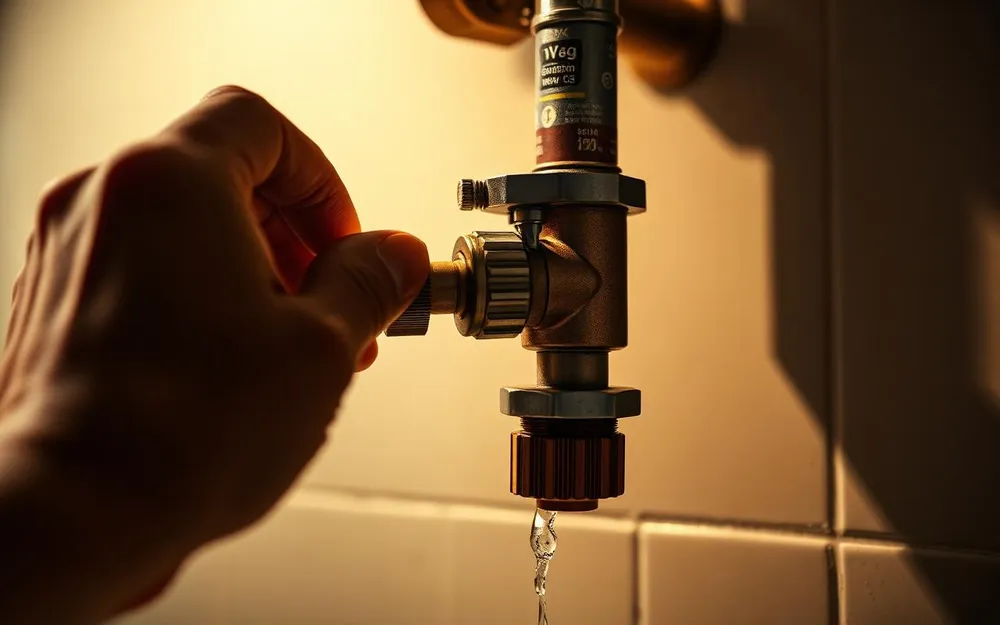
There are also situations where the problem looks minor but carries bigger risk. A small leak under a sink may have already affected the cabinet base and nearby wall. A pinhole leak on a pipe can stay manageable for a while, then fail suddenly. It depends on the material, the water pressure, and how long corrosion has been building.
If water is actively spreading, if you smell mildew, or if a leak is near electrical components, do not wait. Shut off the water if you can do so safely and call a plumber right away.
What a good leak detection plumber actually does
When people search for leak detection plumbers near me, they are usually not looking for a long technical explanation. They want someone who can show up, find the issue, and fix it correctly. That said, knowing what proper service looks like helps you avoid wasted time.
A solid leak detection visit usually starts with questions about what you have noticed - where the damage appears, when it started, whether the water meter has been moving unexpectedly, and if any fixtures have been acting up. From there, the plumber inspects the most likely sources and works methodically through the system.
Depending on the situation, that may involve checking visible plumbing lines, testing fixtures, evaluating shutoff points, inspecting water pressure conditions, or identifying signs of moisture in concealed areas. In some cases, the repair is straightforward. In others, the leak is only part of the issue, and the plumber also needs to address pipe condition, faulty installation, or worn-out components.
The difference between average service and dependable service often comes down to communication. A good plumber explains what they found, what they still need to confirm, and what repair options make sense. If there is a trade-off between a short-term fix and a longer-lasting solution, they should say so plainly.
How to choose the right local plumber
Fast service matters, but so does judgment. The best choice is not always the first name that appears in a search. Look for a plumbing company that is clear about its services, responsive when you call, and professional in how it handles questions.
Pay attention to whether they ask useful details or rush straight to pricing without understanding the problem. Leak detection can vary widely depending on location, severity, and access. Any company that treats every leak like the same job may not be taking diagnosis seriously.
You also want a plumber who respects your property. Leak detection work should be careful and deliberate, not messy or disruptive without reason. Clean workmanship matters, especially in occupied homes, rental units, and business spaces where service has to happen with minimal interruption.
For homeowners and property managers, reliability often matters more than flashy promises. The Best Quality Plumbing is built around that kind of service approach - straightforward communication, dependable workmanship, and repairs that solve the actual problem.
Questions worth asking before you book
You do not need to interview a plumber like you are hiring for a corporate role, but a few practical questions can tell you a lot. Ask how they approach leak detection, whether they handle both diagnosis and repair, and how soon they can respond.
It also helps to ask what happens if the leak is behind a wall, under flooring, or in a hard-to-access area. Some problems can be confirmed quickly. Others take more time to isolate. A trustworthy plumber will tell you that upfront instead of promising an instant answer just to get in the door.
If the leak has already caused visible damage, ask what steps you should take before the appointment. In some cases, shutting off a fixture valve is enough. In more serious situations, the main water supply may need to be turned off until a plumber arrives.
Hidden leaks are where experience counts
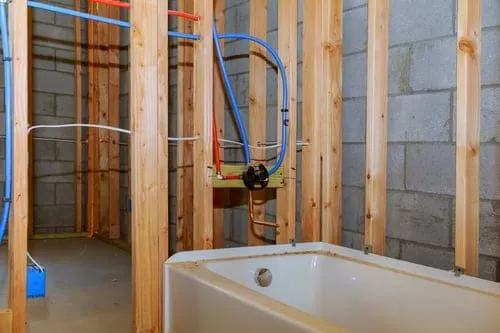
The most frustrating plumbing problems are often the ones you cannot see. Water may travel along framing, collect in a different room from the actual source, or show up only after heavy fixture use. That is why experience matters.
For example, a stain on a downstairs ceiling could come from a bathroom supply line, a drain connection, a shower pan issue, or even a problem tied to repeated overflow. The visible damage does not always point directly to the cause. A rushed diagnosis can lead to the wrong repair.
This is where local, experienced plumbers earn their value. They know how to read the clues, rule out the less likely causes, and focus on the source instead of chasing symptoms. That saves money and cuts down on repeat visits.
When repair makes sense and when replacement is smarter
Not every leak means a full repipe or major replacement. Sometimes a worn supply line, loose connection, damaged shutoff valve, or failing fixture component can be repaired quickly and reliably. Other times, the leak is a sign that the pipe material or section is reaching the end of its service life.
That is an important distinction. A low-cost repair may look appealing in the moment, but if the surrounding pipe is brittle, corroded, or leaking in multiple places, patching one spot may only buy a little time. On the other hand, replacing more than necessary is not good service either.
The right answer depends on the age of the plumbing, the location of the leak, the condition of nearby materials, and how likely the issue is to repeat. A dependable plumber should help you weigh those factors without pressure.
Why quick action saves money
Most people call for leak detection because they want to stop immediate damage, but the financial side matters too. The cost of locating and repairing a leak is often far less than the cost of replacing flooring, drywall, cabinets, trim, and personal property after water has had more time to spread.
There is also the cost of inconvenience. Delayed repairs can mean unusable bathrooms, interrupted routines, tenant complaints, or time away from work to deal with ongoing service calls. Getting the right plumber involved early usually means less disruption and a cleaner repair process.
If you are searching for leak detection plumbers near me, the best move is usually simple. Choose a local plumbing company that responds quickly, takes the problem seriously, and focuses on accurate diagnosis instead of guesswork. When water is going where it should not, clear answers and dependable repair make all the difference.
If something feels off in your home or property, trust that instinct and get it checked before the damage has a chance to spread.