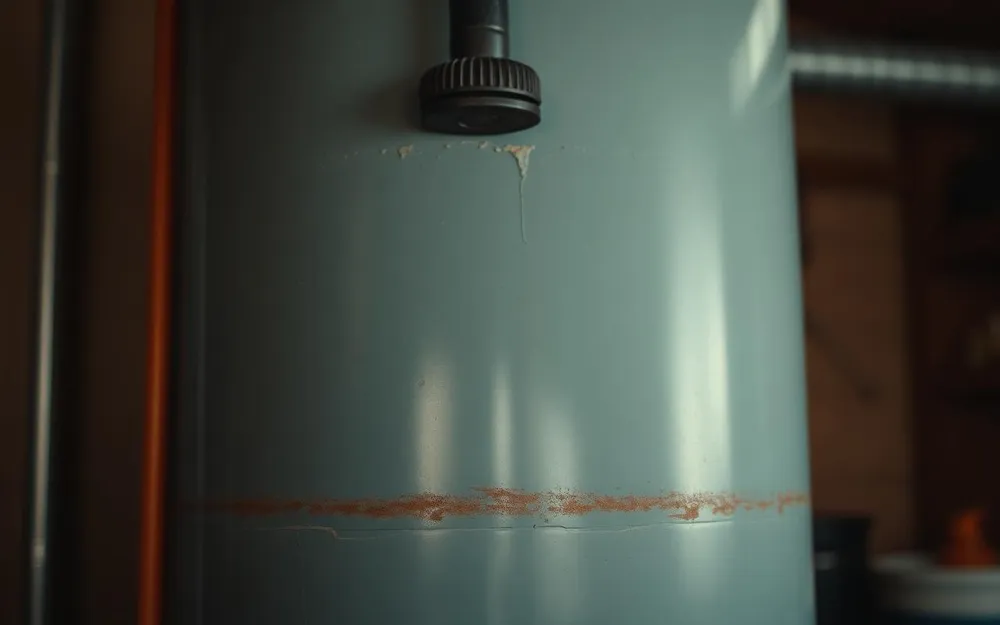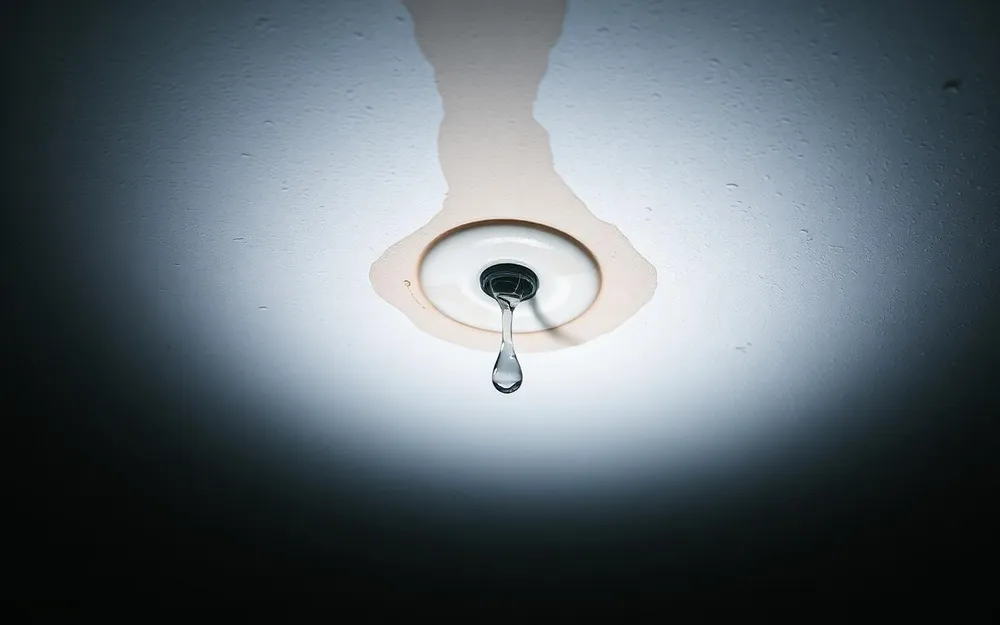

A leaking water heater can turn a normal rental day into a damage claim within hours. This landlord plumbing responsibility guide explains the practical line between a landlord’s duty to provide a safe, working home and a tenant’s duty to use plumbing properly and report problems quickly.
For most rental properties, the starting point is simple: landlords are generally responsible for plumbing systems that make a home habitable. That includes reliable water supply, working drains, functional toilets, and safe sewer connections. The details can vary by state, local housing code, and the lease, but a lease cannot usually remove a landlord’s basic obligation to keep essential plumbing in working order.
Landlord Plumbing Responsibility Guide: The Basic Rule
A landlord is usually responsible when a plumbing problem comes from normal wear, aging equipment, faulty installation, hidden pipe damage, or a system failure outside the tenant’s control. If a supply line bursts under a sink, the sewer line backs up, the water heater stops producing hot water, or a toilet fails because of a worn internal part, the landlord should arrange a repair.
This responsibility applies to more than obvious emergencies. A slow leak behind a wall, a dripping shutoff valve, low water pressure throughout the unit, or recurring drain backups can all point to a property-level plumbing issue. Waiting too long can lead to mold, damaged flooring, higher water bills, and a much more expensive repair.
Landlords should also keep in mind that habitability rules are not the same as convenience. A broken dishwasher may not carry the same legal urgency as a failed toilet or no hot water. Still, if the appliance is provided as part of the rental and the issue is plumbing-related, it should be addressed within a reasonable timeframe under the lease and local requirements.
Plumbing Repairs Landlords Usually Need to Handle
The landlord’s responsibility generally covers the pipes, fixtures, and equipment that serve the rental home. That includes the main water line, drain and sewer piping, water heaters, pressure regulators, shutoff valves, and permanently installed fixtures.
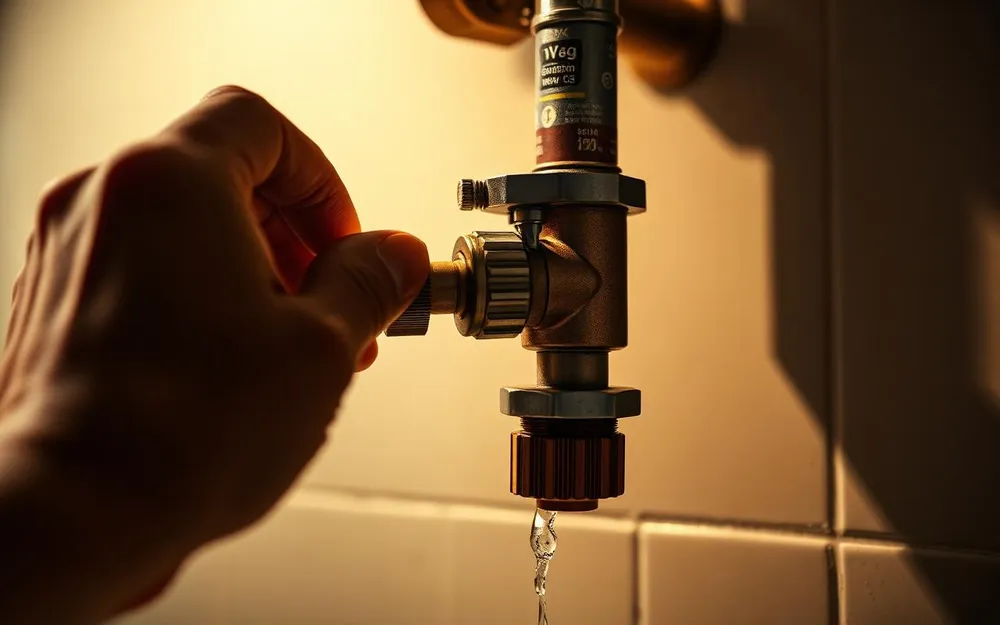
A landlord should normally arrange service for a toilet that will not flush due to a mechanical failure, a faucet leaking from worn parts, a shower valve that will not regulate temperature, or a sink draining slowly because of a blockage farther down the line. The same is true for slab leaks, hidden leaks, water heater failures, and sewer odors that suggest a venting or drain issue.
Common-area plumbing is also a landlord responsibility. In a multi-unit building, that may include shared sewer lines, laundry room connections, hose bibs, irrigation lines, and plumbing serving hallways or other common spaces. A tenant should not be expected to diagnose whether a backup started in their unit or in the building’s main line. The property owner or manager should have the issue evaluated by a qualified plumber.
Emergencies Require a Faster Response
Some plumbing calls cannot wait for normal business hours. Active water leaks, sewage backups, overflowing toilets, no water, and no hot water can quickly affect health, safety, or property conditions.
Landlords and property managers should give tenants clear instructions for reporting emergencies. A good policy identifies who to call, what information to provide, and when a tenant should shut off a local valve or the main water supply if it is safe to do so. Fast communication helps protect the tenant’s belongings and reduces damage to the building.
When a Tenant May Be Responsible
Tenants are generally responsible for everyday care and for damage caused by misuse, negligence, or an unreported problem that becomes worse. The key issue is not simply where the clog or leak occurred. It is what caused it.
For example, a tenant may be responsible for a clogged toilet caused by excessive paper products, wipes, paper towels, or other items that should never be flushed. A kitchen drain blockage caused by grease, food scraps, or objects forced into the disposal may also be chargeable to the tenant. Damage from a tenant removing a fixture, breaking a faucet handle, or attempting an improper repair can fall into the same category.
That said, landlords should avoid assuming that every clog is tenant-caused. Older pipes, root intrusion, scale buildup, poor drain slope, and prior plumbing work can cause repeated backups. A professional inspection may be the only fair way to determine whether the problem is misuse or a condition within the property’s plumbing system.
Tenants also have a responsibility to report issues promptly. A small cabinet leak may seem minor, but it can damage cabinets, walls, and flooring if ignored for weeks. Reporting early gives the landlord a chance to make a simple repair before it becomes a larger restoration project.
The Lease Matters, But It Has Limits
A clear lease helps prevent disputes, especially around drain care, emergency access, repair reporting, and responsibility for tenant-caused damage. It can require tenants to avoid flushing wipes, notify management promptly about leaks, and allow reasonable access for repairs.
However, lease language does not replace state and local housing requirements. In California, rental properties must meet habitability standards, and landlords cannot shift essential repair duties to tenants simply by adding a clause to the lease. Property owners should review their local requirements and use the lease to clarify expectations, not to avoid necessary maintenance.
For landlords with properties in Sylmar, Santa Clarita, Glendale, or nearby communities, response times can matter as much as the repair itself. A dependable local plumbing professional can document the condition, explain the likely cause, and help property managers make a fair decision when responsibility is unclear.
How to Handle a Plumbing Report Without Delays
When a tenant reports a plumbing issue, the goal is to stop damage, identify the cause, and keep a record of what happened. A consistent process protects both sides.
- Ask what is happening now: active leak, backup, loss of water, low pressure, odor, or fixture failure.
- Have the tenant send photos or a short video when safe to do so, especially for leaks, standing water, or visible damage.
- Determine whether the issue is an emergency and dispatch service quickly when water, sewage, or essential fixtures are involved.
- Keep written notes on the report, service findings, repairs completed, and any evidence of tenant-caused damage.
Documentation is not about creating conflict. It helps avoid confusion months later and supports a reasonable decision if there is a question about repair costs. It also helps identify patterns, such as repeated kitchen drain clogs in one unit or recurring sewer backups affecting multiple units.
Preventive Maintenance Protects the Property
The least expensive plumbing emergency is often the one caught before it starts. Landlords should schedule periodic checks for water heater condition, visible supply-line corrosion, leaking valves, slow drains, toilet performance, and signs of moisture under sinks.
Older rentals deserve extra attention. Galvanized pipes can corrode internally and reduce pressure. Aging water heaters can leak without much warning. Tree roots can invade sewer lines, especially in properties with mature landscaping. These are not problems tenants can solve with a plunger or a store-bought drain cleaner.
Avoid relying on chemical drain products as a maintenance plan. They may not clear the real obstruction and can damage certain pipes or fixtures when used repeatedly. For recurring clogs, a professional evaluation is usually the better answer.
Clear Communication Prevents Most Disputes
Tenants want to know that a plumbing report will be taken seriously. Landlords need tenants to report problems early and avoid making unauthorized repairs. Both goals are easier to meet when expectations are explained before a problem occurs.
A simple move-in conversation or written notice can cover where the water shutoff is located, what should not go down drains, how to report a leak, and what to do during an after-hours emergency. That small effort can prevent a clogged line, reduce water damage, and make a stressful situation easier for everyone.
When a plumbing problem appears, act on the facts rather than assumptions. Prompt professional diagnosis protects the rental, gives tenants confidence, and helps landlords make the right call on responsibility before a small issue becomes a costly one.