A hidden plumbing leak rarely announces itself with a burst pipe or a flooded room. More often, it starts with a faint stain under a cabinet, a water bill that suddenly climbs, or a musty smell that will not go away. Knowing how to spot hidden plumbing leaks early can help you avoid damaged drywall, warped flooring, mold growth, and a repair that becomes much larger than it needed to be.
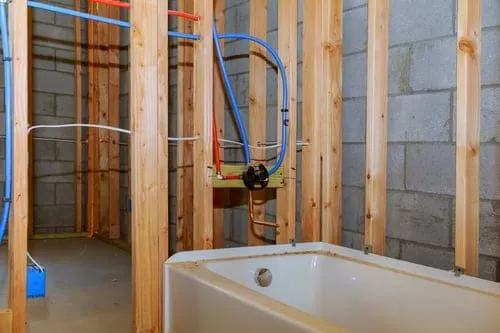
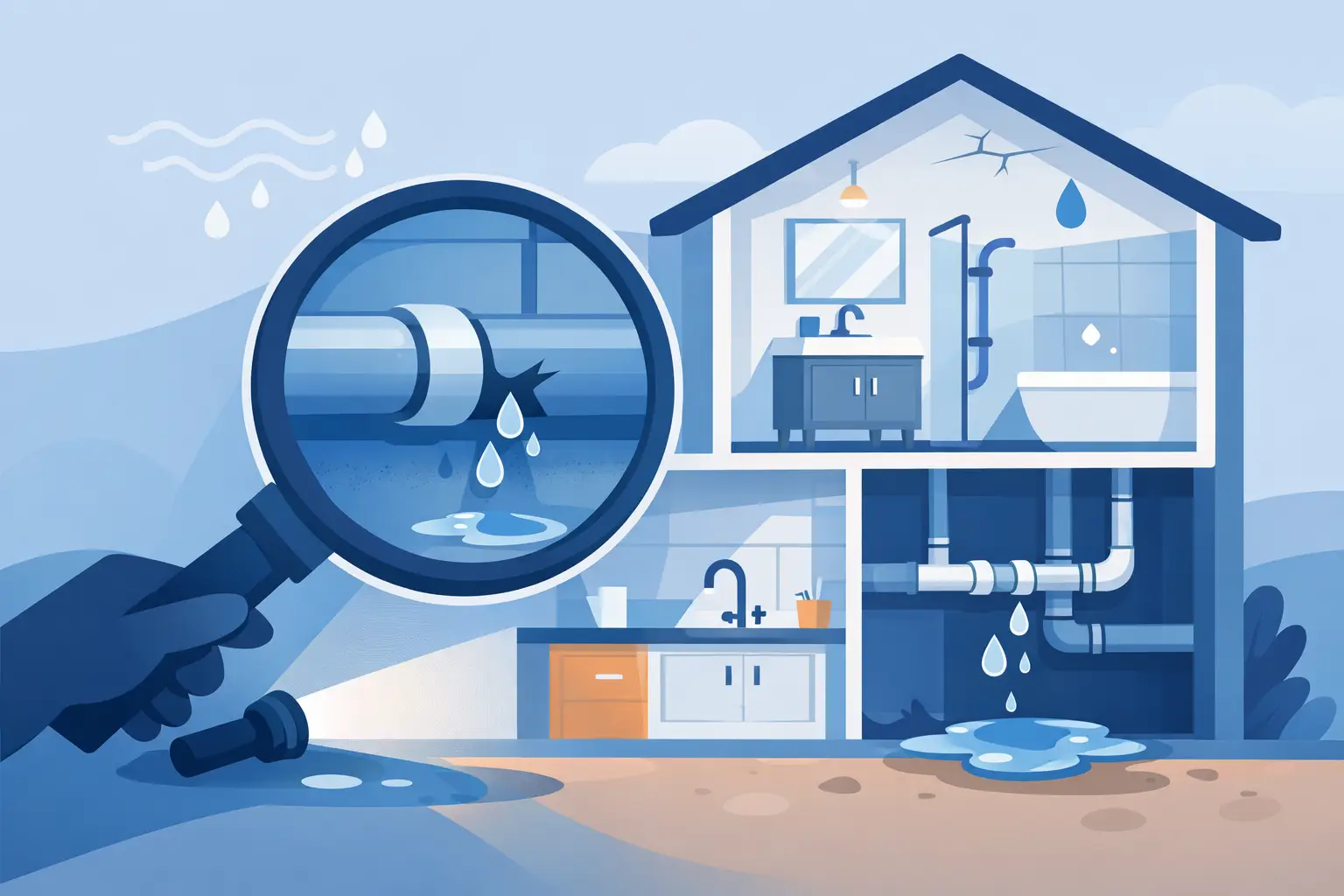
Most leaks happen out of sight - behind walls, beneath floors, under slabs, or inside ceilings. You do not need to tear into your home to look for them. You do need to pay attention to changes that do not have an obvious explanation.
Watch for Changes in Your Water Bill
An unexplained increase in your water bill is one of the clearest warning signs of a hidden leak. If your household routine has not changed but water use has, water may be escaping somewhere in the plumbing system.
A small leak can waste a surprising amount of water over a month. A toilet that runs intermittently, a leaking supply line, or a pipe dripping behind a wall may not seem urgent day to day, but the cost adds up. Compare the current bill with the same month last year when possible, since seasonal outdoor watering can affect usage.
If the bill is higher and you cannot explain why, do not assume it is a billing mistake. Check for common visible causes first, then consider a professional leak inspection.
Use Your Water Meter to Check for a Hidden Leak
Your water meter can help confirm whether water is moving through your plumbing when it should not be. Start by making sure no one is using water inside or outside the property. Turn off faucets, dishwashers, washing machines, ice makers, irrigation systems, and any appliance that uses water.
Look at the meter and note the reading. Many meters have a small leak indicator that moves when water is flowing. Wait 30 minutes to two hours without using water, then check again. If the reading has changed or the leak indicator is moving, you may have a leak.
This test tells you that water is being used, but it does not identify the location. A running toilet can cause the same result as a leak under a slab. If you are unsure, a plumber can isolate sections of the system and find the source without unnecessary damage to walls or floors.
Look for Stains, Soft Spots, and Peeling Paint
Water follows gravity, but it can also travel along pipes, framing, and insulation before it becomes visible. The stain you see may not be directly under the leak. That is why even a small discoloration deserves attention.
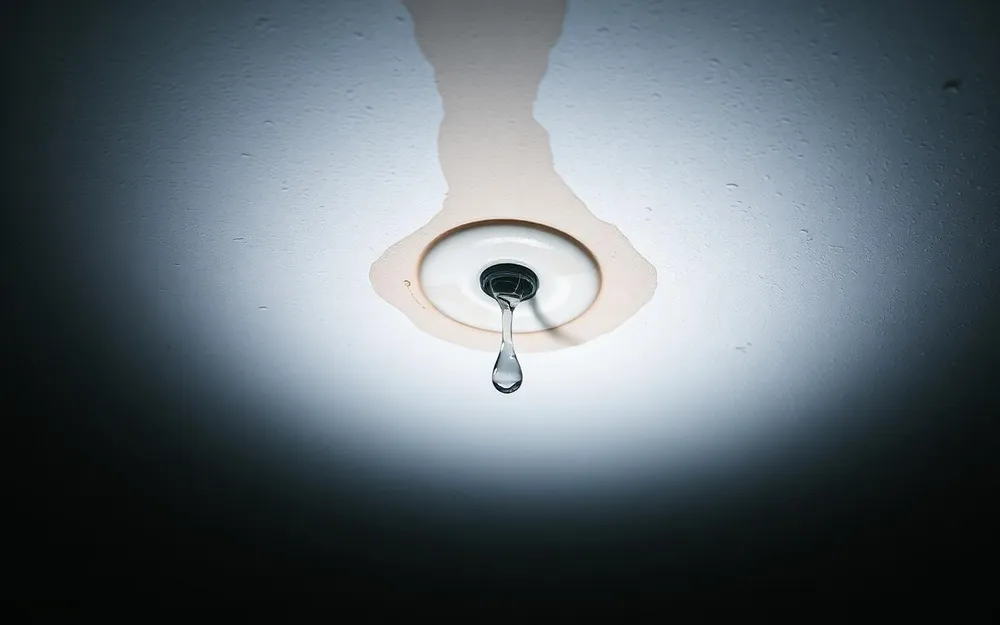
Check ceilings below bathrooms, kitchens, laundry rooms, and upstairs plumbing fixtures. Look along baseboards, around tubs and showers, beneath sinks, and near water heaters. Yellow, brown, or gray stains can point to an ongoing moisture problem. Bubbling paint, peeling wallpaper, swollen trim, or drywall that feels soft are also signs that water may be present behind the surface.
Flooring can provide clues as well. Wood floors may cup or buckle. Vinyl and laminate may lift at seams. Tile floors may feel loose, and grout cracks can worsen when the subfloor below stays damp. These issues are not always caused by a plumbing leak, but they should be checked before replacing finishes.
Pay Attention to Musty Odors and Humidity
A clean home should not smell damp. If one bathroom, closet, hallway, or cabinet area has a persistent musty odor, moisture may be trapped where air cannot circulate. This is common with slow leaks behind walls, under sinks, and around shower plumbing.
You may also notice that a room feels unusually humid or that mirrors and windows fog more than normal. Bathrooms naturally hold moisture after showers, but the room should dry out with ventilation. If it stays damp long after use, inspect for dripping fixtures, failing caulk, leaking toilet connections, or plumbing problems hidden behind the wall.
Do not cover the smell with air freshener and move on. Persistent moisture can support mold growth and damage building materials over time.
Check Cabinets, Appliances, and Fixtures
Some of the most common leaks are easy to miss because they happen in places homeowners do not inspect often. Open the cabinets under kitchen and bathroom sinks and feel around the supply valves, drain connections, and the bottom of the cabinet. Look for water marks, warped wood, corrosion, or a damp smell.
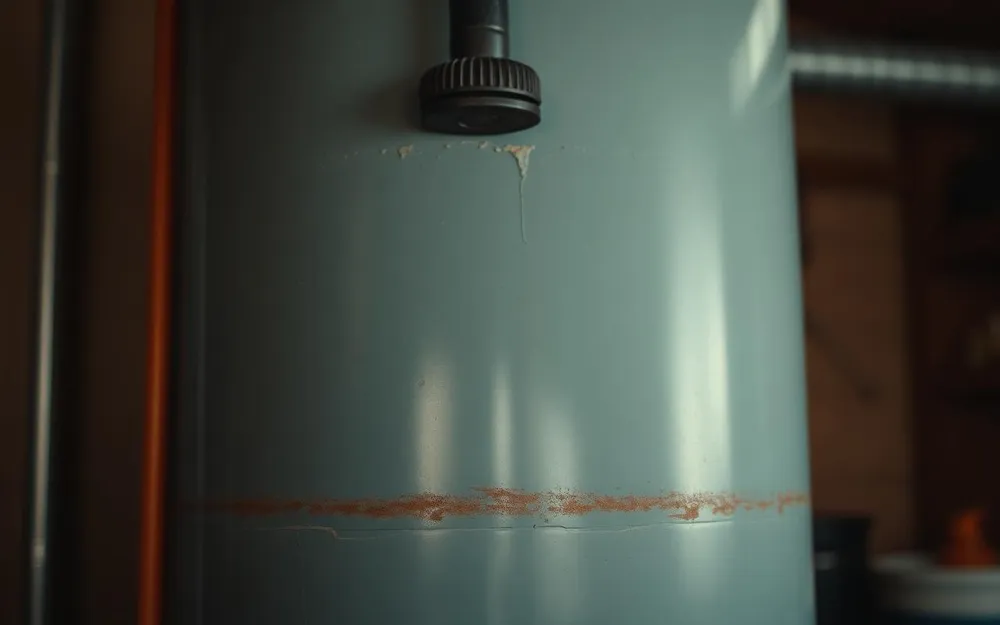
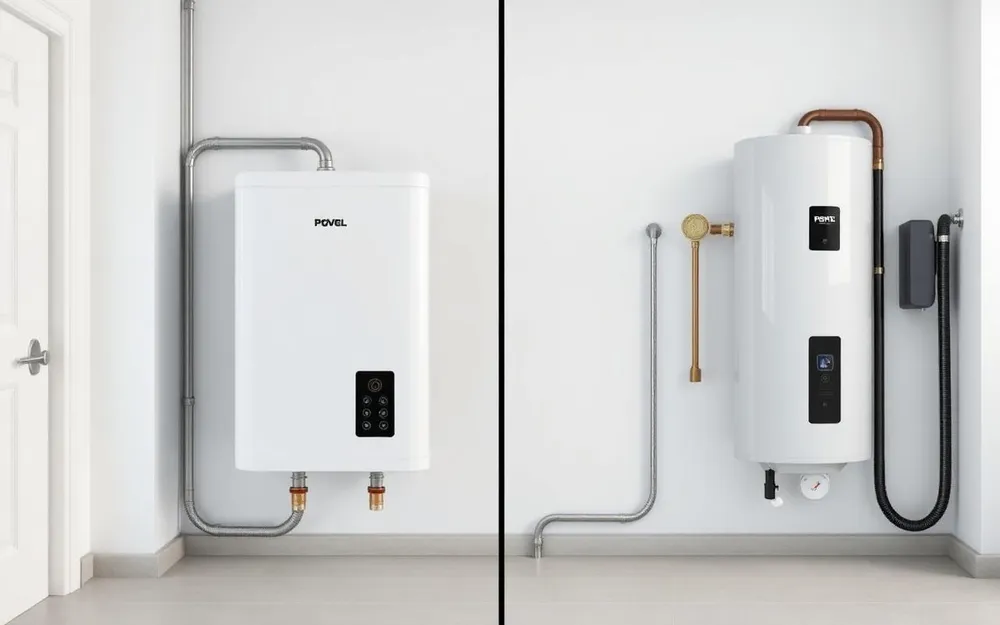
Check behind the washing machine, refrigerator water line, dishwasher, and water heater if those areas are accessible. A loose connection or aging hose can leak slowly for weeks before it is noticed. Water heaters deserve special attention because corrosion, a failing pressure relief valve, or a leaking drain valve can create damage in a utility room or garage.
Also inspect toilets closely. Water on the floor around the base may mean the wax ring has failed, while water inside the bowl that moves or refills without flushing can indicate a running toilet. Add a few drops of food coloring to the toilet tank and wait about 15 minutes without flushing. If color appears in the bowl, the flapper may be leaking.
Listen for Water When Nothing Is Running
Your plumbing should be quiet when nobody is using it. A faint hissing, dripping, ticking, or rushing sound behind a wall can be a useful clue, especially at night when the house is quiet.
Listen near bathrooms, kitchens, laundry areas, and water heaters. Keep in mind that pipes can make normal expansion noises when hot water runs, so not every sound means a leak. The concern is a repeated sound when all fixtures and appliances are off.
If you hear water but cannot find a visible source, it is time to bring in a professional. Cutting exploratory holes into walls can create extra repair work and still miss the actual problem.
Know When the Leak May Be Outside or Under the Slab
Not every hidden plumbing leak leaves a stain indoors. A leaking underground water line may cause a wet or unusually green patch in the yard, pooling water near the foundation, or soil that stays soft during dry weather. You may also see water coming up through cracks in a driveway or walkway.
Slab leaks can be harder to identify. Possible signs include warm spots on a floor, damp carpet, cracked flooring, a sound of running water, or a water meter that continues to move when all water use has stopped. In some homes, a slab leak can also reduce water pressure or cause moldy odors along floor edges.
These situations call for prompt professional diagnosis. Specialized leak detection methods can locate many hidden leaks with far less disruption than guessing and removing large sections of flooring.
What to Do When You Find a Possible Leak
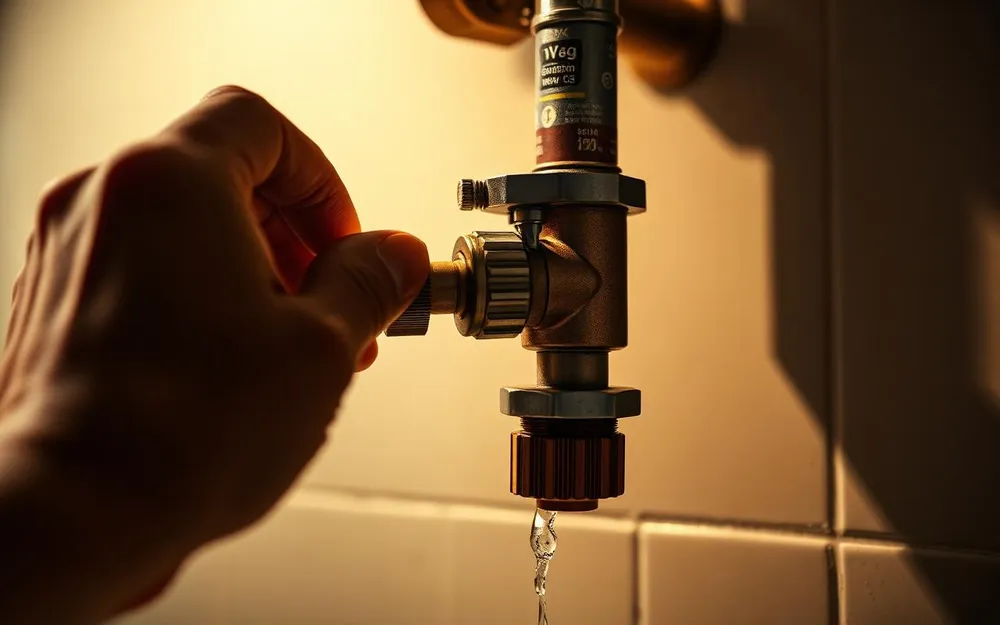
First, protect the property. If water is actively spreading, shut off the nearest fixture valve if you can identify it. For a larger or unknown leak, turn off the main water supply to the building. Move stored items, rugs, and furniture away from wet areas, and dry visible water as soon as possible.
Avoid using the affected fixture until it has been inspected. A slow drain leak may seem manageable, but continued use can soak cabinets, walls, or floors. If water is near electrical outlets, appliances, or a breaker panel, stay clear of the area and call for help right away.
Photos of stains, puddles, or meter readings can also help document the problem for a landlord, property manager, insurance carrier, or plumbing technician.
When to Call a Plumber
A visible drip under a sink may be a straightforward repair. But call a plumber promptly when you have a moving water meter, recurring stains, unexplained high water bills, musty odors, reduced water pressure, or water appearing on a ceiling or floor without a clear cause.
The right repair depends on the source. A leaking fixture connection may need a new seal or supply line. A damaged pipe behind a wall may require a targeted opening and pipe repair. Older homes sometimes have corroded piping that makes a larger replacement the more dependable choice. A professional should explain the condition clearly and recommend the repair that fits the actual problem, not just the quickest temporary fix.
Hidden leaks do not get better with time. If something in your home looks, smells, sounds, or bills differently than it should, trust that signal and have it checked. The Best Quality Plumbing can help locate the issue, explain what is happening, and get your plumbing back to normal with clean, dependable work.