A burst supply line can soak a cabinet, wall, or floor in minutes. Knowing how to shut off water before an emergency happens gives you time to protect your property, stop the damage from spreading, and arrange the right repair without panic.
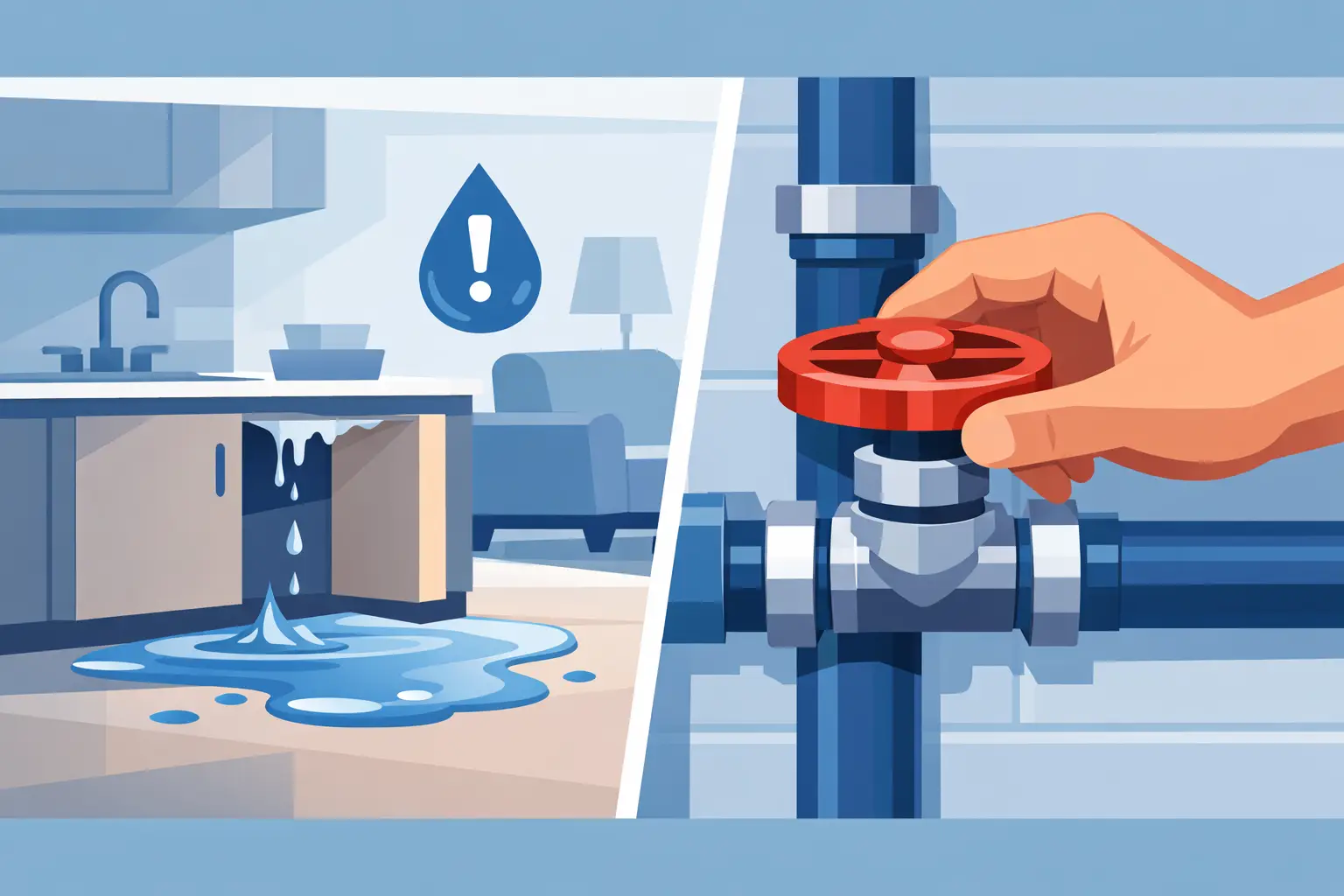
The correct valve depends on where the problem is. A leaking toilet needs a different response than a broken pipe in a wall. Start by shutting off the smallest area possible. If you cannot stop the leak at that fixture, move quickly to the home’s main water shutoff valve.
Shut Off Water at the Fixture First
Most plumbing fixtures have a local shutoff valve nearby. Turning off that valve leaves water available everywhere else in the home, which is usually the most practical option for a single leaking appliance or fixture.
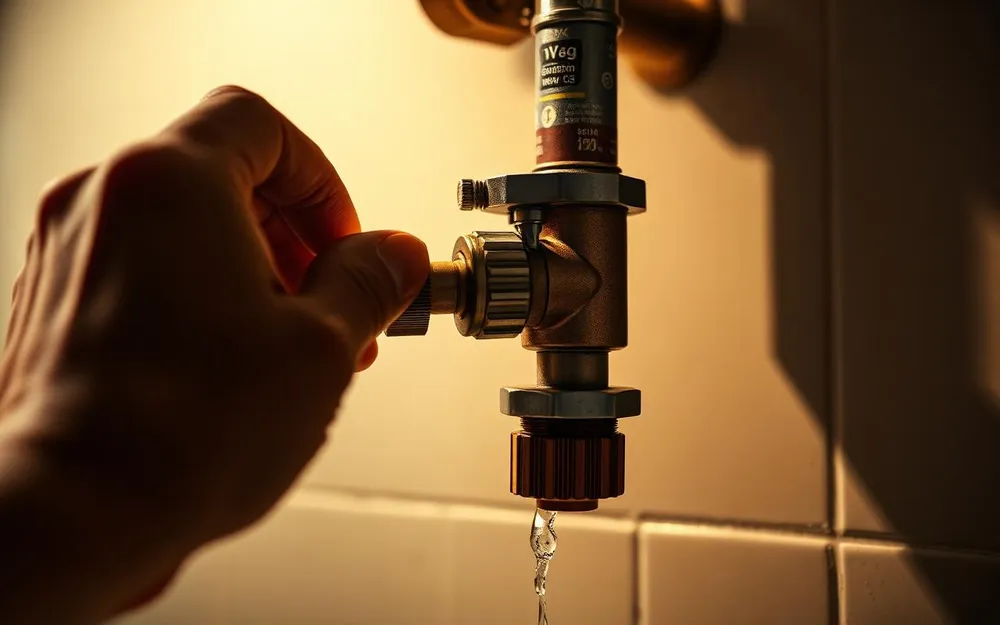
For a toilet, look behind the bowl near the floor or wall. A small oval, round, or lever-style valve connects the wall supply pipe to the flexible line feeding the tank. Turn a round handle clockwise until it stops. For a lever handle, turn it perpendicular to the pipe.
Sink shutoff valves are normally inside the cabinet below the sink. You should see one valve for hot water and one for cold water. If a faucet is leaking, shutting off both valves is often the safest move until the repair is complete. For a leaking dishwasher, look under the kitchen sink for the hot-water supply valve. A refrigerator ice maker may have a small valve behind the refrigerator, below the sink, or in a nearby cabinet.
Do not force a valve that is corroded, stuck, or dripping heavily around the stem. Older shutoff valves can fail when they have not been used for years. If turning the valve makes the leak worse, shut off the main water supply and call a plumber.
After You Close a Fixture Valve
Open the affected faucet or flush the toilet once to relieve pressure and confirm that water has stopped flowing. A little remaining water in the line is normal. Put a bucket or towels under the leak, then avoid using the fixture until it has been repaired.
If water is coming from a faucet spout, closing the local valves should stop it. If water is coming from the wall, floor, ceiling, or a damaged pipe where there is no nearby shutoff, go directly to the main valve.
How to Shut Off Water at the Main Valve
The main shutoff controls water entering the building. Closing it stops water to most or all plumbing fixtures, making it the right choice for a burst pipe, major leak, overflowing fixture that will not stop, or unexplained water coming through a ceiling.
In many Southern California homes, the main shutoff is located near the water meter, along an exterior wall, in a garage, basement, utility room, or crawlspace. It may be a wheel-shaped gate valve or a lever-style ball valve. A ball valve is off when the handle sits perpendicular to the pipe. A wheel valve is typically closed by turning it clockwise.
Before an emergency, take a few minutes to find this valve and make sure every adult in the household knows where it is. Do not wait until water is running across the floor to start searching through the garage or side yard.
There can be two valves near the meter: one on the utility-company side and one on the customer side. Use the customer-side shutoff valve whenever possible. The valve in the meter box may be restricted to utility personnel, and using it improperly can damage equipment or create an unnecessary service issue.
Once the main valve is closed, turn on a cold-water faucet at the lowest practical point in the home, such as a first-floor sink or outdoor spigot. This helps relieve pressure and drain some water from the lines. Then open a higher faucet briefly to allow air into the system if you need to drain it further.
What to Do When the Leak Is an Emergency
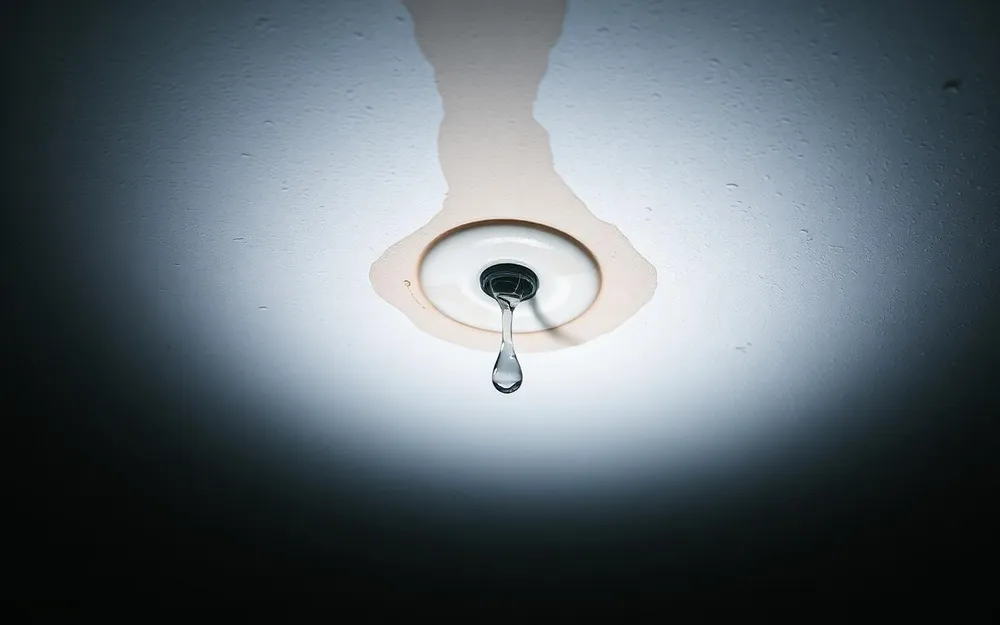
A small drip under a sink may allow time to schedule a repair. A steady spray, a cracked pipe, water near electrical equipment, or water coming through a ceiling requires immediate action. Protect people first, then limit property damage.
If there is active flooding, follow this order:
- Shut off the local valve or main water supply.
- Stay clear of standing water near outlets, appliances, or electrical panels.
- Move valuables, electronics, and furniture away from the affected area if it is safe.
- Use towels, buckets, or a wet vacuum only after the water source is controlled.
- Call a qualified plumber to identify and repair the cause of the leak.
Never enter a flooded area if you suspect electrical danger. If water has reached electrical equipment, turn off power only if you can do so from a dry, safe location. Otherwise, contact an electrician or emergency service provider before approaching the area.
Shutting Off Water to a Water Heater
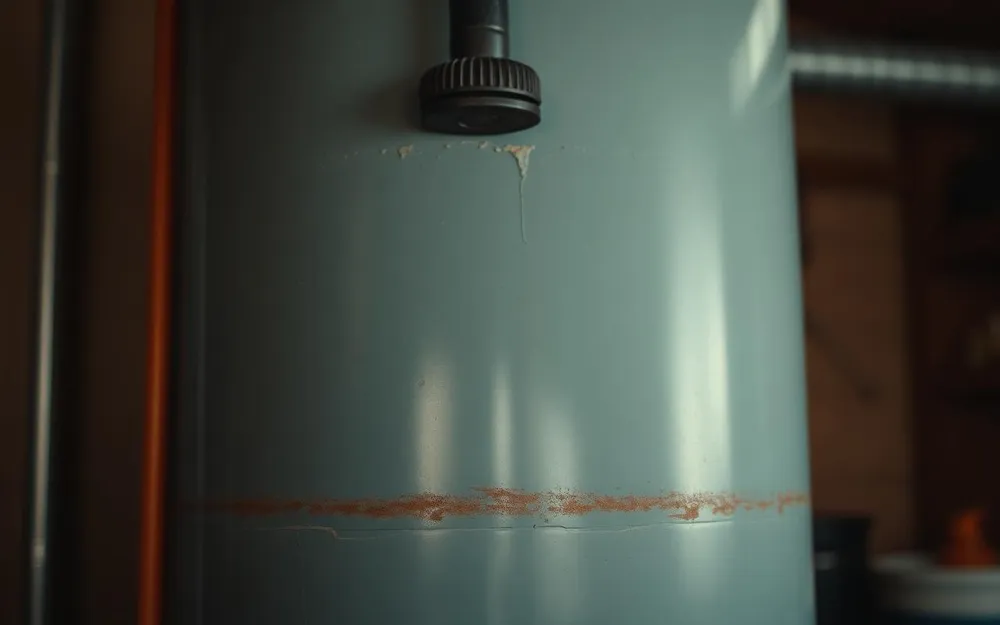
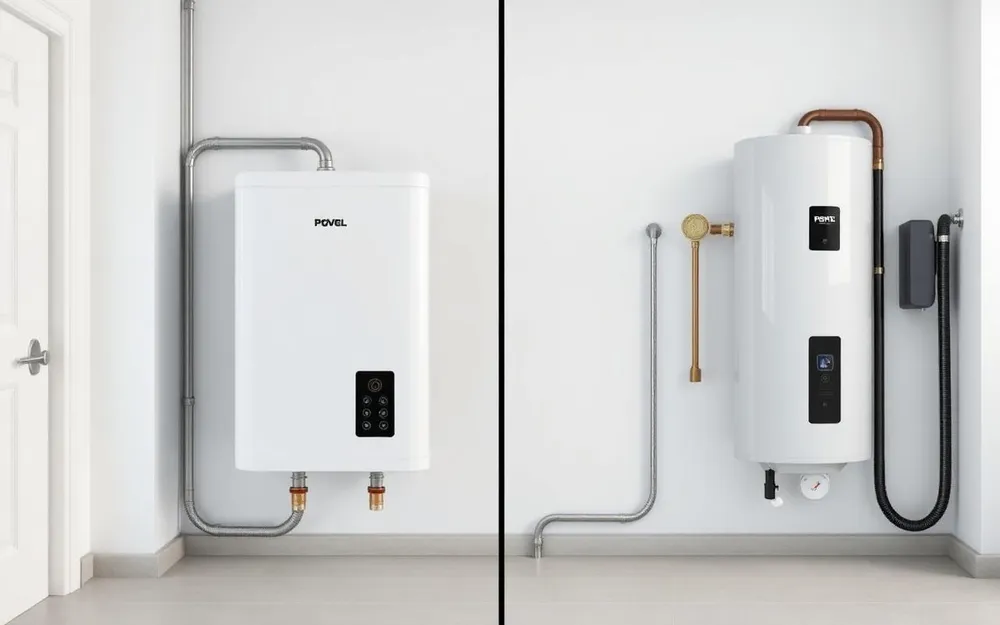
A leaking water heater needs careful handling. The cold-water supply valve is usually located on the pipe entering the top of the tank. Closing that valve can stop additional water from filling the heater, but it will not immediately empty a full tank or stop a leak from every part of the unit.
For an electric water heater, turn off power at the breaker before taking further steps. Running an electric unit without adequate water can damage the heating elements. For a gas water heater, do not adjust gas controls if you smell gas or are unsure of the proper procedure. Leave the area and contact the gas utility or an appropriate professional.
Do not open the temperature-pressure relief valve just to see what happens. That valve is a safety device, and it can release very hot water under pressure. A plumber can determine whether the problem is a supply connection, drain valve, relief valve, corroded tank, or another component.
Common Problems That Make Shutoff Valves Hard to Use
A valve may not fully close because mineral buildup, corrosion, or a worn internal washer prevents it from seating properly. This is common with older multi-turn valves. You may turn the handle clockwise and still see water flowing from the faucet or leak point.
In that situation, do not keep cranking down on the handle. Excess force can break the valve stem or pipe connection. Shut off the main supply instead. If the main valve also will not close, contact a plumbing professional promptly and avoid using water until the issue is under control.
Some homes also have pressure-reducing valves, water filtration systems, irrigation valves, and separate shutoffs for accessory dwelling units or commercial spaces. These setups can change what remains pressurized after you close a valve. If you manage a rental property or small commercial building, label the shutoffs clearly and keep a simple map of their locations for tenants and staff.
Turn Water Back On Slowly
After a repair, reopen the valve gradually. For a lever-style ball valve, move the handle slowly toward the open position. For a wheel valve, turn counterclockwise a little at a time. Opening a valve too quickly can create a pressure surge that stresses older pipes, fittings, and appliance hoses.
Check the repaired area closely for drips while the water is restored. Then run the nearby faucet for a minute to clear trapped air. If you hear banging pipes, see a new leak, notice discolored water that does not clear, or cannot get the valve to operate normally, stop and arrange professional service.
A working shutoff valve is one of the simplest protections your property has. Find yours now, keep the area accessible, and use it early when a leak starts. Fast action can turn a major water-damage event into a straightforward plumbing repair.