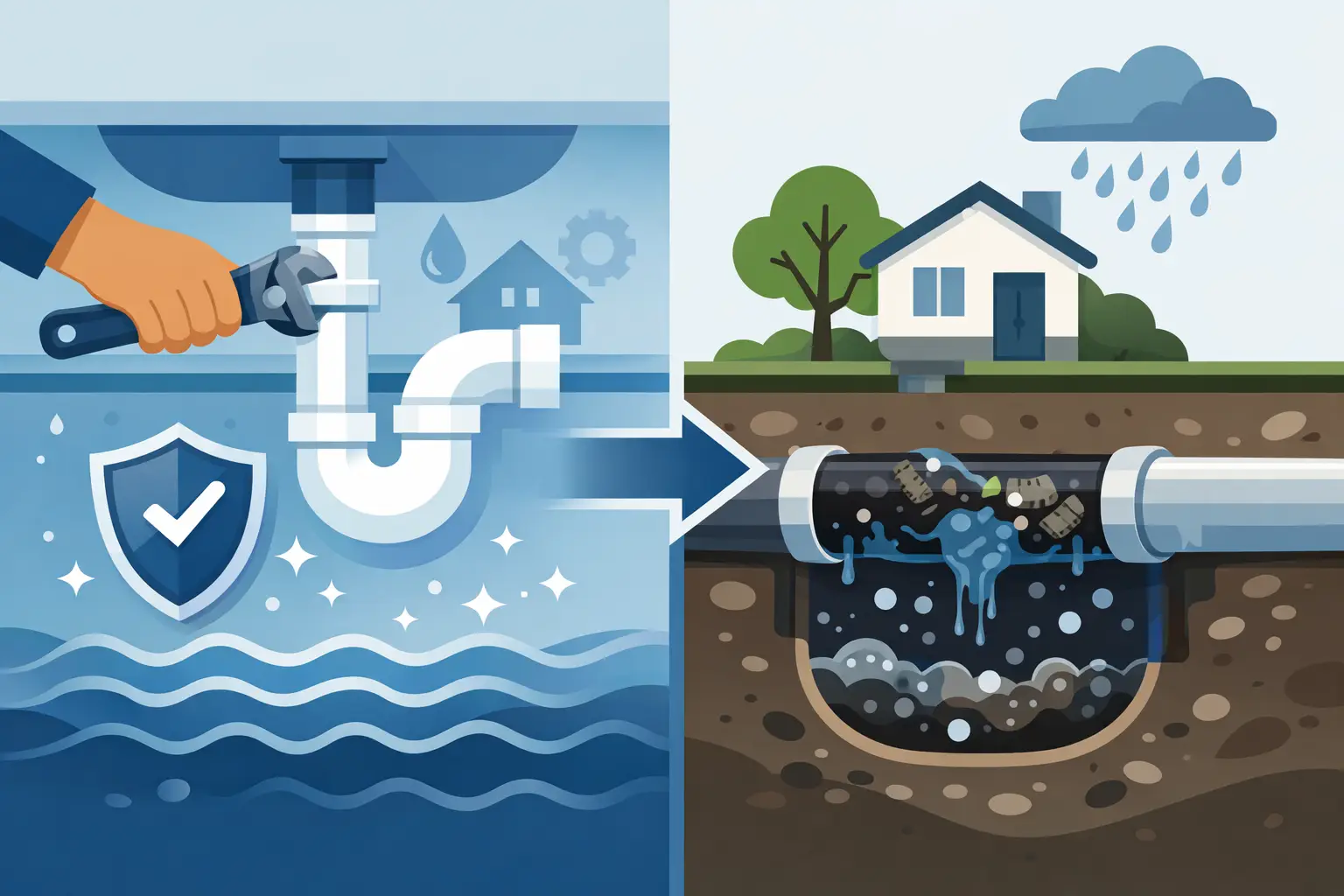
A drain backup rarely starts as a full-blown emergency. It often begins with a sink that drains a little slower, a toilet that gurgles after flushing, or a smell coming from a shower drain. Knowing how to prevent drain backups means responding to those early signs before wastewater has a chance to come back into your home or business.
Backups are inconvenient, unsanitary, and capable of causing expensive floor, wall, and fixture damage. The good news is that many are preventable with practical daily habits and professional attention when a drain problem points to something deeper.
Keep the Wrong Materials Out of Drains
The most reliable way to prevent a clog is simple: do not send materials into a drain that the plumbing system was not designed to handle. Kitchen, bathroom, and toilet drains all have different common troublemakers.
In the kitchen, grease is one of the biggest causes of drain backups. It may look liquid when it goes into the sink, but it cools as it travels through the pipe. Then it sticks to pipe walls and catches food particles, eventually narrowing the line until water cannot pass through. Put cooled cooking grease in a disposable container and throw it away instead. Wipe greasy pans with a paper towel before washing them.
Use a sink strainer to catch food scraps, coffee grounds, eggshells, and fibrous produce scraps. Even if you have a garbage disposal, avoid treating it like a trash can. Disposals can handle small amounts of soft food waste, but they do not make grease, large scraps, pasta, rice, or stringy vegetables safe for the drain. These materials can swell, wrap around disposal components, or settle farther down the pipe.
In bathrooms, hair, soap residue, toothpaste buildup, and small items are the usual problem. A simple hair catcher in a tub or shower drain can prevent a surprising amount of buildup. Clean it regularly rather than waiting until water pools around your feet.
Toilets should receive only human waste and toilet paper. “Flushable” wipes, paper towels, cotton products, dental floss, facial tissues, and hygiene products do not break down the same way toilet paper does. They can snag inside bends, collect other debris, and create a stubborn blockage. This is especially important in rental properties and small commercial restrooms, where one misuse can affect several people.
Use Drains Properly, Not Aggressively
A slow drain can make people reach for a harsh chemical cleaner. That choice can create another problem. Chemical drain cleaners may provide temporary relief for a light blockage, but repeated use can damage older pipes, weaken seals, and leave behind a clog that still needs professional removal. They also create a safety hazard for anyone who later works on the line.
For minor buildup near a sink or tub drain, remove and clean the stopper, clear visible hair or debris, and flush the drain with hot water. Use hot tap water, not boiling water, especially if you have PVC piping. Boiling water can stress some plastic pipes and fittings.
A plunger can be helpful for a simple toilet or sink stoppage when used correctly. However, do not keep forcing a plunger if water is rising, multiple fixtures are affected, or the blockage quickly returns. Excess pressure will not solve a damaged pipe, root intrusion, or a main sewer line problem.
Watch for Early Signs of a Developing Backup
Drain backups often give clear warning before they become urgent. A single slow sink may be a local issue, but trouble in multiple fixtures usually deserves faster attention. For example, if the toilet bubbles when the washing machine drains, or water rises in a shower when a nearby toilet is flushed, the blockage may be farther down the system.
Pay attention to these signs:
- Water draining slowly from more than one sink, tub, or shower
- Gurgling sounds from toilets or drains
- Sewage odors indoors or near outdoor drain openings
- Water backing up into a tub, shower, or floor drain
- Frequent clogs that return shortly after being cleared
These symptoms can point to a blockage in a branch line, a main sewer line, or a venting issue. The cause matters. Clearing a local clog will not fix roots growing into a sewer pipe, a collapsed line, or heavy buildup farther underground.
Maintain Kitchen, Bathroom, and Laundry Drains
Regular maintenance does not need to be complicated. Once a week, run hot tap water through kitchen and bathroom sinks for a minute or two after cleaning out any strainers. This helps move ordinary soap and residue through the line before it has time to collect.
In the kitchen, clean the garbage disposal if you have one, but do not overload it. Run cold water while the disposal operates, then let the water run for several seconds after it stops. Cold water helps keep grease more solid so it can move through rather than coating the disposal and pipe.
Laundry drains need attention too. Lint can enter the standpipe and contribute to clogs over time. Clean the washing machine lint trap if your unit has one, and avoid washing unusually muddy items without shaking or rinsing them outside first. Properties with older plumbing or frequent laundry use may benefit from periodic drain cleaning.
Protect the Main Sewer Line Outside
Indoor habits are only part of how to prevent drain backups. Your main sewer line carries wastewater from the building to the public sewer or septic system. If that line is blocked, wastewater can back up through the lowest drains in the property, often a shower, tub, floor drain, or ground-level toilet.
Tree roots are a common concern for older homes in the Sylmar and San Fernando Valley area, where mature landscaping and aging sewer pipes can create a difficult combination. Roots naturally seek moisture and can enter small cracks or loose pipe joints. Once inside, they grow and catch paper, grease, and other debris.
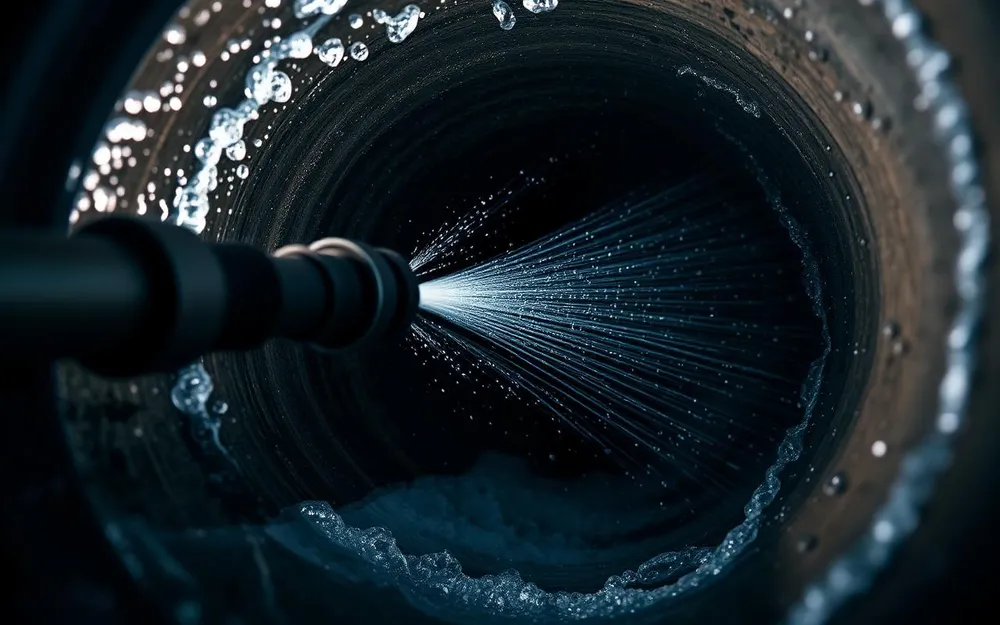
A professional sewer camera inspection can show whether roots, pipe damage, sagging sections, or buildup are causing recurring problems. This is more useful than guessing, particularly when clogs keep coming back. Depending on the condition of the line, the right solution may be cleaning, root removal, repair, or replacement. There is no one-size-fits-all fix, and a proper diagnosis prevents spending money on repeated temporary clearing.
Keep outdoor cleanouts accessible as well. Do not cover them with permanent landscaping, heavy storage, or concrete. If a plumbing professional needs to inspect or clear the sewer line during an emergency, quick access can reduce the time and disruption involved.
Consider a Backwater Valve Where It Makes Sense
Some properties are at higher risk of sewer backup during heavy rain or a municipal sewer surcharge. A backwater valve is designed to allow wastewater to leave the property while helping prevent it from flowing back in from the public sewer system.
This device is not necessary for every home, and it is not a substitute for maintaining your own sewer line. It may be worth discussing with a licensed plumber if your property has experienced sewer-related flooding, sits in a low-lying area, or has a finished lower level with plumbing fixtures. The valve also needs occasional inspection and cleaning to operate correctly when it is needed.
Know When to Call a Plumber
Call for professional help promptly if sewage is coming up through a drain, several fixtures are backing up at once, a clog returns repeatedly, or you see water around a cleanout or near a sewer line. Stop using water fixtures until the issue is assessed. Running the dishwasher, washing machine, showers, or additional toilet flushes can make a backup worse.
A qualified plumber can determine whether the problem is a simple fixture clog or a main line issue, then use the appropriate equipment to clear and inspect the drain. That distinction protects your plumbing system and helps avoid unnecessary repairs.
A few careful habits can keep drains moving for years, but do not ignore the first signs of trouble. When drainage changes, addressing it early is usually cleaner, less stressful, and far less costly than waiting for wastewater to find its way back inside.