A plumbing emergency rarely starts as an emergency. It often begins with a toilet that runs for a few extra minutes, a slow kitchen drain, a faint stain below a bathroom cabinet, or a water bill that climbs for no clear reason. Knowing how to maintain home plumbing helps you catch those small warnings before they become water damage, disrupted routines, or an urgent repair call.
Most plumbing maintenance is straightforward: pay attention, use fixtures properly, and address changes early. The goal is not to turn homeowners or property managers into plumbers. It is to keep the system under less stress and know when a professional needs to take over.
How to Maintain Home Plumbing Month by Month
A simple monthly walkthrough can prevent many common problems. Start under sinks, around toilets, behind the washing machine if accessible, and near the water heater. Look for moisture, corrosion, warped cabinet bottoms, loose connections, or a musty odor. A small leak may not create a puddle right away, but it can still damage flooring, cabinets, drywall, and framing over time.
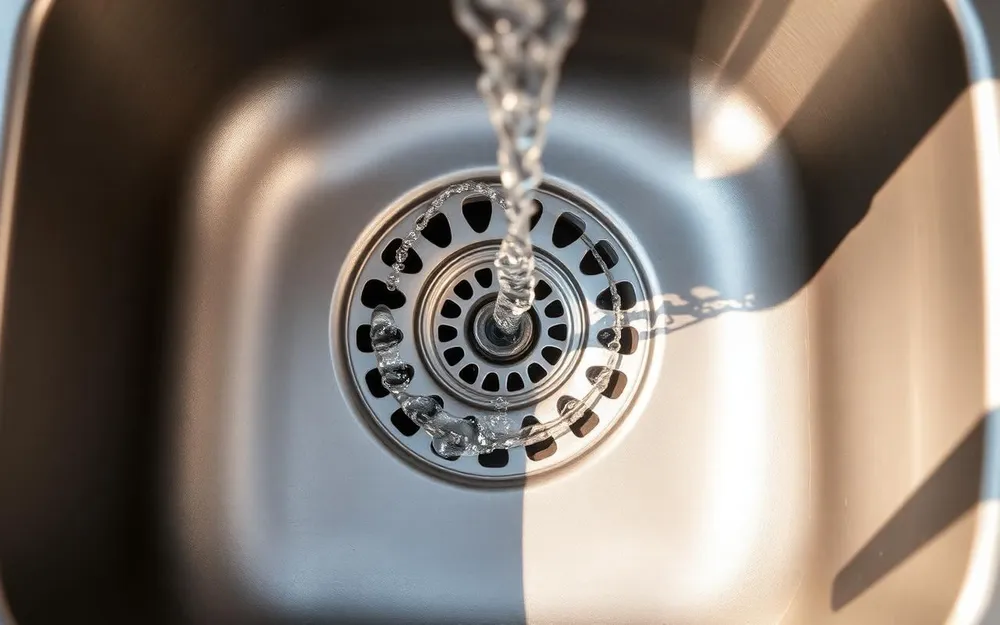
Run water at every sink and shower, then watch how quickly it drains. Slow drainage is often an early sign of buildup in the line. Address it before the drain stops completely. For minor soap or grease buildup, a careful cleaning may help. If several fixtures drain slowly at once, however, the issue may be farther down the drain system and needs professional diagnosis.
Listen, too. Gurgling drains, banging pipes, whistling fixtures, and a toilet that refills on its own are not normal background noise. They are useful clues that a valve, fill assembly, drain line, or water-pressure issue may be developing.
Protect Drains From Everyday Clogs
The easiest plumbing repair is the one you prevent from entering the pipe. Kitchen drains are designed for wastewater, not for cooking grease, coffee grounds, fibrous food scraps, or large amounts of food waste. Grease can look harmless when it is hot, but it cools and sticks inside pipes, collecting more debris over time.
In bathrooms, use drain screens to catch hair before it reaches the trap and drain line. Remove the collected hair regularly instead of pushing it down the drain. Keep wipes, cotton swabs, dental floss, hygiene products, paper towels, and other non-flushable items out of toilets. Even products labeled flushable can create blockages in household drain lines.
Be cautious with chemical drain cleaners. They may provide a short-term opening in a minor clog, but repeated use can damage certain pipes, seals, and fixtures. They are also hazardous to handle and can make a later repair more difficult. A plunger, a drain snake used correctly, or a professional drain cleaning is usually the safer long-term choice.
Use the right plunger
A flat-cup plunger works best for sinks and tubs. A flange plunger is made for toilets. Keep one of each in the home, and use steady pressure rather than aggressive forcing. If a toilet backs up repeatedly or a plunger does not clear it, stop flushing. Continued flushing can turn a simple clog into an overflowing bathroom.
Find Leaks Before They Cause Damage
Not every leak is obvious. A running toilet can waste a surprising amount of water without leaving any visible water on the floor. Put a few drops of food coloring in the toilet tank, wait about 15 minutes without flushing, and check the bowl. If color appears in the bowl, the flapper or another tank component may be leaking.
Check faucets for drips and showerheads for water that continues to run after the handle is off. These repairs are often manageable when handled early, but a worn cartridge, valve, or seat can get worse quickly. If a fixture handle is difficult to turn, do not force it. Forcing a failing valve can cause it to break and leave you without a reliable shutoff.
Your water meter can also help identify a hidden leak. Turn off all water-using appliances and fixtures, then check whether the meter continues to register use. If it does, you may have a leak in a fixture, supply line, irrigation connection, or underground pipe. A sudden unexplained increase in the water bill deserves attention, even when no water is visible.
Know Your Shutoff Valves
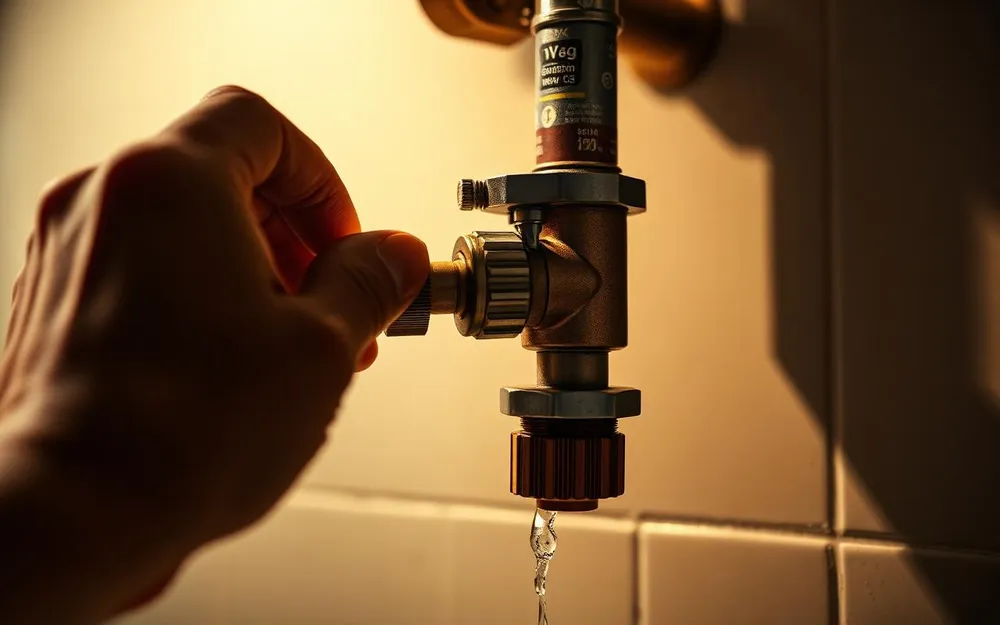
Every responsible occupant should know where the main water shutoff valve is located and how it works. In many homes, it is near the water meter, along an exterior wall, in a garage, or where the main supply enters the house. Individual shutoff valves should also be present below sinks, behind toilets, and near appliances such as washing machines.
Test accessible valves carefully once or twice a year. A valve that has not moved in years can seize when you need it most. If a valve is corroded, leaking, or hard to operate, have it replaced before an emergency. In a burst supply-line situation, being able to stop the water quickly can limit damage significantly.
If you rent, ask the property owner or manager where the main shutoff is located. Landlords and property managers should make this information easy for tenants and maintenance staff to find.
Give the Water Heater Basic Attention
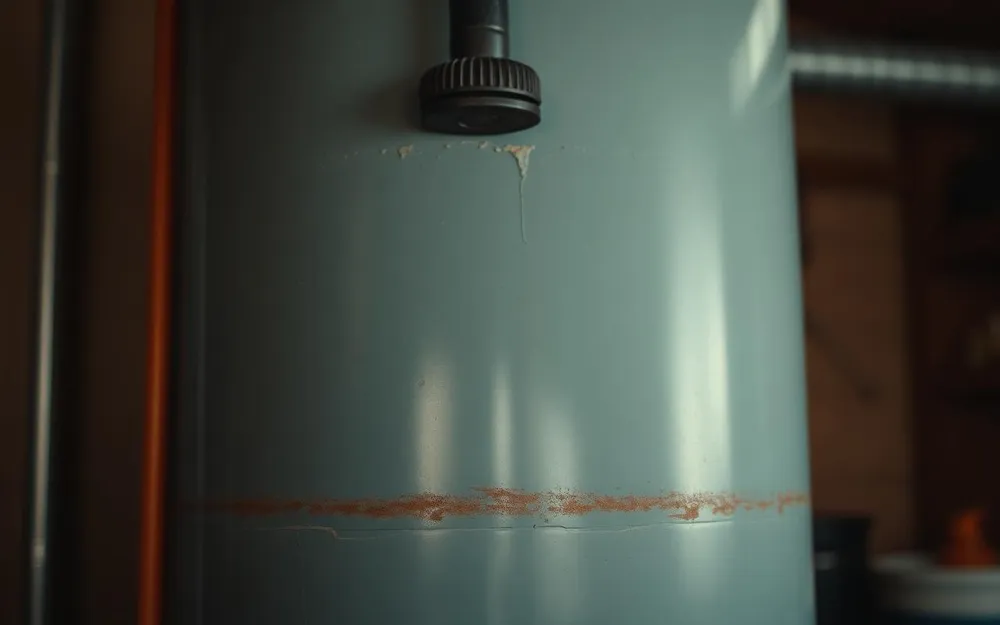
Your water heater works every day, so it should not be ignored until it fails. Check the area around the unit for moisture, rust, corrosion, or signs of leaking at fittings and valves. Make sure stored items are not packed tightly against the heater and that the area remains accessible for service.
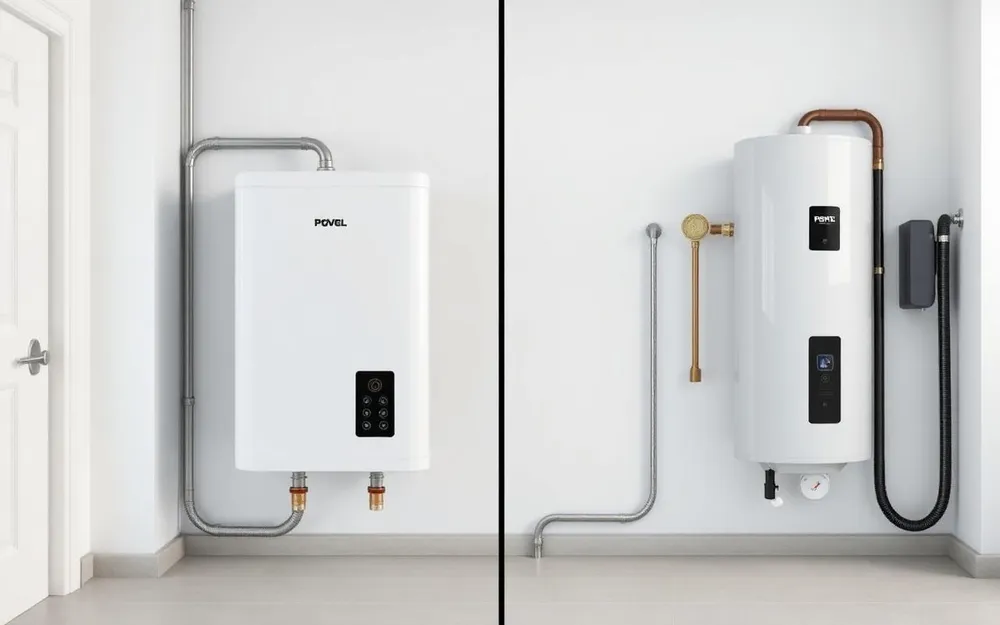
For tank-style units, sediment can build up over time, particularly in areas with hard water. This can reduce efficiency, create popping or rumbling sounds, and shorten the unit's service life. Flushing a water heater may help, but the right approach depends on the heater's age, condition, fuel type, and maintenance history. On an older unit that has never been serviced, disturbing heavy sediment can occasionally expose an existing problem. When in doubt, have a qualified plumber inspect it first.
Also check the temperature setting. Water that is excessively hot raises scalding risk and uses more energy. Water that is too cool can create sanitation concerns. A professional can help confirm a safe, practical setting for your household.
Watch Water Pressure and Outdoor Plumbing
Strong water pressure can feel convenient, but excessive pressure puts strain on supply lines, appliance hoses, valves, and fixtures. Signs may include banging pipes, leaking connections, frequent faucet repairs, or a pressure-relief valve that discharges water. Pressure should be tested rather than guessed, especially if your home has recurring leaks.
Outside, inspect hose bibs, sprinkler connections, and exposed pipes for drips or damage. Disconnect garden hoses when freezing weather is possible, and protect exposed pipes in unheated garages, crawl spaces, or exterior walls. In Southern California, freezing temperatures are less frequent than in colder regions, but they can still affect exposed plumbing in higher or colder local areas.
Do not overlook washing machine hoses. Look for cracks, bulges, rusted fittings, or moisture at the connections. Replace aging rubber hoses proactively, and consider turning off the machine's supply valves if the property will be vacant for an extended period.
When a Professional Plumber Is the Right Call
Some maintenance tasks are sensible for a homeowner. Others carry a real risk of flooding, contamination, gas exposure, or damage to pipes behind walls. Call a plumber for recurring clogs, sewage odors, water discoloration, low pressure throughout the home, a leaking water heater, slab-leak signs, or any leak you cannot clearly locate.
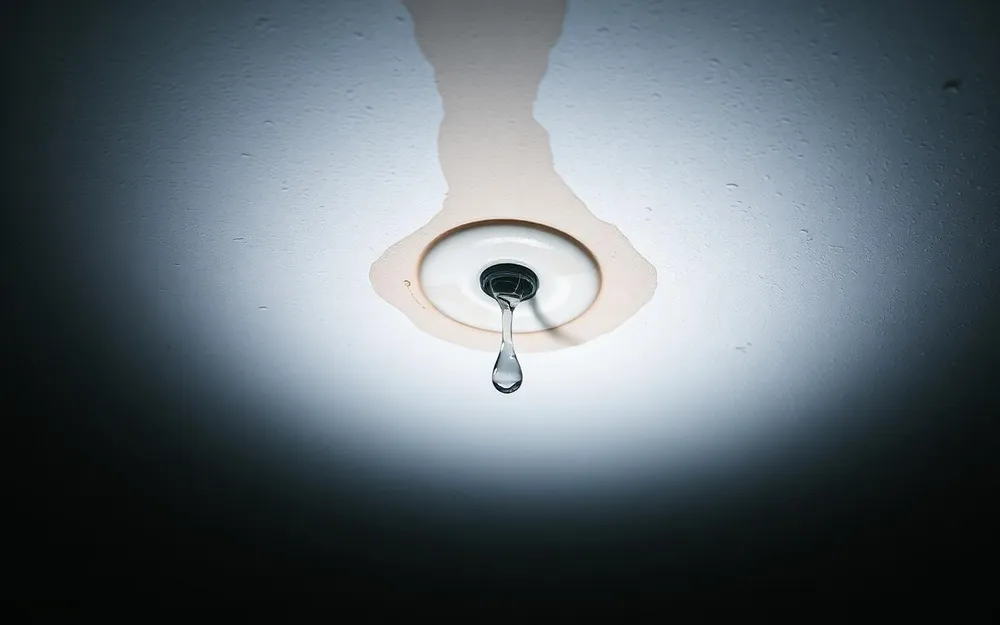
You should also call promptly if water is appearing on ceilings or walls, a toilet overflows and will not clear, or the main shutoff valve does not work. Waiting can turn a contained repair into flooring replacement, mold cleanup, or major restoration work.
Best Quality Plumbing Services approaches these problems with clear diagnosis and practical repair recommendations, so you know what is happening and what needs to be done. Good plumbing maintenance is less about doing everything yourself and more about acting early, protecting your home, and calling for help before a small warning becomes a costly interruption.