A pipe leak can start with a small damp spot under a sink and turn into warped flooring, stained ceilings, mold growth, or a costly water bill. Knowing how to fix water pipe leakage begins with controlling the water first, then identifying whether the repair is a safe short-term fix or a job that needs a professional plumber.
Stop the Water Before You Diagnose the Leak
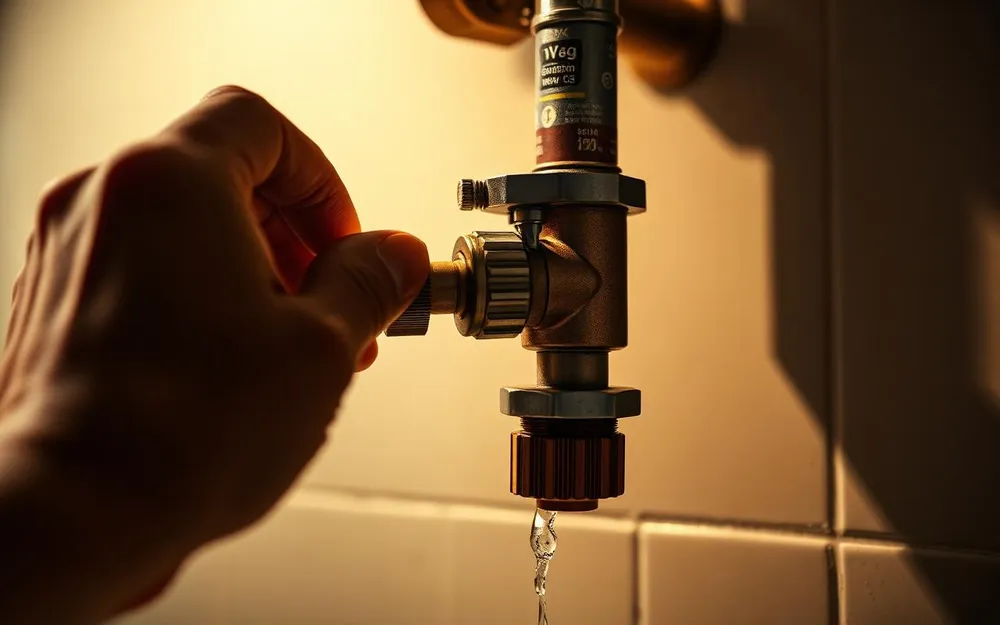
Do not start tightening fittings or applying tape while water is still flowing. If the leak is under a sink, behind a toilet, or at an appliance connection, shut off the nearby fixture valve. Turn the valve clockwise until it stops, then open the faucet to relieve pressure.
If water is coming through a ceiling, from inside a wall, or from a pipe you cannot isolate, turn off the main water supply to the property. Most homes have a main shutoff valve near the water meter, in a basement, garage, utility room, or on an exterior wall. Everyone in the household should know where it is before an emergency happens.
Once the water is off, place towels and a bucket beneath the leak. Move electronics, rugs, furniture, and stored belongings away from the area. If water has reached electrical outlets, light fixtures, or a breaker panel, stay clear of it and call for qualified help.
Find the Exact Source of the Water Pipe Leak
Water does not always show up where the pipe failed. It can travel along framing, insulation, or the outside of a pipe before dripping somewhere else. Dry the visible area with a towel, then inspect it closely while the water is off.
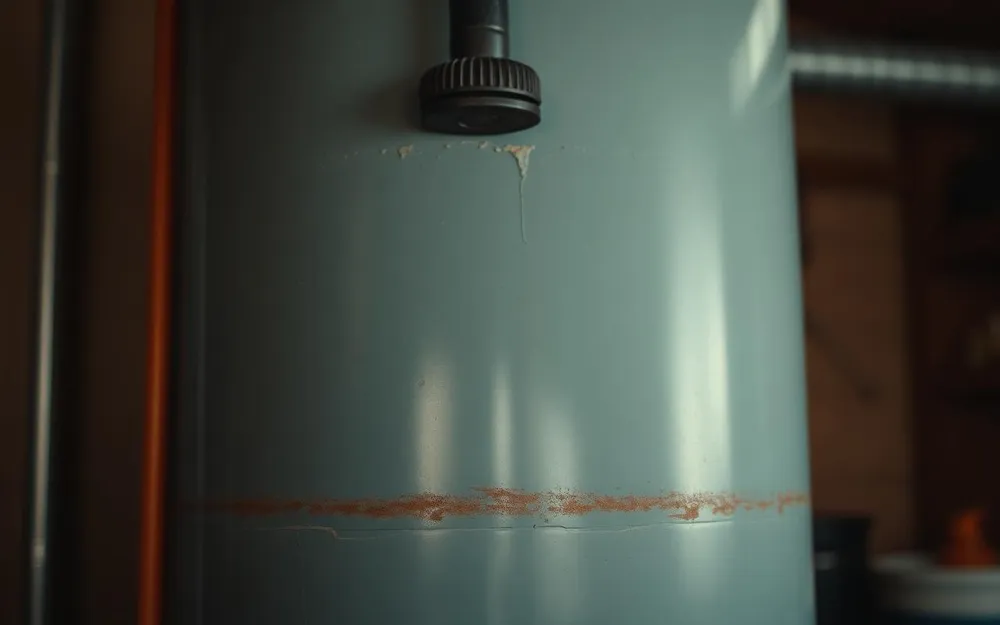
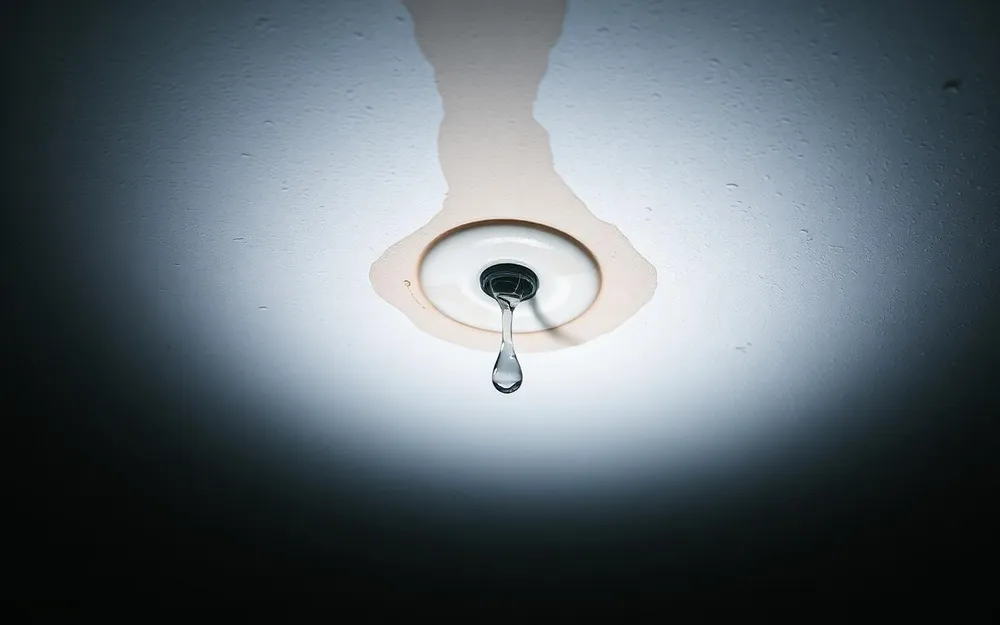
Look for water at pipe joints, valve connections, supply lines, shutoff valves, and visible cracks. Common signs include green or white corrosion on metal piping, rust around fittings, a swollen cabinet base, discolored drywall, peeling paint, or a persistent musty smell.
For a leak under a sink, fill the basin and release the water while watching the drain connections. For a supply-line leak, turn the fixture valve on slowly and look for moisture at the valve, hose, and connection points. A slow leak may require a dry paper towel wrapped around the suspected area. Even a small wet mark on the towel can reveal the problem.
If no visible plumbing is leaking but your water meter continues moving when all fixtures are off, you may have a hidden line leak. That is not a repair to guess at. Hidden leaks need proper diagnosis before walls, floors, or concrete are opened.
How to Fix Water Pipe Leakage at a Fitting
A loose connection is one of the more manageable causes of a small leak. This is common at threaded pipe fittings, compression connections, and sink supply lines. However, overtightening is a frequent mistake. It can crack a fitting, damage threads, or make a minor problem much worse.
For a threaded connection, hold the pipe or valve steady with one wrench and use a second wrench to tighten the nut or fitting slightly. Turn the water back on gradually and check for moisture. If it still leaks, shut the water off again. The fitting may need to be removed, cleaned, and resealed with the correct thread sealant rather than tightened further.
Compression fittings require a different approach. A small adjustment to the compression nut may stop the leak, but a damaged ferrule or worn valve will need replacement. If the connection is corroded, difficult to access, or attached to older piping, a plumber can replace it without creating damage elsewhere in the line.
Flexible supply hoses to faucets, toilets, washing machines, and refrigerators should be replaced if they are cracked, bulging, rusty, or leaking at the crimped ends. Do not rely on tape for a failing supply line. These hoses are inexpensive compared with the water damage they can cause when they burst.
Repairing a Small Leak in an Exposed Pipe
The right repair depends on the pipe material and the location of the damage. Copper, PVC, CPVC, PEX, galvanized steel, and cast iron all require different repair methods. A repair that works on one material may fail completely on another.
A pipe repair clamp or rubber-and-metal repair sleeve can temporarily stop a pinhole leak in a straight, exposed section of pipe. The pipe must be clean and dry, and the clamp must match the pipe diameter. This can buy time, but it should not be treated as a permanent answer for an aging or corroded water line.
Epoxy repair products can also work as a short-term option on a tiny crack or pinhole when the pipe is fully dry and pressure is off. Follow the product directions carefully and allow full curing time before restoring water. Epoxy is not a reliable fix for a split pipe, a moving joint, heavy corrosion, or a line inside a wall.
PVC or CPVC pipes with cracks usually need the damaged section cut out and replaced with compatible fittings and pipe cement. PEX repairs commonly require cutting out the failed area and installing an approved coupling with the correct crimp, clamp, or expansion tool. These repairs can be straightforward for someone with plumbing experience, but poor installation can leak behind a wall long after the repair seems finished.
What Not to Do When a Pipe Is Leaking
Temporary repairs are useful for limiting damage, but some shortcuts create bigger problems. Avoid using duct tape, electrical tape, glue not designed for plumbing, or a random piece of rubber secured with a hose clamp. These materials may slow a drip for a few hours, but they are not designed to hold water pressure safely.
Do not attempt to solder copper piping near insulation, cabinets, drywall, or framing unless you have the right tools and experience. Open-flame work carries a real fire risk. Also avoid cutting into a wall or ceiling without confirming where electrical wiring, gas lines, and plumbing are located.
Most of all, do not ignore a slow leak because it seems minor. A drip that does not flood a room can still rot wood, attract pests, promote mold, and raise your water costs over time.
When to Call a Plumber for Pipe Leak Repair
Call a professional promptly when the leak is inside a wall, ceiling, floor, crawl space, or slab. The same applies to burst pipes, recurring leaks, visible corrosion across multiple sections of pipe, sewage-related leaks, and any leak near electrical components.
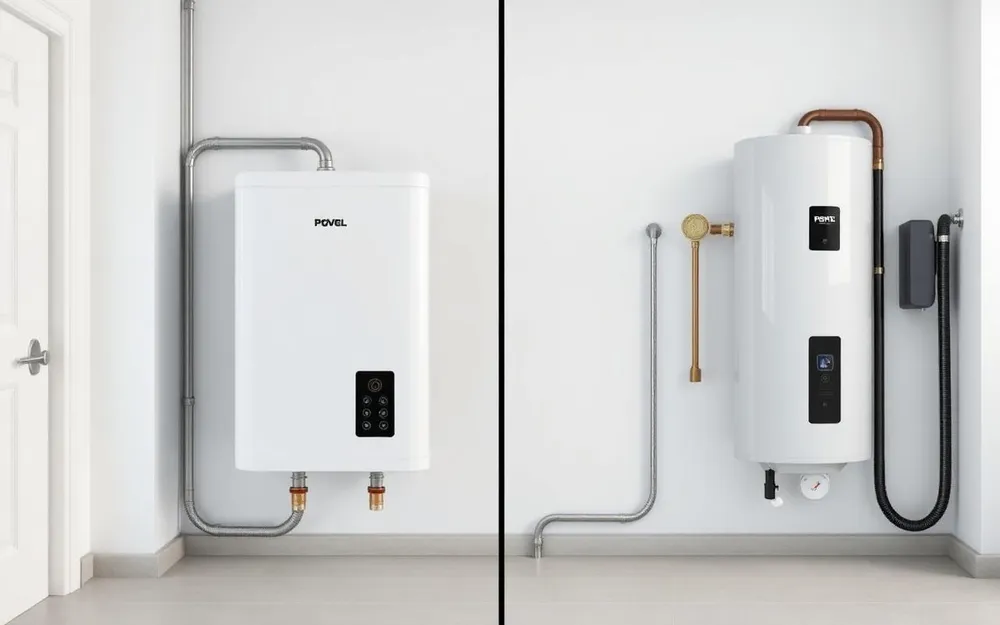
A professional should also handle leaks from water heaters, main water lines, pressure-reducing valves, and old galvanized piping. These systems affect more than one fixture and can involve pressure, safety, code, or access issues that a quick patch will not solve.
The Best Quality Plumbing can identify the source, explain the repair clearly, and replace failed components with work intended to last. For homeowners, landlords, and property managers, professional service is often the faster path when the alternative is repeat damage, tenant disruption, or an uncertain repair behind finished surfaces.
Check Your Work Before Restoring the Area
After any repair, turn the water back on slowly. Watch the repaired area for several minutes, then run the connected fixture and check again. Use a dry paper towel around fittings because it shows small leaks that are easy to miss by eye.
Do not close a wall, reinstall a cabinet panel, or put belongings back immediately. Recheck the repair later that day and again the next morning. If drywall, insulation, flooring, or wood was wet, dry the area thoroughly with ventilation and fans. Materials that remain wet can develop mold even after the pipe itself has been fixed.
A fast response protects your property, but a durable repair protects your peace of mind. Shut off the water, contain the leak, and be honest about when the job has moved beyond a temporary fix.