A small drip under a sink can turn into damaged cabinetry, mold growth, and an expensive repair before most homeowners notice it. This home plumbing maintenance guide focuses on the checks that help you catch trouble early, protect your water system, and avoid the kind of disruption that never comes at a convenient time.
Plumbing maintenance is not about taking apart pipes or guessing at repairs. It is about recognizing normal operation, watching for changes, and bringing in a qualified plumber before a manageable issue becomes water damage or a full system failure.
Start With the Parts That Can Cause the Most Damage
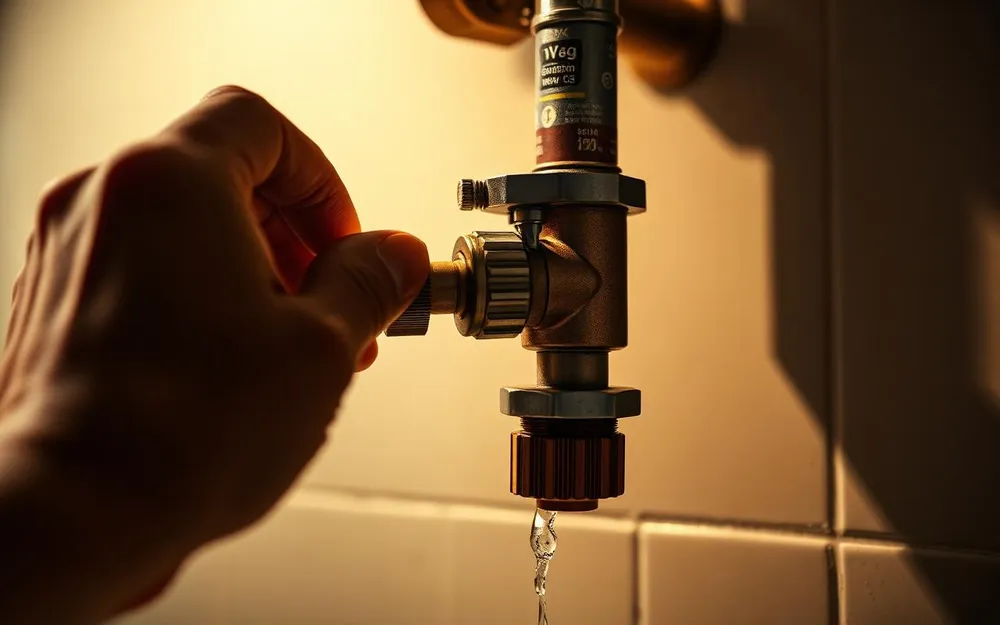
Water supply leaks deserve attention first. Unlike a slow drain, which is usually obvious and inconvenient, a hidden supply leak can continue behind a wall, under a floor, or inside a cabinet for weeks. Check beneath kitchen and bathroom sinks, around toilet bases, behind washing machines, and near the water heater at least once a month.
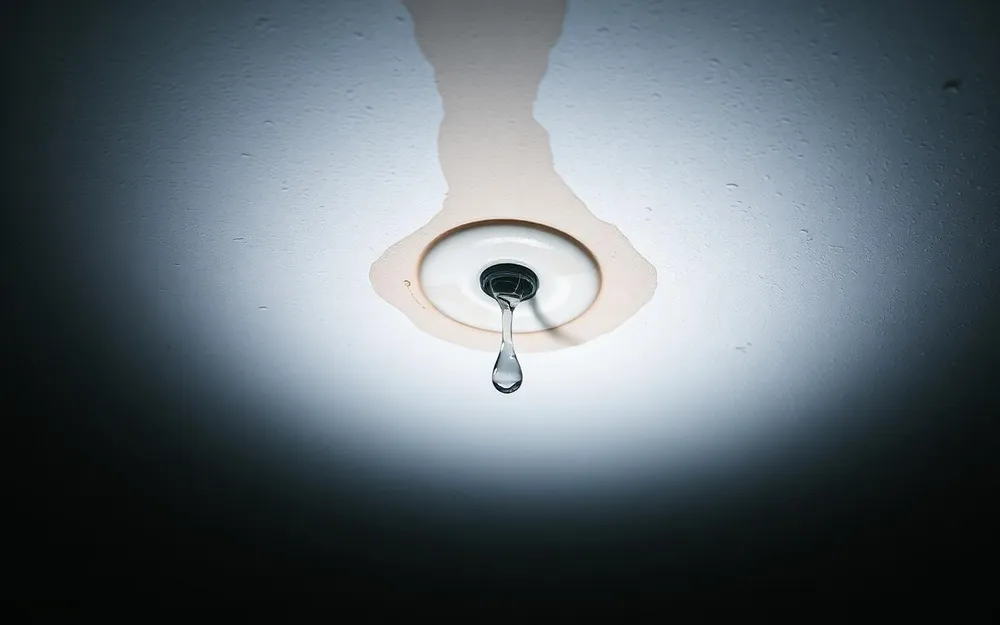
Look for damp cabinet bottoms, warped flooring, corrosion on shutoff valves, water stains, musty odors, or discoloration around fixtures. A pipe does not have to be actively spraying water to be a problem. Even a small, repeated drip can damage wood and drywall over time.
Pay attention to your water bill as well. A bill that rises without a change in household use can point to a toilet leak, an irrigation issue, or a concealed plumbing leak. If you suspect a leak but cannot locate it, avoid waiting for visible damage. Professional leak detection is often less costly than repairing the damage left behind.
Know Where Your Main Water Shutoff Is
Every adult in the household should know how to shut off the main water supply. In an emergency, those few minutes can make a major difference. The main shutoff is commonly near the water meter, where the water line enters the home, in a utility area, or outside along an exterior wall.
Test the valve carefully once or twice a year. If it will not turn, turns only partially, or leaks when operated, have it serviced. Do not force an old valve with a wrench. A stuck shutoff valve is exactly the kind of issue that stays unnoticed until there is a burst pipe or failed fixture.
Keep Drains Clear Without Damaging Them
Most drain clogs build slowly. Hair, soap residue, grease, food particles, and mineral deposits narrow the pipe over time. The goal is to stop that material before it reaches a point where ordinary water flow cannot move it through.
In bathrooms, use hair catchers in showers and tubs, and clean them regularly. Never treat a slow tub or shower drain as normal. It may respond to basic cleaning at first, but recurring slow drainage can signal buildup farther down the line or a developing sewer-line problem.
In the kitchen, keep grease, oil, coffee grounds, rice, pasta, eggshells, and fibrous vegetable scraps out of the drain. A garbage disposal is useful for small food residue, not a replacement for the trash can. Run cold water during disposal use, then let it run briefly after the disposal is off to move remaining particles through the line.
Avoid relying on harsh chemical drain cleaners. They can be tough on older pipes, may not remove the actual obstruction, and create a safety concern when a plumber later needs to work on the drain. A plunger or a hand-operated drain tool can help with a simple, accessible clog. If the same drain repeatedly backs up, the correct answer is diagnosis, not another bottle of cleaner.
Watch for Signs of a Larger Drain Problem
One slow sink may be a local clog. Several drains slowing at once, toilets bubbling, water coming up in a tub when a toilet flushes, or sewage odors can point to a problem in the main sewer line. Tree roots, pipe damage, grease buildup, or a blockage farther out may be involved.
Stop using large amounts of water if you see these signs. Running the dishwasher, washing machine, or multiple showers can force wastewater back into the home. Call for plumbing service promptly so the line can be inspected and cleared properly.
Check Toilets Before They Waste Water
A running toilet is one of the most common sources of wasted water in a home. The sound may be faint or intermittent, especially when the house is quiet. Remove the tank lid and listen after flushing. The tank should fill and then stop completely.
If water continues to run into the bowl, the flapper may not be sealing, the fill valve may be failing, or the water level may be set incorrectly. You can also place a few drops of food coloring in the tank and wait about 15 minutes without flushing. If color appears in the bowl, water is leaking past the flapper.
Do not ignore a toilet that rocks, leaks at the base, or needs to be flushed more than once. A loose toilet can damage its seal and eventually allow water beneath the flooring. Repeated flushing problems may be a fixture issue, a drain issue, or both. The repair depends on the cause, which is why a quick professional assessment can prevent wasted effort.
Protect Your Water Heater
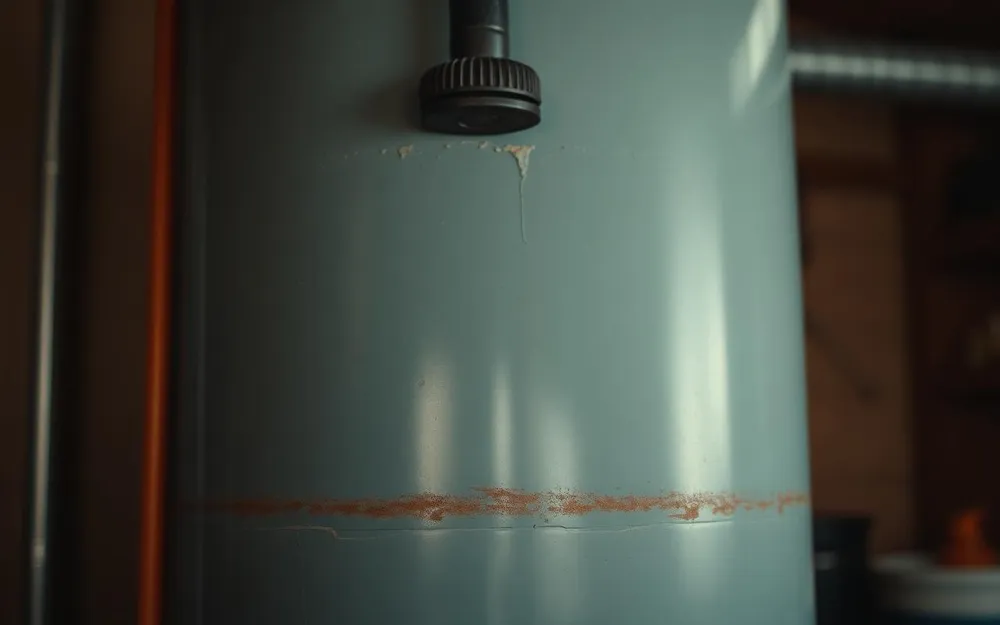
Your water heater works every day, yet it is often ignored until there is no hot water or a puddle on the floor. Inspect the area around the tank every few months for rust, moisture, corrosion, or drips at the connections. Check that the temperature setting is appropriate for your household, generally around 120 degrees Fahrenheit to reduce scalding risk and unnecessary energy use.
Sediment is a common concern, particularly in areas with hard water. Mineral buildup can reduce efficiency, create popping or rumbling sounds, and shorten equipment life. Flushing a tank can help in some cases, but older units and neglected systems need care. Opening a drain valve that has not moved in years can create a leak or cause it to fail to close fully.
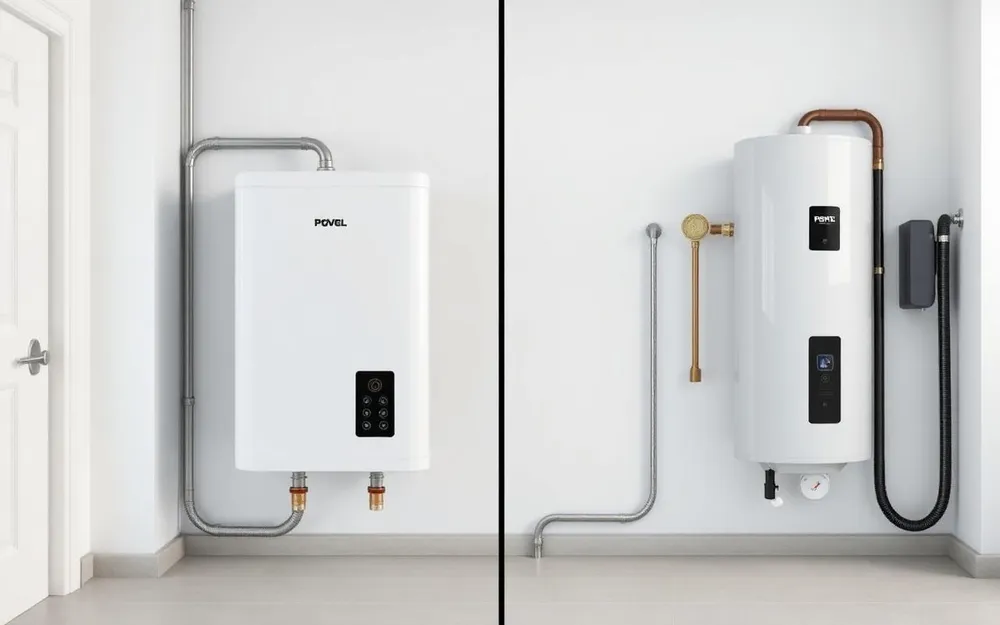
A tankless water heater has different maintenance needs, including periodic descaling based on water quality and manufacturer guidance. Whether your unit is tank or tankless, do not postpone service when you notice rusty hot water, inconsistent temperature, water around the base, or unusual noises.
A Practical Home Plumbing Maintenance Schedule
Consistency matters more than complicated checklists. Use this simple schedule to stay ahead of common problems:
- Monthly, inspect exposed pipes and under-sink cabinets for moisture, check toilets for running water, and clear hair catchers.
- Every three months, clean faucet aerators and showerheads if mineral buildup is affecting water flow.
- Twice a year, test accessible shutoff valves gently and inspect washing machine hoses for cracks, bulges, or corrosion.
- Once a year, have a professional evaluate older water heaters, recurring drain issues, pressure concerns, or any plumbing system that has shown warning signs.
If your home has older galvanized pipes, mature trees near the sewer line, a slab foundation, or a history of leaks, maintenance may need to be more frequent. There is no one schedule that fits every property. The age of the plumbing, water quality, household size, and past repair history all matter.
Do Not Overlook Water Pressure and Fixture Changes
Water pressure that suddenly becomes weak or unusually strong can indicate a problem. Low pressure at one fixture may be a clogged aerator or showerhead. Low pressure throughout the home can involve a pressure regulator, supply line, shutoff valve, or other system issue.
Very high pressure is also a concern. It puts added strain on pipes, appliance hoses, valves, and fixtures. If faucets bang when they are turned off, appliances make new noises, or you have frequent leaks, a plumber can test the pressure and determine whether a regulator or expansion tank needs attention.
Changes in water color, smell, or taste should also be checked. Brown or rusty water can come from corrosion or sediment, while a persistent sewer odor may indicate a dry drain trap, venting issue, or sewer problem. If the change affects more than one fixture or does not clear quickly, arrange an inspection.
When to Call a Plumber Instead of Waiting
Homeowners can handle basic prevention, but plumbing work becomes risky when it involves hidden leaks, sewer lines, gas-connected water heaters, major fixture replacement, or repeated failures. Water spreading across a floor, sewage backup, no water to the house, a burst pipe, or a leaking water heater calls for prompt professional help.
It is also smart to call when the same problem returns after a basic fix. Recurring clogs, repeated toilet leaks, and ongoing low pressure are rarely solved by replacing one visible part. They need the underlying cause identified. Best Quality Plumbing Services provides straightforward residential plumbing support for homeowners and property managers who need a clear explanation and dependable repair work.
A well-maintained plumbing system should stay out of your way. Check the small warning signs, protect your drains, and act early when something changes. That approach keeps your home safer and gives you more control when a real plumbing problem needs attention.