A frozen pipe can turn from an inconvenience into a major water-damage problem in minutes. Frozen pipe repair begins with controlling the water supply, relieving pressure, and thawing the line carefully. The goal is not just to get water flowing again. It is to prevent a cracked pipe from flooding your home, garage, rental property, or business.
If you have little or no water at a fixture during cold weather, hear unusual banging in the pipes, or see frost on exposed plumbing, act early. A pipe may be frozen even if it has not burst yet.
What to Do When You Suspect a Frozen Pipe
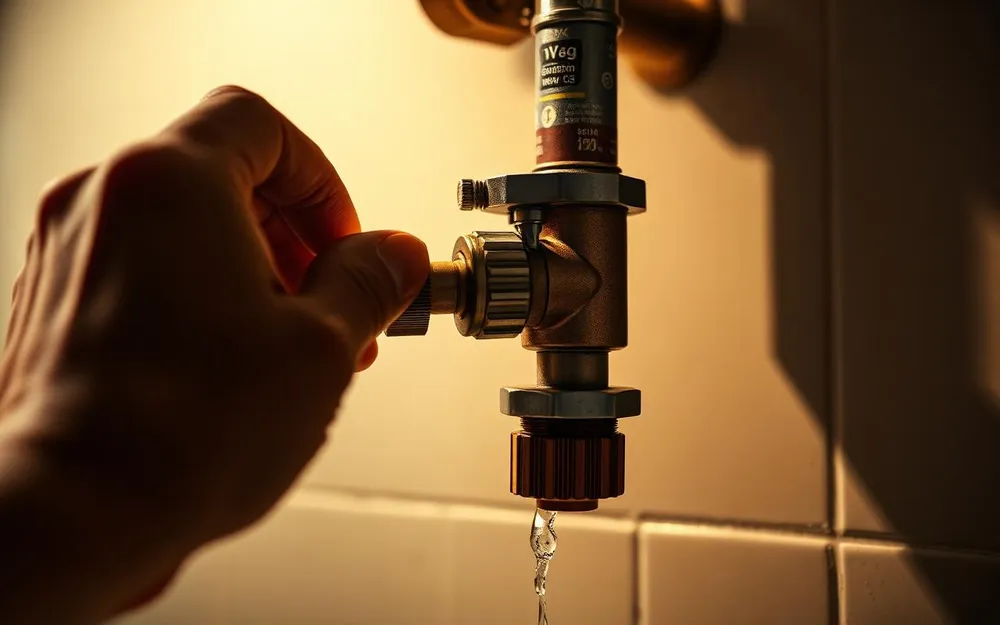
Start by turning on the affected faucet. If it produces only a trickle or no water at all, leave it slightly open. As the ice begins to melt, running water gives the thawed water somewhere to go and helps relieve pressure inside the pipe.
Next, locate the main water shutoff valve for the property. You do not always need to shut it off immediately if the pipe is intact and you are actively monitoring the situation. However, if you see a leak, pooling water, a bulging pipe, or water staining a wall or ceiling, shut off the main water supply right away. Every homeowner, landlord, and property manager should know where that valve is before a cold-weather emergency occurs.
If the frozen pipe is under a sink, inside a cabinet, or near an exterior wall, open nearby cabinet doors. This allows warmer indoor air to reach the plumbing. Raise the thermostat and keep the building heated, even if the affected area is not regularly used.
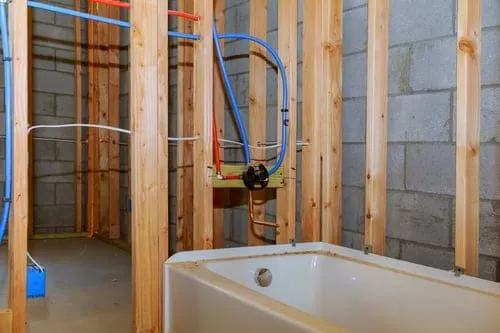
Do not assume a frozen pipe is only a problem in an unheated garage or crawl space. Pipes can freeze in kitchen cabinets, bathroom walls, attics, laundry rooms, and exterior hose connections. In Southern California, overnight cold snaps can still affect poorly insulated or exposed plumbing, especially in higher-elevation areas and homes with older pipe systems.
Safe Frozen Pipe Repair Starts With Careful Thawing
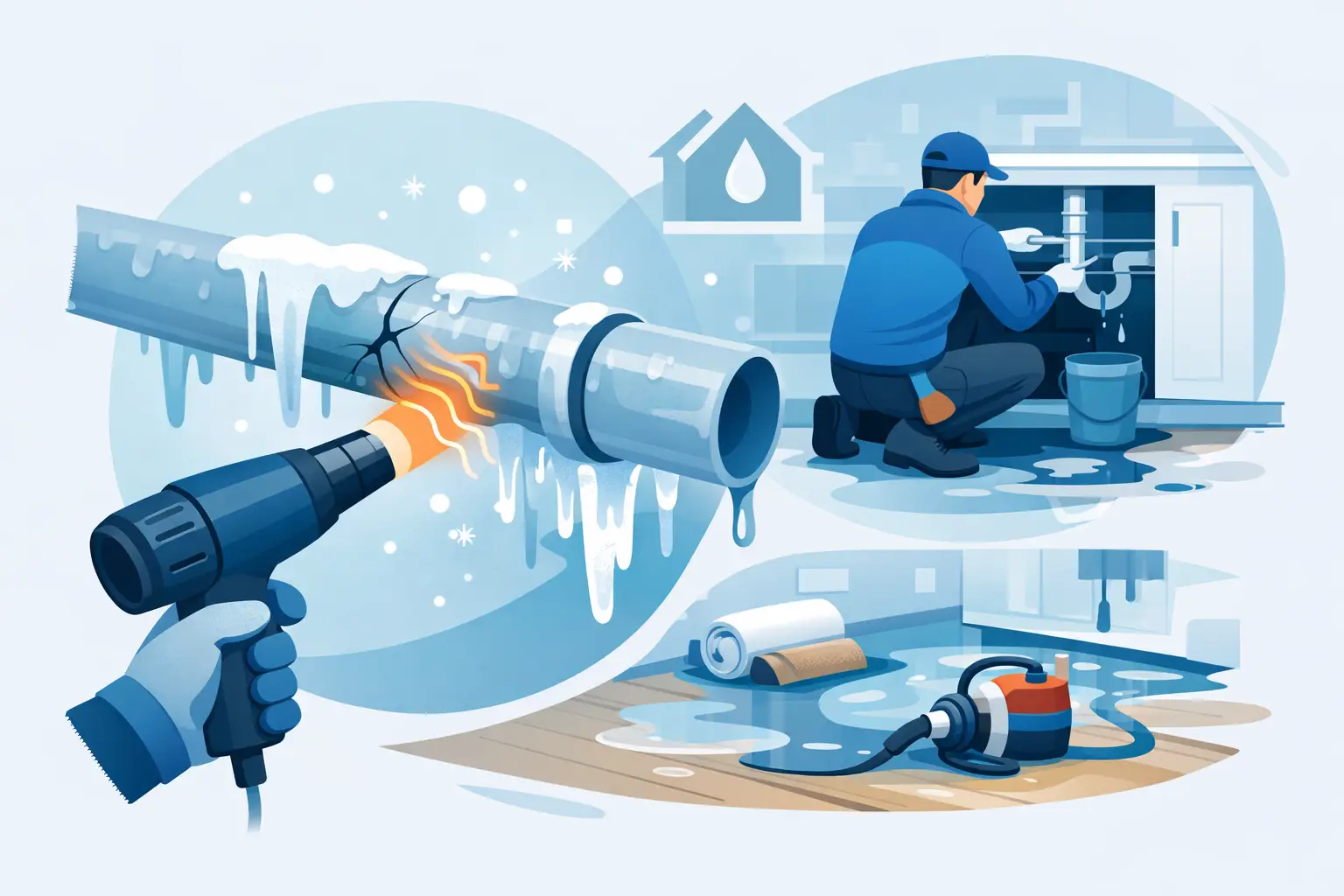
A frozen pipe should be warmed gradually and evenly. Use a hair dryer on a low or medium setting, a portable space heater placed safely away from flammable materials, or warm towels wrapped around an accessible pipe. Start at the end nearest the faucet and work back toward the frozen section. This helps melted water move through the line instead of becoming trapped behind the ice.
Keep checking the pipe while it warms. Look for drips at fittings, joints, valves, and along the pipe itself. A small crack may not become obvious until water pressure returns.
Never use an open flame, propane torch, charcoal grill, or any device that produces direct flame to thaw a pipe. These methods can ignite nearby materials, damage plastic piping, weaken soldered joints, or cause an already stressed pipe to fail. Electrical heat tape should only be used according to its manufacturer instructions and should not be applied to damaged plumbing.
If you cannot find the frozen section, if the pipe is behind a wall, or if the line will not thaw with safe, basic warming methods, stop trying to force the issue. A professional plumber can locate the affected pipe, evaluate its condition, and use appropriate equipment without creating a bigger repair.
Signs the Pipe May Have Already Burst
A burst pipe is not always dramatic at first. Sometimes the ice temporarily blocks water from escaping through a crack. Once the pipe thaws, the leak can begin suddenly.
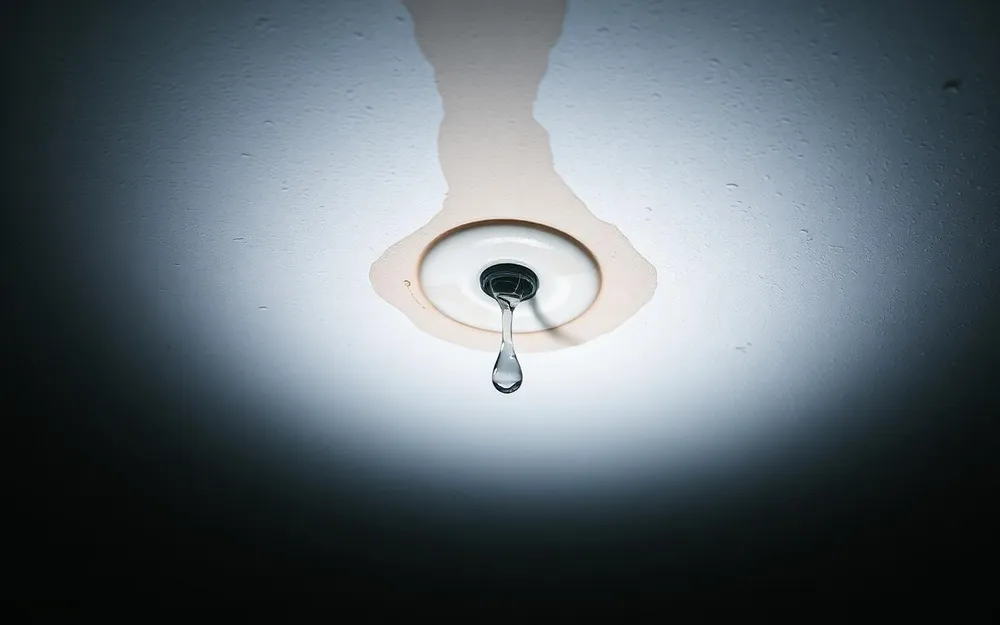
Watch for water under cabinets, damp drywall, ceiling discoloration, a musty smell, warped flooring, or a water meter that continues moving when all fixtures are off. You may also notice reduced water pressure after the pipe thaws. These signs call for immediate service, even if the visible leak seems small.
If a pipe has burst, shut off the main water supply and turn off electricity to the affected area if water is near outlets, appliances, or electrical panels. Do not stand in pooled water to reach electrical equipment. Move valuables away from the area if it is safe to do so, then contact a plumbing professional promptly.
When to Call a Plumber for Frozen Pipe Repair
Some exposed pipes can be thawed safely by a homeowner. But the right response depends on the pipe location, material, degree of freezing, and whether damage has occurred. Calling a plumber is the safer choice when the frozen pipe is hidden, inaccessible, repeatedly freezes, has cracked, or affects multiple fixtures.
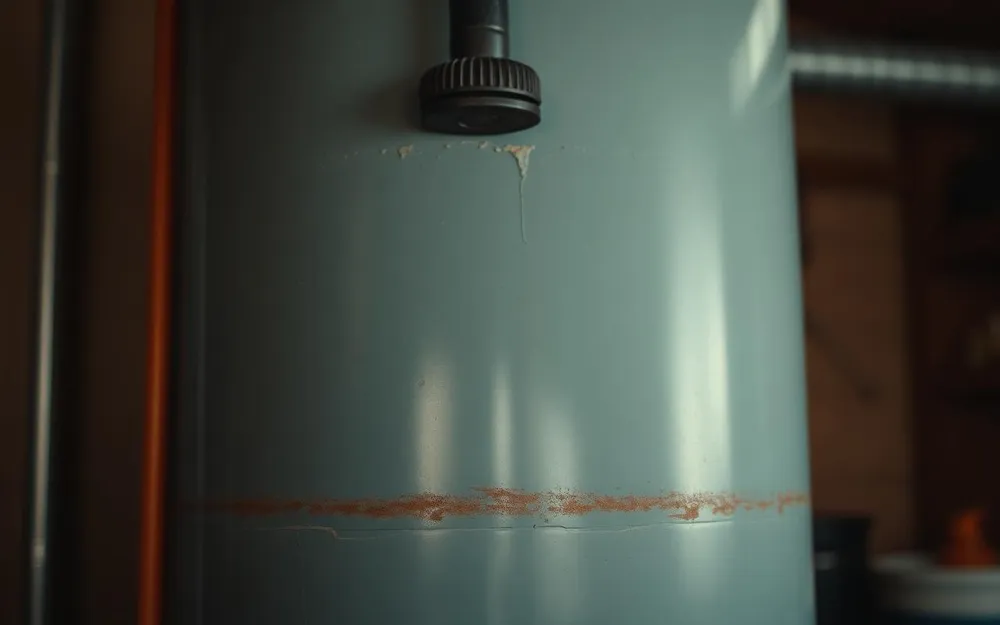
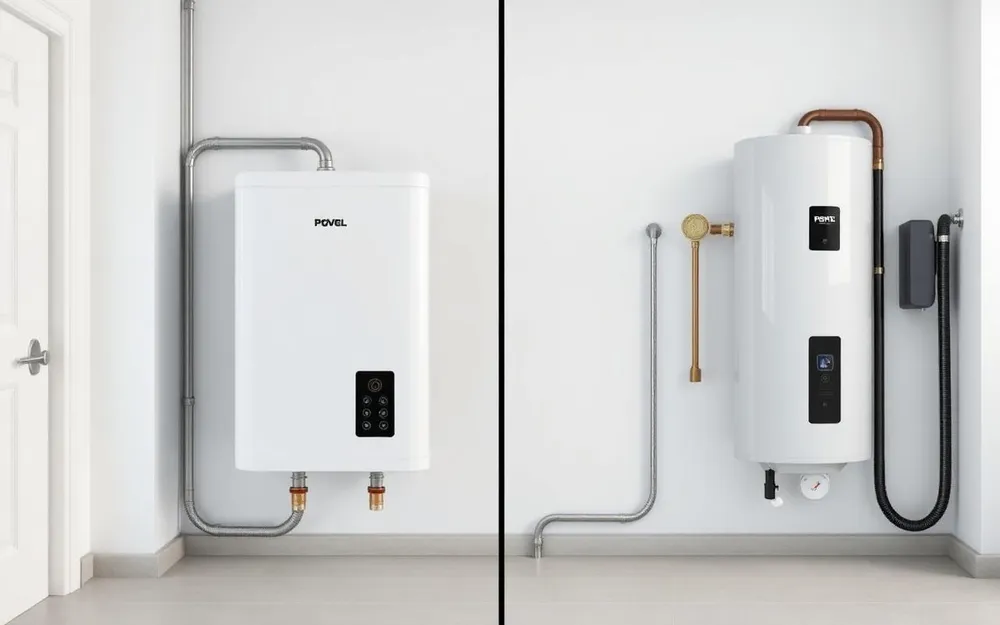
Professional service is also recommended when a frozen line involves a water heater, main water line, slab plumbing, fire sprinkler line, or commercial property. These systems have higher stakes and can cause extensive damage or interruption if handled incorrectly.
A plumber can identify whether the issue is actually freezing or another water-flow problem, such as a closed valve, sediment buildup, a failed pressure regulator, or a damaged supply line. Once the line is thawed, the repair should address any split pipe, weakened fitting, or insulation gap that contributed to the problem.
For rental properties, quick action matters for both the building and the people inside it. Tenants should report low water pressure or suspected frozen plumbing immediately. Property managers and landlords should arrange qualified repair rather than asking tenants to use risky heating methods or take apart plumbing fixtures.
Prevent Frozen Pipes Before the Next Cold Night
The most effective repair is avoiding another freeze after the immediate problem is resolved. Exposed pipes in garages, crawl spaces, attics, and exterior walls should be insulated with pipe insulation sized for the material and diameter of the pipe. Insulation slows heat loss, but it does not replace adequate indoor heat during freezing temperatures.
Disconnect outdoor hoses before cold weather. A hose left attached can trap water inside the hose bib and allow ice to reach the pipe inside the wall. If your home has an exterior shutoff valve for hose bibs, close it and drain the outside line.
Seal gaps around plumbing penetrations, especially where pipes enter exterior walls. Cold air can move through small openings behind cabinets and under sinks, putting nearby pipes at risk. During a freeze warning, keep the thermostat at a consistent temperature day and night. Turning the heat down too far while away can cost far more than the energy savings if a pipe freezes and breaks.
For pipes that have frozen more than once, insulation alone may not be enough. The plumbing may need to be rerouted, better protected from exterior air, or upgraded if aging materials and vulnerable connections are part of the issue. A proper inspection helps avoid repeated emergency calls and ongoing water-damage risk.
A Few Simple Habits Make a Difference
During unusually cold weather, let vulnerable faucets drip slightly if recommended for your home’s plumbing layout. Keep interior doors open to improve air circulation, and do not close off heated areas containing pipes. If you will be away, have someone check the property during a hard freeze, particularly if it has a history of plumbing problems.
It also helps to test the main shutoff valve periodically. A valve that is stuck when a pipe bursts is not much protection. If it does not operate smoothly, have it serviced before an emergency puts it to the test.
A frozen pipe deserves prompt attention, even when water starts flowing again. Best Quality Plumbing Services can assess the line, make the needed repair, and help protect the plumbing from the next cold snap. Acting early gives you the best chance to keep a small freeze from becoming a costly cleanup.