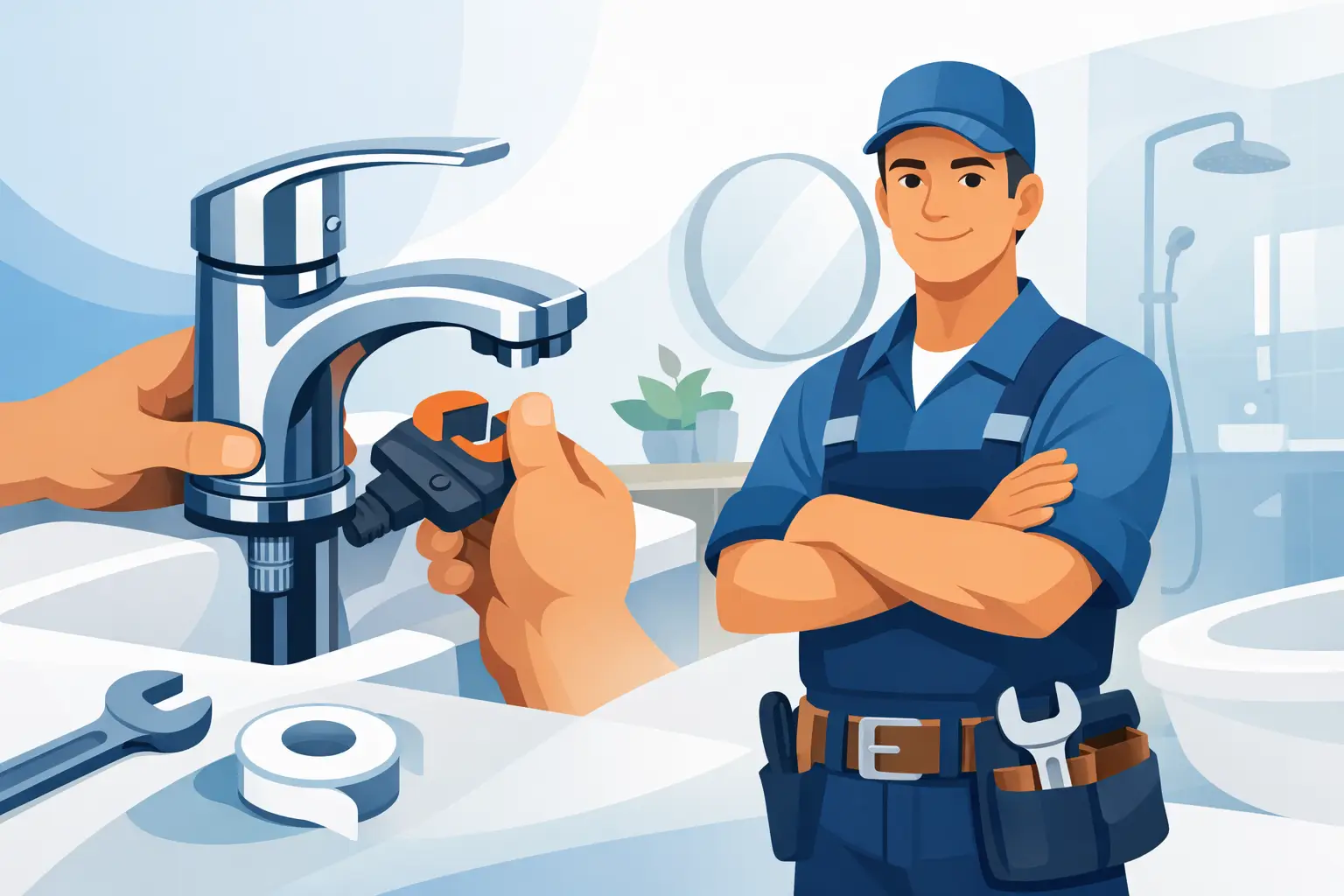
A new faucet should make your kitchen or bathroom work better, not create a slow leak under the sink three days later. A professional faucet installation service protects your fixture, your cabinets, and the plumbing connections behind the wall while giving you a finished result that looks clean and works the way it should.
Whether you are replacing a dripping kitchen faucet, updating an outdated bathroom fixture, or preparing a rental property for a new tenant, proper installation matters. The fixture itself may be visible, but the real work happens below the counter: securing the faucet correctly, connecting supply lines, checking shutoff valves, and testing every connection for leaks.
When a Faucet Replacement Is the Right Call
A faucet does not always need to be replaced. Some issues, such as a worn cartridge, loose handle, or failing aerator, can often be repaired. But replacement is usually the better choice when the fixture is corroded, repeatedly leaks, has poor water flow despite cleaning, or no longer matches the sink setup.
Many homeowners also replace faucets during a kitchen or bathroom refresh. That can be a smart upgrade, but it is worth checking the existing sink before buying a new fixture. Faucets are made for different hole configurations, mounting styles, and clearance requirements. A beautiful faucet that does not fit the sink or leaves unused holes exposed can turn a simple update into a bigger project.
For landlords and property managers, replacing a failing faucet before it becomes an active leak can prevent cabinet damage, tenant complaints, and emergency calls. A dependable fixture with proper installation is a practical investment in a property that gets regular use.
What a Professional Faucet Installation Service Includes
A proper installation is more than tightening a few nuts under the sink. The work begins by assessing the existing faucet, sink, shutoff valves, water lines, and surrounding cabinet space. If an old faucet has been in place for years, corrosion or mineral buildup can make removal difficult. In some cases, old shutoff valves or supply lines also need attention before a new faucet can be connected safely.
After removing the old fixture, the mounting surface is cleaned and checked. The new faucet is then positioned, secured, and connected according to its design. Supply lines must be properly routed without kinking or putting strain on the connections. The plumber will also test hot and cold water operation, inspect for leaks, confirm the handle movement is correct, and make sure the fixture is firmly mounted.
The goal is not simply to get water running again. It is to leave you with a faucet that operates smoothly and does not create hidden moisture beneath the sink.
Kitchen Faucet Installation Has Its Own Challenges
Kitchen faucets often have pull-down sprayers, side sprayers, filtration connections, soap dispensers, or touchless features. These added components can make installation more involved, especially in tight cabinets with a garbage disposal, water filter, or crowded drain piping.
A high-arc faucet may also need enough clearance from a window, backsplash, or shelf. If you are switching from a standard faucet to a model with a pull-down hose, the hose needs room to extend and retract without catching on shutoff valves or stored items under the sink.
The right installation keeps these details from becoming daily frustrations. A sprayer should retract properly, the faucet should rotate as designed, and all accessory connections should be secure.
Bathroom Faucet Installation Requires a Careful Fit
Bathroom faucets vary widely. Some are single-hole fixtures, while others use widespread handles or center-set designs. Vessel sinks, wall-mounted faucets, and older vanity tops may require more planning than a standard replacement.
The finish and style are your choice, but compatibility comes first. The faucet must match the sink holes, reach the drain area correctly, and provide enough space for comfortable handwashing. A fixture that is too tall or poorly aligned can cause splashing, even if it technically fits.
Bathroom faucet work may also reveal issues with aging drain assemblies, worn supply valves, or damaged caulking around the sink. Addressing those items during the same visit can help avoid another repair appointment later.
Why DIY Faucet Installation Can Go Wrong
Installing a faucet can look simple in a product video, but every sink cabinet is different. Limited workspace, rusted hardware, nonstandard plumbing, and old valves can quickly complicate the job. The most common problem is not a dramatic pipe failure. It is a small leak that goes unnoticed until it warps the cabinet floor or damages the wall behind the vanity.
Overtightening is another common issue. Faucet mounting hardware and supply connections need to be secure, but excessive force can crack plastic components, strip threads, or damage the sink. Using old supply lines with a new faucet can also be a mistake if the lines are worn, corroded, or not the right length.
DIY work may make sense for someone with the right tools, a straightforward setup, and experience working with plumbing connections. It is less ideal when shutoff valves do not fully close, the old faucet is seized in place, the cabinet has water damage, or the new fixture requires changes to the sink or countertop.
Choosing the Right Faucet Before Installation
The best faucet is one that fits your sink, your daily routine, and the condition of your plumbing. Before purchasing, check the number of mounting holes in the sink or countertop and measure the available space behind and above the fixture. This is especially important near windows, backsplashes, and medicine cabinets.
Consider how the faucet will be used. A busy kitchen may benefit from a pull-down sprayer and a durable finish that is easy to clean. A guest bathroom may only need a simple, reliable fixture with a standard design. Touchless faucets can be convenient, but they may require batteries or a nearby power source and can involve more components to maintain.
Price is a factor, but it should not be the only one. Very low-cost fixtures may have weaker internal parts or limited replacement availability. A mid-range faucet from a reputable manufacturer is often a good balance of reliability, appearance, and serviceability.
Signs You Need Help Right Away
Do not wait on a faucet problem if water is collecting under the sink, the shutoff valve will not turn off, the faucet base is loose, or the supply line is visibly corroded. These issues can lead to water damage quickly, particularly in cabinets made from particleboard or MDF.
You should also call a plumbing professional if a new faucet does not fit the current setup, if the water pressure changes after installation, or if the drain begins leaking after work near the sink. What appears to be a faucet issue can sometimes point to a larger problem with the valve, drain, or water supply connection.
Clean Workmanship Makes the Difference
A faucet is one of the most-used fixtures in any home or rental property. It should feel solid, deliver consistent water flow, and stay dry beneath the sink. Quality installation helps protect the fixture warranty, reduces the risk of preventable leaks, and saves you from having to redo the work later.
Best Quality Plumbing Services provides straightforward faucet installation and replacement support for homeowners and property managers who want the job handled correctly. If your faucet is leaking, outdated, loose, or ready for an upgrade, scheduling professional service can restore a small but essential part of your home with far less disruption.