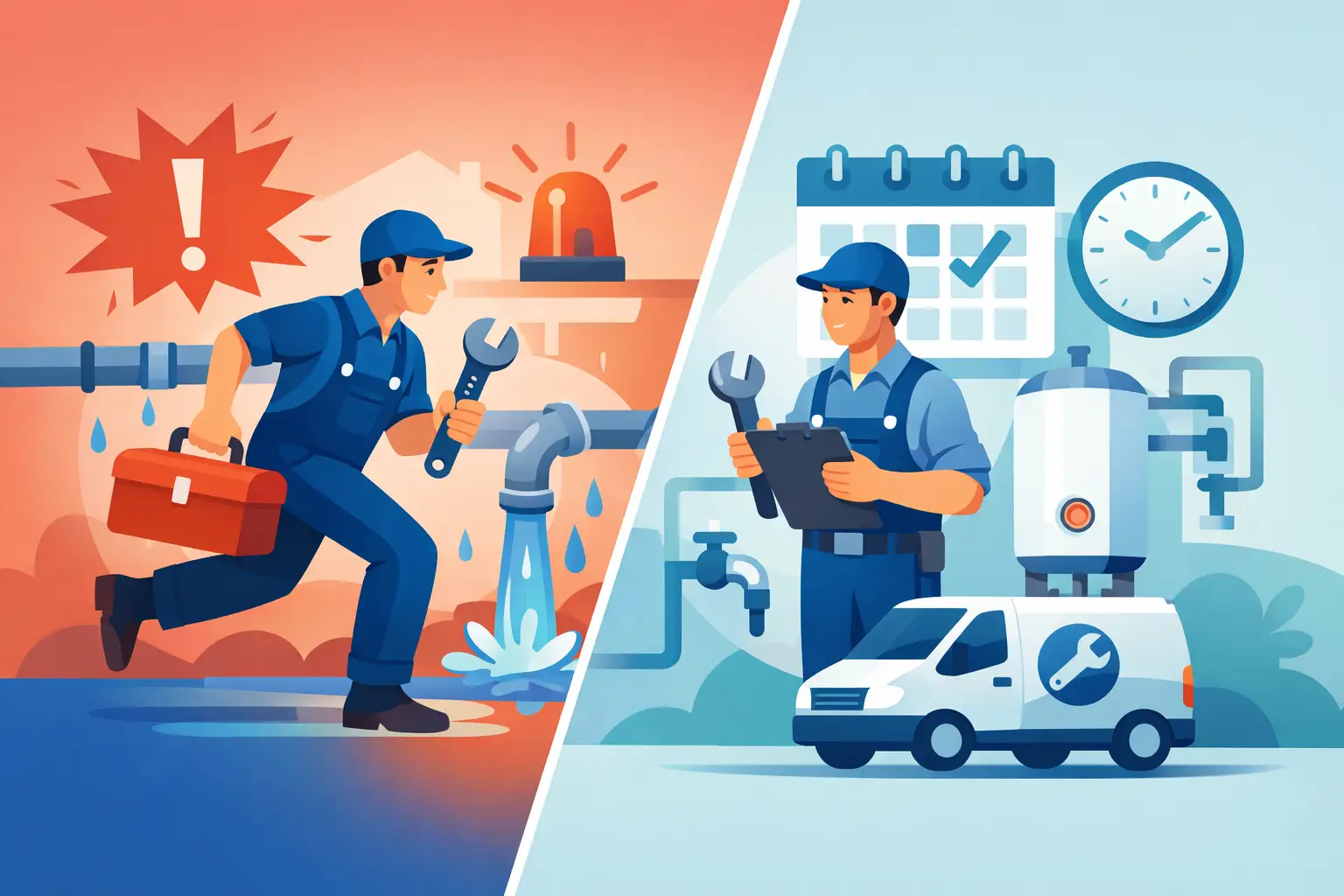
A toilet overflowing onto the bathroom floor, a burst supply line under the sink, and a water heater leaking steadily are not problems to put on tomorrow’s list. The choice between an emergency plumber versus scheduled service comes down to one question: Is waiting likely to cause damage, create a health risk, or leave the property without an essential service?
Making the right call protects your home and helps you avoid unnecessary after-hours costs. Some plumbing issues need immediate attention. Others are better handled during a planned appointment, when there is more time to diagnose the cause and complete the repair properly.
When You Need an Emergency Plumber
Call for emergency plumbing service when water, sewage, gas, or a critical loss of service cannot be safely contained. An emergency visit is meant to stop an active problem, protect the property, and restore safe use as quickly as possible.
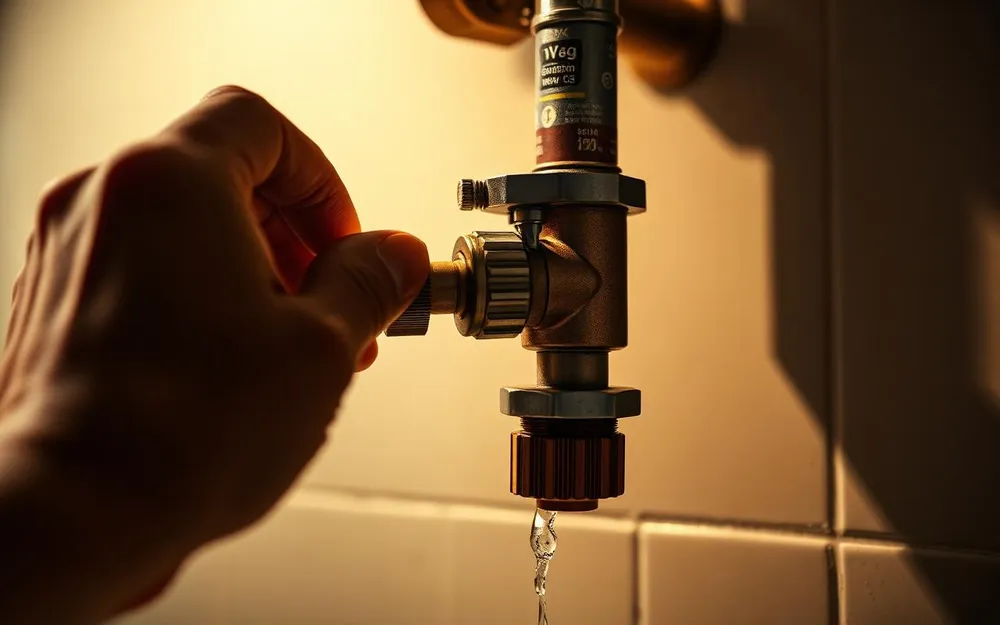
A burst pipe is a clear example. Water can soak drywall, flooring, insulation, cabinets, and personal belongings in a short time. Shut off the main water supply if you can do so safely, then call for help. The same applies to a failed supply line behind a refrigerator, washing machine, toilet, or sink. Even a small line can release a surprising amount of water.
A sewage backup also requires prompt action. Wastewater coming up through a toilet, shower, floor drain, or cleanout is a sanitation concern, not just an inconvenience. Keep people and pets away from the affected area, avoid using plumbing fixtures, and arrange service right away.
No water throughout the house may also be urgent, especially when it affects a family home, occupied rental, restaurant, office, or other small commercial property. The cause could be a main line issue, a shutoff problem, a serious leak, or a water heater-related concern. If there is no obvious utility outage, a plumber should determine what has failed.
Other situations that usually justify an urgent call include:
- A leaking water heater that is pooling water or showing signs of failure
- A toilet that will not stop overflowing after the shutoff valve is closed
- A major drain backup affecting more than one fixture
- A gas odor near a water heater, stove, or gas line
- Frozen pipes that have cracked or are actively leaking
For a possible gas leak, leave the building if necessary, avoid switches, flames, and electrical devices, and contact the gas utility or emergency services first. A plumbing repair can come after the immediate safety risk is addressed.
The Cost of Waiting Can Be Higher Than an Emergency Call
Emergency service may cost more than a standard appointment because it requires immediate response outside normal scheduling. That difference can be worthwhile when every hour adds water damage, mold risk, cleanup costs, or lost use of the property.
A landlord facing sewage backup in an occupied unit, for example, has both a property concern and a tenant safety concern. A homeowner with water spreading beneath hardwood flooring has a similar urgency. In these cases, waiting for regular business hours can turn a repairable plumbing failure into a much larger restoration project.
When Scheduled Plumbing Service Is the Better Choice
Scheduled service is usually the right option when the issue is contained, stable, and not disrupting essential use of the property. It gives the plumber time to inspect the system, explain repair options, obtain needed parts, and complete the work without the pressure of an active emergency.
A slow-draining sink is a good example. It can be frustrating, but if water still drains and there is no backup elsewhere, booking a routine visit is reasonable. The same is often true for a dripping faucet, a running toilet that can be shut off, low water pressure at one fixture, or a minor leak under a sink that has been contained with a bucket.
Planned service is also ideal for replacement and maintenance work. Aging shutoff valves, worn fixtures, corroded supply lines, water heater maintenance, toilet replacement, drain cleaning, and pipe upgrades are best addressed before they fail at an inconvenient time.
The key is not to confuse “not flooding right now” with “safe to ignore.” A slow leak can damage cabinets and subfloors over time. A toilet that runs constantly can waste significant water. A drain that clogs repeatedly may point to buildup, root intrusion, or a larger sewer line problem. Schedule service soon, even when an immediate emergency call is not necessary.
Emergency Plumber Versus Scheduled Service: The Gray Areas
Some plumbing problems do not fit neatly into one category. In those cases, look at the practical impact on your home or business.
A single clogged toilet may be manageable if there is another working bathroom and the fixture is not overflowing. Close the toilet’s shutoff valve, do not keep flushing, and schedule repair. But if it is the only toilet in the home, the situation may need same-day or emergency attention because the property no longer has a working bathroom.
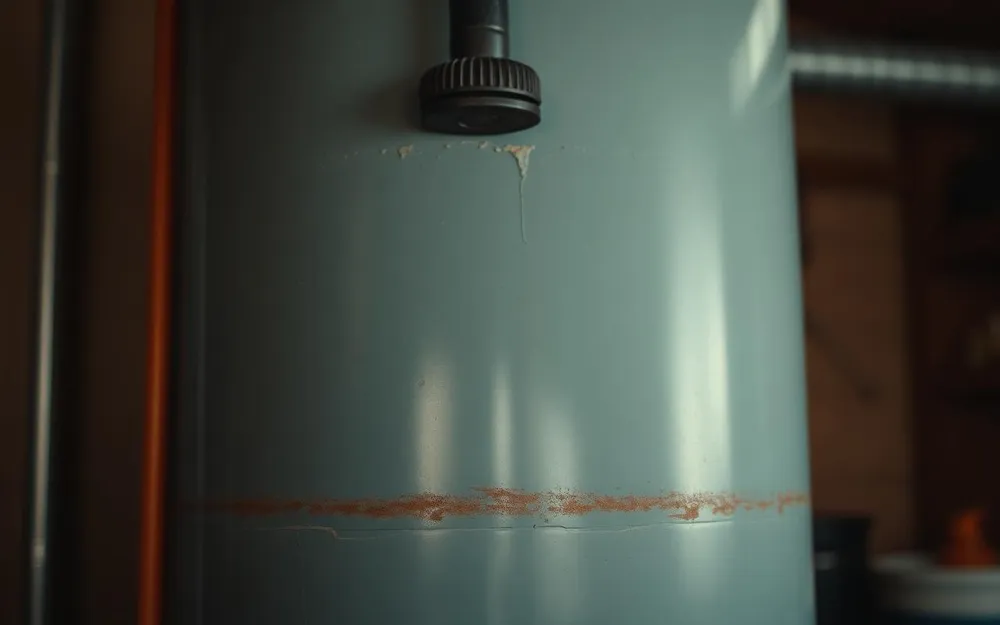
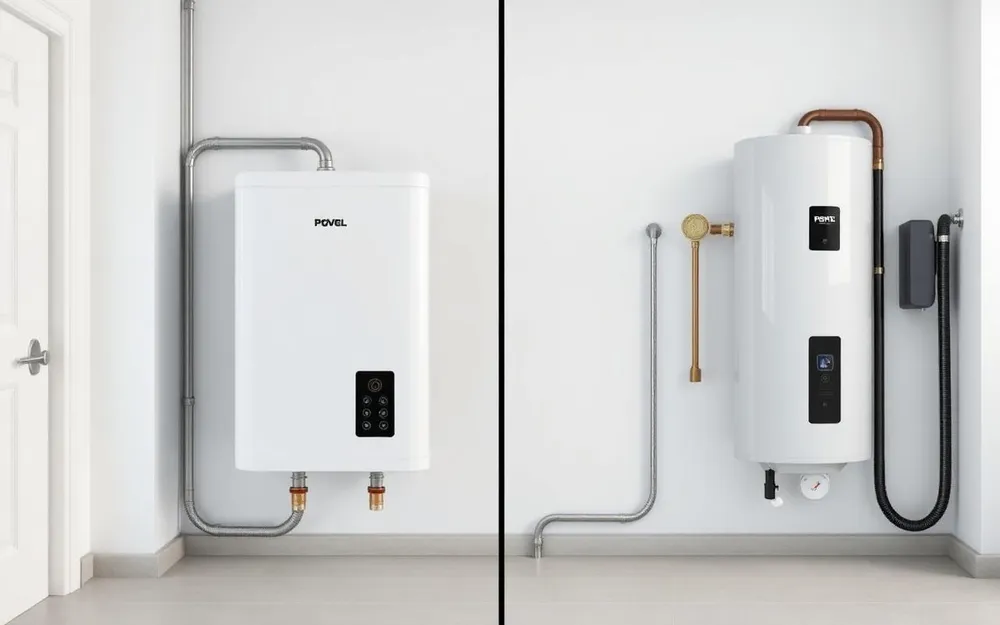
A water heater that produces no hot water is another gray area. For many households, it can wait until the next available appointment. For a family with young children, an elderly resident, a rental property, or a business that depends on hot water, faster service may be appropriate. A water heater that is leaking, making loud popping sounds, or showing visible corrosion deserves more urgency than one that simply needs a routine repair.
The same judgment applies to drain issues. One slow shower drain can usually be scheduled. Multiple fixtures backing up at once, gurgling toilets, or wastewater rising from a low drain can indicate a main sewer line issue and should be treated seriously.
What to Do Before the Plumber Arrives
The right steps before service can reduce damage and make the repair process easier. Start by stopping the water if there is an active leak. Most fixtures have a local shutoff valve beneath or behind them. If that valve does not work or the leak is coming from a pipe, turn off the home’s main water valve.
Do not use chemical drain cleaners in a backed-up drain. These products can damage pipes, create hazardous conditions, and make it harder for a plumber to work safely. Avoid repeatedly flushing a clogged toilet or running water into a drain that is already backing up.
Move towels, rugs, boxes, electronics, and valuables away from standing water. If the leak is near electrical outlets or appliances, do not touch electrical equipment in the wet area. Take a few clear photos of the issue if possible, particularly if you are a tenant reporting the problem or a property manager documenting damage.
When you call, explain what is happening in plain terms: where the water is coming from, whether you have shut off the water, which fixtures are affected, and whether sewage or gas odors are involved. This helps the plumbing team arrive prepared.
How to Prevent the Next Urgent Call
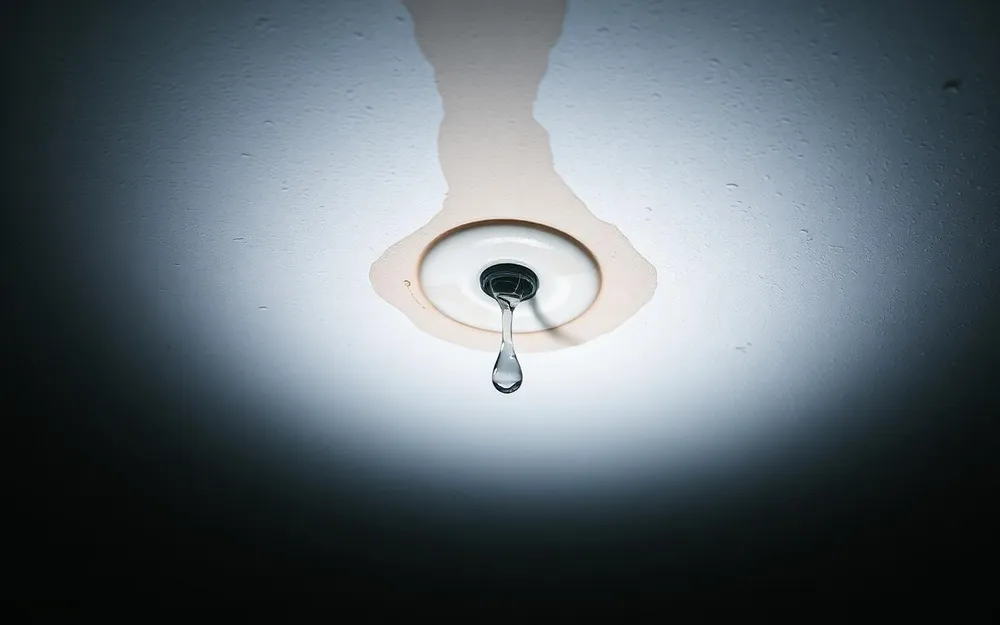
Most plumbing emergencies cannot be predicted perfectly, but routine attention catches many problems before they become expensive. Watch for changes such as water stains beneath sinks, higher water bills, slow drains that keep returning, rusty water, reduced hot water, loose toilet bases, and unexplained damp areas around fixtures.
Older homes and rental properties deserve particular attention because shutoff valves, supply hoses, drain connections, and water heaters may be nearing the end of their service life. Replacing a worn part on a planned visit is usually easier and less disruptive than responding to its failure after hours.
For homeowners and property managers in Sylmar and nearby communities, Best Quality Plumbing Services can help assess whether a problem needs urgent repair or a scheduled visit. A clear explanation and the right repair plan matter just as much as showing up quickly.
If you are unsure, do not wait for a small leak or recurring clog to prove that it is serious. Contain what you can, avoid making the problem worse, and arrange professional service before a manageable repair becomes the call you never wanted to make.