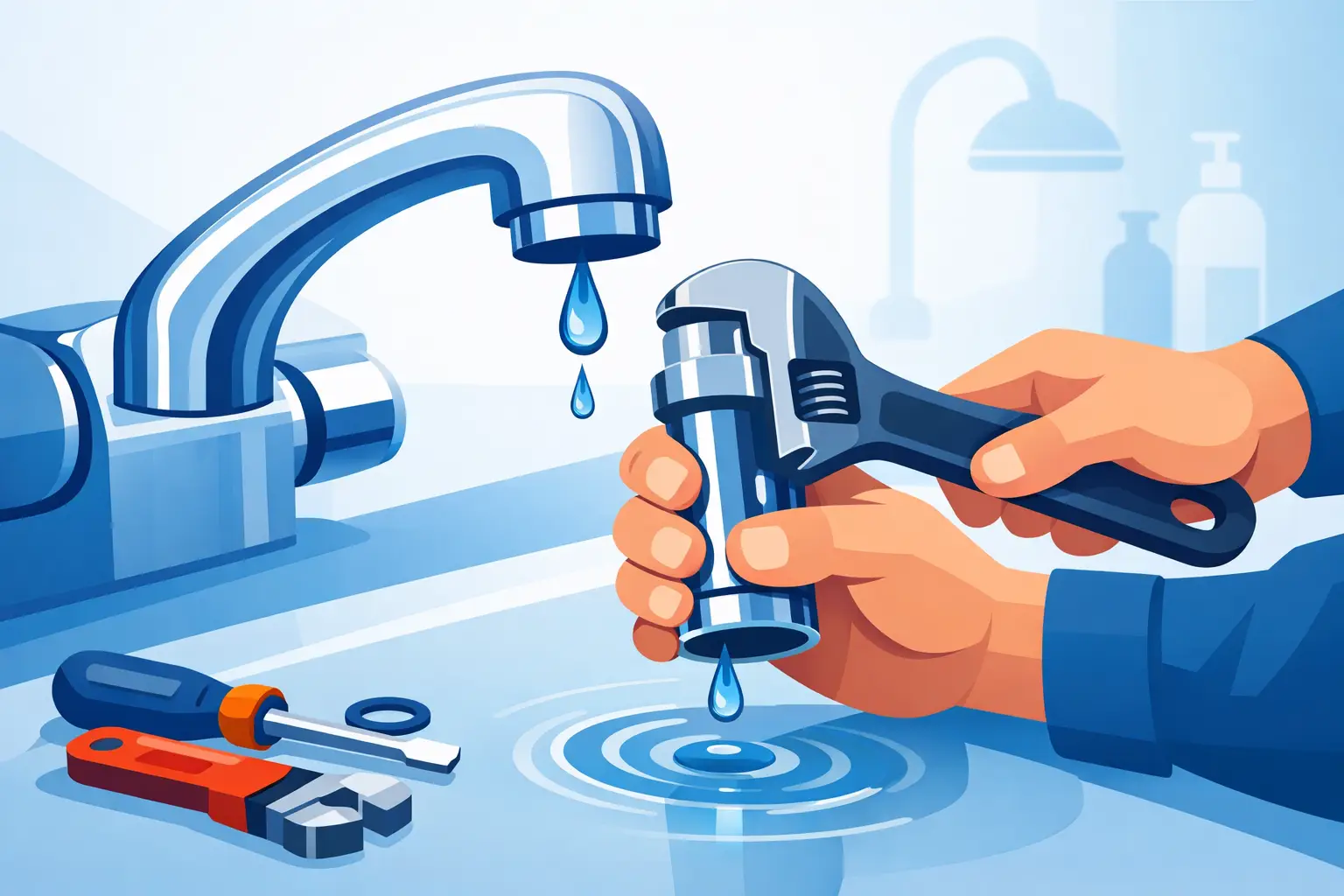
A faucet that drips once every few seconds can waste water all day and keep you listening to a problem that will not fix itself. Dripping faucet repair is often straightforward when the issue is a worn internal part, but the visible drip does not always tell the whole story. A faucet may leak because of a damaged washer, cartridge, valve seat, loose connection, or water pressure issue.
The right response depends on the faucet type, where the water is coming from, and whether the fixture has other symptoms. If the leak is small, contained, and the shutoff valves work, a homeowner may be able to handle a basic repair. If water is leaking beneath the sink, the handle is difficult to operate, or the faucet continues dripping after a repair attempt, calling a qualified plumber is the safer way to protect the fixture and the surrounding cabinet.
Why a Dripping Faucet Should Not Wait
A slow drip looks minor until it runs for days or weeks. Besides adding to your water bill, it can leave mineral buildup around the spout, stain the sink, and wear down the faucet’s internal components. In a bathroom vanity or kitchen cabinet, a leak below the counter can also damage wood, flooring, and stored items before anyone notices it.
For landlords and property managers, a dripping fixture is also a maintenance issue worth addressing quickly. Tenants may ignore a small leak until it becomes a larger complaint, and a worn faucet can fail at an inconvenient time. A prompt repair is usually less disruptive and less expensive than waiting for a leak to spread.
There is a difference between a drip from the spout and water appearing around the handle or under the sink. A spout drip usually points to an internal sealing problem. Water at the handle can indicate worn O-rings, packing, or a failing cartridge. Water below the sink may involve supply lines, shutoff valves, the drain, or the faucet base. Those problems need to be diagnosed separately rather than treated as one leak.
Common Causes of a Faucet Drip
Most faucets use one of a few operating systems. The style matters because the replacement parts and repair method are different.
A compression faucet has separate hot and cold handles that tighten down to stop water flow. These faucets commonly drip when a rubber washer wears out or when the valve seat becomes rough or corroded. They are repairable, but overtightening the handle can speed up wear and make the faucet harder to turn.
Cartridge faucets may have one handle or two. Inside, a cartridge controls water flow and temperature. When the cartridge or its seals wear down, water can pass through even when the handle is in the off position. Replacing the cartridge often solves the problem, but the correct part must match the faucet brand and model.
Ball faucets are common in older single-handle kitchen fixtures. They use a ball, springs, and rubber seats. A drip can come from worn seats and springs, while a handle leak may come from damaged O-rings.
Ceramic disc faucets are generally durable, but mineral deposits or a damaged disc assembly can cause leaks. These fixtures may require careful cleaning or replacement parts specific to the manufacturer. Forcing components apart or using the wrong tools can crack the housing or damage the finish.
A Practical Dripping Faucet Repair Check
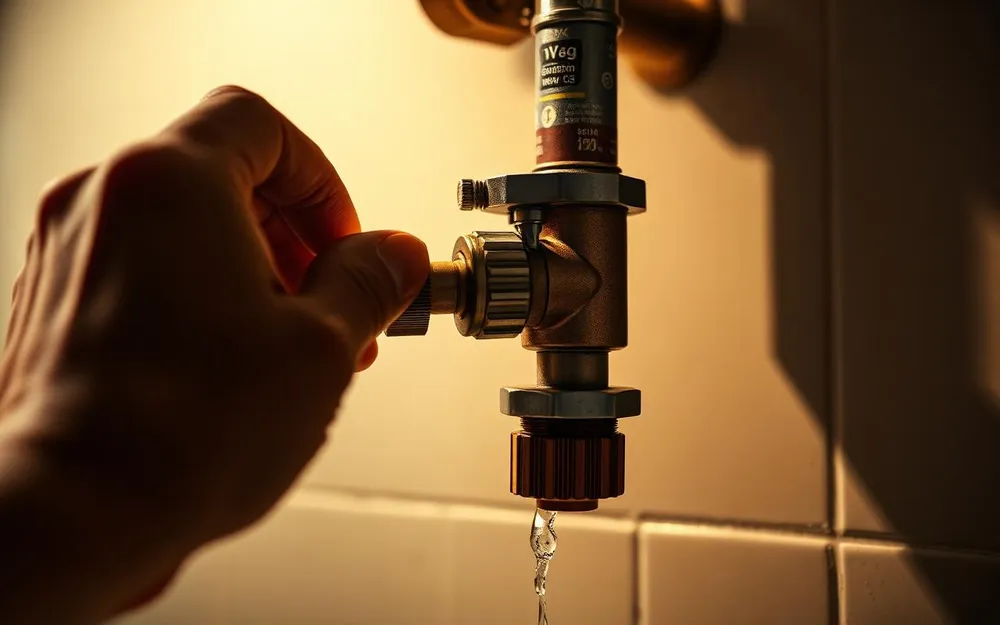
Before taking anything apart, identify where and when the leak occurs. Let the faucet run, then dry the fixture and inspect it with the water off. Watch the spout, the base of the handle, the connection points beneath the sink, and the drain area. This helps avoid replacing a part that was never the source of the problem.
If you plan to make a simple repair, start by shutting off the hot and cold water valves under the sink. Turn on the faucet afterward to relieve pressure and confirm the water is off. Plug the sink drain or cover it with a cloth so small screws and clips do not disappear into the pipe.
Remove the handle carefully. On many faucets, the screw is hidden under a decorative cap or behind a small access opening. Take a photo before removing internal pieces so you can reassemble them in the same order. Once inside, look for obvious wear such as flattened washers, cracked O-rings, corroded valve seats, or a damaged cartridge.
Bring the old part to a plumbing supply store when possible. Faucet parts can look nearly identical while fitting differently. Replacing a worn washer with the wrong size, or installing a generic cartridge that does not seat properly, may leave the faucet dripping or create a new leak.
After installing the replacement part, reassemble the faucet without overtightening screws or retaining nuts. Turn the shutoff valves back on slowly, then test both hot and cold water. Check the spout, handle, and cabinet below the sink for several minutes. A repair is not complete until the faucet turns off cleanly and stays dry where it should.
When DIY Repair Is Not the Best Option
A basic washer or cartridge replacement can be reasonable for someone comfortable with small household repairs. Still, there are situations where a professional repair makes more sense.
Call a plumber if the shutoff valves do not fully close, the fixture is heavily corroded, parts are stuck, or the faucet body is cracked. These issues can turn a small drip into an active leak quickly. The same applies if the leak comes from behind the wall, beneath the countertop, or from a supply line connection that is difficult to access.
Repeated leaks are another warning sign. If a faucet begins dripping again soon after a new washer or cartridge is installed, the problem may be a damaged valve seat, excessive water pressure, poor-quality replacement parts, or an aging fixture that is no longer worth repairing. A plumber can identify the cause instead of replacing parts by trial and error.
For rental properties, a professional repair also creates a clearer record of the work performed and helps reduce the chance of a tenant accidentally causing additional damage. The goal is not simply to stop the drip for the day. It is to restore dependable operation and prevent a return visit for the same issue.
Repair or Replace the Faucet?
Repair is usually the sensible choice when the faucet is in good condition, replacement parts are available, and the leak is limited to an internal seal or cartridge. It costs less than replacing the fixture and preserves a faucet that still functions well.
Replacement may be the better value when the faucet is old, corroded, loose at the base, difficult to find parts for, or leaking from multiple locations. A new fixture can also make sense during a kitchen or bathroom update. The trade-off is that replacement may reveal worn shutoff valves, fragile supply lines, or countertop and sink issues that need attention at the same time.
A qualified plumber can give you a practical recommendation based on the fixture’s condition. There is no benefit in repeatedly repairing a faucet that has reached the end of its service life, but there is also no reason to replace a quality fixture over a small, repairable part.
Preventing the Next Faucet Leak
Do not crank the handle tighter to stop a drip. That extra force can damage washers and seals, especially on compression-style faucets. Turn the handle off firmly but gently, and address a developing drip before it becomes constant.
Hard water can shorten the life of faucet components by leaving mineral deposits on aerators, cartridges, and valve seats. Regular cleaning helps, but persistent buildup throughout the home may point to a broader water-quality concern. High water pressure can also strain faucets, toilet fill valves, and supply connections, so recurring fixture failures deserve a closer look.
Best Quality Plumbing Services helps homeowners and property managers diagnose faucet leaks, replace worn components, and determine when a fixture should be replaced instead. A prompt, properly completed repair keeps a small drip from becoming cabinet damage, wasted water, or another item on an already busy repair list.